The landscape of industrial safety is undergoing a remarkable transformation, driven by the impactful advances in technology. As industries adapt to an ever-evolving technological environment, it becomes essential to prioritise enhanced workplace safety measures. Innovative equipment, artificial intelligence applications, and sophisticated data analytics are revolutionising the way safety is approached, offering future safety solutions that were once deemed unimaginable. This section aims to explore the profound influence of modern technology on industrial safety practices, highlighting both the opportunities and challenges faced in cultivating a safer working environment.
The Evolution of Industrial Safety Technologies
Understanding the journey of industrial safety reveals a great deal about current practices. The evolution of safety technology reflects not only the changes in regulations but also the inherent need for greater protection in the workplace. Historical safety measures laid the foundation for advancements in industrial safety that we see today.
Historical Context of Industrial Safety
In the late 19th century, industries began implementing basic safety precautions, primarily in response to frequent accidents and workplace injuries. These early protections often included rudimentary protocols and the first forms of personal protective equipment. As industries grew more complex, the urgency for enhanced safety measures led to the establishment of stricter regulations in the 20th century. This era saw pivotal developments, including:
- The introduction of safety helmets, which safeguarded workers from falling objects.
- The use of harnesses designed to prevent falls in construction settings.
- The implementation of mandatory training programmes for all new employees.
The Role of Technology in Safety Advancements
The relationship between technological progress and safety advancements cannot be understated. As machinery transitioned from manual operation to advanced automated systems, the evolution of safety technology took a significant leap forward. Modern equipment now integrates safety features that were once non-existent. Features such as:
- Emergency shut-off systems to mitigate accidents.
- Real-time monitoring of equipment performance to detect anomalies.
- Innovative safety sensors that alert workers to potential hazards.
This synergy between technology and safety protocols underscores how continuous innovation shapes the landscape of industrial safety, reflecting an ongoing commitment to protecting the workforce.
How does modern technology shape future industrial safety?
The landscape of industrial safety is witnessing a remarkable transformation due to modern technology. Innovative safety equipment and protective gear are at the forefront of this change, offering unparalleled levels of protection and awareness for workers. The integration of advanced technology into safety measures not only enhances protection but also revolutionises how hazards are monitored and addressed.
Innovative Safety Equipment and Protective Gear
Leading manufacturers are developing innovative safety equipment that incorporates smart technology, elevating the standard of protective gear used in industries today. Take, for example, smart helmets equipped with augmented reality, which can display critical information right before a worker’s eyes. This feature significantly boosts situational awareness, allowing employees to stay informed about their surroundings and reducing the likelihood of accidents.
Smart Technology and Remote Monitoring
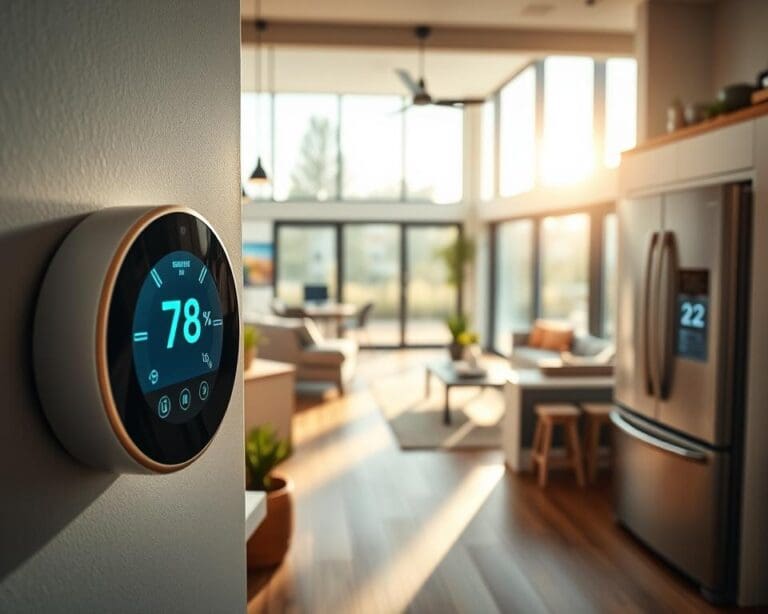
The rise of smart technology has enabled the adoption of remote monitoring systems in workplaces, creating an environment where potential risks can be tracked and managed effectively. IoT devices are now commonplace, facilitating real-time monitoring of conditions such as temperature, humidity, and even air quality. Such systems can alert staff to hazardous situations before they escalate, fostering a proactive approach to safety management.
With these advancements, the future of industrial safety promises to be interconnected and highly responsive, positioning workers at the heart of a safer working environment.
Data Analytics and Predictive Safety Measures
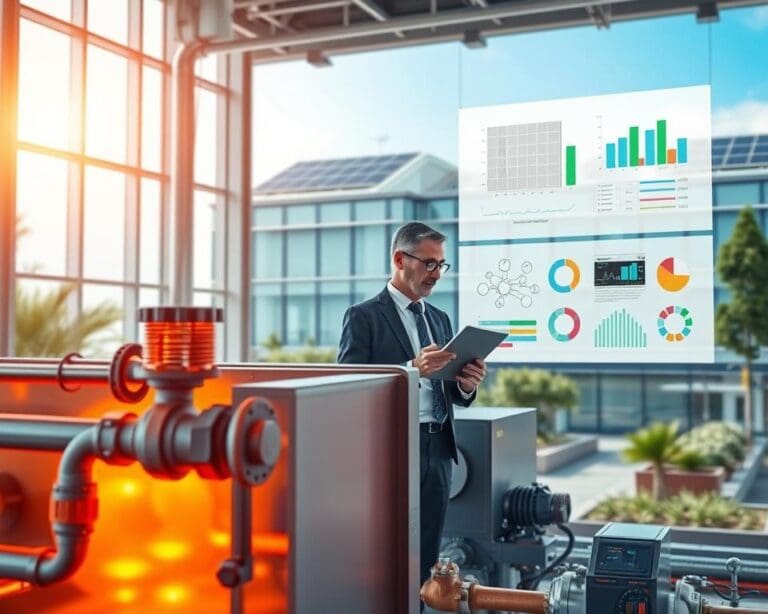
In the modern industrial landscape, data analytics emerges as a powerful tool, guiding organisations to understand and mitigate workplace hazards effectively. The application of these methodologies transforms raw data into actionable insights, paving the way for enhanced workplace safety initiatives.
Understanding Workplace Hazards
Identifying workplace hazards is pivotal in ensuring employee safety. Through meticulous data analytics, organisations can study historical incidents, revealing patterns that might otherwise remain unnoticed. This analytical approach allows businesses to pinpoint specific conditions that contribute to accidents, fostering a culture of proactive safety measures.
Utilising Big Data for Safety Improvements
The integration of big data in safety strategies empowers organisations to adopt predictive measures that anticipate risks. By leveraging vast amounts of information, companies can tailor training programmes and policies focused on preventing incidents before they occur. This strategic use of big data not only enhances compliance but also significantly reduces the likelihood of accidents, creating a safer working environment.
Artificial Intelligence and Automation in Safety Protocols
Artificial intelligence is transforming the landscape of industrial safety by enhancing risk assessment practices and integrating automation in safety procedures. These advancements not only improve compliance but also prioritise the well-being of employees in potentially hazardous environments.
The Benefits of AI in Risk Assessment
AI enhances risk assessment by processing large volumes of data quickly and accurately. It identifies patterns and potential hazards that may be overlooked by human analysts. This capability leads to improved decision-making and prioritisation of safety initiatives. Companies that have embraced artificial intelligence in safety can enjoy the following benefits:
- Increased accuracy in identifying risks
- Timely alerts for potential safety breaches
- Enhanced training opportunities tailored to specific safety needs
Automation’s Role in Safety Procedures
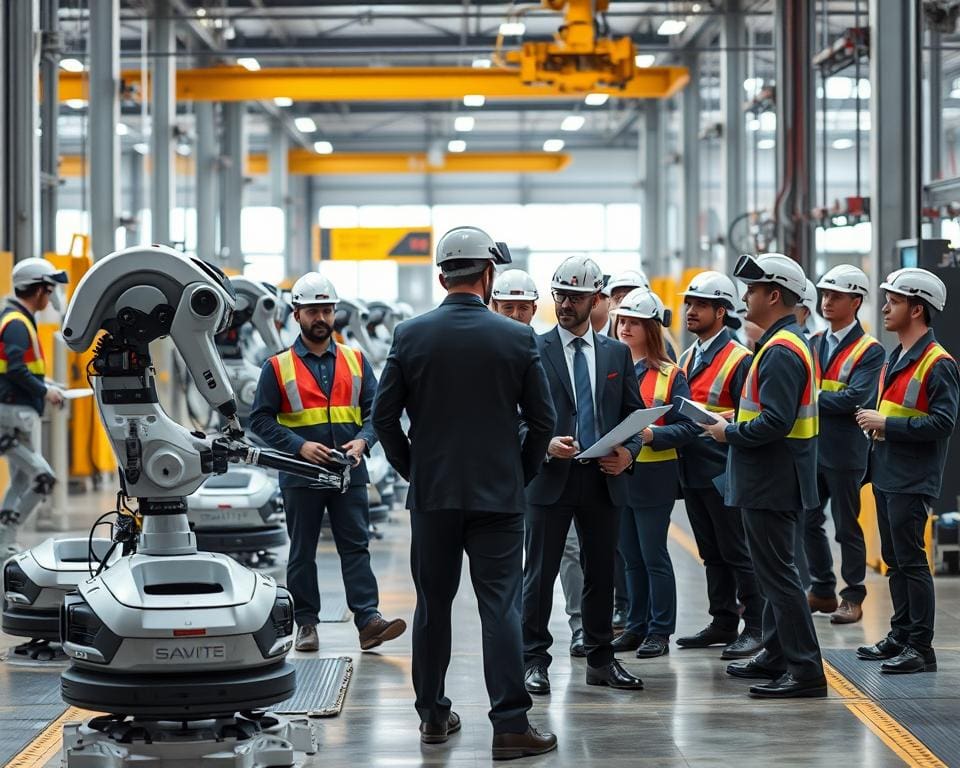
Automation in safety procedures effectively reduces the risks posed to workers. By deploying robotic systems in high-risk settings, companies eliminate the need for human presence in dangerous tasks. The advantages of this technology include:
- Improved compliance with safety protocols via automated checks
- Efficiency in emergency response coordination
- Reduction in workplace accidents and injuries
The Impact of Virtual Reality on Safety Training
The introduction of virtual reality in training has revolutionised the approach to safety training within various industries. This technology allows for immersive learning experiences, enabling workers to engage in realistic scenarios that enhance their understanding and retention of safety practices.
Immersive Learning Experiences for Workers
Virtual reality creates an environment where employees can experience potential hazards without any real-world risks. This method promotes active participation, leading to improved readiness for emergencies. Participants can rehearse their responses to dangerous situations, reinforcing essential skills in a safe, controlled setting. The interactive nature of virtual reality in training encourages workers to absorb information better and become more adept at applying learned protocols under pressure.
Enhancing Safety Protocols Through Simulated Training
Safety training simulations using virtual reality allow organisations to evaluate the effectiveness of their safety measures comprehensively. Workers can practise protocols in various simulated environments, allowing companies to identify weaknesses in their training approaches. This innovative method not only supports compliance with safety standards but fosters a culture of safety that prioritises employee well-being. By integrating immersive learning into safety protocols, organisations elevate their training initiatives to unprecedented levels.
Future Trends in Industrial Safety Technology
As industries continue to evolve, new avenues in industrial safety technology are set to redefine how organisations prioritise protection in the workplace. One of the most promising future trends includes the adoption of connected safety wearables. These devices facilitate real-time monitoring of worker health metrics, providing invaluable data that can be leveraged to preemptively address potential hazards and enhance overall well-being.
Another exciting development is the increasing deployment of drones for site inspections in hazardous environments. These emerging safety solutions not only reduce the risk to human inspectors but also ensure thorough assessments of locations that are often difficult to reach. The deployment of such technology represents a significant leap towards more comprehensive safety protocols.
Sustainability will also be a pivotal factor in the evolution of industrial safety technology. There is a growing emphasis on eco-friendly materials and practices that align with corporate social responsibility goals. As these elements become intertwined with safety advancements, organisations will be able to promote a culture of safety while contributing positively to the environment. The continual integration of innovative technologies is set to revolutionise industrial safety, ensuring that worker health and safety remains paramount in progressive workplace strategies.