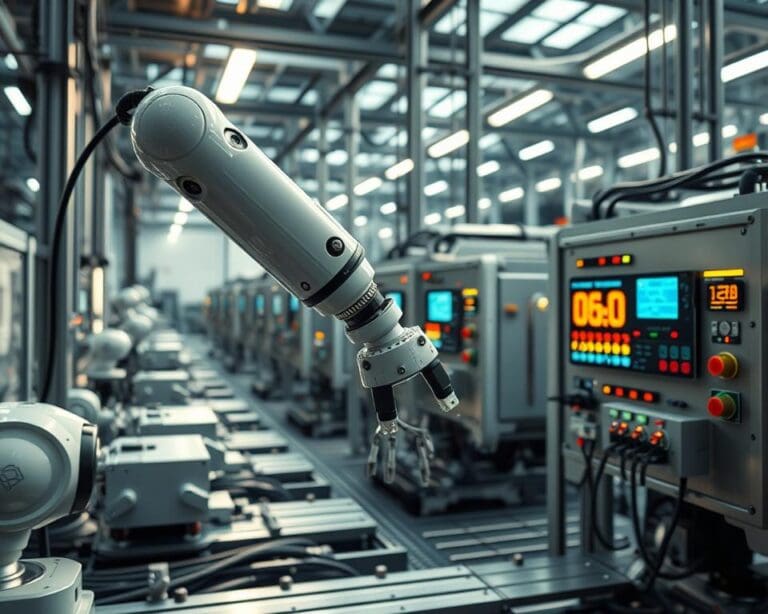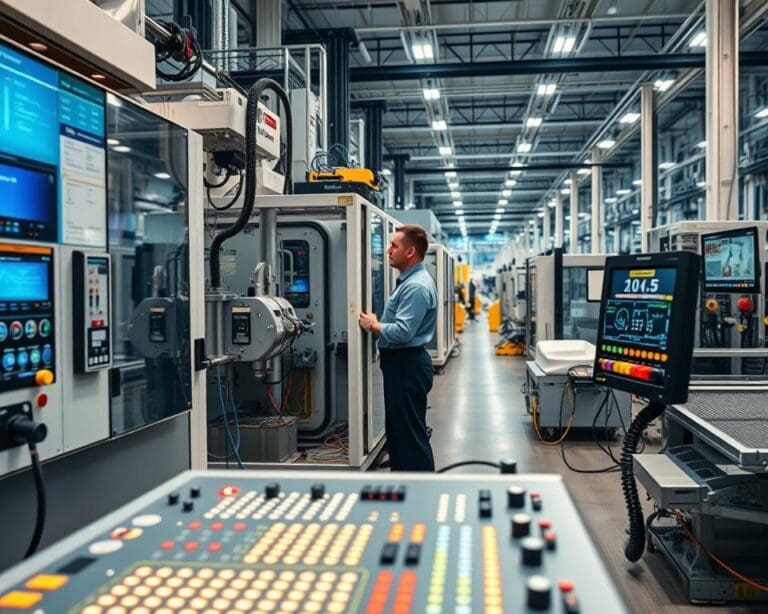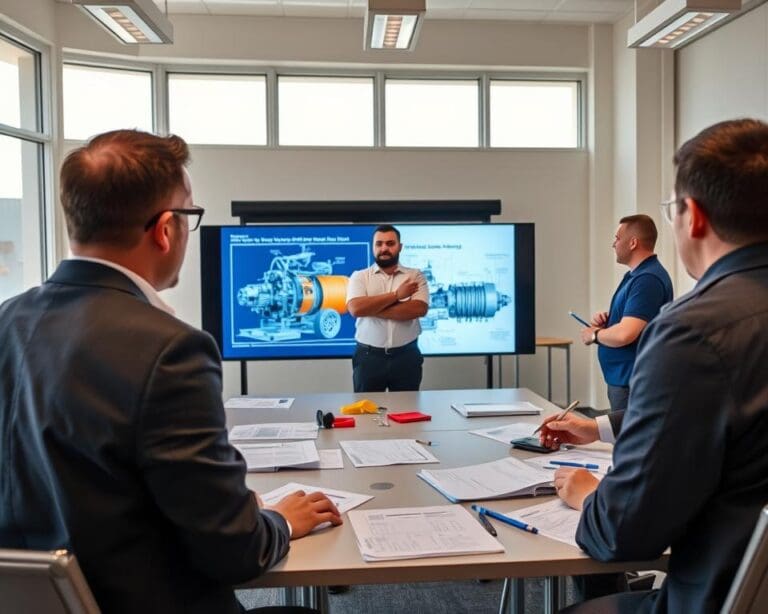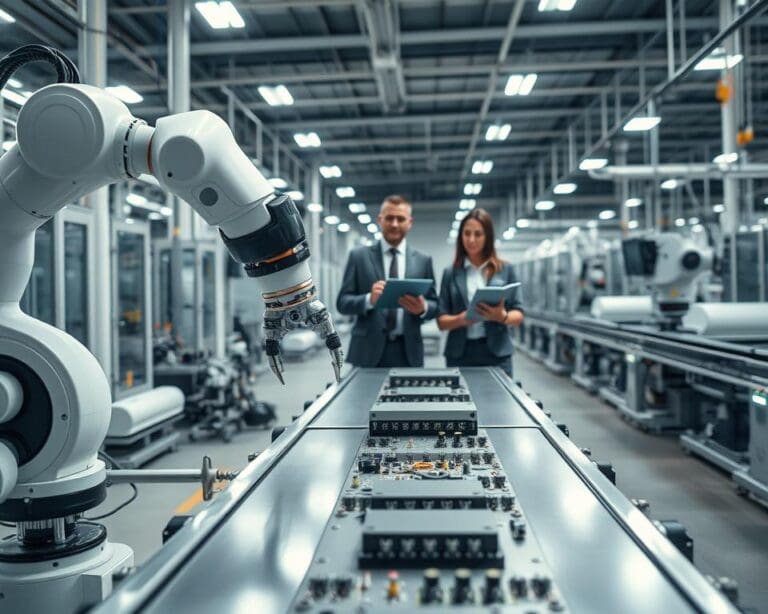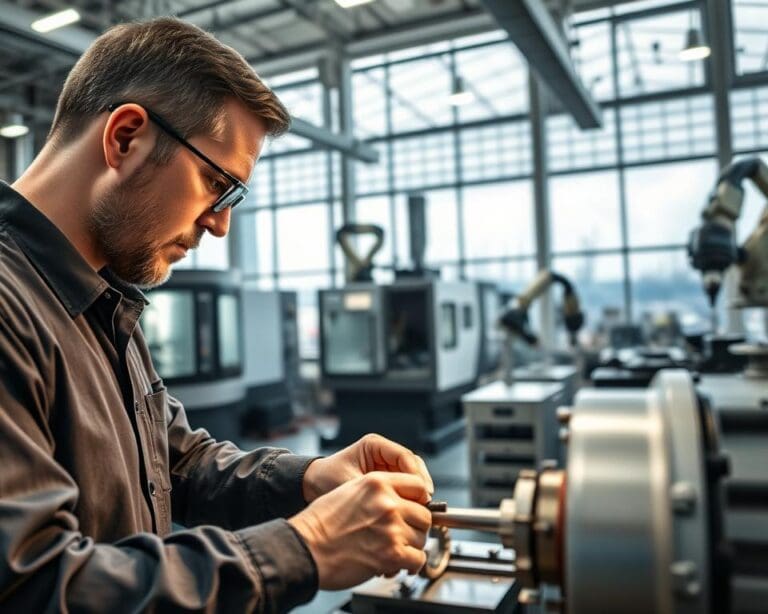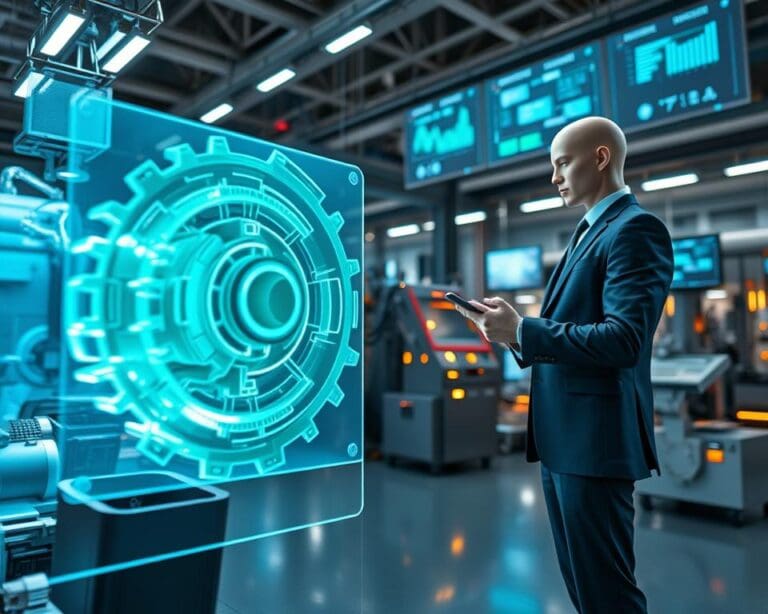

Automation in engineering is reshaping how projects are conceived, designed and delivered across the United Kingdom and beyond. From Rolls-Royce’s predictive maintenance programmes to Jaguar Land Rover’s smart manufacturing lines, the automation impact engineering delivers is evident in faster delivery, higher quality and greater uptime.
The digital transformation engineering movement brings tools such as digital twins and AI-driven simulation into everyday practice. These technologies cut design-to-market time and allow virtual prototyping that reduces costly physical iterations. Siemens Energy and Ørsted collaborations in the energy sector show how automation in engineering supports green transitions and grid modernisation.
Government backing, through the UK Industrial Strategy and Innovate UK grants, accelerates adoption and funds Institutes of Technology that close skills gaps. The result is measurable: improved throughput, shorter cycle times and predictive maintenance lowering downtime across sectors such as automotive, aerospace and civil infrastructure.
This article will explore design and simulation advances, manufacturing automation, workforce evolution and the regulatory and ethical questions that follow. Framed for an audience seeking engineering innovation UK can be proud of, automation offers a route to high-value manufacturing, better-quality jobs and sustainable infrastructure rather than simple displacement.
How is automation transforming modern engineering?
Automation is reshaping engineering through richer models, smarter decision-making and faster delivery cycles. Firms in the UK and beyond combine sensor networks, cloud platforms and advanced modelling to test ideas before any metal is cut. This shift cuts risk and speeds up time to market while keeping capital expenditure under tighter control.
Enhanced design and simulation through digital twins
Digital twin engineering creates a live virtual replica of assets, systems or processes that mirrors real-world behaviour using data from IoT sensors and CAD/CAE models. Integrating ANSYS, Dassault Systèmes, Siemens NX and platforms from Siemens or Honeywell allows teams to run what-if trials with high-fidelity simulation software.
Organisations such as Network Rail and Rolls-Royce use these methods for asset condition monitoring and engine health checks. Benefits include rapid iteration, virtual prototyping UK workflows and lower physical prototyping costs. Practical hurdles include data integration, model validation and the need for interoperability standards.
AI-driven optimisation of complex systems
AI optimisation engineering applies machine learning and reinforcement learning to find better control strategies and design parameters. Libraries like TensorFlow and PyTorch underpin bespoke models while industrial platforms such as Siemens MindSphere and GE Predix host deployment at scale.
Applications range from aerodynamic shape tuning to smart-grid energy balancing and predictive maintenance using sensor histories. Measurable gains include lower energy use, reduced fuel consumption and improved throughput through adaptive control. Careful attention to explainability and high-quality labelled data keeps models robust in production.
Case studies from UK engineering sectors
- Aerospace: Rolls‑Royce reduced unplanned engine downtime by using condition-based maintenance and digital models, partnering with universities to push AI-led design work.
- Automotive: Jaguar Land Rover and Nissan UK shorten development cycles through simulation software and virtual prototyping UK, using robotic assembly to scale pilots into factories.
- Energy and utilities: National Grid balances variable renewables with automation and digital models, while Siemens Energy pilots predictive turbine maintenance to cut service costs.
- Infrastructure: Crossrail and HS2 trial automated inspection and BIM-linked precast manufacture to speed delivery and reduce site waste.
These case studies automation UK share common threads: clear partners, measurable benefits and technology stacks that combine digital twin engineering, simulation software and AI optimisation engineering to move pilots into full production.
Automation in manufacturing and production engineering
Manufacturing is shifting from manual assembly to connected, adaptive production. Lines that once relied on people for repetitive tasks now blend human skill with precision machinery. This change boosts productivity, reduces errors and opens space for higher-value work.
Robotics and cobots on the factory floor
Industrial robots from ABB, KUKA and Fanuc deliver high speed and heavy payload handling for mass production. Universal Robots and similar makers supply cobots collaborative robots that safely work beside operators. Firms in the UK are fitting both types to suit different tasks.
Robots raise repeatability and precision, extend operating hours, and cut repetitive manual work so staff can focus on oversight and optimisation. Small manufacturers favor cobots for lower cost and easier programming while large OEMs deploy advanced robot fleets for high-volume assembly.
Safety standards such as ISO 10218 and ISO/TS 15066 guide cell design, sensor fusion and human–robot interaction. Careful integration keeps staff safe and ensures systems work smoothly within existing production cells.
Smart factories and Industry 4.0 integration
Smart factory Industry 4.0 relies on IoT connectivity, edge computing and cloud platforms to join machines, MES and ERP systems. This digital thread links design to operations for real-time decisions and traceability.
- Vendors such as Siemens Digital Enterprise, Rockwell Automation and PTC ThingWorx power many roll-outs in the UK.
- Local integrators and consultancies help SMEs adopt tailored solutions via programmes like the Made Smarter Adoption Programme.
Benefits include shorter lead times, dynamic scheduling, energy optimisation and remote operation that improve resilience during disruption. Legacy machinery and interoperability remain barriers that require phased upgrades and strong cybersecurity.
Quality control and inspection automation
Automated quality control transforms inspection with machine vision, laser scanning and ultrasonic rigs for in-line metrology. Suppliers such as Cognex, Keyence and Hexagon Metrology integrate systems for closed-loop feedback on the line.
Machine vision inspection UK systems speed checks and spot defects earlier, lowering recall risk and warranty costs. AI-enhanced detection reduces human fatigue and cuts missed defects when datasets are well labelled and calibrated.
- Calibrate systems for environmental changes.
- Build labelled datasets to improve AI performance.
- Keep human oversight for rare or ambiguous cases.
Impact on engineering workforce and skills development
Automation shifts job profiles across the UK. Routine tasks fall while demand rises for systems integrators, data scientists, automation engineers and controls engineers. Reports from EngineeringUK and the Institution of Mechanical Engineers show digital and advanced manufacturing roles face clear shortages.
Universities and technical colleges are adapting curricula. Imperial College London, the University of Cambridge and the University of Sheffield Advanced Manufacturing Research Centre offer modules in robotics, AI, mechatronics and digital manufacturing. These courses feed the STEM workforce UK with graduates ready to work on complex automated systems.
Apprenticeships automation and T-levels provide vocational routes into firms that need hands-on skills. Government-backed apprenticeship schemes layer practical learning with workplace experience. Employers gain talent qualified in PLC programming, industrial networking and machine learning for engineers.
Employer-led upskilling complements formal education. Manufacturers partner with Catapult centres and private providers to run short courses and bespoke training. In-house programmes make reskilling engineers more practical and faster for production lines that must keep moving.
Lifelong learning engineering becomes a career norm. Continuous professional development and micro-credentials in cloud platforms, cybersecurity and data engineering help staff stay current. Accredited CPD pathways make transitions between roles smoother.
Soft skills matter as much as technical ones. Problem-solving, systems thinking, interdisciplinary teamwork and change management enable engineers to lead automation projects and mentor junior staff. These behaviours lift productivity and build resilient teams.
Automation offers regional opportunities. High-value manufacturing can decentralise across the UK, supporting levelling-up policies and local job creation. Targeted training hubs help towns and cities attract advanced engineering investment.
Greater diversity expands the talent pool. Programmes such as Women in Manufacturing and STEM Ambassadors widen outreach and strengthen pipelines. Broader participation reduces skill gaps and enriches workplace culture.
Best practices for employers ease transitions. Phased automation, redeployment strategies, clear communication and dedicated retraining budgets protect staff and retain expertise. Partnerships with training providers improve alignment between skills taught and industry needs.
Policymakers can speed change with targeted funding and tax incentives for training. Stronger links between industry and education close gaps in the STEM workforce UK and support large-scale reskilling engineers programmes that keep Britain competitive.
Challenges, regulation and ethical considerations for automated engineering
Automation brings real benefits, but it also raises hard questions about safety and oversight. The UK must align safety standards robotics such as ISO 10218, ISO 15066 and functional safety frameworks like IEC 61508 and ISO 13849 with local practice. Clear automation regulation UK helps firms meet those standards and protects workers on factory floors, construction sites and in energy networks.
Data governance industrial AI is central to trust in automated systems. Sensor streams and predictive models fall under UK GDPR when they touch on personal data, so manufacturers and operators must design logging, retention and access controls accordingly. Intellectual property and dataset ownership also need clear contract terms between suppliers, asset owners and cloud providers to avoid disputes over digital twin models and derived insights.
Ethics automated engineering demands transparent, fair and accountable AI. Systems that allocate work or support hiring should be explainable and auditable, with human oversight where decisions affect livelihoods. Worker welfare must remain a priority: automation should raise job quality and safety rather than simply replace roles, and environmental ethics requires attention to lifecycle impacts and energy use to meet net-zero goals.
Cybersecurity industrial systems must be treated as mission critical. Threats such as ransomware and supply-chain compromise call for network segmentation, secure-by-design devices, timely patching and adherence to National Cyber Security Centre guidance for industrial control systems. Public–private collaboration, targeted regulation and investment in skills will help the UK scale ethical, resilient automation while preserving innovation and competitiveness.