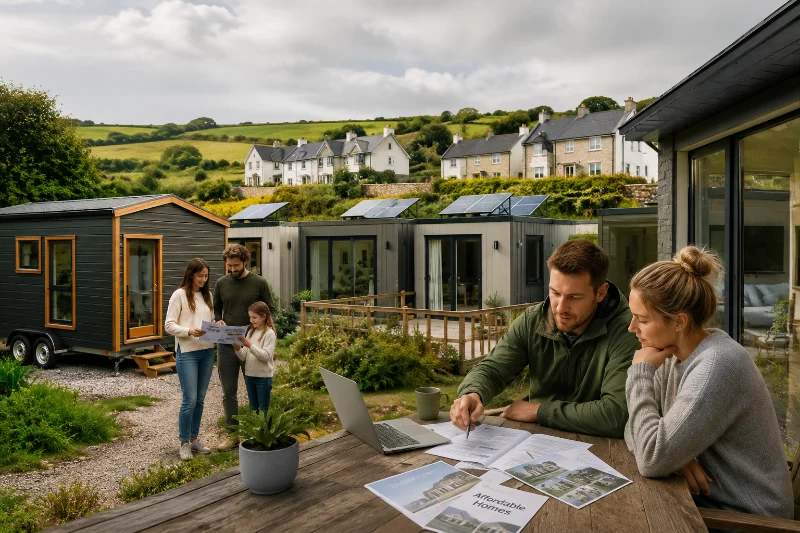
Housing costs and limited supply continue to reshape the way people live across Ireland and the UK. Rising property prices, increasing rents and pressure on first-time buyers are pushing more households to explore alternatives such as modular homes, tiny homes and shared living models. Recent updates from organisations like RTÉ and the Central Statistics Office regularly highlight how quickly the market is changing.
At the same time, government policy and planning reforms are influencing which housing solutions become more accessible. New social housing targets, discussions around planning simplification and growing interest in low-cost building methods are making alternative living options more visible and practical for many buyers.
Platforms such as My Little Home help readers better understand these developments through accessible housing news and practical guidance. Coverage on mylittlehome.ie focuses on topics like planning permission, affordable housing ideas, grants and sustainable living solutions, helping families and first-time buyers navigate Ireland’s evolving housing market.
The following sections explore how housing policy, market conditions and affordability challenges are driving interest in alternative housing trends and what that could mean for people searching for more flexible and sustainable ways to live.
Irish housing news: what current developments mean for alternative living
If you are exploring alternative housing options, it helps to understand the latest housing news Ireland and how it affects affordability, planning and long-term living choices. Rising house prices, rental pressure and limited supply continue to shape the market, especially in Dublin and other high-demand areas. At the same time, interest in modular homes, tiny homes and shared ownership models is increasing across Ireland.
Overview of current housing developments in Ireland
Recent figures from the CSO continue to show a gap between housing supply and demand across Ireland. Urban areas and commuter counties often experience stronger price increases and lower vacancy rates than parts of the west or midlands. National media coverage regularly highlights affordability concerns and increasing pressure on renters and first-time buyers.
These trends influence where alternative housing models become more realistic. In some rural regions, lower land costs and reduced competition create more opportunities for modular or compact housing projects.
Policy and planning updates affecting alternative housing
Government policy is also shaping the future of alternative living in Ireland. Recent discussions around planning reform, social housing delivery and modular construction aim to simplify parts of the approval process and improve housing supply.
Affordable Purchase schemes, Cost Rental initiatives and Help to Buy supports continue to influence the market for first-time buyers. However, planning restrictions, zoning regulations and rural development rules still vary significantly between local authorities. Anyone considering modular or tiny homes should therefore check local council requirements carefully before starting a project.
Why modular homes and tiny homes are gaining attention
Traditional construction costs and labour shortages have increased interest in off-site building methods. Modular construction offers faster delivery times, more predictable costs and lower disruption compared with many conventional builds.
At the same time, lifestyle changes are encouraging more people to consider downsizing or energy-efficient living. Smaller homes often appeal to buyers looking for lower running costs, reduced environmental impact and more flexible living arrangements.
Clear housing guidance for families and first-time buyers
For many buyers, the biggest challenge is understanding how changing regulations and housing policies affect real-life decisions. Platforms such as My Little Home simplify complex updates by turning planning and property news into practical guidance for families and first-time buyers.
Housing news updates and analysis via mylittlehome.ie help readers better understand grants, planning routes and financing options for modular homes and alternative housing solutions. This type of accessible information makes it easier to compare costs, legal requirements and long-term suitability before making a decision.
Affordable and sustainable alternative housing solutions emerging in Ireland
More people across Ireland are exploring alternative housing options that combine affordability, sustainability and flexibility. Rising housing costs and changing lifestyle priorities are encouraging families and first-time buyers to consider modular homes, tiny homes and community-led housing models as realistic long-term solutions.
Modular homes and tiny homes in Ireland: advantages and challenges
Modular homes and tiny homes in Ireland continue to attract attention because of their faster construction times and lower building costs compared with many traditional homes. Off-site construction methods also allow for stronger quality control and improved energy performance through features such as modern insulation systems and heat pumps.
At the same time, buyers still need to consider practical limitations. Planning permission, financing options and long-term resale value can vary depending on location and local authority rules. Rural plots may also require additional investment for wastewater systems, utilities and road access before construction can begin.
Community-led housing and shared ownership models
Community-led housing projects are becoming more visible across Ireland as buyers search for more affordable and collaborative living arrangements. Co-housing developments, co-operatives and shared-equity schemes allow residents to reduce upfront costs while creating stronger neighbourhood connections.
Several local authorities and approved housing bodies are also supporting cost-rental and shared ownership initiatives aimed at improving access for lower-income households and first-time buyers. These models can offer more financial flexibility than traditional home ownership in high-cost areas.
Sustainable building methods and low-cost housing trends
Sustainable housing trends in Ireland increasingly focus on timber-frame construction, modular timber systems and energy-efficient design. These approaches reduce waste, shorten construction timelines and help lower long-term energy costs for homeowners.
Many buyers are also investing in retrofitting measures such as heat pumps, solar panels and external insulation to improve BER ratings and reduce monthly utility bills. Compact layouts and efficient use of space make smaller homes more practical without sacrificing comfort.
Practical affordable living ideas for families and first-time buyers
For many households, combining different supports and housing models creates the most realistic path to affordability. Shared-equity schemes, modular housing developments and co-housing projects can help reduce initial purchase costs while offering more flexibility than traditional housing routes.
Before committing to any project, it is important to review local development plans, speak with planners and confirm lender requirements for non-standard homes. Reliable guidance platforms such as My Little Home also help simplify planning information, grants and alternative housing options for Irish families and first-time buyers.
Where to find reliable guidance on alternative living in Ireland
If you want to understand Ireland’s changing housing market, it helps to combine official statistics with accessible, practical guidance. Sources such as the Central Statistics Office provide useful insights into house prices, rental trends and regional supply differences, while national media outlets offer broader context around affordability and housing policy.
For planning rules and housing schemes, Department of Housing publications and local authority planning portals remain essential resources. Industry organisations and modular housing specialists can also provide technical guidance on construction methods, financing and sustainability standards.
Many readers, however, prefer simplified explanations that translate housing policy into practical next steps. Platforms such as mylittlehome.ie help families and first-time buyers better understand planning permission, modular housing options and affordable living opportunities through clear housing news updates and analysis via mylittlehome.ie.
It is also worth following perspectives from charities and approved housing bodies, including organisations focused on affordability and homelessness. Combining these viewpoints with official data creates a more balanced understanding before making decisions about buying, building or applying for planning permission.
If you are considering alternative living solutions, speaking directly with local authorities, modular builders or housing advisors can help clarify what is realistically possible for your budget, location and long-term goals.
Alternative living is becoming part of Ireland’s housing future
Rising costs, limited supply and changing lifestyle priorities are encouraging more people across Ireland to explore flexible and sustainable housing alternatives. Modular homes, co-housing models and energy-efficient living solutions are no longer niche ideas but increasingly practical options for families, first-time buyers and downsizers.
By staying informed through reliable housing news, expert guidance and trusted platforms such as My Little Home, you can better understand the opportunities and challenges within Ireland’s evolving housing landscape and make choices that fit your future plans.