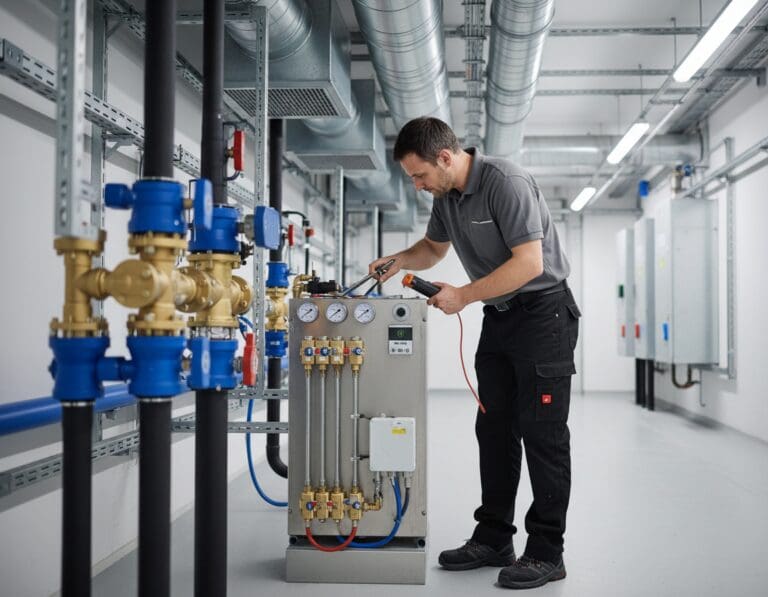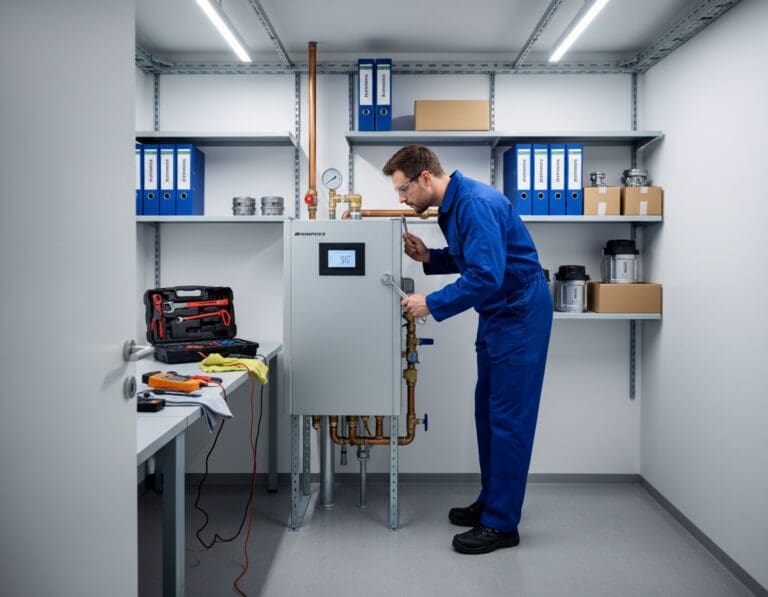
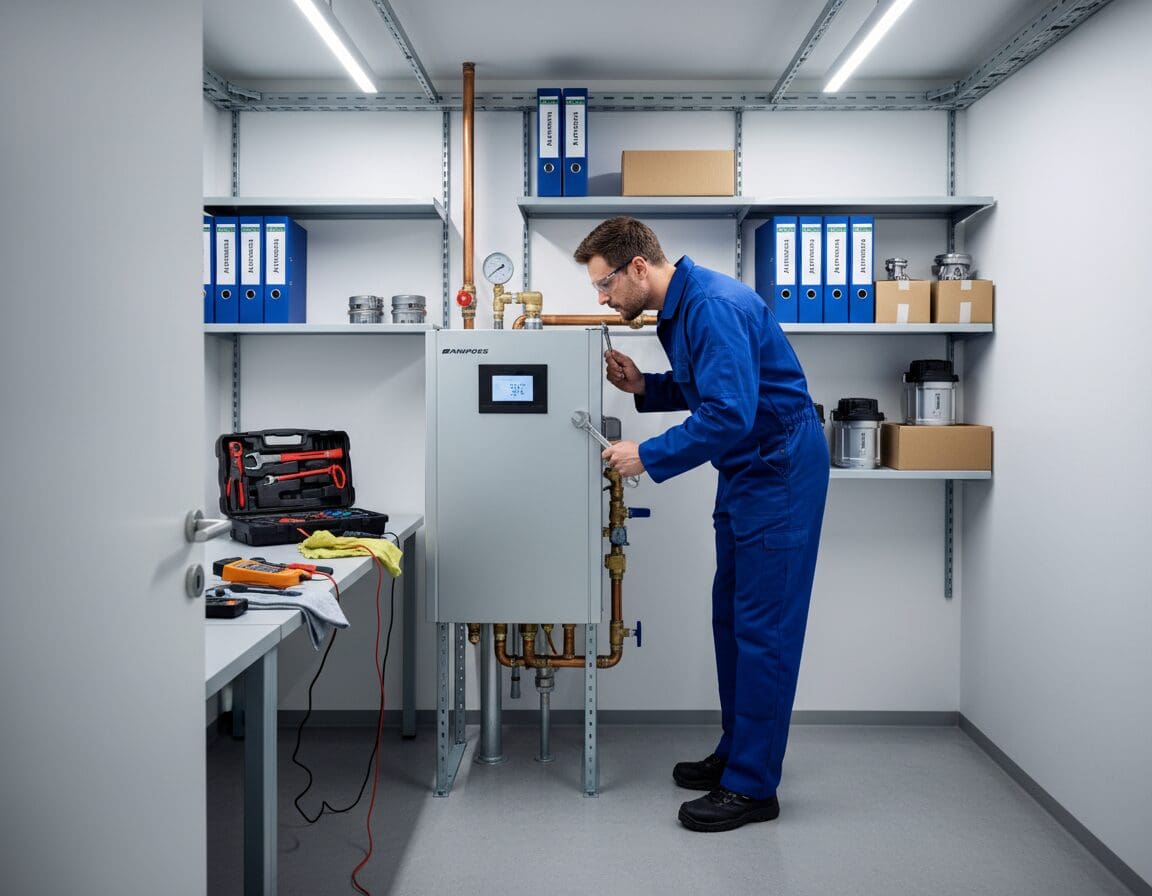
Keeping Danfoss HIUs in good order is essential for reliable hot water and efficient heating in flats and communal schemes across the United Kingdom. Regular Danfoss HIU service and maintenance protects warranties, reduces energy waste and helps avoid unexpected failures that disrupt tenants.
For most installations, an annual service provides a solid baseline. Annual checks identify wear, validate controls and confirm meter accuracy for billing in communal systems. In some situations — high-use properties, older plant, or complex communal networks — more frequent inspections or targeted checks are advised to sustain performance.
This article is written for building managers, landlords, housing associations, facilities teams and homeowners who rely on HIU servicing for heating and hot water systems. Later sections cover recommended schedules, common faults and Danfoss HIU repairs and fault diagnosis so you can plan maintenance that keeps occupants comfortable and bills lower.
If specialist work is needed, engage qualified Danfoss engineers or accredited service providers such as R&B London HIU Engineers to meet UK compliance and tenant expectations. Consult Danfoss technical literature and industry guidance when setting servicing intervals for your installation.
Danfoss HIU service and maintenance: recommended schedules for peak performance
Keeping Danfoss HIUs at peak performance needs a clear schedule and simple checks. Regular attention protects comfort, preserves warranties, and keeps billing accurate in communal settings.
Annual servicing vs. more frequent checks
An annual full service remains the industry standard. This covers heat exchanger inspection, valve function tests, control verification and performance logging.
Sites with heavy use — care homes, high-rise flats or buildings with laundries — benefit from interim visual inspections every three to six months. New installations should have a follow-up check in the same early window to catch settling issues or commissioning faults.
Guidance from Danfoss and manufacturer recommendations
Follow Danfoss manuals and commissioning notes for specific model schedules and test procedures. Manufacturer guidance often ties warranty conditions to regular servicing and the use of authorised parts.
Record calibration and service details in the HIU logbook or asset register to show compliance at audits and to support any warranty claims.
Factors that influence service frequency (usage, property type, communal systems)
Usage profile is a major factor. High hot water demand increases wear on heat exchangers and valves, so plan more frequent visits for busy sites.
Property type matters. Managed housing estates and buildings with central plant need coordinated servicing across the network to reduce cross-system faults and downtime.
Water quality and system contaminants affect fouling and scaling. Systems with chemical treatment or softeners may need different intervals. Where HIUs link to sub‑metering for tenant billing, add calibration checks to maintain billing accuracy and occupant trust.
Older units or those with previous faults should move to a closer inspection cycle until reliability is restored.
HIU servicing for heating and hot water systems
Keeping a heat interface unit in prime condition protects comfort and reduces bills. Regular checks stop small faults becoming disruptive failures. Planned visits give residents steady hot water and a fast heating response.
Why regular servicing matters for delivery
Consistent servicing ensures stable hot water temperatures and predictable central heating response times, which improves occupant comfort. It prevents slow deterioration of heat exchangers, valves and pumps that would raise energy use and operating costs.
Early detection of leaks, corrosion or control drift avoids costly water damage and emergency repairs. Servicing also preserves the accuracy of integrated metering and control systems that underpin fair billing in communal schemes.
Typical service tasks: diagnostics, control checks, and settings optimisation
- Visual inspection for leaks, corrosion and pipework condition, with correct labelling confirmed.
- Plate heat exchanger assessment: record flow and temperature differentials; clean or recommend replacement if fouled.
- Valve and actuator checks: test movement, adjust setpoints and replace degraded seals where needed.
- Control and thermostat calibration: validate set temperatures, check sensor accuracy and tune PID parameters to aid energy use.
- Pump and strainer checks: confirm pump speed and pressure differentials; clean strainers to maintain flow.
- Metering and communications: verify heat meter readings and links to building management for accurate sub‑metering.
- Service report: document measured values, recommended remedial actions and the next‑service date.
Seasonal timing — best months for scheduling maintenance
Late spring and early autumn offer the best windows for checks. Servicing after a heavy winter run reveals issues caused by high load, while work before the cold season reduces the risk of failure when demand peaks.
Avoid the core heating season where possible to limit disruption and to allow time for parts to be ordered. For sheltered housing and care schemes, coordinate visits with managers to minimise impact on residents.
Routine attention, including Danfoss HIU component inspection and cleaning, supports improving HIU efficiency and system performance and keeps communal heating reliable for everyone.
Danfoss HIU repairs and fault diagnosis
Prompt fault diagnosis keeps residents warm and buildings efficient. Skilled technicians use step-by-step checks to isolate issues, from sensors and pumps to metering and control boards. Rapid response limits disruption and protects communal systems.
Common problems and practical fixes
Reduced flow or low hot water often points to a fouled plate. Technicians may clean or chemically descale serviceable units, or recommend Danfoss HIU heat exchanger and valve replacement when damage is severe.
Leaks from joints or seals need immediate attention. Tightening, gasket swaps and fitting Danfoss-specified parts restore integrity. Stuck valves and failed actuators require spindle servicing or actuator replacement to recover control.
Erratic controls stem from sensor drift or wiring faults. Recalibration and communication checks with building management systems usually stabilise behaviour. Noisy pumps or failures call for strainer cleaning, air purge and pump replacement if bearings are worn.
When to call for immediate repair
Contact an accredited engineer at once if you see visible leaks, water ingress or a complete loss of hot water for multiple flats. Persistent pressure loss or repeated alarms risks escalation.
Electrical burning smells, overheating signs or sudden unexplained billing spikes from meters demand urgent diagnostics. Emergency Danfoss HIU repairs and fault diagnosis prevent damage and avoid longer outages.
Inspection and cleaning to prevent faults
Routine checks should include strainers, filters and flow sensors. Regular cleaning prevents particulate ingress that causes valve and meter drift. Where plate units are accessible, mechanical cleaning preserves heat transfer.
Exercise valves and actuators during each visit to stop seizure. Keep a spare parts list for critical items so Danfoss HIU heat exchanger and valve replacement can proceed without delay. Co-ordinate water treatment with central plant operators to cut scaling and corrosion risks.
HIU performance optimisation and efficiency
Effective HIU performance optimisation and efficiency starts with clear objectives: cut energy use, improve occupant comfort, extend equipment life and secure accurate sub‑metering for fair billing. Simple changes to control settings and flow temperatures can yield immediate gains while protecting resident comfort.
Improving HIU efficiency and system performance often begins with balancing and hydraulic checks. Correcting pump settings and adjusting balancing valves reduces bypass flow and wasted heat. Regular calibration of thermostats, flow sensors and heat meters keeps controls accurate and billing reliable.
Upgrades deliver further benefits. Fitting modern Danfoss controllers, motorised valves with finer modulation or replacing worn plate heat exchangers restores responsiveness and lowers losses. Implement monitoring and analytics to track trends, spot recurring faults and quantify savings from optimisation work.
For best results engage professional Danfoss HIU engineers in London or certified teams such as Danfoss HIU service by R&B London HIU Engineers. They provide baseline testing, targeted remedial works and a maintenance plan aligned with UK regulations. After optimisation, monitor energy use, temperature stability and occupant feedback to confirm improvements and schedule follow‑up services if performance slips.