
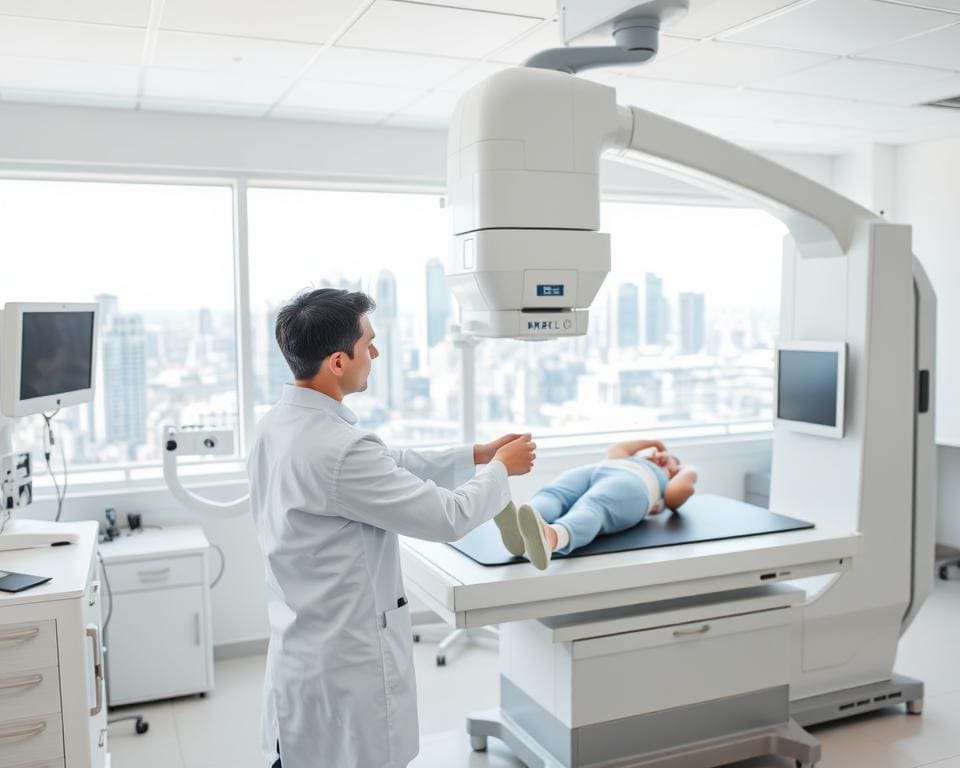
Embarking on a career as an X-ray technician presents a fulfilling opportunity to make a significant impact within the healthcare sector. In this article, we will guide you on how to become a x-ray tech, outlining the vital steps and qualifications needed to thrive in this dynamic field. The role of an X-ray technologist is crucial, providing essential support in patient diagnosis and treatment. Understanding the pathway to becoming a professional in this area will not only illuminate the career opportunities in radiography but will also enhance your x-ray technician job prospects. Let’s delve into the essential knowledge and skills required for success in this exciting career.
The Importance of X-ray Technologists in Healthcare
X-ray technologists play a vital role in healthcare, significantly impacting patient outcomes through their expertise in medical imaging. Their ability to produce clear and accurate images aids doctors in diagnosing various medical conditions, making their role in healthcare indispensable. Without the precision and skill of these professionals, many treatment plans may be delayed or inaccurate, leading to potential risks for patients.
The technology employed by X-ray technologists has evolved tremendously over the years, incorporating advanced modalities such as digital radiography and computed tomography. This progress underscores the importance of x-ray technologists in adapting to new techniques and equipment, ensuring they remain effective in their roles. Collaborating closely with physicians and other healthcare professionals, they contribute to a comprehensive approach to patient care.
With healthcare career prospects on the rise, pursuing a career as an X-ray technologist offers a promising path. The demand for skilled professionals in this field is increasing, driven by advancements in medical imaging technology and the growing need for diagnostics. Such developments point towards a bright future for those entering this profession, making it an attractive option for individuals passionate about healthcare and technology.

How To Become A Xray Tech
Gaining an understanding of the role of an X-ray technician is essential for anyone considering a career in this field. X-ray technicians are vital to providing accurate diagnoses through imaging procedures. Their expertise ensures that patients receive safe and effective care while allowing physicians to make informed decisions.
Understanding the Role of an X-ray Technician
The understanding role of an X-ray technician encompasses various tasks that contribute to patient care and safety. These professionals perform radiographic procedures, operate complex imaging equipment, and are responsible for maintaining the functionality of this equipment. They must possess essential skills, including technical proficiency, attention to detail, and strong communication abilities. Daily interactions with patients require empathy and the ability to put individuals at ease during what may be a stressful experience.
Key Responsibilities in Radiography
Key responsibilities in radiography include several critical areas that require dedicated attention. X-ray technicians must ensure that patients are positioned correctly for imaging to achieve clear and diagnostic results. Their role extends to:
- Preparing and maintaining imaging equipment
- Adhering to safety protocols to protect patients and staff from unnecessary radiation exposure
- Communicating effectively with patients to explain procedures and address any concerns
- Checking and verifying images for quality and accuracy
These responsibilities illustrate the importance of strong x-ray technician qualifications, as they directly impact the quality of care provided in healthcare settings. Each day presents new challenges and opportunities for X-ray technicians to make a meaningful difference in patient health.
Education Requirements for X-ray Technologists
Embarking on a career as an X-ray technologist involves understanding the essential education requirements necessary for success. Individuals who aspire to enter this rewarding field must meet specific qualifications for radiologic technologists. Education plays a pivotal role in equipping future professionals with the knowledge and skills required to excel in radiography.
Required Qualifications and Courses
The journey to becoming an X-ray technologist typically begins with obtaining relevant academic credentials. Most candidates are expected to complete their GCSEs, focusing on science and mathematics subjects. Following this, A-levels may enhance one’s prospects, although they are not universally mandatory. Key courses that prospective technologists should consider include:
- Anatomy and Physiology
- Radiographic Techniques
- Patient Care in Radiography
- Radiation Protection
These subjects provide a strong foundation for the practical skills and theoretical knowledge needed in the field.
Accredited Programs in the UK
Enrolling in accredited x-ray programs is crucial for those aiming to pursue a career as an X-ray technologist. Accredited institutions ensure that the education provided meets rigorous standards required by the industry. A few notable accredited x-ray programs in the UK include:
- University College London
- King’s College London
- The University of Manchester
- University of Bradford
Attending these institutions allows students to gain practical experience and build connections in the healthcare sector, which can be invaluable when seeking employment post-qualification.
Steps to Become a Radiologic Technologist
Embarking on the journey to become a radiologic technologist involves several critical steps. This profession requires a strong commitment to education and hands-on experience. Understanding the right educational path is vital for prospective X-ray technicians, providing them with the foundation needed for a successful career.
Choosing the Right Educational Path
The educational path for x-ray techs typically includes options such as diplomas, associate degrees, or bachelor’s degrees in radiography. Each path equips students with essential knowledge in anatomy, patient care, and imaging technologies. It is important to research accredited programs that align with individual career goals. Many students find that a degree offers broader opportunities, including advancement into specialised fields within radiology.
Standards for Clinical Training
Clinical training standards play a pivotal role in preparing students for the realities of the workplace. Practical experience in a clinical setting allows students to develop and refine their skills under the supervision of seasoned professionals. Most programs require a set number of clinical hours, ensuring that students are well-prepared before entering the workforce. Meeting these standards is crucial for ensuring that new radiologic technologists can deliver high-quality patient care.
X-ray Tech Certification Process
Embarking on the journey to become a certified X-ray technician involves various pivotal steps. The x-ray tech certification process is crucial for ensuring that professionals are equipped with the necessary skills and knowledge. This certification not only enhances job prospects but also plays a significant role in upholding patient safety and care standards.
Exam Preparation and Requirements
Preparing for the certification examination is a fundamental part of meeting the exam requirements for x-ray technicians. Candidates typically must undergo extensive study that encompasses the following areas:
- Radiation Physics
- Anatomy and Physiology
- Radiographic Procedures
- Patient Care and Safety
Utilising study guides, attending review courses, and participating in mock exams can significantly aid in your preparation. These strategies not only enhance understanding but also boost confidence on the examination day.
Continuing Education for Certification Renewal
Once certified, X-ray technicians must engage in ongoing professional development. Continuing education for radiologic technologists is essential for maintaining certification and staying updated with technological advancements and best practices in the field. Many certification bodies, including the Health and Care Professions Council (HCPC), stipulate specific hours of continuing education to ensure the workforce remains proficient and competent.
The commitment to lifelong learning reflects the dedication of X-ray technicians to provide exceptional patient care while adapting to the ever-evolving landscape of healthcare technology.
Career Path for X-ray Technician
The career path for an X-ray technician in the United Kingdom is filled with diverse opportunities and avenues for advancement. As a vital component of the healthcare team, X-ray technologists often find themselves on a journey that allows for specialisation in several areas, such as computed tomography (CT), magnetic resonance imaging (MRI), or mammography. These specialisations not only enhance the skillset of professionals but also expand their job opportunities within various healthcare settings, including hospitals, diagnostic imaging centres, and private practices.
As X-ray techs gain experience and expertise, they may step into roles with increased responsibility, including supervisory or managerial positions. Continuous education and training can foster growth, with many technicians opting to pursue advanced qualifications or even degrees in related fields. This commitment to professional development opens doors to higher salaries for X-ray techs, making for a rewarding career both personally and financially.