Learning how to build a wardrobe around your personal style is less about chasing trends and more about understanding what feels right on your body, in your routine and within your budget. A good wardrobe should make daily dressing calmer, not more complicated. With a clear sense of colour, shape and purpose, you can buy less, wear more and still feel genuinely yourself.
Start with self-awareness, not shopping
Before you add anything new, look at the clothes you already choose on ordinary days. Personal style is often hiding in plain sight: the jumper you reach for twice a week, the trousers that always feel easy, the coat that makes you stand taller. Separate these favourites from the pieces you avoid. Notice comfort, fabric, fit, colour and how each item suits your real life, not an imagined one.
Ask what your clothes need to do. A wardrobe for hybrid work, dog walks and dinners with friends will look different from one built for formal offices or school runs. Your personal style can include polish, practicality, playfulness or all three. The aim is not to label yourself forever, but to recognise the clothes that support the way you live now.
How to build a wardrobe around your personal style step by step
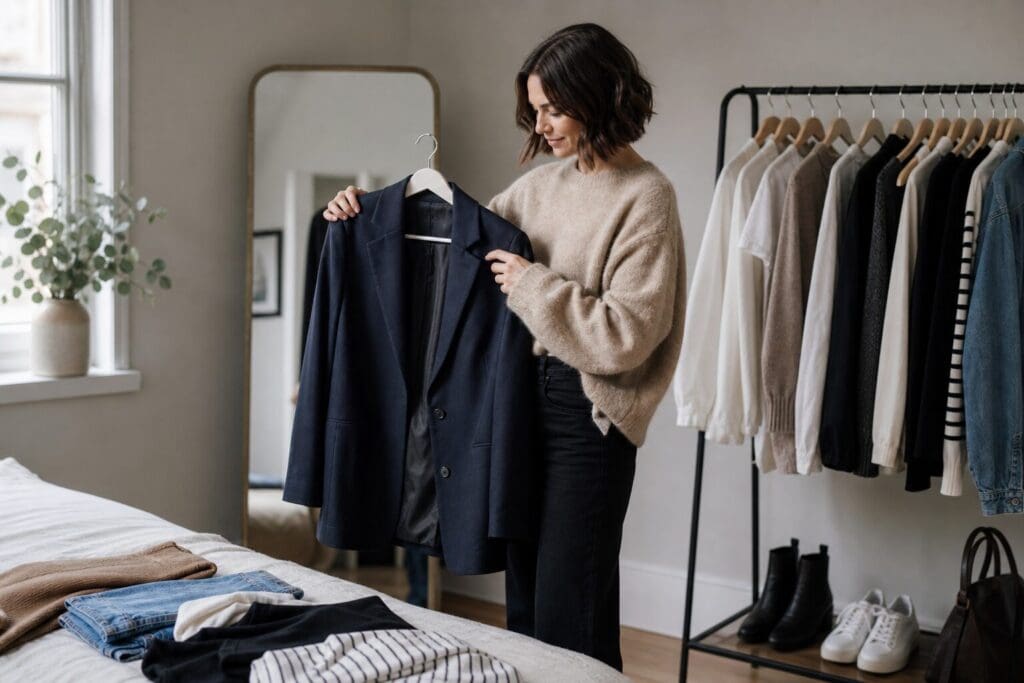
Once you understand your preferences, turn them into a simple wardrobe framework. Think in categories rather than outfits: tops, bottoms, layers, shoes and outerwear. Within each category, decide what silhouettes make you feel comfortable. You might prefer straight-leg jeans, soft shirts, midi skirts, relaxed tailoring or neat knitwear. Repeating shapes is not boring; it is how cohesion begins.
Use these questions to translate taste into practical choices:
- Which three colours do you wear without hesitation?
- Which fabrics feel good for a full day?
- Which fits make movement, sitting and layering easy?
- Which occasions actually fill most of your week?
- Which details, such as collars, pockets or prints, feel like you?
Your answers become a filter. If you love navy, cream and olive, a bright orange sale dress may not earn its place, however tempting the discount. If you dislike stiff waistbands, avoid buying them for your fantasy self. A strong wardrobe is built from repeated good decisions, not from dramatic overhauls or one perfect shopping trip.
Create a colour palette that works hard
Colour is one of the easiest ways to make separate pieces look intentional. Start with two or three base colours for items you wear often, such as coats, trousers, skirts and shoes. In the UK, practical bases often include black, navy, grey, denim, camel, cream or khaki, but choose according to your taste, laundry habits and climate.
Then add accent colours that bring energy to your outfits. These might appear in scarves, shirts, jewellery, trainers or knitwear. A small palette does not mean a dull wardrobe. It simply means most pieces can mix without effort. If you love print, keep one colour consistent across several patterns, so stripes, florals and checks can still live together.
Build outfits around anchors
Anchor pieces are the clothes that hold your wardrobe together. They are usually versatile, comfortable and easy to repeat. For one person, an anchor might be wide-leg trousers and loafers. For another, it could be a printed dress, leather jacket and ankle boots. The point is to identify the items that make your style recognisable, then build around them.
Choose quality where it matters
Spend more attention, not always more money, on pieces that take the most wear. Coats, shoes, bags, jeans and knitwear need to suit your body and your week. Check seams, linings, zips, fabric recovery and care labels. A cheaper item that needs constant replacing is not always better value than a considered one you wear for years.
Balance statement and simple pieces
Personal style needs contrast. If every item shouts, outfits can become tiring; if everything is plain, you may feel unfinished. Pair distinctive pieces with quiet ones. A bold blouse can work with classic denim. Patterned trousers may need a simple knit. A sculptural coat looks stronger over clean layers. This balance lets personality show without making dressing feel like a costume.
Edit before you add
A personal wardrobe improves when it has breathing space. Take out anything damaged beyond repair, uncomfortable, the wrong size or linked to a version of you that no longer exists. Store sentimental pieces separately if you cannot part with them. Seeing only wearable options makes gaps clearer: perhaps you have six evening tops but no warm everyday layer, or plenty of shoes but none for rain.
When you do buy, pause before paying. Can the item be worn with at least three things you own? Does it fit your palette, lifestyle and preferred shape? Will you care for it properly? This small check reduces impulse purchases and helps your wardrobe grow in a direction that feels steady, personal and useful.
Frequently Asked Questions
How do I find my personal style if I like many looks?
Look for common threads across those looks, such as colour, texture, mood or silhouette. You may enjoy variety, but repeated details will show what feels most authentic.
How many clothes should a personal wardrobe include?
There is no ideal number. The right amount depends on laundry, storage, work, climate and social life. Enough means you can dress comfortably without feeling overwhelmed.
Can I build personal style on a small budget?
Yes. Editing, repeating colours and buying second-hand or during planned sales can help. Fit, care and styling often matter more than constant newness.
Should I follow trends when building my wardrobe?
Trends can be enjoyable, but treat them as optional. Choose only the ones that suit your existing clothes, proportions, comfort and daily plans.
How often should I review my wardrobe?
A seasonal review is usually enough. Check fit, condition and gaps when weather changes, or after a major lifestyle shift. Keep notes on what you missed, not on what you think you should own. This keeps edits honest and calm.