Choosing the perfect sofa is one of the best decisions you can make for your living room. This short sofa buying guide will help you focus on what matters: fit, style, comfort and durability for UK homes.
Start by thinking about the room and practical limits. Measure room length, width and height, note door, staircase and lift widths, and photograph awkward corners. These simple steps cut the risk of buying a sofa that won’t fit through your front door or into a period hallway.
Next, consider your lifestyle. Do you need a child- and pet-friendly fabric, stain resistance or a sofa that withstands daily entertaining? Brands such as John Lewis, DFS and Made.com offer a range of options, but bespoke upholsterers or secondhand finds can also deliver a lasting, distinctive piece.
Finally, know what “perfect sofa” means for you: the right dimensions for your layout, a style that complements your décor, comfortable seat depth and back support, and materials suited to your household. Keep a tape measure, notepad and camera handy as you assess choices and compare offers.
Assessing your living room space and layout for sofa selection
Before you choose a sofa, take a clear-eyed look at your room. Accurate measuring sofa space and noting architectural features saves time and avoids awkward returns. Start with overall room length and width, ceiling height and any alcoves. Use a floor template of newspaper or tape to visualise the footprint and ensure the piece won’t dominate the area.
Measuring your room and doorways
Measure doorframes, corridor widths and stair turns. Compare these doorway measurements sofa with the sofa dimensions provided by retailers like DFS or Barker and Stonehouse. Note skirting board depth, radiator positions and lift or stairwell limits so delivery is feasible. Measure twice and record both the largest sofa you might want and a practical everyday size.
Understanding traffic flow and focal points
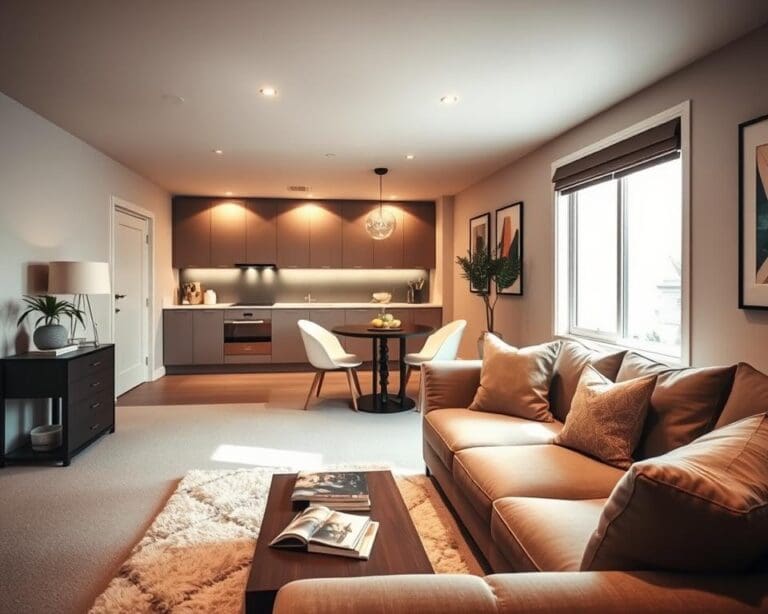
Map natural walkways and entry points so you keep at least 60–90 cm clear for comfortable movement. Identify the living room focal point sofa, whether a TV, fireplace or bay window, and orient seating to complement that view. In open-plan spaces, use the sofa to define zones without blocking flow; a back-to-back or sectional arrangement often works well.
Choosing the right sofa size and configuration
Match sofa length to the wall or area. Two-seaters suit small rooms while three-seaters fit medium lounges; corner sofas or modular sectionals suit larger families. Check sofa dimensions for armed width, seat depth and back height to ensure visual balance and comfort.
Think about flexibility and future moves. Modular systems let you reconfigure seating as needs change. For narrow access, consider sofas with removable legs, flat-pack options or specialist delivery. If mobility is a concern, prioritise seat height and firm armrests for easier standing.
perfect sofa: balancing style, comfort and practicality
You want a sofa that looks right, feels right and stands up to daily life. Use this short guide to match style with function so your living room works for everyone in your home.
Selecting a sofa style that complements your décor
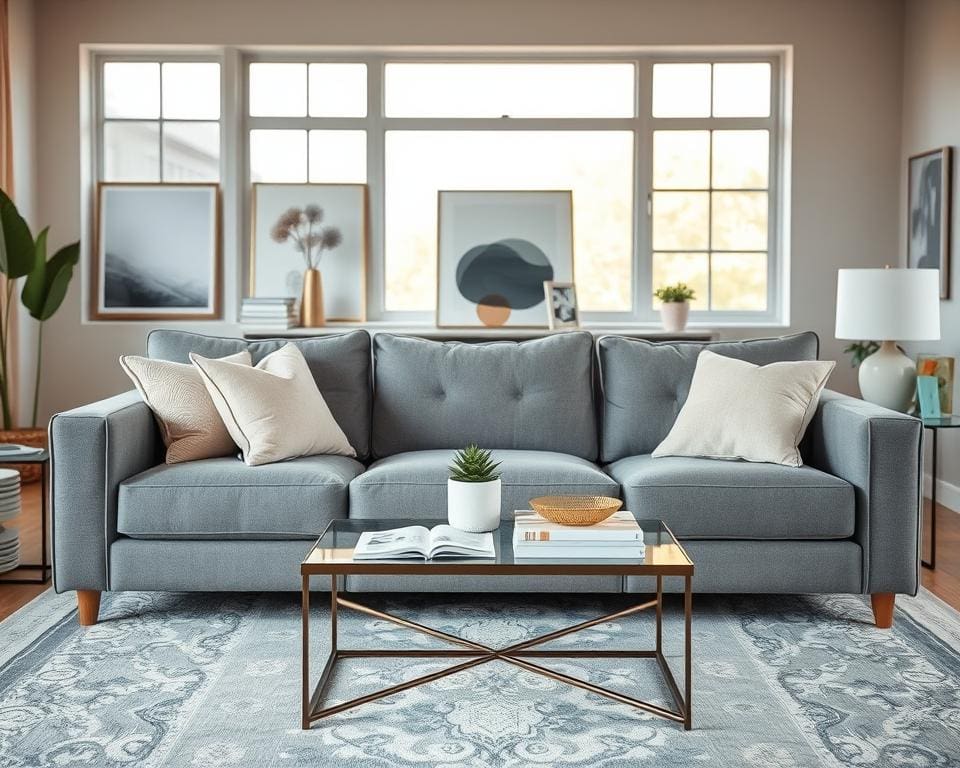
Identify the interior mood you prefer: contemporary, mid-century modern, Scandi or traditional. A mid-century look favours tapered wooden legs and compact silhouettes. Classic English sofas with rolled arms suit period homes and bay windows.
Pick colours and patterns with purpose. Neutrals like beige, grey and navy adapt to seasons and cushions. Bold fabrics become focal points when you want drama. Check ranges from John Lewis & Partners, Habitat, Made.com, DFS, Sofa.com and Loaf for real examples to test in your room.
Comparing materials and upholstery for durability
Think about sofa materials durability when choosing fabric or leather. Full-grain leather lasts and develops patina but can scratch. Performance textiles such as Crypton and Sunbrella resist stains and suit pets and children.
Inspect the frame and springs. Kiln-dried hardwood frames reduce warping. Premium sofas use 8-way hand-tied springs or pocket springs for better longevity than serpentine systems. Look for foam density figures and retailer warranties for assurance.
Comfort factors: seat depth, back support and cushioning
Follow a sofa comfort guide to choose seat height and depth. For TV viewing, seat depths of 45–55 cm work well. Lounging benefits from deeper seats of 60 cm or more. Try sitting for 10–15 minutes to judge support.
Decide between firmer foam and feather-wrapped cushions. Foam keeps shape longer. Feather mixes offer sink-in comfort but need plumping. Consider pocket-sprung seats for even weight distribution and better long-term support.
Maintenance and stain resistance for family homes
Look for stain-resistant sofas if you have young children or pets. Pre-treated fabrics and performance weaves help spills wipe away quickly. Leather is simple to wipe but needs conditioning.
Choose removable, machine-washable covers where possible. Vacuum regularly and treat spills promptly with recommended cleaners. For UK buyers, family-friendly sofas UK often list washability, pet-proof weaves and care advice in product descriptions.
Pick modular or replaceable cushions to extend lifespan. Check for certified materials and clear warranty terms before you buy so your sofa stays practical as your family’s needs change.
Budgeting, sourcing and making the final choice
Start with a clear sofa budget guide that reflects how long you expect the piece to last. Entry-level sofas (around £300–£700) will save money upfront but often use cheaper frames and foams. Mid-range options (£700–£2,000) usually offer kiln-dried hardwood frames and sprung seats. If you plan to keep a sofa for many years, consider premium pieces (£2,000+) with hand-tied springs and top-grade upholstery to lower your cost-per-year.
Factor in the total cost: delivery, assembly, protective treatments, extra cushions or a matching footstool can add hundreds to the bill. Look at value versus price by prioritising frame quality and spring or cushion construction over short-lived trends. If financing helps, research sofa financing carefully and read interest terms; avoid high-rate credit unless essential.
Decide where to buy sofa UK by comparing high-street and online retailers such as John Lewis & Partners, DFS, Habitat, Oak Furniture Land, Made.com and Sofa.com. Check reviews, warranties and delivery services. For a bespoke sofa UK or unique proportions, contact local upholsterers or independent makers who can work with heritage fabrics from Colefax & Fowler or Romo. Secondhand sofas from Gumtree, Facebook Marketplace or charity shops can offer solid frames at lower cost, but always inspect for structural integrity, pests and damp.
Before you buy, run a short checklist: confirm overall and entry dimensions, fabric code and care instructions, frame materials and warranty, seat cushioning specs and spring system, plus delivery and return policies. Sit in-store for an extended period and request fabric swatches to view at home. Time your purchase around sales and ask about price matching or removal of old furniture. Aftercare—rotating cushions, using throws or arm caps and professional cleaning every 12–24 months—will keep your sofa looking and feeling its best long term.