
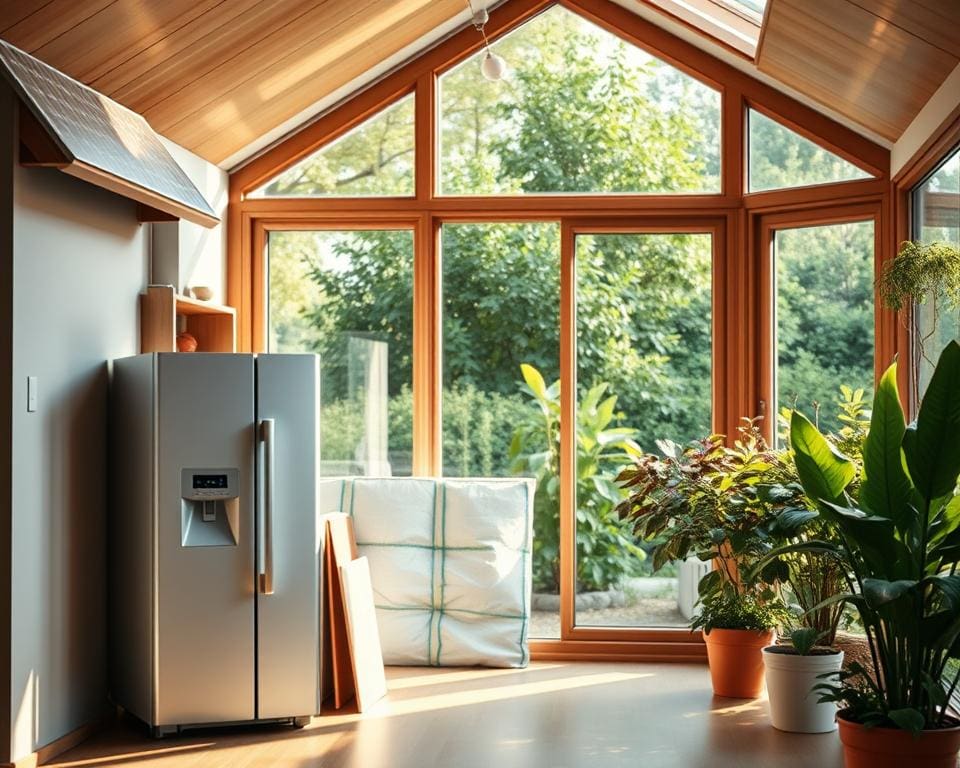
As we navigate through a year marked by growing environmental awareness, enhancing the energy efficiency of our homes becomes increasingly vital. The pursuit of eco-friendly homes through energy saving tips is not merely a trend; it represents a commitment to sustainable living that benefits both our pockets and the planet. By adopting targeted strategies to improve energy efficiency, homeowners can significantly lower their energy bills and reduce their carbon footprint while creating a more comfortable living space for themselves and future generations.
Understanding Energy Efficiency
Understanding the concept of energy efficiency is essential for creating a sustainable and eco-friendly home. This principle revolves around utilising less energy to complete the same tasks, leading to both financial savings and a reduced environmental footprint. As you explore the various aspects of energy efficiency, consider the positive impact it can have on your lifestyle and the planet.
What is Energy Efficiency?
Energy efficiency can be defined as the practice of using less energy to accomplish the same level of activity. This is possible through improvements in technology, design, and daily practices. By focusing on energy-efficient appliances, enhanced home insulation, and efficient energy systems, homeowners can significantly reduce energy consumption without sacrificing comfort or performance.
Benefits of an Energy Efficient Home
The benefits of energy-efficient homes extend beyond mere cost savings. Here are some of the most significant advantages:
- Lower Utility Bills: Reduced energy consumption results in decreased monthly expenses, leaving extra money for other necessities.
- Environmental Impact: Embracing eco-friendly practices contributes to a healthier planet by lowering greenhouse gas emissions.
- Increased Comfort: Improved insulation and energy systems lead to a more comfortable living environment, with consistent temperatures throughout the year.
- Higher Property Value: Homes with energy-efficient features often command higher prices and appeal to environmentally conscious buyers.
How to make your home more energy efficient this year?
Enhancing energy efficiency in your home begins with a keen understanding of how energy is consumed. A meticulous approach aids in revealing opportunities for energy-saving improvements. Start this transformative journey with a thorough energy audit that illuminates the specifics of your home assessment.
Start with an Energy Audit
Conducting an energy audit is pivotal for identifying where energy is being wasted within your residence. Homeowners can opt for a DIY audit using various online tools or engage professionals for comprehensive assessments. Each method offers unique insights, ensuring every corner of your home is examined for potential energy losses.
Identify Areas of Improvement
Once the energy audit is complete, focus shifts to pinpointing areas ripe for enhancement. Common findings may include outdated appliances, insufficient insulation, or inefficient heating systems. Addressing these issues through targeted energy-saving improvements can drastically reduce overall energy consumption, leading to both environmental benefits and lower bills.
Upgrade Your Heating System
Transforming your home’s heating system is a crucial step towards energy efficiency. Choosing the right components can create a comfortable environment while significantly lowering energy bills. Two modern advancements stand out in this realm: energy-efficient boilers and smart thermostats.
Energy-Efficient Boilers and Radiators
Investing in energy-efficient boilers can lead to substantial savings on heating costs. Models such as condensing boilers and combi boilers are exemplary choices due to their high efficiency ratings. They are specifically designed to utilise energy more effectively, providing warmth without excessive expenditure.
Proper maintenance of radiators complements these boilers and ensures optimal performance. Outdated radiators often fail to distribute heat efficiently. Therefore, considering newer radiator designs can improve heat distribution, enhancing overall comfort in your living spaces.
Smart Thermostats for Optimal Control
Smart thermostats represent a significant leap forward in managing heating systems. These devices allow homeowners to monitor and schedule heating with precision. By learning your habits and adjusting accordingly, smart thermostats can ensure that heating only occurs when necessary, leading to increased energy savings. With just a few taps on your smartphone, you can enhance your home’s energy efficiency while maintaining a cosy atmosphere.
Improve Insulation and Sealing
Enhancing home insulation is a critical step towards achieving energy efficiency. Proper insulation not only increases comfort but also significantly reduces energy costs. Understanding the various insulation types available can empower homeowners to make informed choices that best suit their needs.
Types of Insulation Materials
When selecting insulation types, it’s vital to consider materials such as fibreglass, foam board, and spray foam. Each material offers unique benefits and specific R-values, which indicate their effectiveness in resisting heat flow.
Importance of Sealing Drafts
Another crucial aspect of home insulation involves sealing drafts. Gaps or cracks in windows, doors, and walls can lead to significant energy loss. Properly sealing these areas enhances energy efficiency and ensures that homes remain warm during colder months.
Utilise Energy-Efficient Appliances
In the quest for an energy-efficient home, selecting the right appliances plays a crucial role. Upgrading to energy-efficient appliances can significantly lower your energy consumption while maintaining performance. Look for models that are ENERGY STAR® certified to ensure that they meet stringent energy efficiency guidelines.
Choosing the Right Appliances
When it comes to modern living, several appliances can enhance your home’s efficiency. Common options include:
- Washing machines that minimise water and energy usage
- Refrigerators designed to use less electricity
- Dishwashers that operate with improved energy efficiency
- Ovens that promote eco-friendly cooking
These energy-efficient appliances not only contribute to lower energy bills but also support a sustainable lifestyle.
Understanding Energy Ratings
Familiarising yourself with energy ratings is key to making informed decisions. Energy ratings provide insight into the appliance’s efficiency and help you compare different eco-friendly devices. Appliances are often rated on a scale, with a higher rating indicating better efficiency. This awareness empowers you to choose products that align with your commitment to reducing environmental impact.
Incorporate Renewable Energy Sources
Transitioning to renewable energy sources is an empowering choice for homeowners seeking to enhance energy efficiency. As the world turns towards more sustainable practices, integrating solutions like solar panels and home wind turbines plays a significant role in reducing carbon footprints and electricity costs.
Solar Panels: A Sustainable Choice
Solar panels offer a remarkable opportunity to harness clean energy directly from sunlight. By installing solar panels, homeowners can not only lower their energy bills but also contribute positively to the environment. Many local governments provide incentives and grants, making this transition even more attainable. This sustainable choice enables families to take charge of their energy usage, significantly offsetting costs while promoting the adoption of renewable energy.
Wind Turbines for Home Energy
Home wind turbines represent another innovative avenue for generating renewable energy on residential properties. These turbines, designed for home use, can capture wind energy and convert it into usable electricity. While the initial investment may be a consideration, the long-term savings and environmental benefits make them an enticing option. Home wind turbines not only reduce reliance on non-renewable energy sources but also enhance self-sustainability and resilience against fluctuating energy prices.
Enhancing Natural Light and Ventilation
Creating a living space that embraces natural lighting and effective home ventilation can significantly improve the quality of life. These elements contribute not only to aesthetic appeal but also to various health benefits, making your home a more pleasant and energising environment.
Benefits of Natural Lighting
Maximising natural lighting allows for a more vibrant atmosphere while minimising the need for artificial lighting during the day. Strategies for enhancing natural light include:
- Installing larger windows to capture more sunlight
- Adding skylights for direct overhead light
- Utilising light tubes to channel light into darker areas
By embracing these solutions, one can create a bright, inviting space that uplifts spirits and fosters creativity.
Ventilation for a Healthier Home
Proper home ventilation plays a critical role in maintaining air quality and reducing indoor pollution. Adequate airflow helps diminish the build-up of allergens and moisture, contributing to several health benefits. Incorporating strategies such as:
- Opening windows for cross-ventilation
- Utilising exhaust fans in kitchens and bathrooms
- Installing air exchange systems for consistent fresh air circulation
Implementing these practices enhances not only the comfort of your home but also promotes a healthier way of living.
Smart Home Technology for Energy Savings
The integration of smart home technology is revolutionising energy efficiency, providing homeowners with innovative solutions to enhance energy savings. Home automation systems empower you to monitor and control energy consumption from wherever you are, ensuring that you are not wasting resources unnecessarily. By automating heating, lighting, and even appliance usage, these smart devices help maintain optimal performance throughout your home.
For example, smart thermostats learn your heating preferences and can adjust settings automatically to match your lifestyle, significantly reducing energy waste. By scheduling heating and cooling according to your daily routine, you not only improve comfort but also reap substantial energy savings over time. Furthermore, smart lighting systems enable you to control brightness levels and create schedules to ensure lights are only on when needed, reducing electricity bills.
Incorporating smart home technology is an investment in both comfort and savings. The ease of home automation allows you to make real-time adjustments with a simple tap on your smartphone or voice command. Embracing these technologies not only elevates the living experience but solidifies your commitment to a more sustainable and energy-efficient home.