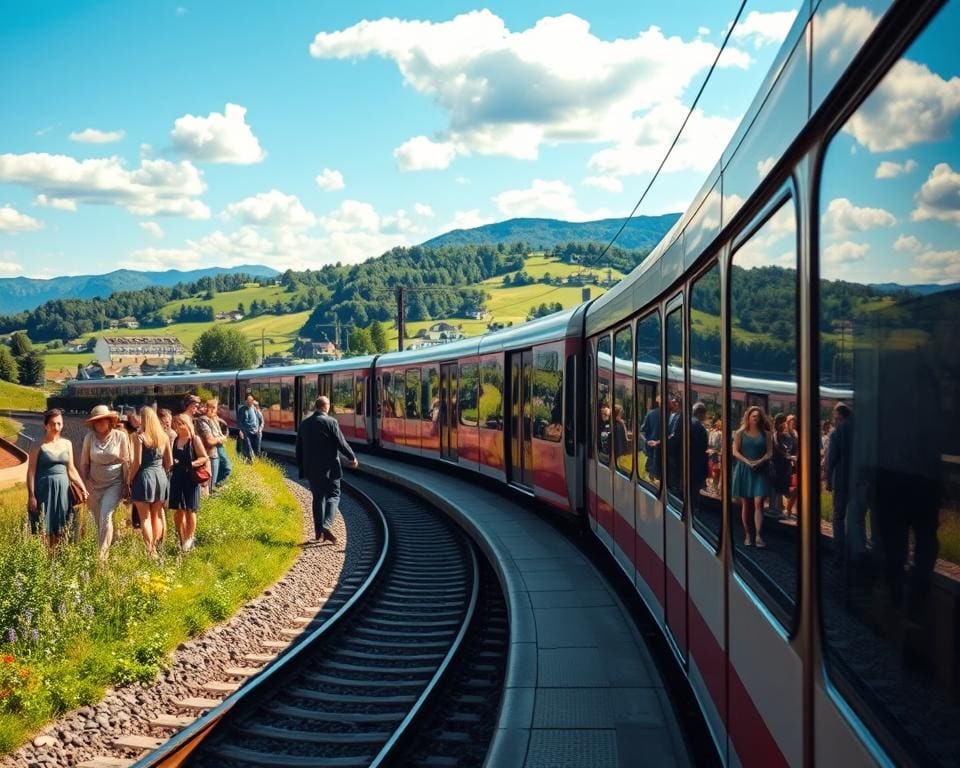
Europe train travel offers a simple, scenic and often greener way to move between cities. You arrive in the heart of towns, enjoy frequent services and can choose anything from high‑speed intercity links to regional lines that cross countryside. Compared with flying, rail reduces your carbon footprint and opens up routes where the journey is part of the pleasure.
This concise guide is for independent travellers, couples, families, budget backpackers and anyone keen to replace internal flights with rail. You will find practical train travel Europe tips to make planning easier, whether you favour Eurail or Interrail passes, sleeper services or single tickets.
Expect to meet major operators such as Eurostar, SNCF, Deutsche Bahn, RENFE, Trenitalia, ÖBB, SBB and regional names like Nederlandse Spoorwegen and Comboios de Portugal. You will also learn about European sleeper trains, including popular nightjet services, and how pan‑European ticket schemes work for different passports and travel styles.
The article covers three core themes: rail trip planning and ticketing, packing and safety on board, and ways to deepen local experiences from station to station. Section 2 explains route planning and booking, Section 3 focuses on packing, comfort and keeping valuables safe, and Section 4 shows how to use rail travel to connect with local life and make the most of every stop.
Planning your route and tickets for Europe train travel
Deciding how to move between cities shapes your whole trip. Start with the big picture: how many countries you want to visit, how many travel days you expect and whether flexibility or savings matter most. Sketch a simple itinerary, note long high-speed legs and regional hops, then compare options before you buy.
Choosing between passes and point-to-point tickets
A rail pass such as an Interrail pass gives you flexible travel across many countries on a set number of days. You can hop on spontaneous journeys and change plans with little fuss. Passes suit multi-country, multi-leg itineraries where convenience beats the lowest fare.
Point-to-point tickets cover single journeys at specific times. These often work best for shorter trips or when you have a few long-distance transfers. Booking advance fares Europe on high-speed services like TGV, ICE or AVE can save you a lot if you book weeks ahead.
Remember seat reservations. Eurostar, Thalys and some TGV and AVE services require reservations even when you hold a pass. Add reservation fees into any pass vs ticket comparison so your cost calculation is accurate.
How to book international and regional trains
Use official operator websites such as Eurostar, SNCF, Deutsche Bahn, Renfe, Trenitalia and ÖBB for reliable timetables and direct fares. The eurail.com and interrail.eu sites serve pass holders. Third-party services like Trainline or Rail Europe simplify multi-operator journeys but may add service fees.
For cross-border planning, Deutsche Bahn’s search engine and the Rail Planner app are very useful. They show combined routes and often reveal sensible itineraries that mix operators. For regional train booking, buy on the day via national apps or station kiosks; last-minute regional tickets are usually the same price as earlier purchases.
Choose ticket delivery that suits your route: e‑tickets and mobile QR codes are standard. Print-at-home remains necessary on some services. Save copies offline so you can access them in border areas or places with limited signal.
If you travel from the UK on Eurostar, check passport rules post-Brexit and confirm ID checks for your nationality. Verify visa needs if you are not a UK or EU citizen.
Timing your journeys to avoid peak travel days
Peak travel Europe falls in July and August, school holiday weekends, Christmas and New Year, plus major events in cities. Trains fill quickly on those dates. Travel mid-week or at off-peak times such as early morning or late evening to find quieter carriages and lower fares.
For busy scenic routes like the Glacier Express or Bernina Express, book early and reserve seats. Popular night trains and cross-border day services can sell out well in advance.
Season affects reliability. Winter weather can disrupt alpine services. Shoulder seasons in spring and autumn usually offer better weather, fewer crowds and lower prices. Subscribe to operator newsletters and follow national rail Twitter/X accounts for strikes and service alerts.
Packing, comfort and safety on European trains
Travelling by rail across Europe is simple when you pack smart and stay alert. A clear train packing list Europe helps you avoid last-minute scrambles and keeps essentials close at hand. Below you will find practical items and quick tactics to make day trips and night journeys smoother and safer.
What to pack for day and overnight train trips
For day trips, carry a compact daypack, refillable water bottle and snacks. A power bank and headphones keep devices charged and journeys peaceful. Pack lightweight layers since carriages vary in temperature. Keep passport or ID and your printed or mobile tickets in an easy-to-reach pocket.
For overnight travel, add travel-sized toiletries, an eye mask and earplugs. Bring a change of clothes and a thermal layer for cooler nights. A small towel, hand sanitiser and a pill organiser are useful. Include a lockable luggage strap or cable for added security on sleeper services. This night train packing approach covers most scenarios on couchettes and private sleepers.
Keeping valuables safe and organised
Use overhead racks for lighter bags and luggage racks at carriage ends for suitcases. Keep passport, wallet and phone in an anti-theft cross-body bag or waist pouch while you move. Use packing cubes or organisers to separate electronics, documents and clothing for fast access.
For extra security, carry cable locks and small padlocks for zipped compartments. RFID-blocking sleeves protect cards and documents. Don’t sleep with valuables exposed. If your compartment locks, place important items under your pillow or in a locked case. Be extra cautious in busy hubs such as Paris Gare du Nord, Barcelona Sants and Rome Termini; pickpockets often work in crowded concourses.
Comfort tips for long-distance and sleeper services
Choose your class based on comfort and budget. First class gives wider seats, more space and quieter carriages. Couchettes and private sleepers vary in privacy and facilities. Reserve a window seat to rest against and book a table if you need to work.
Stay hydrated and move regularly to reduce stiffness on long journeys. Walk between carriages for a few minutes each hour. Many long-distance trains have Wi‑Fi, power sockets and dining cars, but services vary by operator. Carry snacks for late-night trips.
On night trains, follow staff guidance for bedding and luggage stowage. Wear quiet clothing and minimise light and noise to respect other passengers. Use a small door alarm or keep a cable lock handy on sleeper cabins as part of your sleeper train essentials. These simple steps improve comfort and help protect your belongings when you travel.
Making the most of the experience and local connections
Train travel connects you straight into city centres, so you arrive close to markets, neighbourhoods and public transport without the fuss of airport transfers. Use station tourist offices for maps and local advice; staff can point out station highlights and the best local rail connections to reach lesser-known areas. Choosing trams and buses over taxis helps you see daily life and saves money.
Split long rail days with overnight stops to soak up culture and avoid travel fatigue. For example, pause between Paris and Nice, or add Salzburg when crossing Austria. Night services such as ÖBB Nightjet and the Caledonian Sleeper can turn a travel day into a night’s sleep, saving on accommodation and giving a memorable slow travel Europe experience.
Seek regional lines for authentic scenery and fewer crowds: branch lines in Tuscany, Portugal’s Douro Valley trains, the Bergen Railway and Norway’s regional routes, or the Bar–Belgrade corridor in the Balkans. Iconic options like the Glacier Express, Bernina Express, West Highland Line and the Cinque Terre locals offer some of the best scenic train routes Europe has to offer for relaxed, photogenic travel.
Practical tips make the journey smoother. Buy regional day passes where useful, check platform displays for last-minute changes, and keep luggage and valuables with you when leaving a carriage. Carry digital and printed copies of travel insurance and documents. Talk to fellow passengers and staff — personal tips often lead to the most rewarding train travel experiences Europe can deliver.