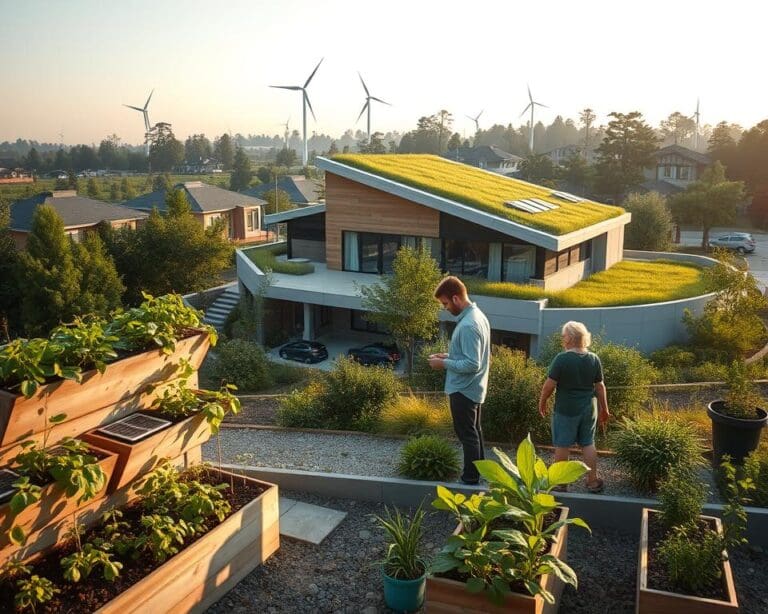
Modern trends in home sustainability mean more than single upgrades. In the United States, they describe a systems-based approach that cuts carbon, saves water and energy, and improves indoor health. This shift makes sustainable homes 2026 practical for new builds and retrofits alike.
Major drivers shape this movement: state and municipal emissions goals, rising utility costs, updates to the International Energy Conservation Code and state stretch codes, and financial incentives such as federal tax credits for solar and efficiency. Programs like California’s clean energy rebates and New York’s NY-Sun push builders and homeowners toward eco-friendly home trends.
Measurable outcomes matter. Professionals use HERS, ENERGY STAR for Homes, PHIUS Passive House standards, LEED for Homes, and Net Zero Energy certification to guide choices on insulation, air sealing, ventilation, and on-site generation. These frameworks make green home design decisions clear and verifiable.
Industry adoption is visible across the market. Large production builders now offer energy-efficient packages, modular and prefab firms integrate sustainable systems, and manufacturers such as Owens Corning, CertainTeed, and DuPont advance high-performance materials. Homeowners can move from simple retrofits to whole-home upgrades with predictable benefits.
For inspiration and practical ideas, explore how natural materials, smart controls, and flexible layouts combine to support sustainable living United States-wide, and see examples of interior choices that pair style with responsibility at interior trend resources.
What are modern trends in home sustainability?
Homes today pair design with purpose to cut energy use, lower emissions, and improve comfort. Builders, designers, and homeowners choose materials and systems that work together. This short guide highlights practical trends you can use to make a home greener and smarter.
Energy-efficient building materials
The building envelope is vital. High-performance insulation options such as spray foam, high-density fiberglass, aerogel products, and exterior continuous insulation like rigid foam or mineral wool are common choices.
Advanced framing reduces thermal bridging and cuts material waste. Triple-glazed windows with low-E coatings and warm-edge spacers improve comfort and reduce drafts.
Specifying low-carbon, durable products is rising. Cross-laminated timber offers lower embodied carbon than concrete or steel in many cases. Homeowners select low-VOC paints and finishes certified by GREENGUARD and wood certified by the Forest Stewardship Council to protect indoor air quality and sourcing.
Air sealing, continuous insulation, and thermal-bridge-free detailing help homes reach Passive House levels or meet strict state efficiency codes. These measures work with high-performance insulation to shrink heating and cooling needs.
Smart home energy management
Connected systems give owners control and insight. Home energy management systems and smart thermostats like Google Nest and ecobee optimize HVAC runtime and schedules to cut waste.
Smart meters, load-control devices, and clear energy dashboards show patterns. Demand-response participation and time-of-use strategies let smart appliances shift loads to off-peak hours, saving money and reducing grid strain.
Pairing batteries such as Tesla Powerwall or LG Chem with solar arrays enables backup power and peak shaving. Aggregated virtual power plant programs can pay homeowners for providing grid services.
Strong data practices matter. Interoperability standards like Matter help devices work together while protecting user privacy and ensuring that smart home energy management systems remain secure.
Renewable energy integration
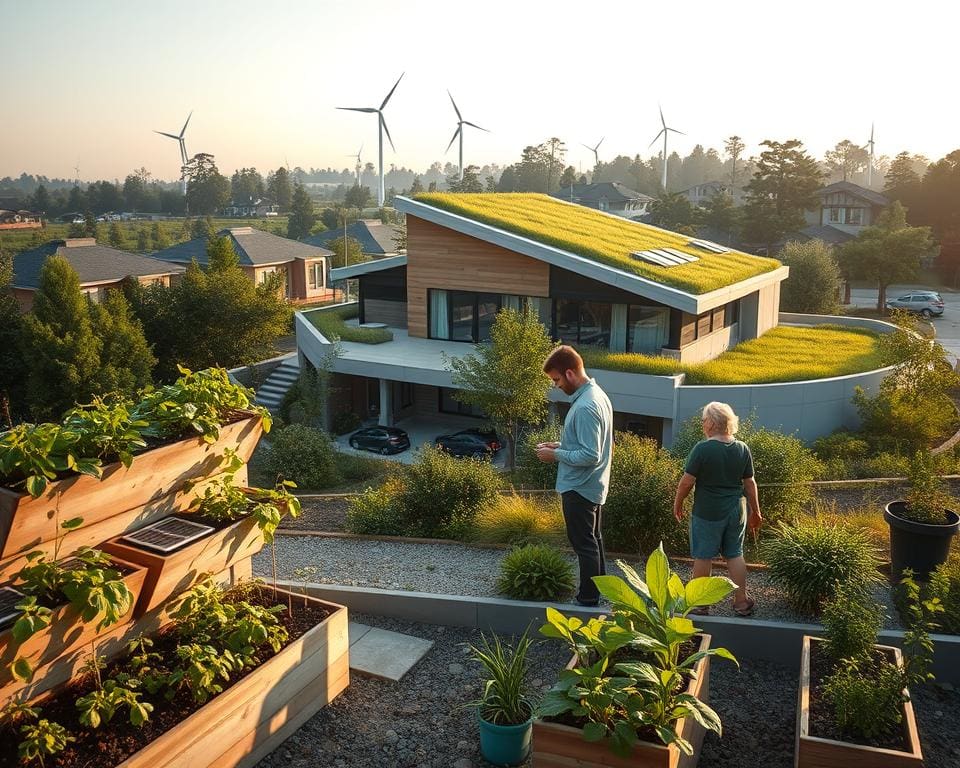
Residential solar integration continues to grow across rooftop PV, solar shingles like the Tesla Solar Roof, and community solar for renters. System size depends on home load, roof orientation, and local incentives.
Microgeneration beyond solar has niche appeal. Small wind turbines and micro-hydro suit select rural sites where wind or water resources are reliable.
Electrification supports decarbonization. Heat pump adoption for heating and hot water, paired with induction cooktops, lets homes run on clean electricity and maximize benefits from on-site renewables.
Policy shapes adoption. Net metering changes, state clean energy mandates, and the Inflation Reduction Act’s residential clean energy tax credits influence payback and system sizing decisions.
Water conservation and sustainable landscaping for modern homes
Smart water planning turns a yard into a resilient part of the home. Practical choices indoors and out cut utility bills, support local ecosystems, and ease pressure on municipal systems. The steps below show how a water conservation home can use design, technology, and plants to thrive in dry years and wet.
Efficient fixtures and indoor water reuse
Start with low-flow faucets and WaterSense-labeled showerheads. Choose high-efficiency toilets such as dual-flush models or 1.28 gpf units. ENERGY STAR dishwashers and clothes washers cut water and energy at the same time.
Use demand-controlled recirculation pumps or point-of-use tankless water heaters to reduce wasted hot water. Insulate hot water lines to save seconds and energy when you turn a tap.
Graywater systems reuse laundry and shower water for irrigation. Advanced treatment units can expand reuse to other nonpotable needs. Regulations differ by state and locality; California offers clear rules for residential reuse, so check permitting early.
Rainwater harvesting with rooftop catchment and cisterns adds supply for irrigation and some indoor nonpotable uses. Simple filters and proper sizing make rooftop collection practical for many homes.
Drought-tolerant and native planting
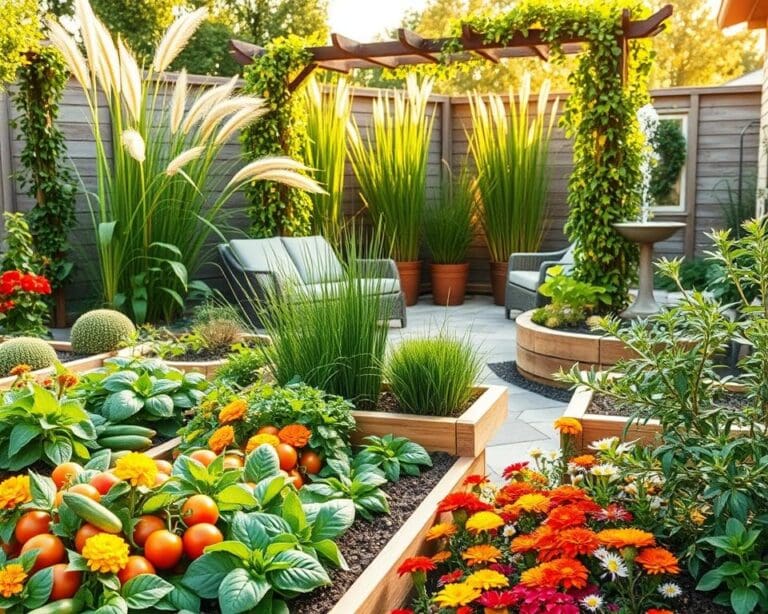
Choose native and regionally adapted species to cut irrigation needs and support pollinators. California native plant programs and xeriscaping principles guide plant selection in arid climates.
Install smart irrigation controllers like Rachio, paired with drip lines and soil moisture sensors. Zone landscapes by water need to avoid overwatering lawns and beds.
These plantings offer more than water savings. They lower maintenance costs, provide habitat for birds and bees, and can store carbon in soil and roots.
Permeable surfaces and stormwater management
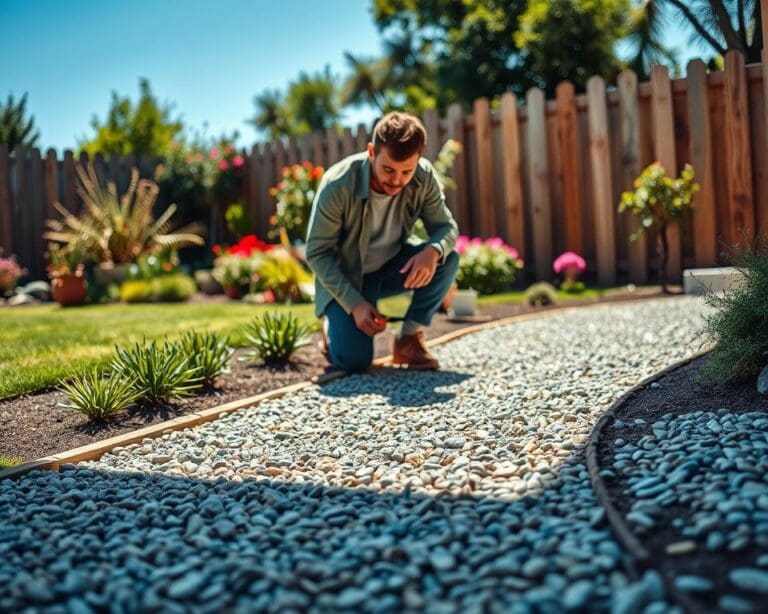
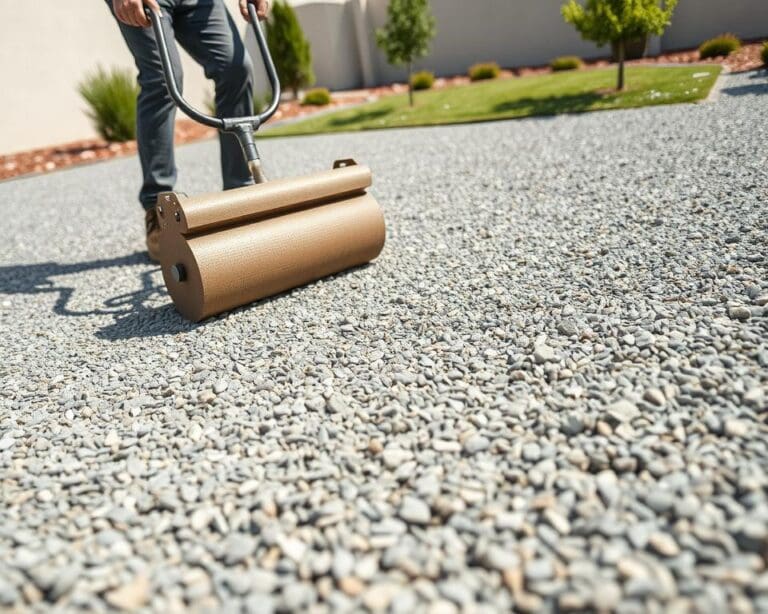
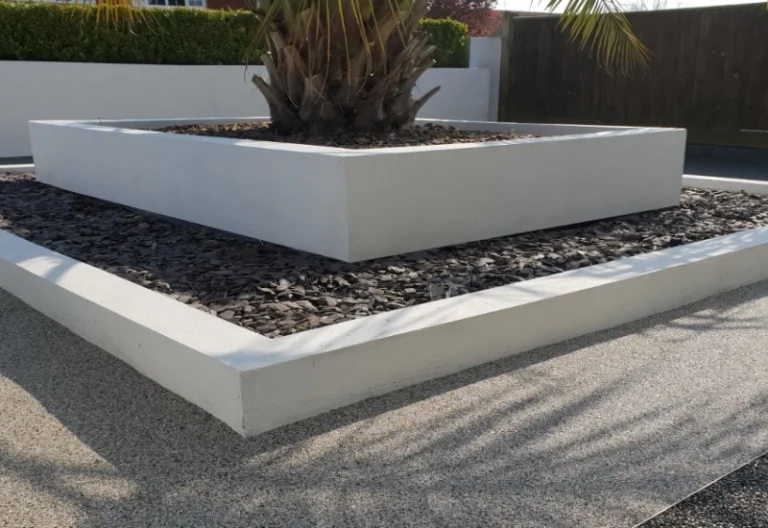
Permeable pavement, porous asphalt, and permeable pavers let rain soak into the ground instead of running off. Mulch, vegetated swales, and rain gardens further slow flow and filter pollutants.
Green roofs and bioswales reduce burden on municipal systems while improving water quality. On-site measures support stormwater management residential goals and recharge local aquifers.
Many cities offer stormwater credits or require low-impact development standards for new builds. Portland and Seattle have strong programs that reward on-site management, making it easier to justify upfront costs.
Healthy indoor environments and circular living
Healthy indoor environments start with attention to indoor air quality and material choices. Follow ASHRAE 62.2 ventilation guidance and consider energy-recovery ventilators (ERVs) or heat-recovery ventilators (HRVs) to bring fresh air in without wasting heating or cooling energy. Use MERV-rated filters for general particulate control and HEPA units where occupants have allergies or asthma.
Choose low-toxicity materials like low-VOC paints, formaldehyde-free cabinetry, and GREENGUARD-certified products to cut chemical exposure. Moisture control is crucial: proper flashing, vapor control layers, and good drainage prevent mold and structural damage. Small tools such as indoor humidity sensors help homeowners monitor conditions and act quickly to maintain safe air.
Circular living extends wellness into how we source and manage materials. Prioritize sustainable materials reuse through reclaimed wood, salvaged brick, and modular systems designed for disassembly. Builders can reduce waste with deconstruction instead of demolition, on-site sorting, and partnerships with reuse non-profits like Habitat for Humanity ReStores.
Product stewardship and resale markets keep materials in use longer and lower costs over time. Look for take-back programs from manufacturers and modular appliances that are repairable. Combining these strategies supports healthier homes, boosts local green jobs, and creates resilient communities—an approach explored further in this interior design guide to improving daily living.