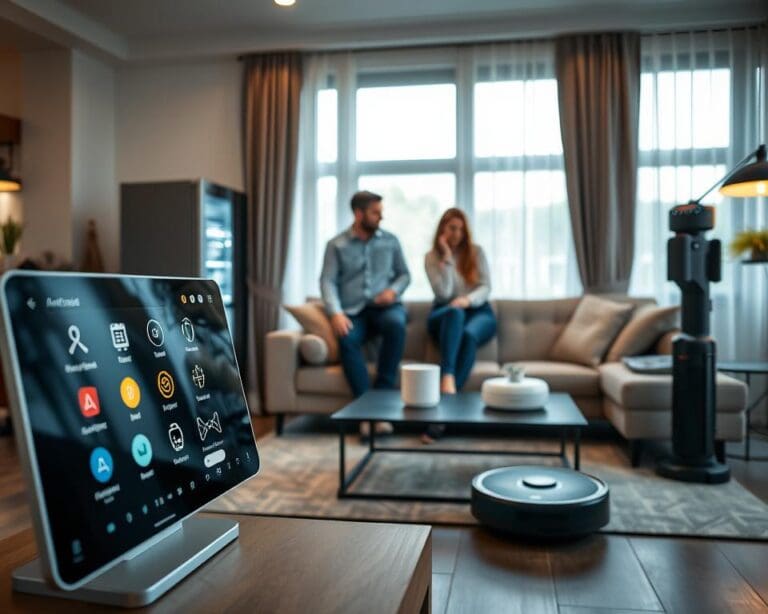
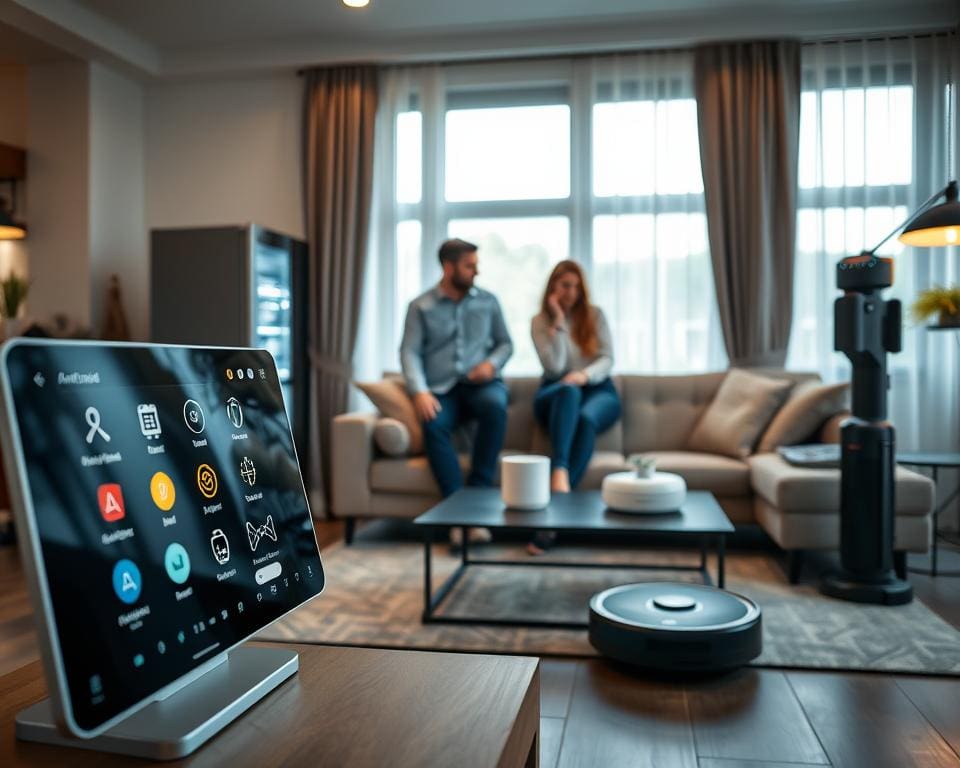
Smart home solutions for modern living combine devices and systems to automate, monitor, and optimize daily life. These connected home setups link lighting, climate, security, entertainment, appliances, and accessibility tools through centralized control. Homeowners use apps, voice assistants, and hubs to run routines that save time and reduce hassle.
In practical terms, smart thermostats such as Nest and Ecobee cut energy waste and lower bills. Security choices like Ring, Arlo, and August improve safety with cameras and smart locks. Voice platforms from Amazon Alexa, Google Assistant, and Apple Siri turn tasks into quick voice commands and free up hours each week.
Modern living automation fits busy households, remote work routines, aging-in-place needs, and sustainability goals. Common entry points—smart speakers, smart bulbs, reliable Wi‑Fi routers, and smartphone apps—scale from a few devices into whole-home ecosystems that grow with your needs.
This article will define smart home solutions and core technologies, explore popular real-world use cases, and offer practical planning, installation, and maintenance tips to maximize long-term home automation benefits.
What are smart home solutions for modern living?
Smart home solutions blend hardware, software, and services to make daily life simpler, safer, and more efficient. This short introduction explains what these systems do, how they work, and why homeowners are adopting them across the United States.
Defining smart home solutions
Defining smart home solutions means describing devices and platforms that communicate over networks like Wi‑Fi, Bluetooth, Zigbee Z-Wave Thread to deliver automation, remote control, and intelligence. A connected devices definition splits items into standalone smart devices that depend on cloud services and integrated systems that use a smart home hub for local automation and interoperability.
Core components and technologies
Smart home components fall into clear categories: sensors (motion, door/window, water leak, temperature), actuators (smart plugs, relays), smart lighting and switches, climate devices such as smart thermostats and vents, security gear like cameras and doorbells, and entertainment hardware like smart TVs and multiroom speakers.
Wireless protocols matter for performance. Use Wi‑Fi smart devices for cameras and streaming that need high bandwidth. Bluetooth and Bluetooth Low Energy suit close-range pairing. Zigbee Z-Wave Thread power low-energy mesh networks for battery sensors and switches. Thread offers IP-based mesh networking that supports modern ecosystems and Matter for cross-brand compatibility.
Gateways and a smart home hub translate protocols, enable local automations, and tie voice assistants to hardware. Home Assistant and Hubitat provide local control for privacy-focused users. Vendors such as Samsung SmartThings, Apple HomeKit, and Amazon Echo with Zigbee act as central hubs for many homeowners.
Supporting infrastructure includes reliable broadband, robust Wi‑Fi coverage with mesh systems like Eero, Google Nest Wifi, or Netgear Orbi, power management such as UPS for critical hubs, and professional wiring or smart-switch retrofits where needed.
Benefits for everyday life
Smart home benefits show up as hands-free control, remote monitoring, and automated routines for morning scenes, arrival modes, and away energy-saving behavior. Energy savings smart home features include programmable thermostats like Ecobee and Nest that learn occupancy and reduce HVAC costs using geofencing and adaptive schedules.
Enhanced security comes through smart doorbells and cameras from Ring and Arlo, and smart locks by August and Schlage Encode that offer keyless entry and temporary visitor codes. Smart home convenience appears in scheduled appliances, voice-activated media, and interoperability that removes repetitive tasks.
Assisted living technology brings practical value for older adults and caregivers. Voice control, automated door openers, and fall-detection sensors support independence and remote monitoring. These capabilities improve comfort, add appeal to a property, and can influence resale value.
- Privacy and security basics: firmware updates, strong Wi‑Fi passwords, network segmentation, two-factor authentication, and choosing vendors with reliable security patches.
- Cloud vs. local: cloud services add remote features and analytics at the cost of latency and privacy; local processing improves reliability and keeps sensitive data on-premises.
- Market context: adoption is rising, third-party integrations expand, and falling costs make smart tech accessible to mainstream homeowners.
Popular smart home solutions and real-world use cases
Smart home tech now touches every room. This section walks through practical systems you can add today, from lighting that sets mood to sensors that support aging in place smart home setups. Each example names devices and shows how they work together to simplify daily life.
Smart lighting and ambiance control
Smart lighting gives you precise ambiance control for wake-up routines, movie nights, and party scenes. Popular smart bulbs from Philips Hue and LIFX pair with smart switches and dimmers like Lutron Caseta and Leviton to create schedules, scenes, and Circadian lighting.
Use automated wake-up routines with gradually increasing light, vacation lighting schedules for presence simulation, and color-changing effects for alerts. Motion sensors and occupancy detection cut waste by turning lights off when rooms are empty.
When retrofitting, choose smart bulbs for simple setups or replace switches when you need whole-circuit control. Check dimmer compatibility with LED loads and confirm neutral wire needs, or select battery-powered wireless switches if wiring is limited.
Climate control and energy efficiency
Smart thermostats like Nest thermostat and Ecobee adapt heating and cooling around real use. Pair them with smart vents and zoning systems to move conditioned air where it matters.
Whole-home energy management tools such as Sense and Emporia track consumption and reveal high-usage devices. Smart water heaters and integrations with solar and battery storage enable demand-response behavior during peak rates.
Combine smart thermostats with smart vents and ceiling fans for zoned comfort. Use energy monitors to spot heavy loads and set automations for time-of-use electricity. Verify HVAC compatibility and C-wire needs before installation and hire pros for complex zoning work.
Security and monitoring
Smart security blends cameras, locks, and sensors to protect people and property. Video doorbells and indoor/outdoor cameras let you verify visitors in real time. Smart locks provide remote access for contractors or family.
Choose devices such as Ring, Arlo, or SimpliSafe for DIY installs, or opt for professionally monitored systems from ADT or Vivint for contract-backed service. Include contact and motion sensors, glass-break detectors, and smart smoke/CO alarms like Google Nest Protect for layered safety.
Respect privacy by placing cameras away from neighbors and private spaces and follow local laws on audio recording. Enable two-factor authentication, keep firmware current, and segment critical devices on separate networks to reduce attack surfaces.
Entertainment and whole-home audio
Whole-home audio brings music to every room with systems from Sonos and Denon HEOS. Smart speakers such as Amazon Echo and Google Nest Audio add voice control. Pair multiroom speakers with smart TV integration and streaming device options like Roku, Apple TV, or Chromecast for seamless playback.
Create synchronized playback across rooms, set room-based listening, and use scenes that combine lighting and audio for movie nights. Consider Wi‑Fi bandwidth and latency; Sonos uses its own mesh for stability, while AirPlay 2 and Chromecast offer wide compatibility.
Balance audio quality with ecosystem needs. A smart soundbar fits many budgets, while AV receivers support full surround systems for dedicated home theaters.
Kitchen and appliance automation
The smart kitchen adds convenience and status awareness. Smart appliances include Wi‑Fi refrigerators, smart ovens from major brands, connected dishwashers, and countertop devices like Instant Pot Wi‑Fi and June Oven.
Use remote preheat, grocery reminders from a smart refrigerator, and scheduled coffee brewing to streamline routines. Integration with recipe apps and voice assistants provides hands-free guidance and timers during cooking.
Expect higher upfront costs and cloud-dependent features for some devices. Protect privacy with careful account and data settings and choose appliances that match your ecosystem.
Accessibility and assisted living features
Smart home accessibility improves independence and supports assisted living technology. Voice-controlled lights and smart thermostat adjustments reduce physical strain. Smart locks can grant timed caregiver access and fall-detection wearables can trigger home alerts.
Routines from Amazon Alexa or Google can cue medication reminders and daily schedules. Sensors that detect prolonged inactivity can notify designated contacts or caregivers, creating an aging in place smart home that stays connected to support networks.
When integrating health data, prioritize consent, secure sharing, and compliance with privacy expectations. Work with healthcare providers when remote monitoring is part of chronic condition management.
How to plan, install, and maintain smart home systems for lasting value
Start smart home planning by listing what matters most: security, energy savings, comfort, or accessibility. Set a realistic budget and choose a phased roadmap—begin with easy wins like a smart thermostat or smart lock, then expand to whole-home scenes. Favor Matter adoption and Thread-capable devices where possible to keep options open as your system grows.
When you install smart home gear, follow a “network first” approach. Ensure strong mesh Wi‑Fi, place routers and hubs centrally, and consider a dedicated IoT VLAN or guest network for security. For hardwired upgrades, hire an electrician to confirm neutral wiring for smart switches or plan PoE and battery backups for critical cameras and hubs.
Secure commissioning and smart home maintenance are ongoing. Change default passwords, enable two-factor authentication, and document credentials in a secure vault. Keep firmware up to date, enable automatic updates where safe, and track vendor support lifecycles to avoid orphaned devices. Local controllers like Home Assistant or Hubitat help preserve automations if cloud services falter.
Plan for lifecycle and return on investment: budget initial setup versus operating costs such as cloud storage or monitoring fees, and expect to refresh routers and major devices every four to seven years. Inform insurers about professionally installed security systems for possible discounts and prepare clear system documentation for resale. For practical examples of devices and integrations, see this guide on smart home gadgets from EvoVivo: smart home gadgets. Design around human needs—comfort, safety, and sustainability—to ensure lasting value and flexibility as standards evolve.