LED lighting has moved from a niche option to the leading choice for homes, offices, and industrial sites across the United States. This introduction answers the core question: what are the advantages of LED lighting and why it matters for U.S. homeowners, business owners, architects, and facility managers.
At its heart, LED benefits center on energy-efficient lighting and longer service life. Modern LED fixtures deliver high lumens per watt, which directly lowers electricity use and reduces bills. They also offer rated life measured in tens of thousands of hours, cutting maintenance needs in commercial and municipal settings.
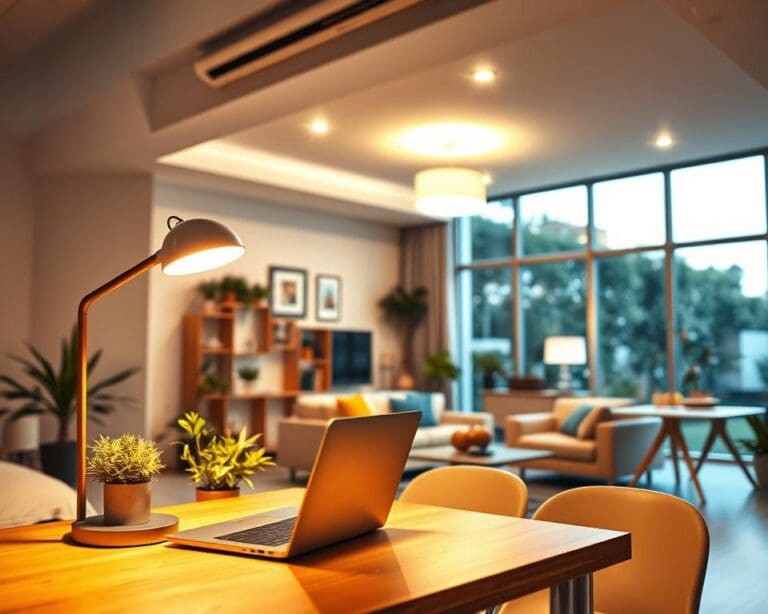
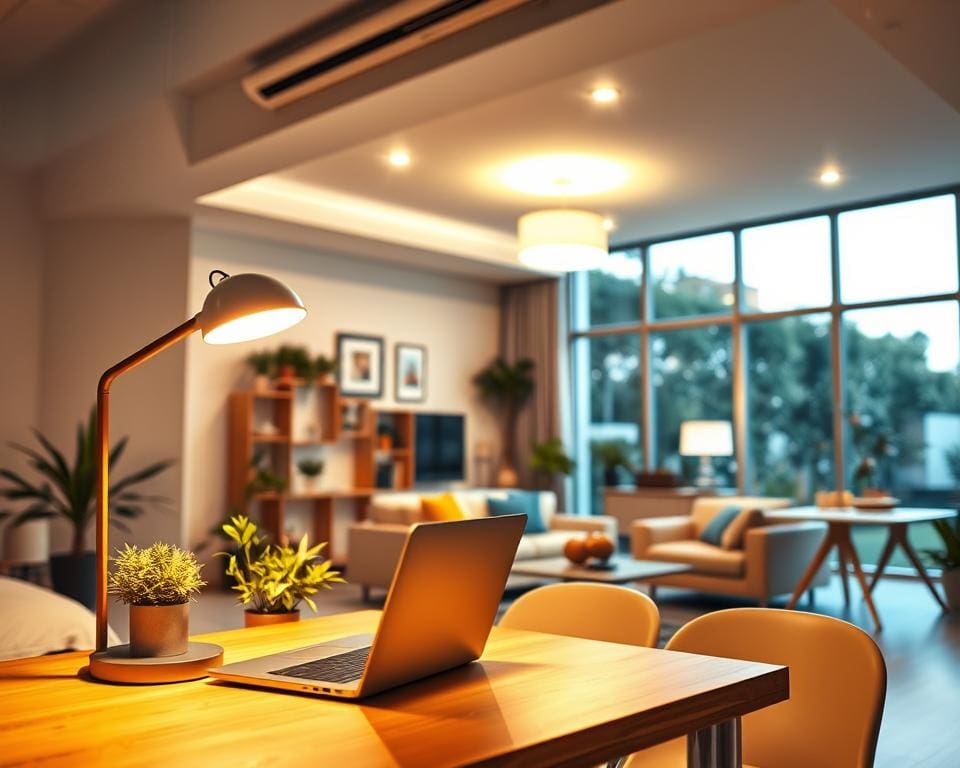
Beyond efficiency, LED lighting advantages include better light quality and design flexibility. You can choose correlated color temperature from warm to daylight and high CRI values for accurate color rendering. These qualities make LEDs ideal for retail displays, office task lighting, and residential living spaces.
There is growing urgency in the U.S. to adopt energy-efficient lighting. Rising electricity costs and federal and state incentives from programs such as ENERGY STAR and the U.S. Department of Energy encourage upgrades. Utilities like Pacific Gas & Electric and Consolidated Edison offer rebates that make LED retrofits more affordable.
To compare products, look at lumens (light output), lm/W for efficiency, CCT in Kelvins, CRI up to 100, and rated life in hours. Leading authorities such as the DOE, ENERGY STAR, and the Illuminating Engineering Society, along with manufacturers like Philips, Osram, and Cree Lighting, provide benchmarks for reliable performance.
What are the advantages of LED lighting?
Switching to LEDs reshapes how homes and businesses use light. Small changes in fixtures and controls can cut energy use and improve comfort while supporting modern design goals.
Energy efficiency and lower electricity bills
LEDs convert a larger share of electricity into visible light than incandescent or fluorescent lamps. Typical LED bulbs rated 10–20W deliver lumen levels similar to 60–100W incandescent bulbs. Commercial LED fixtures often exceed 100 lm/W, while many fluorescent troffers range from 40–80 lm/W. These performance differences drive measurable savings.
When combined with dimming, occupancy sensors, and daylight harvesting, LEDs reduce runtime and amplify savings. Utility and federal rebate programs, plus ENERGY STAR guidance, can shorten payback periods. For practical tips on whole-home efficiency that include LED upgrades, visit making your home more energy efficient.
Longer lifespan and reduced maintenance
Many LED lamps are rated for 25,000–50,000+ hours. High-quality fixtures can reach 50,000–100,000 hours. Incandescent bulbs last about 1,000 hours and CFLs commonly last 8,000–15,000 hours. Longer life cuts replacement frequency and labor costs, a major advantage in warehouses, retail centers, and street lighting.
Lumen maintenance metrics such as L70 and L90 show how LEDs hold light output over time instead of failing abruptly. Manufacturers often back products with 3–10 year warranties, giving building owners confidence in long-term performance and lower inventory needs.
Environmental benefits and reduced carbon footprint
Lower electricity consumption from LEDs reduces greenhouse gas emissions when power comes from fossil-fuel sources. Agencies such as the DOE and EPA note that replacing older lights with LEDs can significantly shrink building energy use. Less frequent replacements mean fewer raw materials and less waste across a product’s life.
LEDs contain no mercury like CFLs, making disposal safer and recycling simpler. Cities and utilities are shifting to LED street and traffic lighting to meet sustainability goals and cut maintenance budgets.
Improved light quality and design flexibility
LEDs offer high color rendering, with CRI options up to 90+, which enhances visibility and presentation in retail, hospitality, healthcare, and homes. Tunable white LEDs enable warm-to-cool settings for task work or circadian-supportive scenes.
Small form factors allow linear strips, recessed downlights, slim panels, and sculptural fixtures that were hard to achieve with older lamps. Dimmability, precise optics, and RGB/RGBW options expand lighting design flexibility for façades, signage, and immersive interiors. These features boost both aesthetic impact and functional control while maintaining excellent LED light quality.
Practical applications and cost considerations for homeowners and businesses
LED lighting unlocks clear benefits in homes, offices, and public spaces. This section maps common LED applications and the cost trade-offs to help you choose the right approach for projects large and small.
Where LEDs make the biggest impact
In residences, LEDs excel in high-use spots: general-purpose bulbs, recessed cans, under-cabinet task lights, porch fixtures, and landscape lighting. Replacing frequent-use incandescent lamps with LEDs reduces maintenance and improves comfort.
For retail, offices, warehouses, hospitals, and schools, LEDs offer better light control and lower operating cost. Troffers and panels brighten workspaces. Track and accent fixtures enhance displays. High-bay LEDs suit warehouses and manufacturing plants.
Municipal upgrades like streetlights, traffic signals, and sports field lighting deliver strong savings because they run long hours. Hospitality venues gain from tunable warmth and accenting without extra heat load.
Upfront cost vs. long-term savings
LEDs usually cost more to buy than incandescent or CFL options. Total cost of ownership tends to be lower because LEDs use less energy and last far longer. Replacing 100 incandescent bulbs with 10W LED equivalents can cut lighting energy by 70–80% and shorten the LED payback period to between 1 and 5 years depending on use and incentives.
Key variables that shape LED cost savings and the LED payback period include hours of operation, local electricity rates, rebate availability, product quality, and installation complexity. Financing options can reduce or remove upfront expense.
- Utility rebates and on-bill financing
- PACE programs and energy service companies (ESCOs)
- Performance contracting for municipal and large commercial projects
These pathways let businesses and cities upgrade with little or no capital outlay while capturing long-term savings.
Choosing the right LED products
Select LEDs based on lumens for desired brightness and lumens per watt for efficiency. Choose correlated color temperature (CCT) around 2700K–3000K for warm residential spaces and 3500K–5000K for task or commercial areas. Aim for CRI ≥80 for general use and CRI ≥90 when color accuracy matters.
Check dimmer compatibility, beam angle, IP rating for outdoor or wet locations, and warranty terms. Trusted labels include ENERGY STAR for lamps and fixtures, and DesignLights Consortium (DLC) listings for many commercial fixtures. UL or ETL safety listings matter for installation compliance.
Decide between retrofitting existing luminaires and replacing fixtures. Retrofits can lower short-term cost. Full fixture replacement often improves thermal management and extends life span, enhancing LED cost savings over time.
- Test a small sample before a full rollout
- Verify dimmer and control compatibility to avoid flicker
- Work with licensed electricians for commercial installs
- Secure rebate pre-approval to maximize incentives
For homeowners hunting the best LED bulbs for home, prioritize trusted brands and ENERGY STAR models. Commercial LED lighting selection should focus on efficacy, warranties, and DLC listings to protect long-term performance and returns.
Smart LED technologies and future trends
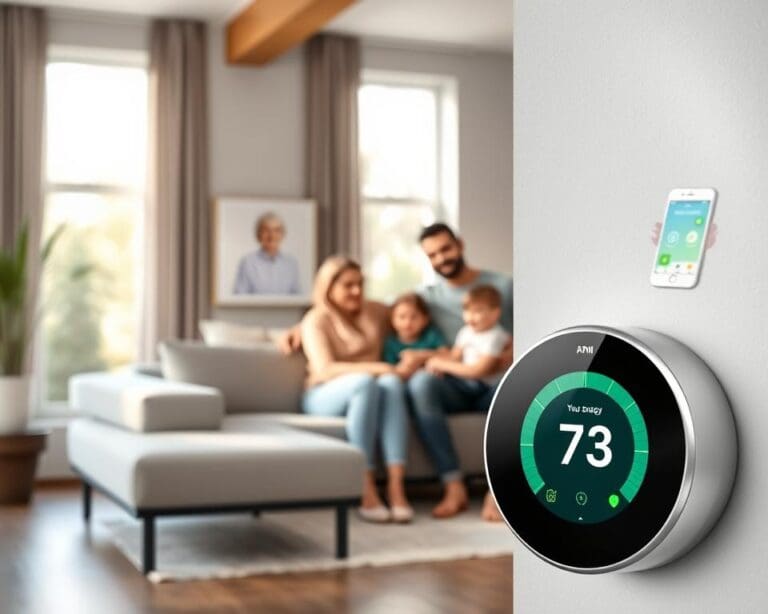
Smart LED lighting blends efficient LEDs with controls and connectivity to create flexible, responsive spaces. Wired protocols like DALI and DMX sit alongside wireless options such as Bluetooth mesh, Zigbee, Z-Wave, Wi‑Fi, and LoRaWAN to enable scheduling, scenes, occupancy sensing, daylight harvesting, and remote management. These connected lighting systems reduce energy use and let building managers push updates or respond to faults faster.
Tunable LED and human-centric lighting shift color temperature and intensity over the day to support alertness, circadian rhythm, and comfort. Schools, hospitals, and modern offices are adopting tunable LED fixtures to improve mood, focus, and sleep patterns. When paired with sensors, IoT lighting can adjust automatically for occupancy and daylight, making spaces both healthier and more efficient.
LED luminaires are increasingly platforms for sensors and communications. They carry air quality monitors, occupancy detectors, and indoor positioning services, which helps facilities optimize HVAC, maintenance, and asset tracking. To protect those gains, choose vendors that follow open standards, provide firmware updates, and prioritize cybersecurity so the system remains interoperable and secure.
The future of LED technology points to higher lm/W efficacy, better color rendering, falling component costs, and sleeker fixture integration. Growth areas include horticulture lighting, human-centric systems, micro-LED displays, and smart street poles that combine lighting with 5G and EV charging. For U.S. homeowners and businesses, plan upgrades around ENERGY STAR or DLC-listed products, favor integrated controls or standard protocols, and check local incentives—smart choices today deliver long-term savings and adaptability. Learn more about connected home benefits at smart home gadgets that simplify everyday.