
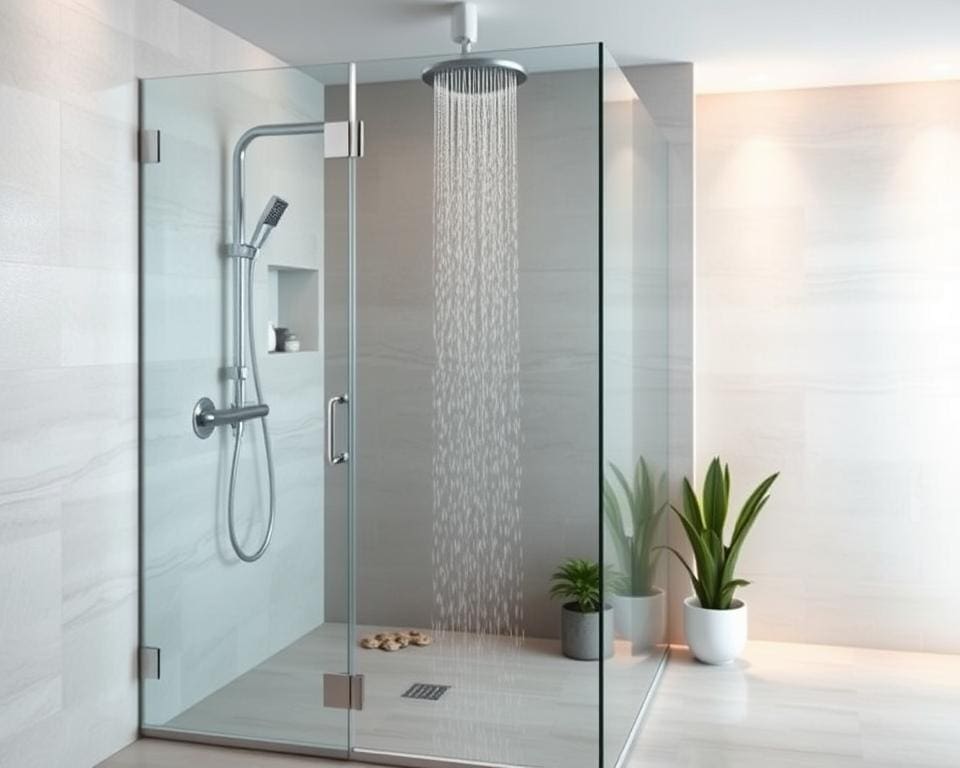
Walk-in showers transform an everyday routine into a restorative moment. By definition, a walk-in shower is a bathing area with no high curb or step, often frameless or with a low-threshold entry, built for easy entry and exit. Common types include curbless showers, low-threshold prefabricated bases, and barrier-free tiled pans. These designs follow accessibility standards such as ADA guidelines and recommendations from the National Kitchen & Bath Association for clearances, bench seating, and grab bar placement.
This article outlines the core walk-in shower benefits and the advantages of walk-in showers for homeowners who want style and function. We will explore accessibility and universal design, improved safety and fall prevention, daily comfort with therapeutic gains, and the design plus practical benefits like easier maintenance, stronger resale value, and water efficiency. Each section shows how modern shower advantages can lift both daily life and long-term home value.
Across the United States, aging-in-place trends and shifting buyer preferences are driving demand for accessible shower benefits. Many remodels that add universal-design features recoup value at resale, and the walk-in shower pros—comfort, safety, and contemporary aesthetics—appeal to a broad range of buyers. The goal is simple: combine functionality with elevated design to make every shower feel like a small, personal spa.
What are the benefits of walk-in showers?
Walk-in showers transform bathrooms into accessible, safe, and restorative spaces. They remove barriers, simplify daily routines, and let homeowners plan for long-term living without expensive retrofits. Thoughtful design brings measurable gains in comfort, health, and independence.
Enhanced accessibility and universal design
Removing a tub curb or installing a curbless threshold makes entrances easier for people who use wheelchairs, walkers, or canes. The Americans with Disabilities Act and the National Kitchen & Bath Association recommend at least 36-inch clearances and roll-in options for bathrooms, with 30″ x 60″ turning spaces when feasible.
Common accessibility elements include built-in or fold-down benches, handheld showerheads on slide bars, lever-style faucets, non-slip textured surfaces, strategically placed grab bars, curbless drains, and wider doorways. These features fit well into a universal design bathroom and support aging in place. Homeowners can often find federal or state home modification grants and tax incentives to help offset costs.
Improved safety features and fall prevention
Design choices cut slip-and-fall risks by using textured tiles or natural stone with a suitable coefficient of friction and by sloping floors for proper drainage, typically about 1/4″ per foot. Linear or trench drains reduce pooling, which lowers hazards.
Secure grab bars anchored into studs or reinforced blocking, thermostatic mixing valves to prevent scalding, and curbless thresholds all add layers of protection. A fall prevention shower that reduces steps and improves surfaces can help lower hospital visits for older adults, who face a high rate of bathroom injuries.
Daily comfort and therapeutic advantages
Modern walk-in designs can turn a shower into a restorative retreat. Multi-function showerheads, body sprays, steam modules, built-in seating, and integrated niches enhance convenience and calm. These therapeutic shower features support respiratory relief, skin hydration, muscle relaxation, and safer seated bathing.
Practical customizations include pressure-balancing valves, water-saving aerators, and adjustable water pressure. Such options improve hygiene, conserve water, and boost walk-in shower safety while delivering spa-like comfort every day.
Design and aesthetic benefits of modern walk-in showers
Modern walk-in shower design turns a functional space into a focal point. Clean lines, open sightlines, and careful material choices let a bathroom feel larger and calmer.
Visual openness and the illusion of space
Frameless glass panels and curbless thresholds remove barriers and create seamless flow from floor to shower. Minimal hardware keeps visual clutter low, so small bathrooms read as spacious and luxurious. Wet-room layouts, partial glass walls, and recessed niches give storage without closing the space in.
Lighting plans matter for perceived volume. Recessed fixtures, LED strips in niches, and under-bench illumination prevent harsh shadows and enhance the open feel.
Customization and style flexibility
Walk-in shower styles range from Scandinavian minimal to industrial chic. Large-format porcelain, ceramic tiles, marble, slate, and glass mosaic accents let homeowners shape mood and texture.
Built-in benches, recessed niches, linear drains, multiple shower heads, and steam options make the space personal and practical. Coordinate finishes—Chrome, brushed nickel, matte black, oil-rubbed bronze—from brands like Kohler, Moen, Delta, and Grohe to create harmony with other bathroom hardware.
Natural light and materials that elevate ambiance
Maximizing bathroom natural light lifts color and reduces moisture build-up that leads to mold. Consider frosted privacy glass, transom windows, or skylights to bring daylight into the shower while keeping privacy intact.
Choice of shower materials and finishes shapes warmth and feel. Warm-toned stone and wood-look tiles create coziness. Cool marble and glass deliver a spa-like calm. Porcelain offers low maintenance where porous natural stone needs sealing.
For practical renovation steps that balance aesthetics and function, read guidance from reliable renovation resources such as how to start renovating your bathroom.
Practical advantages: maintenance, resale value, and efficiency
Walk-in shower maintenance is simpler by design. Fewer seams, larger-format tiles, and frameless glass cut down on places where mold and mildew form. Choosing glazed porcelain, solid-surface pans, and epoxy-sealed grout keeps surfaces nonporous and easy to wipe. For longevity, pick corrosion-resistant hardware like stainless steel or brass and proven waterproofing systems such as Schluter-KERDI or NobleSeal, installed by a licensed professional.
Cleaning a low-maintenance shower becomes routine instead of a chore. Squeegee glass after each use, use pH-neutral cleaners on tile and stone, and reseal grout and natural stone on a schedule. Maintain ventilation with an exhaust fan sized to room CFM requirements to control humidity and prevent damage. These small habits reduce repair costs and extend fixture life.
Walk-in showers often boost shower resale value because they appeal across generations. Young buyers favor modern, minimalist finishes while older buyers prize accessibility and safety. Neutral tile palettes, tasteful frameless glass, and optional ADA-compliant features broaden marketability. Documenting permits and professional installations reassures buyers and can improve appraisal outcomes in many U.S. markets.
Energy efficient bathroom upgrades can pair luxury with conservation. WaterSense showerheads, low-flow options that preserve pressure, thermostatic valves to limit wasted water, and tankless water heaters all cut utility bills. Remodel costs vary by materials and labor, but savings from reduced maintenance and water use offset expenses over time. Get multiple bids, follow local permit rules, and consider phased upgrades—adding a bench and handheld now, glass later—to manage costs while increasing long-term value.