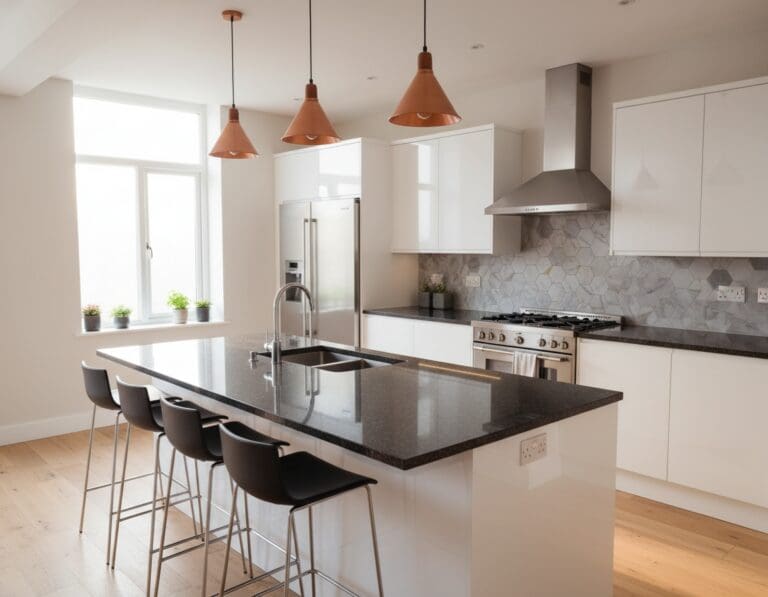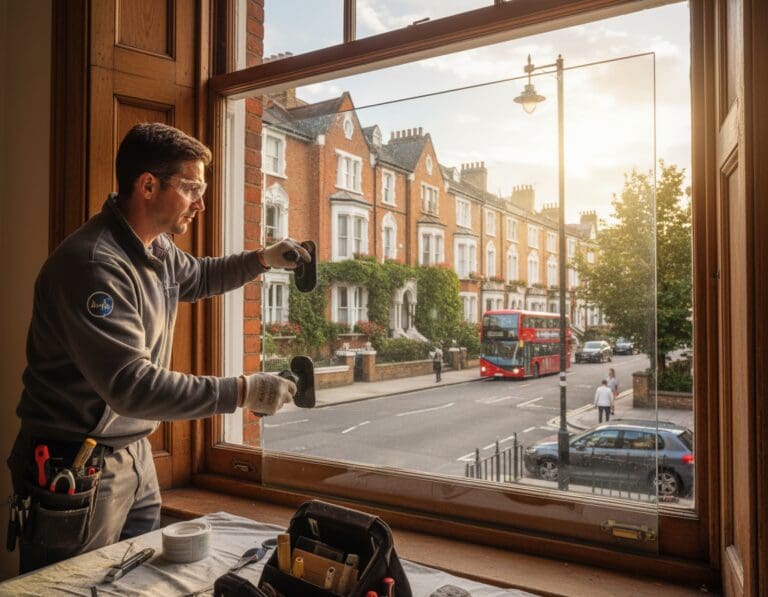
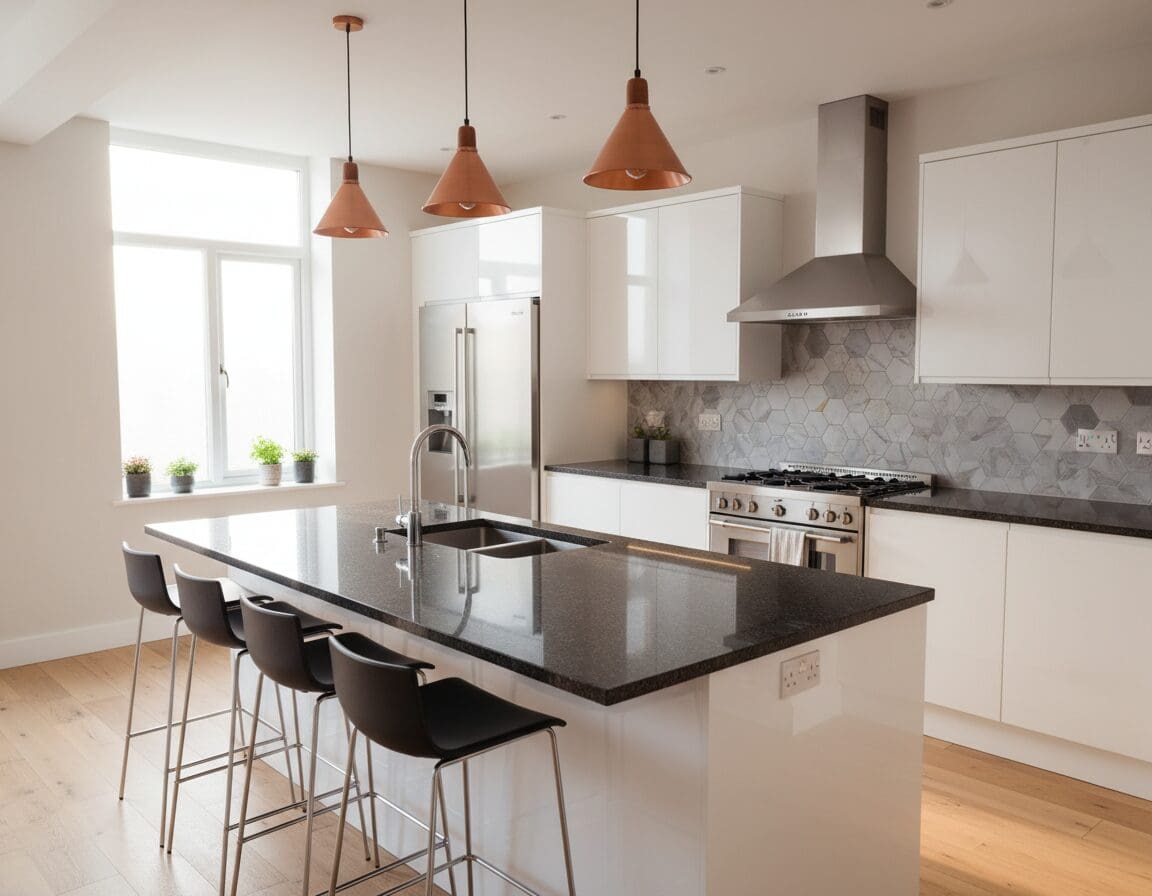
This article aims to inspire homeowners across the United Kingdom with modern kitchen design ideas that blend style and practicality. Whether you live in a flat in Manchester, a terraced house in London, a new-build in Milton Keynes or a country conversion in the Cotswolds, the guidance here covers contemporary kitchen ideas UK owners can adapt to their space and budget.
We will look at options for different budgets — from affordable updates such as a fresh splashback or new handles to high-end renovations with bespoke cabinetry. Practical planning is essential: measure your space accurately and think about workflow, using the kitchen work triangle or defined zones for cooking, preparation, washing and storage to keep daily routines smooth.
Bear in mind planning constraints that are specific to the UK. Conservation areas and listed buildings often require permits, while structural changes and ventilation updates must meet Building Regulations. Consult local planning offices or a chartered architect early if you expect major alterations.
Modern design brings clear benefits. Thoughtful layouts and minimalist kitchen ideas can improve usability, create sociable living spaces and raise property value. Energy-efficient appliances and sustainable materials also help reduce running costs and support greener living.
For reliable kitchen design inspiration, consult respected UK sources such as the Royal Institute of British Architects (RIBA) for spatial guidance, Ideal Home and Grand Designs for trend features. Work with local kitchen designers, architects and certified installers to ensure bespoke solutions comply with Building Regulations and fit your lifestyle.
Ready to start? First steps are simple: take accurate measurements, make a wish list (island, breakfast bar, built-in appliances), and set a realistic budget with a contingency of around 10–20%. Collect example images and material samples before making final choices so you can picture how contemporary kitchen ideas UK will work in your home.
Essential features of modern kitchen design ideas
Contemporary kitchens blend form and function to suit busy UK homes. Thoughtful planning makes cooking, dining and socialising feel effortless. This section outlines practical choices that lift style and improve everyday use, from layout to storage and appliances.
Open-plan layouts for sociable living
Open-plan kitchen ideas remain popular because they connect cooking with living spaces. They encourage interaction, let natural light travel further and make small homes feel larger.
Position an island or peninsula as a natural divider and plan circulation routes with at least 1m aisles where possible. Zone cooking, dining and social areas so tasks flow without conflict.
When removing walls, check for load-bearing elements and consult a structural engineer. Follow Building Regulations and consider installing a steel or timber beam where needed.
Fit high-performance extractor hoods or downdraft systems to control odours in open-plan zones. Use soft furnishings or acoustic panels to reduce noise between kitchen and living areas.
Streamlined cabinetry and handleless fronts
Handleless kitchen cabinets create a clean silhouette that suits modern designs. Push-to-open doors or recessed integrated handles give a minimalist look and are easier to wipe down.
Choose finishes such as matt lacquer, lacquered MDF, thermally fused laminate or veneer for durability. Premium options like Fenix NTM offer a matt, low-fingerprint surface that resists daily wear.
Fit soft-close hinges and full-extension runners in drawers for smooth, reliable operation. Pick finishes that tolerate humidity common in UK kitchens to keep cabinets looking fresh.
Integrated appliances for a seamless look
Integrated kitchen appliances hide fridges, dishwashers and washing machines behind cabinetry. This approach maintains a cohesive, uncluttered aesthetic and can make rooms feel more spacious.
Match appliance sizes to cabinet carcasses, noting standard 600mm widths and deeper units for larger fridges. Allow ventilation gaps for ovens and fridges and plan service access for repairs.
Brands such as Bosch, Neff, Siemens, Miele and AEG offer innovations like steam ovens, induction hobs with built-in extractors and energy-efficient A+++ models to lower running costs.
Smart storage solutions: pull-outs, pantries and organisers
Effective kitchen storage solutions keep surfaces clear and tools at hand. Pull-out larders, corner carousel units, tall pantry drawers and pull-out recycling stations are highly practical.
Use deep drawers rather than low cupboards to improve access. Add toe-kick drawers and extend overhead cabinets to the ceiling to maximise space in compact kitchens.
Organise with drawer dividers, spice racks and tray inserts. Fit two-tier storage at eye level for everyday items and lower drawers for heavy pots. Consider pull-down shelving for easier reach.
Choose fittings from trusted suppliers such as Blum and Häfele for reliable soft-close mechanisms and pull-out solutions commonly specified by UK kitchen fitters.
Material, colour and lighting choices to elevate a modern kitchen
Careful choices in surface, colour and light lift a kitchen from practical to striking. Pick materials that meet daily demands, test paint and view fittings in natural light, and layer illumination to support cooking, dining and evenings spent with guests.
Choosing durable surfaces: quartz, engineered stone and worktops
Quartz and engineered stone brands such as Silestone and Caesarstone give non‑porous, low‑maintenance worktops that resist staining. Homeowners in the UK favour quartz worktops UK for their wide palette and consistent veining.
Granite and solid surfaces like Corian offer tough wear and easy repair. Timber worktops in oiled oak or walnut add warmth but need sealing and prompt care for acidic spills. Use heat mats where needed and be aware of joint visibility when planning runs.
Edge profiles change the look. Square edges feel contemporary while waterfall ends add drama to islands. Typical thicknesses between 20–40mm affect perceived quality. Use certified fabricators for templating and installation and consider local stone yards for bespoke options.
Contemporary colour palettes and accent tones
Start with a neutral base such as warm white, greige or soft grey. Layer deeper accents like navy, forest green or charcoal to create depth. Two‑tone schemes remain popular in UK homes, pairing darker base units with lighter wall cabinets or oak accents.
Muted pastels such as sage and dusty blue soften modern schemes without losing sophistication. Balance bold painted cabinetry with natural materials to avoid a clinical feel. Always test samples in the room at different times of day before committing.
Statement splashbacks and textured finishes
Splashback ideas range from full‑height toughened glass to porcelain slabs that continue the worktop surface. Patterned ceramic tiles—subway, metro and encaustic styles—add personality while mirrored glass amplifies light.
Textured options like fluted glass, reeded timber or textured laminate introduce tactile interest. Ensure materials behind hobs are heat‑ and stain‑resistant, select suitable grout and sealing for tiles, and favour easy‑clean surfaces for busy cooking zones.
Layered lighting: task, ambient and feature fittings
Good kitchen lighting design uses three layers. Task lighting such as LED strip under‑cabinet fittings provides clear illumination for food prep. Ambient light from recessed downlights or pendant clusters sets general mood.
Feature fittings—statement pendants over islands or LED toe‑kick strips—create focal points and zoning. Choose warm‑to‑neutral LED temperatures: 2700–3000K for a cosy feel, 3000–4000K for brighter tasks. Fit dimmable controls and aim for 300–500 lux on work surfaces.
Prioritise energy‑efficient LED products and IP‑rated fittings near sinks and hobs. Always hire a qualified electrician to meet UK regulations and ensure safe, enduring installation.
Practical styling, layout tips and eco-conscious elements
Plan the space around clear workflow zones: cooking, preparation, washing and storage. For UK homes consider common layouts — galley for narrow spaces, L-shaped for open-plan living, U-shaped for maximum storage, islands for sociable centres and peninsulas as a space-saving alternative. Each has pros and cons: galley layouts are efficient but tight, L-shaped plans suit family zones, U-shaped kitchens offer worktop run but need sufficient clearance, islands create a focal point and extra prep area while peninsulas add seating without full island space. These small kitchen layout tips help prioritise movement and kitchen ergonomics UK from day one.
Allow practical clearances: aim for 900–1,000mm between an island and surrounding units, and 1,000–1,200mm where two people work side by side. Choose stool heights to match counter (around 650–700mm seat height) or bar surfaces (around 750–800mm seat height). Use islands for prep, informal dining, extra storage or to house a hob or sink, making the element multifunctional and efficient in everyday use.
For floors pick durable, water-resistant options such as porcelain tiles, luxury vinyl tile (LVT) or engineered oak with proper sealing. Make sure materials are slip resistant and compatible with underfloor heating. Styling should balance clean lines with texture: introduce linen curtains, a wool rug, potted herbs or trailing plants and curated open shelving to display ceramics while keeping clutter minimised. These kitchen styling tips create warmth without compromising modern simplicity.
Adopt eco-friendly kitchen ideas by choosing A+++ rated appliances from makers like Bosch or Neff, and consider induction hobs paired with LED lighting to cut energy use. Use sustainable kitchen materials such as FSC-certified timber, low-VOC paints, recycled composite worktops or reclaimed wood shelving, and explore Quooker for energy-saving boiling-water taps. Integrate recycling centres, water-saving taps and consider greywater reuse where regulations allow. Plan for longevity: select timeless finishes, durable components and accredited installers, budget a realistic timeline (design 2–6 weeks, build 4–12 weeks) with a 10–20% contingency, obtain multiple quotes from UK kitchen fitters and check Gas Safe and NICEIC credentials. Maintain the room with simple routines, warranty registrations and periodic servicing to protect your investment and support better kitchen ergonomics UK over time.