Good driveway maintenance protects your home and saves money. Regular driveway care keeps surfaces sound, reduces costly repairs and improves kerb appeal across the United Kingdom.
Driveways in the UK are commonly tarmac, concrete, block paving, gravel or resin-bound. Each material has different needs. Tarmac can soften in heat and crack in frost. Concrete may spall and stain. Block paving needs joint sand and edging, while gravel requires topping and edging to stop movement. Resin-bound surfaces demand gentle cleaning to retain appearance and driveway longevity.
Proactive upkeep extends life expectancy, cuts water ingress and limits freeze–thaw damage. It also keeps people safe by reducing trips and skids and enhances property value. Simple tasks such as driveway cleaning, clearing drains and removing oil stains make a big difference.
Typical causes of deterioration include heavy vehicle loads, oil and fuel spills, vegetation growth, frost, poor drainage and winter grit or salts used on nearby roads. UV exposure and everyday wear also take their toll, so prioritise safety and structural repairs first, then sealing and cosmetic care.
This article offers practical, seasonal and cosmetic advice for drive upkeep. You will find urgent repairs, routine care and tips to boost driveway longevity. Think of maintenance as an achievable way to care for your home and improve the neighbourhood.
driveway maintenance tips for long-lasting surfaces
Keeping a driveway in good order prolongs its life and preserves kerb appeal. A simple routine saves money and prevents small faults from growing into costly repairs. Follow a clear driveway maintenance schedule and act early when problems appear.
Routine cleaning and debris removal
Sweep weekly to lift leaves, grit and debris that trap moisture. For tarmac, concrete and block paving, plan power-washing every one to two years to remove ingrained dirt and algae. Use lower pressure on block paving to avoid dislodging joint sand.
Choose gentle cleaners such as mild detergent solutions and specialist block paving products. Biocides like Wet & Forget or Algon work well to remove moss from driveway and treat algae. Avoid harsh acids on sensitive surfaces.
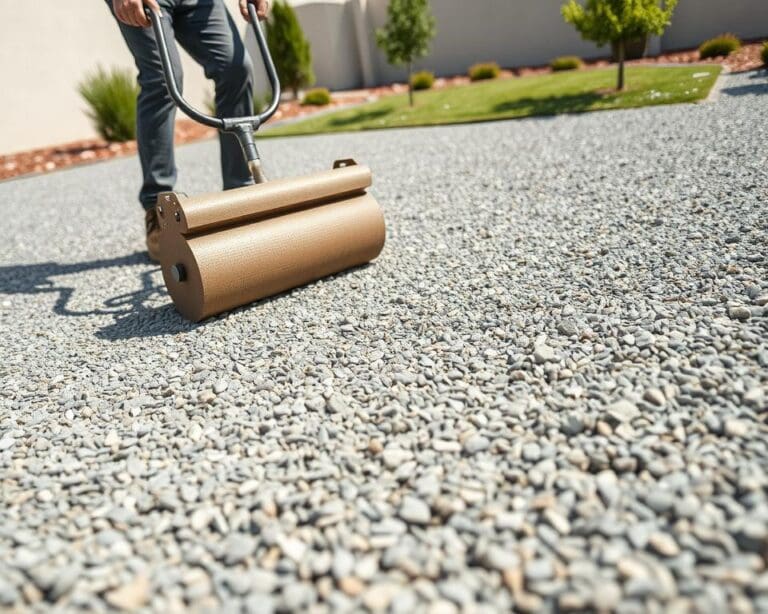
For gravel drives, rake to redistribute stones and pull out compacted weeds. Consider a weed-suppressing membrane where traffic is light. Dispose of washings responsibly and use biodegradable cleaners in line with local guidance.
Sealing and surface protection
Sealers reduce water ingress, deter oil stains and shield surfaces from UV damage. That makes cleaning easier and slows wear. Sealing frequency varies by material, typically every 2–5 years for tarmac and block paving, less often for well-sealed concrete.
Use bitumen-based sealcoats for tarmac. Choose water-based or solvent-based sealers for block paving and concrete. Resin treatments suit resin-bound drives. Brands such as Ronacrete and Marshalls supply reputable products for UK conditions.
Always prepare the surface: clean, complete any crack repair and ensure conditions are dry and above the manufacturer’s minimum temperature, often about 5°C. Do not seal over active cracks.
Repairing cracks and potholes promptly
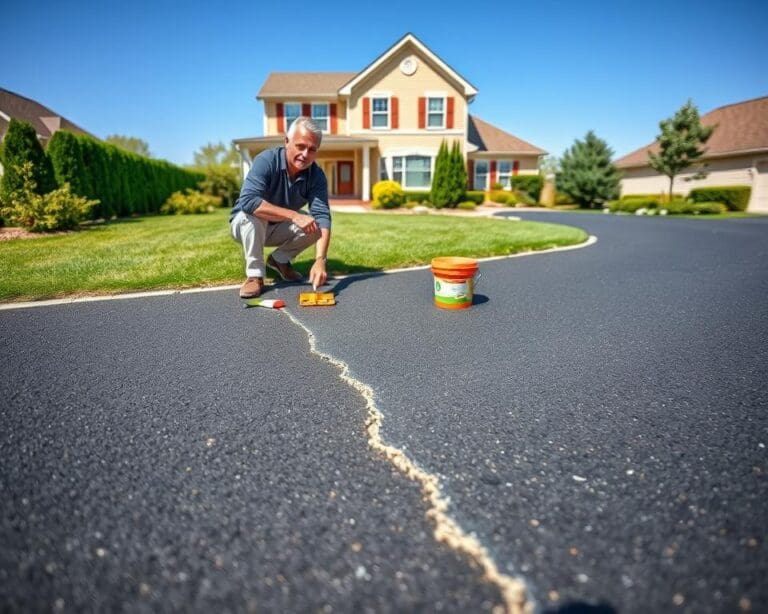
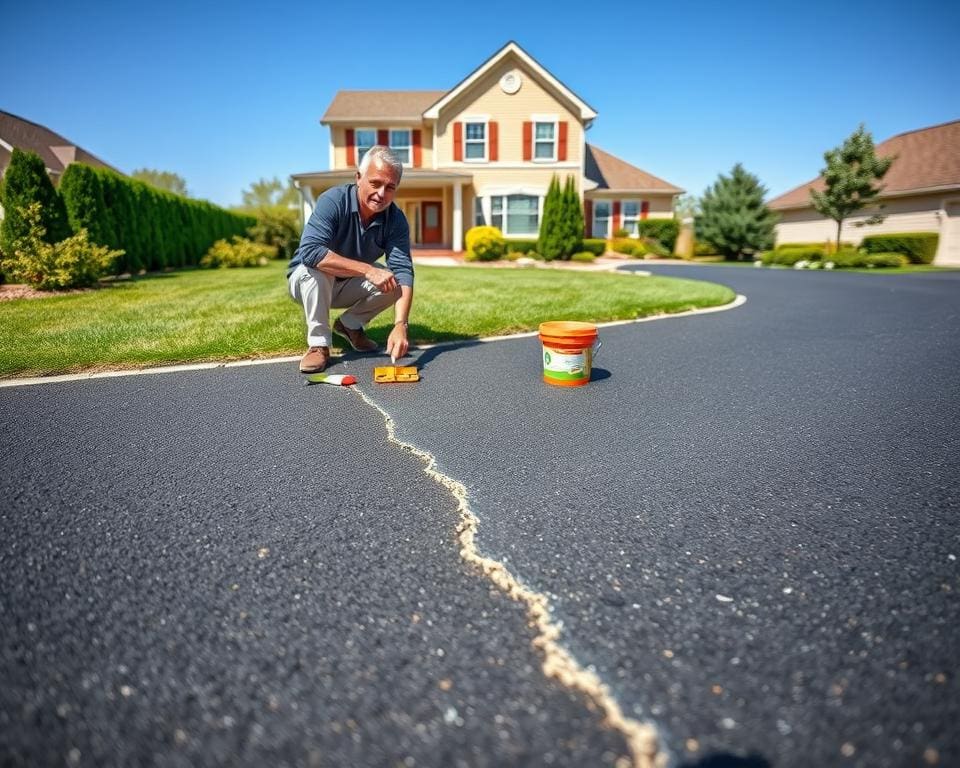
Inspect the drive to distinguish hairline cracks from structural faults. Small cracks can be filled with flexible fillers. Wider cracks or displaced joints need joint reinstatement or resin repair.
For tarmac, use hot or cold asphalt patching. For concrete, apply repair mortar. For block paving, re-sand joints and replace damaged blocks. Basic steps are: clear debris, apply the correct filler or patch, compact to match the surface and seal after curing.
Address pothole repair quickly to stop water ingress and freeze–thaw damage. Large or recurring defects suggest sub-base issues; contact a local civils contractor or an accredited installer for a full assessment.
Preparing your driveway for seasonal changes and extreme weather
Seasonal shifts test every driveway. A short checklist and timely action bring calm and control. Use the steps below to build resilience against cold, rain and heat.
Winter care to prevent freeze–thaw damage
Water gets into tiny cracks and pores, then freezes and expands. That expansion widens defects and speeds surface failure. For effective freeze–thaw protection, remove standing water and clear leaves or organic matter that trap moisture.
Fill hairline cracks in autumn and apply a fresh sealant where needed. Keep snow cleared with a plastic shovel to avoid chipping tarmac or concrete. Use grit or sand for traction and choose calcium magnesium acetate or a specialist driveway-friendly de-icer rather than high-salt sodium chloride, which can harm concrete, plants and vehicles.
Managing heavy rain and drainage
Good drainage prevents pooling and stops the sub-base from washing out. Persistent puddles, soft or sinking patches and plants in joints signal a problem. Check gullies, clear blockages and make sure the driveway slopes away from the property.
- Consider linear channel drains or a French drain to capture surface water.
- For permeable surfaces like resin-bound or permeable block paving, recharge the top layer and clear inlet points to maintain permeability.
- If problems persist, contact a drainage specialist or building control to prevent driveway flooding and structural damage.
Summer upkeep and UV protection
Heat and UV rays dry and oxidise some surfaces, leaving tarmac brittle and prone to cracking. Inspect the driveway after winter and spring for new faults. Carry out summer driveway maintenance during warm, dry spells when sealants will cure properly.
Remove oil or fuel spills promptly to avoid staining. Refresh surface markings and consider planting hedges or using light shade to reduce direct sun exposure. Avoid deep-rooted plants that can disturb the sub-base and undermine long-term surface integrity.
Improving appearance and curb appeal with smart maintenance
Small, consistent actions can lift driveway curb appeal and protect the surface. Start with regular sweeping and a yearly deep clean to remove grit and organic matter. For block paving reinstatement, joint-sanding with polymeric sand locks pavers in place and slows weed growth, restoring a neat, uniform finish.
Stain removal refreshes the look quickly. Use a reputable engine degreaser for oil marks, test on a hidden patch first and follow product guidance. For stubborn blemishes, a poultice can draw out oils and grime; rust stains respond to specialist neutralisers applied with care.
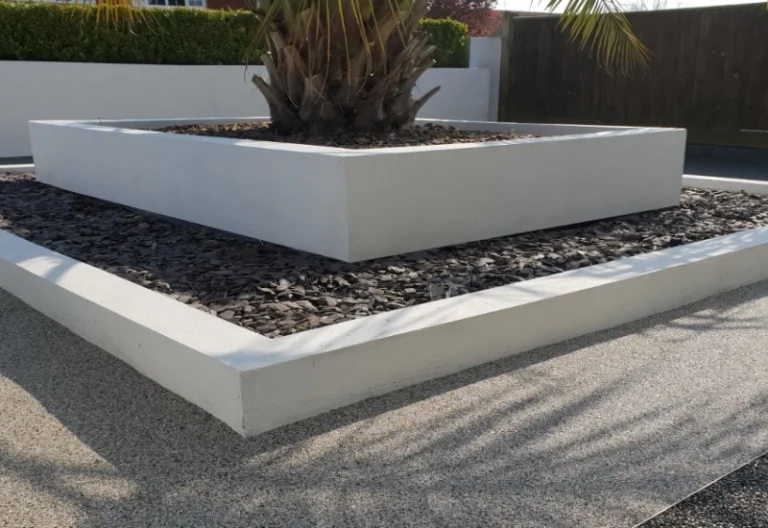
Thoughtful edges and soft landscaping frame the drive. Consider concrete, granite kerbs or metal edging to stop gravel migration and create crisp lines. Low-energy LED lighting, or solar alternatives where wiring is difficult, adds safety and atmosphere. Choose shallow-rooted planting such as dwarf grasses, lavender or box hedging to boost driveway landscaping without risking the sub-base.
For a fresh finish, powerwash and reseal existing surfaces or replace stained blocks; resin-bound surfacing offers a seamless, modern look where budget allows. Follow a simple calendar: weekly sweeping, spring and autumn inspections, an annual deep clean, sealing every two to five years and prompt repairs. Seek quotes from registered installers and plan budgets from minor repair kits to professional resurfacing to make upkeep an investment in the home’s future.