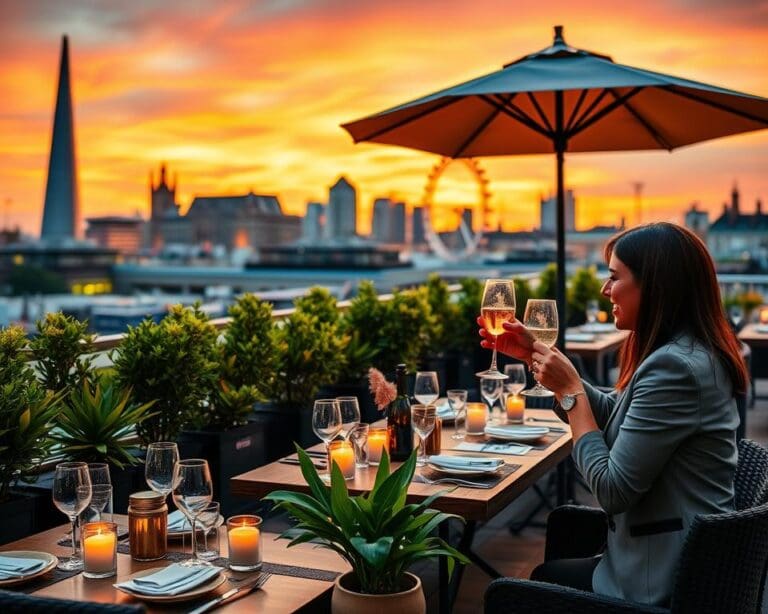
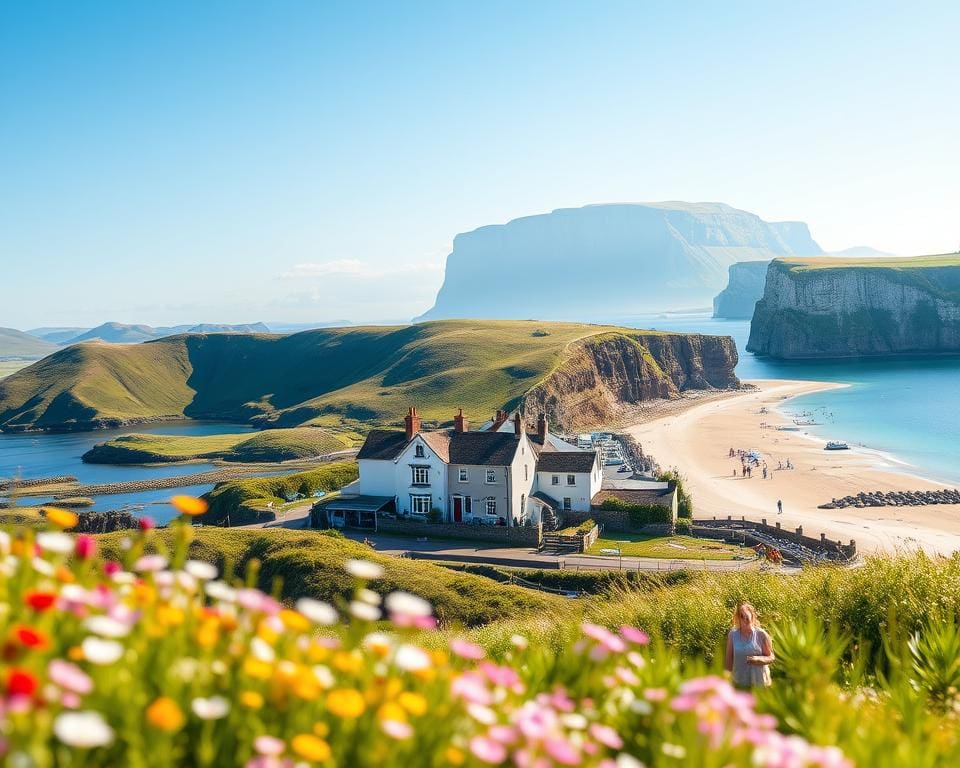
Deciding on the best weekend trips in the UK often begins with one simple aim: make the most of 48–72 hours. This short guide explains how to pick UK weekend breaks that match your mood — whether you want a restful countryside retreat, a cultural city break or an active weekend escape UK.
We focus on practical choices that are easy to reach by car, train or a short flight from hubs such as London, Manchester and Edinburgh. Typical travel times vary: a two‑hour train journey can put you in the Lake District or Brighton, while a one‑hour flight broadens options to Cornwall or the Scottish Highlands. Balance matters — spend less time travelling and more time enjoying the break.
Readers will find curated recommendations, season‑specific tips and clear travel‑time guidance to maximise a short break Britain. Expect ideas that suit different moods and group sizes, plus activity suggestions from gentle walks and spa time to museums, theatre and outdoor adventures.
Recommendations are drawn from authoritative sources: VisitBritain, National Parks, Network Rail and major ferry timetables, plus hospitality reviews from the AA, Michelin and the Good Food Guide. Cultural calendars such as the Edinburgh Festival help time visits for extra impact.
This opening section aligns with the article’s purpose and meta intent to answer “What are the best weekend trips in the UK?” and to offer inspirational yet practical advice for anyone planning weekend getaways UK. Read on for tailored options by season, setting and travel time.
What are the best weekend trips in the UK?
Deciding where to go on a short break should spark excitement, not stress. This quick guide helps with choosing a weekend break UK by matching mood, season and travel time to the right destination. Pick a pace that suits you and plan around transport and opening times to make the most of your days away.
Quick guide to choosing the right weekend break
Match mood to destination. For a restful escape, choose the Cotswolds or the Lake District and book a cosy cottage. For culture, visit London or Edinburgh for museums, theatre and festivals. For active trips, head to Snowdonia or Pembrokeshire for hiking, cycling and watersports.
Check travel constraints before you book. Look up train timetables, possible strikes and roadworks. Book accommodation early for school holidays and popular festival weekends.
Plan by budget. Options range from budget B&Bs and hostels to boutique hotels and self-catered cottages. Use advance rail fares and reward schemes to stretch your budget.
Think about accessibility and families. Seek beaches with lifeguards, family paths and properties with step-free access. Many coastal and rural cottages accept dogs, which helps with planning.
Allocate time wisely. For a 48-hour break, aim to arrive Friday evening, enjoy a full day on Saturday and leave Sunday afternoon. For 72 hours, add Sunday night or return Monday morning to relax and explore further.
Best trips by season: spring, summer, autumn and winter
Seasonal weekend breaks change the tone of a trip. In spring, expect blooming hedgerows and fewer crowds. The Cotswolds shine with bluebells, the Norfolk Broads suit early birdwatching and the Lake District shows dramatic waterfalls after rain.
Summer weekend UK escapes favour the coast. Cornwall, the Isles of Scilly and Dorset offer beaches and festivals. Cities such as Manchester, Bristol and Edinburgh stage outdoor events that lift the mood.
Autumn brings rich colour and calmer paths. The Yorkshire Dales and Peak District glow with reds and golds. The Scottish Highlands are crisp and ideal for wildlife spotting. Rural harvest festivals provide local food and atmosphere.
Winter suits cosy cottages and festive city trips. Light a fire in a Lake District or Cotswolds cottage. Visit Bath, London or Edinburgh for Christmas markets and theatre. Scotland and northern Wales host winter sports for those who seek snow.
Packing tips vary by season. Layer clothing, pack waterproofs and check daylight hours. Confirm attraction opening times before you travel.
How far to travel for a weekend to feel worthwhile
Keep travel time sensible. For a 48-hour break, aim for no more than three hours each way. For a 72-hour break, four to five hours becomes acceptable.
Use practical examples to plan. London to Bath or Brighton takes about 1.5–2 hours. London to the Lake District will be closer to 4–5 hours by train or car. Manchester to the Lake District is typically 1.5–2 hours.
Choose transport mode with care. Trains allow you to use evening travel time. Ferries or flights may suit islands like the Isles of Scilly or Skye, but include transfer times when you schedule activities.
Value slow travel. Staying in one place reduces transit time and deepens the experience. Less rushing leaves more time for walks, food and quiet moments.
Scenic countryside and coastal retreats for a restful weekend
Choose a restful weekend where rolling hills meet dramatic shorelines. Short trips to the countryside and coast promise slow days, fresh air and home‑cooked food. Pick a base that suits gentle walks, cosy nights and easy travel times.
Lake District: walks, lakeside cottages and cosy pubs
Plan a Lake District weekend around lakeside paths and classic fells. Walks such as Orrest Head give quick panoramas, while Helvellyn via Striding Edge rewards more confident walkers. Ullswater, Windermere, Derwentwater and Coniston Water each offer different moods for rowing, ferry trips and shoreline strolls.
Stay in a lakeside self‑catering cottage or a boutique hotel in Ambleside or Keswick. Cosy pubs serve local lamb, game and ales; farmers’ markets supply seasonal produce. Check National Trust and English Heritage opening times, and use Windermere buses or trains from Oxenholme to avoid peak parking issues.
Cotswolds: honey‑coloured villages and slow afternoons
A Cotswolds short break suits anyone who loves quiet lanes and village tea rooms. Bourton‑on‑the‑Water, Bibury and Stow‑on‑the‑Wold offer honey‑coloured stone, independent shops and gentle riverside walks. Market towns host artisan producers and regular markets worth timing into your visit.
Choose a country house hotel, a cosy inn with a log fire or a cottage with a garden. Try short sections of the Cotswold Way or visit stately homes such as Sudeley Castle. Travel by car for the most flexible access, or use rail links to Moreton‑in‑Marsh and Kingham to cut down on driving time.
Cornwall and south coast escapes: beaches, cliffs and coastal dining
For a Cornwall weekend escape, aim for at least two nights to make the journey worthwhile. St Ives, Falmouth and Padstow combine beaches, galleries and excellent seafood restaurants. Walk parts of the South West Coast Path for dramatic cliffs and wide sea views.
Surf at Fistral, take boat trips to see seal colonies, or catch summer ferries to the Isles of Scilly. Sample Cornish pasties and a cream tea, and enjoy the influence of chefs such as Rick Stein when dining in Padstow. Check tide tables and lifeguard seasons before planning coastal activities.
Pennines and Yorkshire Dales: dramatic landscapes and outdoor activities
A Yorkshire Dales weekend brings limestone scars, sweeping valleys and robust walking. Highlights include Malham Cove, Gordale Scar and Aysgarth Falls. Ambitious walkers can tackle parts of the Three Peaks for a full‑on challenge.
Base yourself in market towns like Grassington or Settle, or book a converted barn or farm stay. Try caving, cycling and visiting local breweries or food festivals. Pack proper footwear, maps and waterproofs; visitor centres in the National Park provide route details and permit guidance.
Vibrant city breaks packed with culture, food and nightlife
City weekends offer a rush of culture, great food and lively nights. Pick a base that suits your mood and let neighbourhoods and museums shape the plan. Short trips can combine galleries, markets and a memorable meal without feeling rushed.
London: world-class museums, theatre and hidden neighbourhood gems
A London weekend break rewards museum lovers and theatre fans alike. Visit the British Museum, National Gallery and Tate Modern, then stroll Southbank or Borough Market for street food.
Book West End tickets early for hit shows. Try Notting Hill, Shoreditch or Camden to find independent shops, street art and late-night music. Use Oyster or contactless for cheap travel and consider a river cruise or Santander cycle for a fresh view.
Edinburgh: historic streets, festivals and hilltop views
An Edinburgh weekend centres on the Royal Mile and dramatic views from Arthur’s Seat. Explore Edinburgh Castle, Holyrood Park and the compact Old Town on foot.
Time a visit for the Edinburgh Festival Fringe or Hogmanay if crowds suit you. Enjoy whisky tours and the National Museum of Scotland to deepen your cultural stay. Short flights and good rail links make the city easy to reach.
Manchester and Liverpool: music heritage, galleries and lively evenings
A Manchester weekend combines the Whitworth Gallery, Manchester Art Gallery and the creative Northern Quarter. Live venues such as Albert Hall keep evenings buzzing.
For a Liverpool short break, follow The Beatles trail, visit the Cavern Club and the Tate Liverpool. The Royal Albert Dock offers museums and waterfront dining. Both cities have strong rail links and compact centres ideal for a 48‑hour escape.
Bristol and Bath: creative scenes, thermal spas and Georgian architecture
Pair a Bristol Bath weekend for contrast. Start in Bristol to explore harbourside culture, street art linked to Banksy and the SS Great Britain.
Then head to Bath for Roman Baths, Bath Abbey and the Royal Crescent. Relax at Thermae Bath Spa or enjoy teatime in a Georgian tearoom. Both cities are walkable and pair well for a creative, restorative short break.
Active and adventurous weekend trips: hiking, cycling and watersports
For an active weekend UK, choose a base that matches your chosen pursuit. Snowdonia (Eryri) offers classic hiking weekend UK routes up Snowdon from Llanberis and rugged mountain biking in Coed y Brenin. Pembrokeshire Coast National Park suits sea kayaking, coasteering and coastal hiking from St David’s or Tenby, while Cornwall’s Newquay and Fistral Beach are prime spots for surfing lessons and board hire.
The Peak District and the Scottish Highlands give varied terrain for cycling weekend breaks and hillwalking. Tackle Stanage Edge for gritstone climbing or plan a Munro‑bagging day in the Highlands, then refuel in a local pub. For gentler watersports UK activities, the Norfolk Broads and Lake District provide calm lochs and rivers for canoeing, paddleboarding and family sailing.
Safety and planning make the difference on adventure short breaks. Check Met Office or Scottish Mountain Weather forecasts, pack waterproof layers, sturdy boots, maps and a charged phone, and book accredited providers such as Mountain Training UK or British Canoeing centres. Many centres and surf schools accredited by recognised bodies offer guided days that maximise learning and safety on a short break.
Time your main activity for Saturday morning and have an indoor fallback like a museum or café if the weather changes. Stay at bunkhouses, hostels or outdoorsy hotels near launch points with bike storage and drying facilities. Finish with gentle recovery — a spa treatment in Bath, a cosy pub meal in the Lake District or fresh seafood in Cornwall — to round off a memorable, active weekend UK.