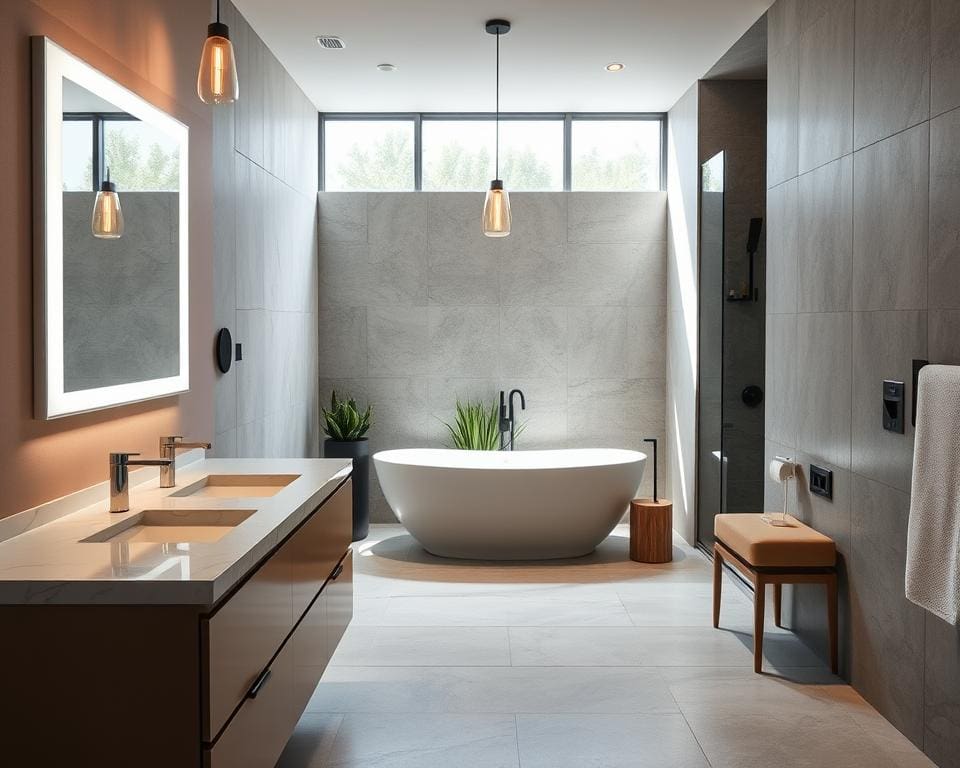
Across the United States, bathroom renovation trends are shifting toward calm, functional spaces that double as personal retreats. Homeowners seeking modern bathroom ideas favor layouts that feel spa-like while still delivering low-maintenance performance. This opening section sets the scene for a practical, inspirational guide to the latest bathroom trends 2026 and how they respond to real homeowner needs.
Several market forces drive these trendy bathroom designs. The aging housing stock in many metro areas prompts targeted upgrades. Rising energy and water costs push interest in efficient fixtures. At the same time, reports from the National Kitchen & Bath Association and Remodeling Magazine’s Cost vs. Value show that bathrooms still deliver strong returns on remodel investment. Those industry signals explain why many invest for comfort and resale value.
Today’s homeowners prioritize functionality, durability, sustainability, and style. Expect to see accessibility features—like curbless showers and discreet grab bars—integrated into elegant schemes. Low-maintenance materials and multi-use zones that blend grooming with relaxation are also top of mind for people hunting bathroom remodel inspiration.
This article will walk you through modern design principles, popular materials and color palettes, smart and sustainable upgrades, and the design features that boost style and resale value. For practical steps on getting started with a remodel, consider this concise guide to beginning a bathroom project from planning to execution: how to start renovating your bathroom.
What are the latest bathroom renovation trends?
Designers at Architectural Digest and Elle Decor report a clear shift toward calm, usable spaces that feel like small retreats. Modern updates blend clean geometry with tactile warmth to create bathrooms that work for daily life and read as thoughtful style statements.
Modern design principles shaping bathrooms
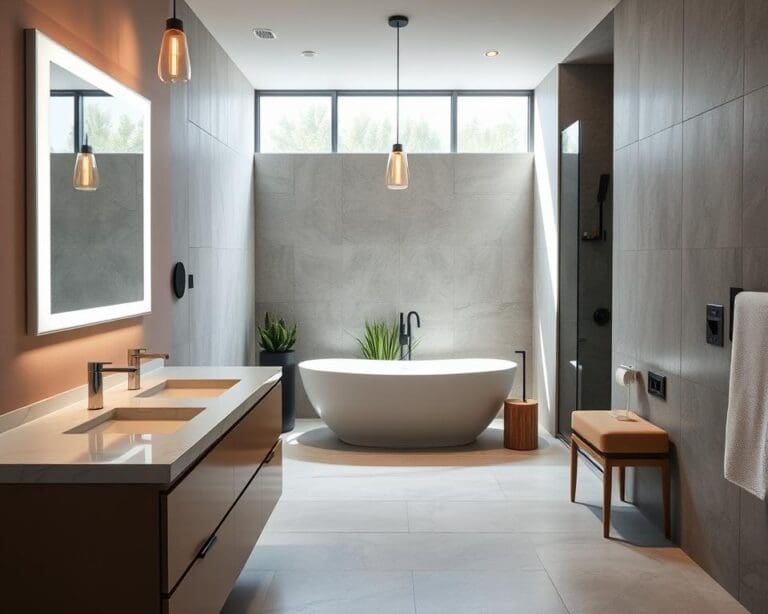
Minimalism with warmth pairs floating vanities and frameless glass with wood or wood-look accents. Large-format tiles keep lines simple while timber details add texture. This approach makes modern bathroom design feel both fresh and inviting.
Biophilic design brings plants, natural stone, and more daylight into the plan. These elements calm the mind and raise perceived luxury. Homes that use biophilic touches often see stronger resale interest.
Universal design features now read as style choices rather than clinical fixes. Curbless showers, comfort-height toilets, integrated seating, and concealed grab bars make bathrooms accessible and marketable to aging-in-place buyers.
Layered lighting creates depth without clutter. Combine ambient, task, and accent sources with textured finishes like matte tile or fluted glass to add interest while keeping the layout uncluttered.
Popular materials and finishes
Engineered stone and large-format porcelain are mainstays for vanities and walls. Brands such as Caesarstone and Silestone offer quartz options that mimic marble without high maintenance. Porcelanosa and similar makers produce durable panels that stand up to moisture.
Natural and engineered wood appear as warm accents. Water-resistant finishes and marine-grade sealants protect vanities and trim. Wood-look tile gives grain with the durability needed in wet areas.
- Matte and satin fixtures: brushed brass, satin black, and matte nickel hide water spots and read as modern hardware choices.
- Textured tile and statement surfaces: fluted tiles, 3D ceramics, and textured subway tile create focal walls without bold color shifts.
Choosing durable bathroom finishes limits upkeep and preserves style over time. That practical edge is part of what makes today’s trends both beautiful and sensible.
Color palettes and atmosphere
Bathroom color trends lean toward calm neutrals with moody accents. Warm beiges, greige, and soft whites form the base. Deep green, navy, or charcoal work as accent cabinetry or a single wall to ground the space.
Earth tones and nature-inspired palettes—terracotta, olive, and warm stone hues—support a spa-like mood. Such schemes pair well with natural textiles like linen towels and woven baskets to soften hard surfaces.
- High-contrast pairings: matte black fixtures with white marble-look surfaces create a crisp, modern feel.
- Finishing touches: metallic accents and warm wood tones round out the atmosphere and make spa bathroom ideas feel intentional.
Thoughtful use of color, materials, and texture helps craft a bathroom that reads as restorative and resilient. The result is a space that balances daily function with the calm of a boutique spa.
Smart and sustainable bathroom upgrades for modern homes
Upgrading a bathroom can lift daily routines and shrink utility bills. Focus on practical choices that blend style with performance. Use sustainable bathroom upgrades to reduce waste, save water, and make the space feel modern and calm.
Water-saving fixtures and greener choices
Swap old fixtures for WaterSense-labeled toilets, low-flow showerheads, and aerating faucets to cut water use without losing pressure. Modern 1.28 gpf toilets and dual-flush systems offer clear savings compared with older 3.5+ gpf units. Brands like Toto and Kohler have reliable models that balance performance and conservation.
Pick materials that lower environmental impact. Reclaimed wood, FSC-certified cabinetry, recycled glass or composite countertops, and low-VOC paints improve indoor air quality and durability. Where local codes allow, consider greywater or rainwater harvesting systems for irrigation or toilet flushing to extend the benefits of water-saving fixtures.
Smart technology integration
Connect showers and faucets to apps for temperature presets, timed flow, and usage tracking. Moen and Kohler offer smart bathroom technology that raises comfort while nudging users toward conservation. Smart mirrors add demisting, adjustable LED color, and built-in audio for a spa-like morning routine.
Install leak detectors and automatic shutoff valves from Flo by Moen, Phyn, or Honeywell to prevent damage and waste. Link devices to Alexa, Google Home, or Apple HomeKit to run routines such as turning on mirror lights and preheating a shower at a voice command. These small automations cut stress and conserve resources.
Energy-efficient lighting and ventilation
Choose high-CRI, dimmable LED fixtures with tunable white options to match tasks and mood. Energy-efficient bathroom lighting saves electricity and improves clarity for grooming. LEDs outperform incandescent bulbs in life span and efficiency.
Use quiet, Energy Star-rated exhaust fans with humidity sensors to control moisture and prevent mold. Add underfloor heating mats from WarmlyYours or a tasteful, energy-efficient towel warmer from Runtal to boost comfort with measured energy use. Design lighting, ventilation, and heating together for the best results.
These eco-friendly bathroom ideas create a healthier, smarter space that pays back through lower bills and stronger resale appeal. Small, well-chosen upgrades add up to meaningful long-term benefits.
Design features that boost style and resale value
Updated bathrooms offer strong remodel ROI and immediate curb appeal when listed for sale. Remodeling Magazine’s Cost vs. Value reports and guidance from the National Association of Realtors both show that buyers respond to refreshed baths. Smart investments—those that balance practical upgrades with design intent—tend to recoup a meaningful share of costs and influence purchase decisions.
Buyers expect function plus style. Efficient fixtures, ample storage, and layered lighting rank high on wish lists alongside spa-like touches. Walk-in showers with curbless entries, frameless glass, multiple showerheads, and durable tile deliver a contemporary feel and signal universal design. Double vanities and integrated storage—recessed medicine cabinets, built-in niches, and pull-out organizers—help maintain a clutter-free look that buyers appreciate.
High-impact elements raise bathroom resale value without overreaching. A standalone soaking tub paired with a separate walk-in shower provides mixed bathing options that appeal to many households. Choose reputable brands such as Kohler, Delta, Grohe, Hansgrohe, Toto, or Moen for faucets and fixtures; quality hardware reassures buyers about durability and long-term performance. Selecting timeless surfaces—engineered quartz counters, neutral large-format tile, and waterproof vinyl plank flooring—keeps design current and avoids quick obsolescence.
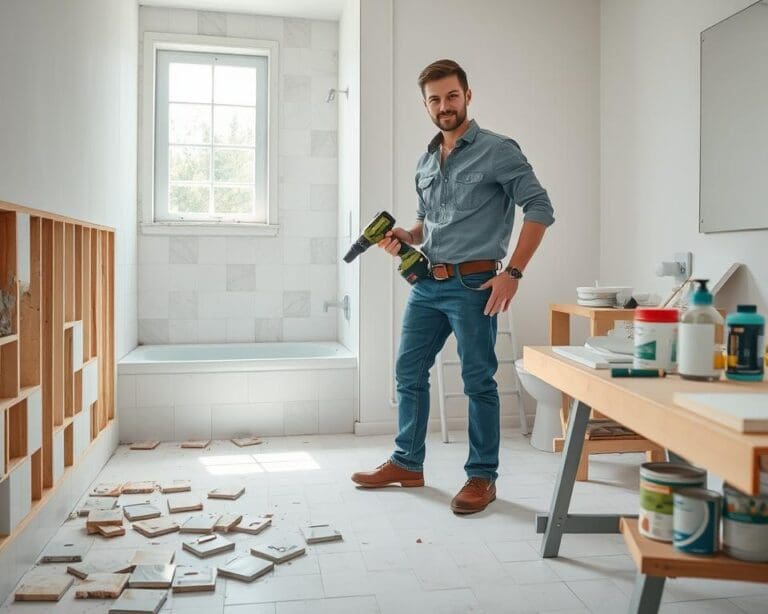
Professional installation and permits protect remodel ROI and buyer confidence. Ensure plumbing and electrical work meet code and maintain a cohesive design language that runs through the home. For bathroom investment tips, set a clear budget, prioritize efficiency and storage, add one signature element like an accent tile or smart tech, and consult licensed contractors and NKBA resources to refine costs and selection. These steps help turn modern bathroom upgrades into a meaningful value proposition for future buyers.