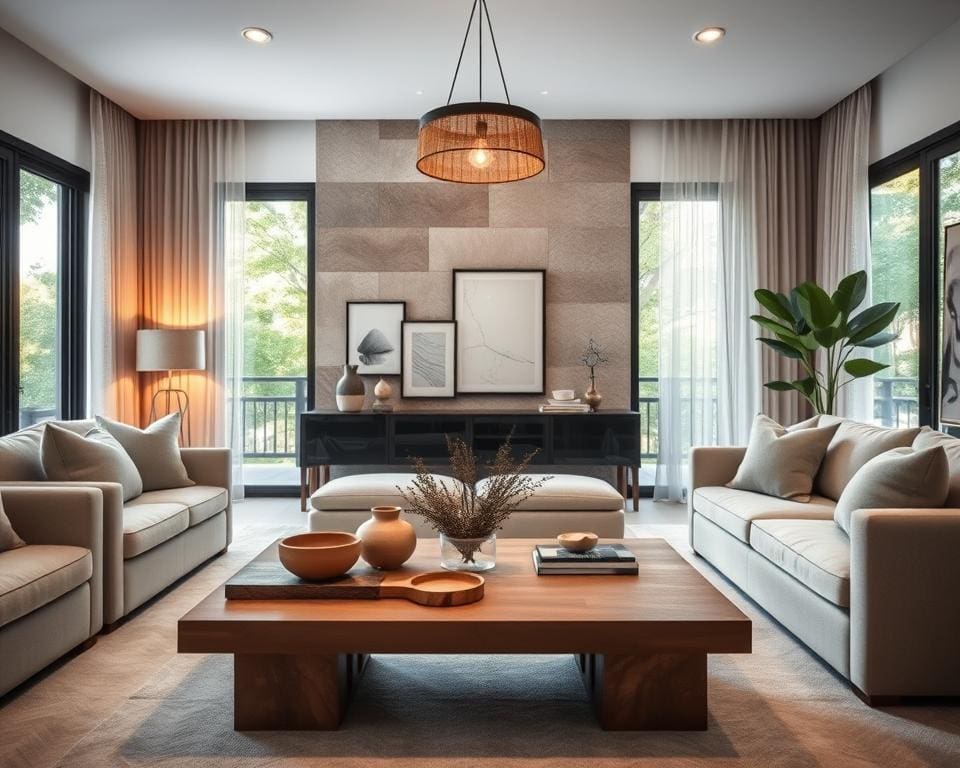
What are the latest home decor trends and how can U.S. homeowners use them to refresh living spaces in 2026? This guide answers that question with practical home decorating ideas and modern interior trends that balance beauty and function.
Market shifts are steering design choices. Sustainability, remote work, and wellness now shape purchases, while consumers increasingly search for latest home decor trends 2026 and home design inspiration online. Retailers like Wayfair and IKEA report strong digital growth, and publications such as Architectural Digest and Elle Decor spotlight eco-conscious materials and flexible layouts.
We’ll map trends into clear categories so you can act quickly. Look for sections on materials and practices, color and texture, styling accents, and practical design solutions. Each part offers ideas you can adopt immediately or adapt over time.
Readers who follow these ideas can expect a refreshed style, improved livability, and choices that reflect personal values—such as eco-friendly textiles and wellness-focused layouts. Practical updates can also boost long-term home value.
For a deeper look at enduring styles that inform today’s trends, see timeless approaches to interiors at what interior styles stand the test of. Read on to discover specific materials, palettes, styling techniques, and functional solutions that match contemporary U.S. living.
What are the latest home decor trends?
Designers now favor thoughtful, practical styles that balance beauty with purpose. This brief guide highlights three directions shaping modern interiors: sustainable home decor, biophilic design, and furniture that adapts to changing needs. Each trend offers actionable ideas you can use in any room.
Sustainable and eco-friendly materials
Homes are shifting toward responsibly sourced woods like FSC-certified oak and maple. Rapidly renewable options such as bamboo appear in flooring and cabinetry. Recycled-content textiles like Repreve polyester and recycled cotton blends reduce waste without sacrificing comfort.
Non-toxic finishes and low-VOC paints are gaining traction. Brands such as Benjamin Moore’s Natura and Sherwin-Williams’ Harmony provide alternatives that lower indoor emissions. Natural fiber rugs made from jute, sisal, or wool and upholstery with OEKO-TEX or GOTS certifications limit chemical exposure and support sustainable home decor goals.
Secondhand and upcycled furniture enjoy renewed interest. Platforms like Chairish and Facebook Marketplace make it easy to find refurbished mid-century pieces that add character while cutting environmental impact.
Biophilic design and indoor greenery
Biophilic design centers on reconnecting interiors with nature through natural light, organic shapes, and real plants. This approach boosts wellbeing and creates calm, livable rooms.
Practical implementations include living walls, large potted specimens such as fiddle leaf fig, rubber plant, and monstera, plus herb windowsills for kitchens. Strategic placement of indoor plants improves perceived air quality and adds texture to decor.
Smart planters and indoor gardening kits from brands like Click & Grow and Lechuza help urban dwellers maintain greenery with minimal fuss. Studies link exposure to nature with reduced stress, which explains why designers prioritize daylight, window access, and views of greenery in new builds.
Multipurpose and flexible furniture
Smaller footprints push innovation in multipurpose furniture. Pieces such as sofa beds, extendable dining tables, nesting tables, and Murphy beds make rooms work harder without feeling crowded. Modular seating systems from West Elm and CB2 allow easy reconfiguration for guests or daily routines.
Storage-integrated furniture solves clutter issues. Beds with drawers, ottomans with hidden space, and open shelving that doubles as room dividers create adaptable zones. Durable finishes and easy-care textiles help high-traffic areas hold up to everyday use.
Plan flexible living spaces by defining activity zones, choosing scale-appropriate pieces, and prioritizing mobility. Casters and lightweight materials let you shift layouts quickly, making each room ready for work, play, or rest.
Color palettes and textures shaping modern interiors
Design in 2026 favors comfort and sensory depth. Shifts in color palettes 2026 move rooms away from stark white toward hues that feel lived-in and warm. Texture plays an equal role, turning flat schemes into inviting spaces. Small changes in paint, fabric, and finishes let a room breathe while reflecting personal style.
Warm neutrals and earthy tones
Homes now embrace warm neutrals and earthy tones such as terracotta, clay, mushroom, and soft ochre. These shades create cozy, grounded interiors in living rooms, kitchens, and bedrooms. Pairing them with natural wood finishes—oak or walnut—helps craft calming atmospheres that feel timeless.
For paint guidance, consider Benjamin Moore alternatives to cool whites like White Dove with warmer undertones. Farrow & Ball clay shades offer rich options for a nuanced, layered look. Use these tones on walls or cabinetry for a subtle, enveloping effect.
Textural contrasts and tactile materials
Textural interiors rely on contrasts that invite touch. Bouclé upholstery and nubby wools sit well beside smooth marble or lacquer surfaces. Leather, hammered metal, and ribbed or fluted cabinetry add sculptural interest and personality.
- Layered rugs create warmth and acoustic comfort.
- Knitted throws and pleated lampshades add approachable softness.
- Textured ceramics and raw stone anchor a room visually and tactilely.
Mixing rough, organic textures with glossy finishes builds depth. The result reads as curated and cozy rather than fussy.
Accent colors and statement walls
Accent color trends include muted teal, deep olive, burnt sienna, and inky navy. These hues bring contrast to neutral backdrops and help define mood and focus. Use them in upholstery, art, or small decor accents for instant impact.
Statement wall ideas range from saturated paint and textured Venetian or lime plaster to botanical wallpaper and tile features in kitchens and baths. Place bold treatments behind headboards, around fireplaces, or in entryways to create focal points without overwhelming a room.
- Limit bold walls to one or two focal areas per room.
- Balance saturated colors with soft textiles and natural wood tones.
- Use patterned wallpaper or tile at eye level to draw attention strategically.
Styling trends and decor accents for personality
Room styling is where personal history meets present taste. A thoughtful blend of old and new makes a space feel lived-in and current. Use texture, scale, and story to shape interiors that reflect where you have been and where you want to go.
Curated vintage and modern mix
Pair authentic mid-century chairs or an antique sideboard with a contemporary sofa to create balance. Hunt at estate sales, local antique shops, Etsy, and 1stdibs for pieces with solid construction. Investing in well-made vintage items pays off; reupholster or refinish when needed to extend life.
Unify varied finds by repeating a color, metal, or wood tone. Mind scale and proportion so a low vintage credenza does not feel lost beside a large modern bookcase. Vintage furniture styling becomes intentional when each item has room to breathe.
Art, gallery walls, and personal storytelling
Art tells a story. Use collections to chart travels, family moments, and shifting tastes. Mix framed photography, original paintings, and three-dimensional objects for depth. Lay out templates on the wall first to avoid wasted holes and awkward gaps.
Choose consistent framing or matting to bind diverse works into a cohesive display. Consider museum-quality hanging systems for heavy or valuable pieces and UV-filtering glass to protect pigments. Proper humidity control preserves delicate paper and canvases over time.
Handcrafted details and artisanal decor
Handmade accents like ceramics, hand-blown glass, woven baskets, and hand-forged metalwork add warmth and craft. Brands such as Heath Ceramics and Schoolhouse highlight maker-focused design while local craft fairs connect you directly to artisans.
- Place artisanal home decor sparingly: a ceramic vase on a mantel, a hand-blown bowl on a dining table, a woven basket by an entryway.
- Use handmade accents as focal points that lift everyday objects into design statements.
- Prefer ethically sourced or fair trade ceramics and textiles to support sustainable practice and fair pay.
When layered with vintage furniture styling and curated vintage modern mix, artisanal pieces create depth and meaning. Thoughtful gallery wall ideas and tactile handmade accents ensure your home feels personal and intentional.
Practical design trends for modern living spaces
Modern homes balance beauty with real-world needs. Practical design trends stress flexible layouts and small space solutions that fit changing routines. A compact desk, an ergonomic chair, and smart cable management let home office design sit neatly inside a living room without feeling like an afterthought.
Acoustic treatments and layered lighting matter for focus and comfort. Fabric panels, bookcase dividers, and task lamps reduce noise and glare. Daylight optimization paired with dimmable fixtures and color-temperature controls helps productivity while supporting wellbeing.
Kitchen trends favor durable, low-maintenance finishes and smart convenience. Quartz and porcelain countertops, matte-finish appliances, and easy-clean grout keep surfaces looking fresh. Open shelving combined with concealed storage, pull-out pantries, touchless faucets, and pot-fillers make daily tasks faster and neater.
Smart home integration ties the house together for efficiency and ease. Systems like Philips Hue, Lutron Caseta, Nest, and Ecobee enable lighting scenes, temperature control, and voice actions that save energy. Built-in storage, mudroom systems, and adjustable shelving improve accessibility and aging-in-place readiness.
Start with high-impact, budget-friendly updates: paint, lighting, and textiles. Try peel-and-stick wallpaper, new cabinet hardware, or thrifted pieces refreshed with paint. Look for energy-efficiency rebates on smart thermostats to stretch your budget while upgrading functionality.
Blending sustainable materials, warm palettes, curated accents, and practical solutions creates rooms that work and resonate. Choose one trend—perhaps a smarter home office design or a kitchen update—to implement this season, then refine the rest over time.