
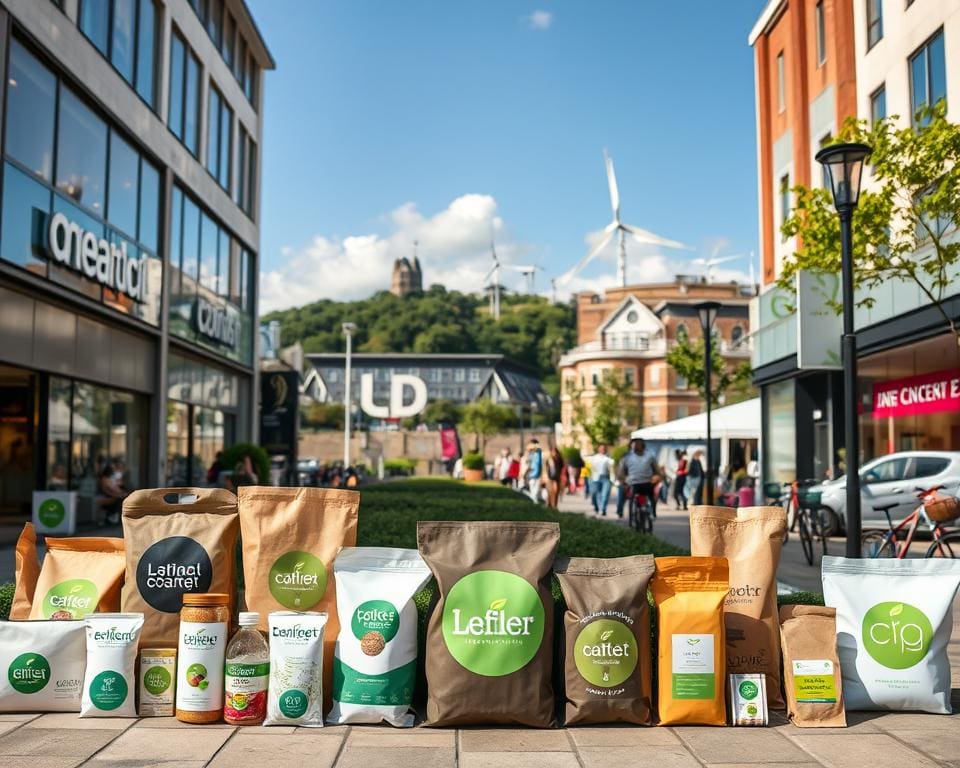
In recent years, the emergence of sustainable brands in the UK has transformed the retail landscape, encouraging consumers to embrace eco-friendly products. These brands are dedicated to minimising their environmental impact through ethical sourcing and innovative practices, making them leaders in the sustainable fashion and green business sectors. This article will delve into the importance of supporting sustainable brands in the UK and how they are shaping a greener future.
As more consumers seek out ethical brands, the demand for products that are not only stylish but also kind to the planet is increasing. From pioneering sustainable fashion to revolutionising everyday goods, these brands represent a conscious choice for a better tomorrow. Discover how brands like top sustainable brands are making a significant impact and inspiring others to follow suit.
The Importance of Sustainability in Today’s Market
The growing importance of sustainability in the marketplace reflects a shift in consumer behaviour and an urgent response to environmental challenges. Brands are increasingly adopting sustainable practices, recognising that eco-friendly products demand is not just a trend but a fundamental expectation from consumers. As the climate crisis deepens, businesses face pressure to adopt a more responsible approach to production.
Understanding Sustainable Practices
Sustainable practices encompass a variety of actions aimed at promoting environmental stewardship. These practices may include waste reduction, resource conservation, and ensuring ethical labour standards. Companies committing to sustainability often prioritise upcycled materials, organic cotton, and biodegradable fabrics, which contribute to reducing their environmental footprint. It is crucial for brands to embrace these practices, as they align with the core values shaping sustainable market trends.
Consumer Demand for Eco-Friendly Products
The increasing eco-friendly products demand is evident in numerous studies showing that a significant number of consumers prefer sustainable brands. This trend has encouraged businesses to innovate continually and incorporate sustainable strategies into their operations. In the fashion sector, for example, companies like Mango and ASOS showcase designs that meet consumer expectations for style without compromising on sustainability. The rise in eco-conscious consumer choices signals an essential evolution in how businesses respond to the changing market landscape.
What are the top sustainable brands in the UK?
The growing awareness regarding environmental challenges has pushed forward the movement towards sustainability. In the UK, several brands exemplify efforts to prioritise eco-friendly practices while delivering quality products. These brands serve as leaders in the sustainable market, showcasing innovative solutions and ethical practices. Understanding the top sustainable brands in the UK can help consumers make informed choices aligned with their values.
Overview of Leading Brands
Among the top sustainable brands in the UK, fashion label Stella McCartney stands out for its commitment to cruelty-free apparel and innovative materials. Her collections often feature sustainable product examples that promote environmentally conscious fashion without sacrificing style. In the realm of home goods, Made.com offers beautifully designed furniture that emphasises sustainable sourcing and responsible production methods. Beauty enthusiasts can turn to Lush, a pioneer in ethical practices, known for its handmade, vegan-friendly cosmetics packaged in recyclable materials.
Criteria for Selection
The criteria for sustainability selection plays a crucial role in identifying leading eco-friendly brands. Factors include:
- Environmental impact: Assessment of a brand’s carbon footprint and resource consumption.
- Innovation in sustainable practices: Evaluation of new approaches to reduce waste and improve efficiency.
- Transparency in sourcing: Commitment to clear communication about the origins of materials and production methods.
- Community involvement: Engagement with local communities and support for fair trade initiatives.
Spotlight on Innovative Sustainable Brands
In the realm of sustainability, several brands have emerged as pioneers, each championing their unique vision for a greener future. These innovative sustainable brands are reshaping industries by prioritising eco-friendliness and ethical production. This brand spotlight highlights three outstanding companies making notable strides in sustainable fashion, home goods, and beauty products.
Brand A: Pioneering Sustainable Fashion
Brand A has set a new standard in sustainable fashion by using organic materials and embracing circular fashion principles. Their collections not only showcase stylish designs but also prioritise the wellbeing of the planet. Each piece is crafted with care, minimising waste and utilising eco-friendly processes. The brand emphasizes transparency in its practices, giving consumers insight into the sustainable journey of their clothing.
Brand B: Revolutionising Home Goods
Brand B has garnered attention for its transformation of the home goods sector, focusing on eco-friendly materials and ethical production methods. From furniture to decor, the brand offers an extensive range of products that align with sustainable living. Their commitment to minimising environmental impact resonates with consumers looking for responsible choices in their homes. The brand’s innovative approach ensures quality without compromising on sustainability.
Brand C: Sustainable Beauty Solutions
In the beauty industry, Brand C stands out for its dedication to creating sustainable beauty products. With a focus on natural ingredients and ethical sourcing practices, the brand addresses consumers’ desire for effective, eco-conscious solutions. Each product is designed to enhance beauty while reducing harm to the environment. This commitment to sustainability elevates the brand, making it a favourite among conscientious consumers.
How These Brands are Making a Difference
Leading sustainable brands are taking significant steps to reduce their environmental impact while promoting ethical practices in their operations. By embracing innovative methods, these brands contribute to carbon footprint reduction and foster sustainable initiatives that resonate with eco-conscious consumers.
Environmental Impact and Carbon Footprint Reduction
A crucial aspect of these brands’ commitment involves adopting practices that significantly lower their environmental footprint. For instance, companies like Levi’s are utilising organic cotton and implementing water-saving production techniques. These strategies not only minimise waste but also conserve valuable resources, demonstrating a clear aim for carbon footprint reduction in their supply chains. Eva Denim exemplifies responsible manufacturing by introducing recycled denim crafted from post-consumer waste, a practice that reduces both landfill accumulation and resource consumption. For further exploration of these sustainable practices, refer to this insightful link.
Ethical Sourcing and Fair Trade Practices
The importance of ethical sourcing cannot be understated within the realm of sustainable fashion. By ensuring fair trade practices, brands like Ganni uphold the dignity of workers across their supply chains. These initiatives guarantee not only fair wages but also safe working conditions, fostering a sense of responsibility towards their teams. Emphasising transparency in sourcing methods aligns with a broader commitment to sustainability, serving as a model for others. Such ethical considerations play a vital role in shaping a fairer economy that respects both people and the planet.
Supporting the Growth of Sustainable Brands
Consumers play a pivotal role in fostering the growth of sustainable brands by actively choosing to support sustainable brands and promoting ethical purchasing decisions. Each purchase serves as a vote for the practices these companies uphold, whether it’s environmentally friendly materials or fair labour conditions. By prioritising ethical products, individuals contribute to a thriving marketplace that values sustainability over profit.
A critical aspect of this commitment is consumer responsibility; understanding the impact of one’s choices can amplify the efforts of sustainable brands. Spreading awareness about the benefits of eco-friendly products can create a ripple effect in the community, encouraging others to consider their purchasing habits. Engaging in conversations about sustainability helps build a network of informed consumers dedicated to promoting sustainability.
Furthermore, participating in advocacy for environmental issues not only strengthens the message but also underscores the collective impact of informed choices. Sharing sustainability journeys, whether on social platforms or within personal networks, can inspire others to reflect on their consumption habits and join the movement. Together, these actions form a community committed to a greener future, making a lasting difference in supporting sustainable brands and their vital missions.