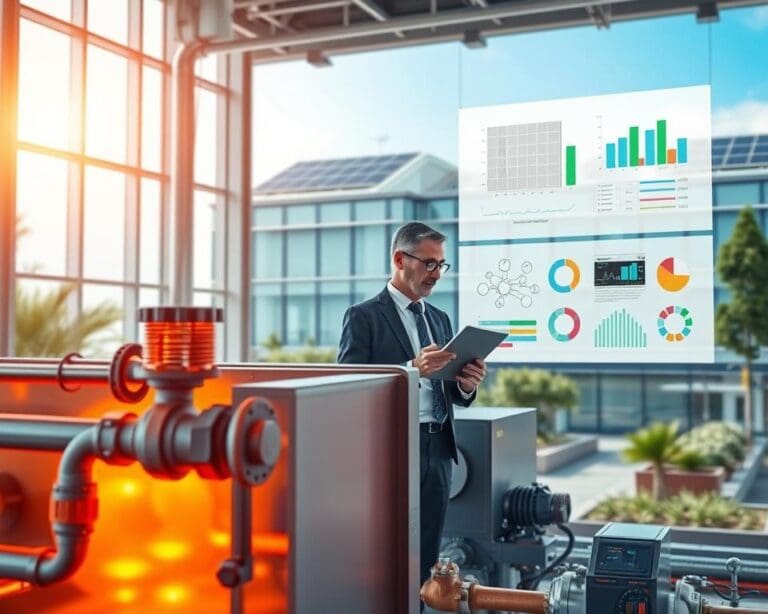
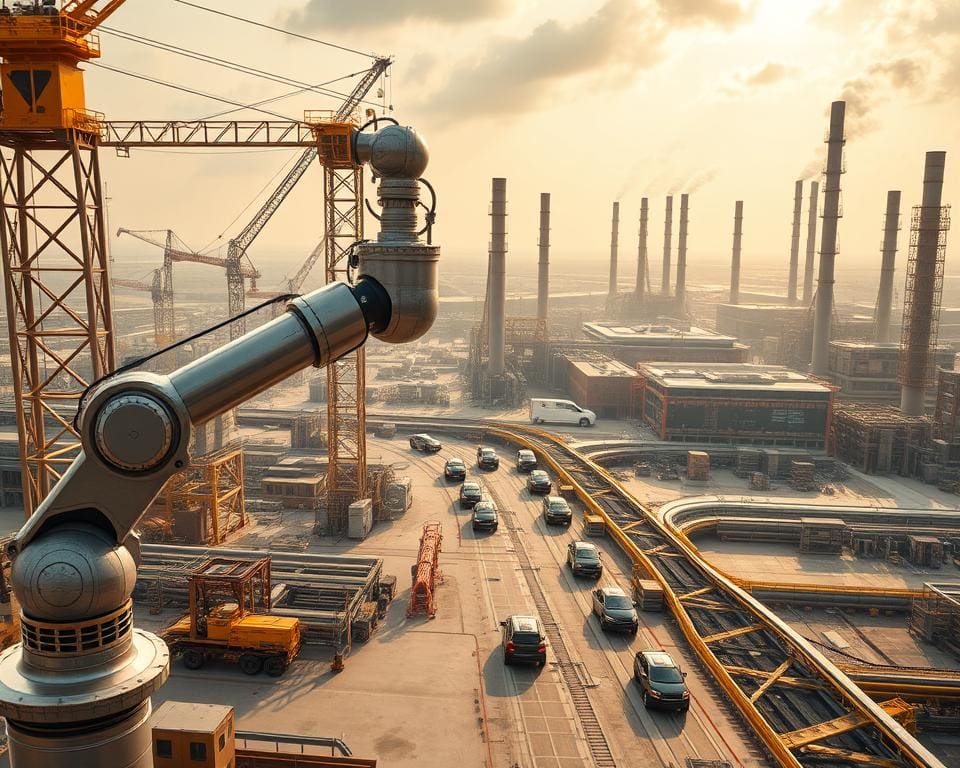
The landscape of heavy industry is undergoing a monumental transformation, driven by cutting-edge technology trends that redefine operational standards. As sectors like manufacturing, construction, and logistics adapt to the latest innovations, the incorporation of automation, robotics, and AI is becoming more prevalent. Implementing IoT solutions not only enhances real-time data analysis but also facilitates sustainability efforts across the industry. Meanwhile, smart manufacturing is proving to be a pivotal element in increasing productivity and reducing costs. In this article, we will explore these compelling trends and their significance in reshaping the future of heavy industry.
Introduction to Heavy Industry Technology
Heavy industry technology represents a dynamic field, pivotal in shaping the future of manufacturing and industrial processes. This introduction sheds light on various innovations that have revolutionised heavy sectors, encompassing machine automation, digital tools, and the integration of smart systems.
The journey of heavy industry technology is marked by significant advancements that enhance operational efficiency and overall productivity. In recent years, the role of automation has expanded, enabling companies to streamline their operations and reduce human error. Through the implementation of cutting-edge technologies, organisations can optimise supply chain management, improve production rates, and maintain quality control.
Innovation serves as the backbone of this evolution, driving continuous improvements across various sectors. As companies adapt to market demands and competition, embracing new technologies becomes essential. Industry leaders frequently emphasise the role of innovation in fostering a sustainable future, which not only benefits organisations but also contributes to environmental goals.
The World Economic Forum highlights numerous case studies demonstrating how the incorporation of heavy industry technology leads to transformative changes. These developments hold the promise of a more efficient, productive, and sustainable industrial landscape, positioning the UK at the forefront of manufacturing advancements.
The Rise of Automation in Heavy Industry
Automation in heavy industry is transforming the landscape of manufacturing and production. As industries integrate the latest technologies, organisations realise the remarkable benefits that come from adopting advanced automated systems. This shift not only boosts efficiency and productivity but also enhances safety and reduces operational costs, paving the way for a more innovative future.
Benefits of Automation
The advantages of automation in heavy industry are numerous and profound. Businesses experience increased operational efficiency, with machinery performing tasks faster and more accurately than human workers. Some key benefits include:
- Enhanced productivity through the rapid execution of repetitive tasks.
- Lowered labour costs as fewer workers are needed for manual operations.
- Improved safety standards, minimising the risk of workplace accidents.
These factors collectively generate significant returns on investment, making automation an appealing choice for companies looking to modernise their processes.
Examples of Automated Systems
Prominent companies such as Siemens and Caterpillar illustrate the implementation of automated systems in heavy industry. They utilise robotic assembly lines that streamline their manufacturing processes. Such automated systems enable precise coordination and minimal error, showcasing the effectiveness of this technology. Other examples can be observed in the deployment of autonomous vehicles for material handling and automated quality control systems that ensure product consistency. These innovations highlight how widespread automation in heavy industry is contributing to enhanced operational capabilities.
What are the top tech trends in heavy industry?
The ongoing evolution in heavy industry has been marked by transformative tech trends that redefine traditional practices. Companies are increasingly adopting advanced technologies, significantly shaping operational efficiency and driving substantial growth. The adoption of systems like the Internet of Things (IoT), artificial intelligence (AI), and machine learning underscores the commitment to enhancing performance metrics across the sector.
Defining the Key Trends
Among the most prominent key trends in heavy industry, IoT stands out for its ability to interconnect equipment and enable real-time monitoring. This network of devices facilitates smarter decision-making and proactive maintenance. Furthermore, AI and machine learning empower companies to analyse vast databases, recognising patterns that enhance productivity. Smart manufacturing solutions are becoming vital, integrating automation and data analytics to streamline operations.
Impact on Operational Efficiency
The integration of these tech trends has led to remarkable improvements in operational efficiency. Through predictive analytics, businesses can now foresee maintenance issues before they escalate, minimising downtime. The automation of repetitive tasks not only accelerates production but also reduces the potential for human error, thus operationalising excellence. As companies leverage these technologies, they realise tangible returns on investment while maintaining a competitive edge in a rapidly evolving market.
Advancements in Robotics and AI
Recent advancements in robotics and AI in heavy industry have revolutionised operational capabilities, driving efficiency and productivity. The integration of robotics and AI technologies is becoming increasingly vital as industries strive for innovation and competitiveness. Understanding the types of robots currently employed and the application of AI for predictive maintenance offers insights into the transformative power of these technologies.
Types of Robots Used in Heavy Industry
The heavy industrial sector has embraced various types of robots to automate processes and enhance productivity. Key examples include:
- Collaborative Robots (Cobots): Designed to work alongside humans, cobots enhance safety and efficiency in tasks such as assembly and quality control.
- Autonomous Mobile Robots (AMRs): These robots navigate independently, transporting materials across facilities, thereby reducing manual labour and enabling seamless operations.
- Articulated Robots: Used extensively for welding, painting, and packing, these robots offer precision and adaptability to various production processes.
AI Applications for Predictive Maintenance
AI in heavy industry significantly transforms predictive maintenance strategies. By employing sophisticated machine learning algorithms, organisations can accurately forecast equipment failures before they occur. This proactive approach helps minimise downtime and optimise resource allocation. Major companies like ABB and KUKA utilise these technologies, witnessing remarkable improvements in their operational efficiency. Through predictive maintenance, industries can expect:
- Reduced operational costs by optimising maintenance schedules.
- Increased equipment lifespan through timely interventions.
- Enhanced safety by mitigating the risks of unexpected breakdowns.
The Impact of IoT in Heavy Industry
The Internet of Things (IoT) has revolutionised heavy industry, significantly altering how companies approach operations. This transformation hinges on the capability to gather vast amounts of real-time data, enabling more informed decision-making and enhancing overall productivity. As technology advances, the IoT impact becomes increasingly prominent, illustrating the critical role it plays in contemporary supply chain management.
Real-Time Data Collection
Real-time data collection is a cornerstone of IoT’s application in heavy industry. By adopting IoT devices, organisations can monitor equipment, track assets, and assess performance metrics continuously. This process not only enables immediate responses to issues but also helps predict potential failures, thereby minimising downtime. With data flowing in real-time, companies can adapt their operational strategies swiftly, leading to increased efficiency and reduced costs.
Enhancing Supply Chain Management
Integrating IoT technology into supply chain management transforms traditional practices. Companies can optimise inventory levels, ensure timely deliveries, and forecast demand more accurately. For instance, manufacturers can track shipments in real-time, decreasing the uncertainties involved in logistics. This transparency facilitates better collaboration between suppliers and customers, enhancing the overall resilience of supply chains. The IoT impact extends to providing visibility, enabling organisations to make strategic decisions based on current data rather than relying solely on historical trends.
Energy Efficiency and Sustainability in Technology
The junction of technology and sustainability reveals transformative possibilities for heavy industry. As focus sharpens on energy efficiency, industries are adopting innovative practices to diminish their carbon footprint. These advancements signal a commitment to sustainability and environmental stewardship.
Innovative Energy Solutions
To achieve robust energy efficiency, heavy industries explore several groundbreaking energy solutions. These include:
- Renewable energy sources: Solar and wind power have gained traction, helping facilities reduce reliance on fossil fuels.
- Energy management systems: These systems optimise energy consumption, allowing for smarter operation scheduling and reducing unnecessary waste.
- Waste heat recovery: Capturing and repurposing excess heat can significantly lower energy needs, exemplifying a holistic approach to resource use.
Reducing Carbon Footprint
Efforts to minimise the carbon footprint through sustainable practices are essential for a greener future. Noteworthy strategies include:
- Carbon capture and storage (CCS): Implementing CCS technologies not only curtails emissions but also facilitates accountability for companies committed to environmental goals.
- Sustainable materials: Transitioning to bio-based and recycled materials fosters a circular economy, mitigating environmental impact.
- Employee engagement: Initiatives that rally the workforce around sustainability can create a culture of awareness and responsibility, driving change at all levels.
Smart Manufacturing Solutions
Smart manufacturing represents a revolutionary shift in heavy industry, integrating advanced technologies to create more efficient and responsive production processes. This transformation leverages smart technologies such as the Internet of Things, artificial intelligence, and cloud computing to foster a connected environment where machines communicate seamlessly. As industries embrace this focus on innovation, significant opportunities arise for improved productivity and operational excellence.
Integrating Smart Technologies
The adoption of smart technologies in manufacturing facilitates a real-time flow of information across all levels of production. This integration enables businesses to respond quickly to market changes and customer demands, driving down costs and enhancing product quality. By utilising data analytics, manufacturers can make informed decisions, optimising supply chains while minimising waste.
Case Studies of Smart Factories
A notable example of successful smart manufacturing can be observed in Bosch’s facilities, where they implemented IoT devices to monitor equipment health in real-time. This approach resulted in a marked decrease in downtime and maintenance costs. Similarly, General Electric has utilised smart technologies in their factories, leading to significant enhancements in efficiency and productivity, showcasing the immense potential of smart manufacturing through engaging industry case studies.
Networking and Connectivity Trends in Heavy Industry
In the rapidly evolving sector of heavy industry, networking trends are revolutionising operations through enhanced connectivity. The introduction of technologies such as 5G and industrial Ethernet enables seamless communication between various systems, leading to a more integrated approach to industrial processes. This shift not only streamlines workflows but also significantly boosts collaboration across departments, allowing for real-time data sharing and more efficient remote operations.
One of the prime benefits of these networking advancements is the improved reliability and speed of data transmission. Industry giants like Siemens and Schneider Electric have implemented these technologies, demonstrating how enhanced connectivity can lead to better decision-making and operational efficiencies. With systems capable of effectively transmitting large volumes of data, organisations in the heavy industry can leverage analytics to foresee potential issues and improve overall productivity.
Telecommunications studies underline that the future of heavy industry is heavily reliant on these networking trends. As firms strive for digital transformation, the implementation of robust connectivity solutions will be pivotal in fostering innovation. The path forward is clear: companies that harness these advancements in networking will not only stay competitive but also lead the way in shaping a smarter, more connected industrial landscape.