
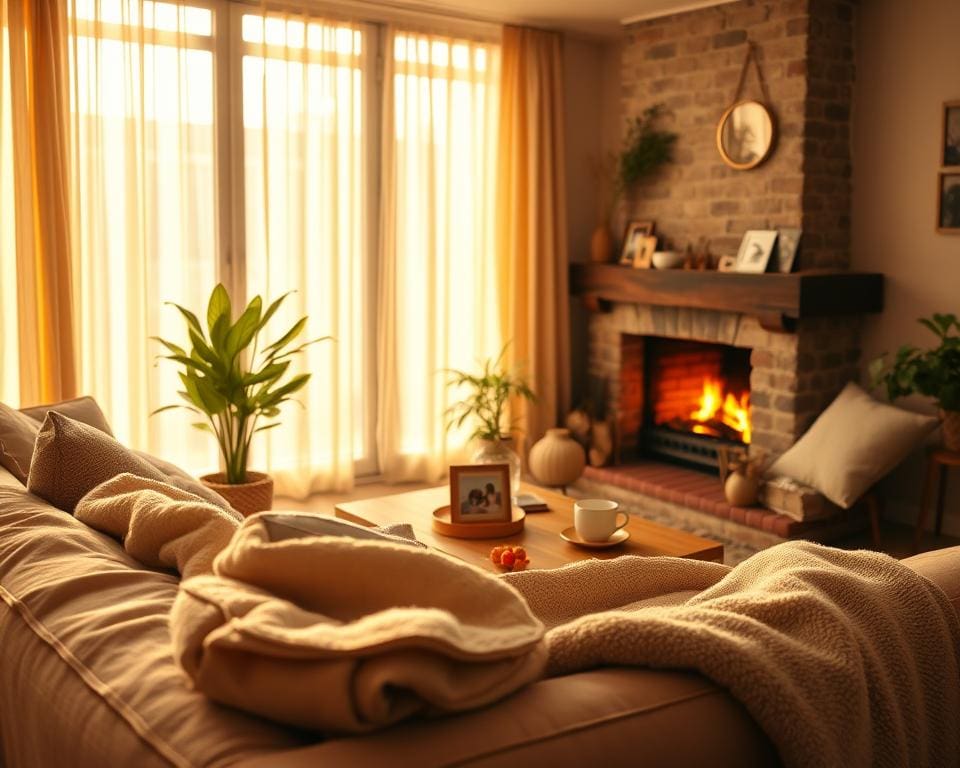
A true sense of home transcends mere physical structures; it embodies the warmth, comfort, and emotional security that we cultivate within our living spaces. Research from the Journal of Environmental Psychology highlights how our surroundings significantly impact our mood and sense of belonging, underscoring the importance of home comfort in fostering well-being. Personalised decorations and layouts not only reflect our home identity but also evoke cherished memories, reinforcing the idea that a home is a tapestry of experiences and emotions. In this exploration, we will delve into the multifaceted elements that contribute to this profound connection.
The Emotion of Home
A home transcends mere physical structure; it embodies emotional connections and provides a sense of safety crucial for well-being. Understanding these emotional facets can significantly enhance our living spaces, nurturing relationships and deepening our sense of belonging. Stories from childhood homes often evoke nostalgia, creating an environment where we feel truly ourselves.
Understanding Emotional Connections
Emotional connections form the foundation of a true home. The familiarity of a space can bring comfort, where memories intertwine with daily life. Recognising these ties encourages individuals to curate spaces that reflect personal history and values. This emotional richness contributes to a sense of home security, offering a sanctuary against the chaos of the outside world.
Creating Safe Spaces
Creating safe spaces within the home is paramount for mental health. Research indicates that well-designed homes promote emotional stability, with features that enhance personal safety leading to a greater sense of control. Simple adjustments can transform a space into a peaceful retreat where comfort reigns. Utilising natural light and incorporating soothing colours can foster an atmosphere that nurtures positive emotional connections. Discover practical tips to enhance your home on this mindful home environment guide.
Personalisation and Identity
Creating a home that resonates with your self-identity involves a thoughtful approach to personalisation. This can manifest through various elements such as decor, colour choices, and furniture selections. When surroundings echo one’s individual taste, they contribute significantly to overall well-being and make spaces feel more nurturing.
Reflecting Your Personality
Personalisation is key to demonstrating who you are. Opting for colours and furnishings that align with your character can alter the ambience of a room entirely. Whether it’s through choosing vibrant hues that exude energy or softer tones that promote tranquillity, these elements reflect your unique personality. As each selection resonates with your self-identity, the house transforms into a true representation of you.
Incorporating Personal Keepsakes
Incorporating personal keepsakes within your living space deepens emotional connections. Items such as cherished photographs and heirlooms not only serve as decorative pieces but also as tangible links to memories and experiences. These personal keepsakes add warmth and character, turning mere walls into spaces rich with stories. The thoughtful inclusion of these mementoes can enhance the emotional tapestry that defines a home.
What creates a true sense of home?
A true sense of home embodies more than mere location. Comfort in home ignites the spirit and creates a sanctuary where we can unwind and rejuvenate. By prioritising physical and emotional comfort, spaces become havens for relaxation and connection. Understanding how to cultivate this sense of ease within a home leads to an inviting atmosphere, encouraging deeper relationships among those who share the space.
The Role of Comfort
Comfort in home is crucial for establishing a nurturing environment. Whether through plush seating, soft lighting, or calming colours, each element contributes to the overall feeling of tranquility. Accessible and cosy furnishings enhance one’s experience, making the daily routine feel more manageable. Taking time to choose items that are both practical and aesthetically pleasing fosters a sense of belonging. Introducing finishes with varied textures—such as linen throws or wool rugs—invites warmth and adds layers of comfort, making a space feel truly inviting.
An inviting atmosphere encourages relaxation and interaction, which are integral to home relaxation. Thoughtful lighting solutions, such as warm-toned bulbs or strategically placed lamps, illuminate the space without overwhelming it. Open layouts provide flow and foster a sense of community among inhabitants. By balancing contemporary design and timeless elegance, each room can become a personal reflection of serenity. Consider exploring ways to enhance your living space with the right choices that promote both beauty and comfort.
Community and Belonging
Creating a genuine sense of community enhances the feeling of belonging within one’s living environment. Strong neighbour relationships serve as the foundation of this experience, enabling individuals to connect on a personal level. When residents actively engage with those around them, it nurtures an atmosphere of trust and support that can transform a mere dwelling into a true home.
Building Relationships with Neighbours
Forming solid connections with neighbours is essential for establishing a supportive network. Simple gestures such as greeting one another, sharing meals, or participating in local events can significantly strengthen these ties. A vibrant community thrives when its members take the initiative to engage, fostering an environment where everyone feels valued and included.
Engaging with Local Culture
Participation in local culture deepens the roots of belonging. Involvement in community events, festivals, or volunteer opportunities allows residents to share their experiences and traditions. These interactions enrich community life, enhancing the overall sense of belonging while creating lasting memories. By actively connecting with their surroundings, individuals elevate their experience of home into a shared journey, contributing to a vibrant community spirit.
Design and Aesthetics
Creating a home that resonates with personal style involves a thoughtful approach to design and aesthetics. Both the colour palette and furniture layout play crucial roles in shaping a comfortable, inviting environment. An effectively chosen colour palette not only enhances the visual appeal of a space but also significantly impacts the mood and emotional atmosphere. Understanding colour theory can guide selections that evoke warmth, calm, or vibrancy, tailored to individual preferences.
Choosing the Right Colour Palette
When selecting a colour palette, consider how different hues interact and influence perception. Soft, neutral tones can impart a sense of tranquillity, while bold colours can energise and inspire creativity. A well-conceived colour scheme should harmoniously blend with existing furniture and decor, tying the room together and establishing a cohesive aesthetic. Experiment with samples to see how light changes the colours throughout the day, helping ensure the final choice feels just right.
Furniture and Layout Considerations
The furniture layout is vital to achieving both functionality and beauty in interior design. Prioritising ergonomic furniture ensures comfort during daily activities, while strategic placement can maximise space and promote ease of movement. A better flow between furniture pieces invites conversation and engagement, fostering a warm environment. Consider multi-functional furniture to optimise space and maintain a clutter-free appearance, blending style with practicality for an overall appealing setting.
Nature and Connection to the Outdoors
Incorporating elements of nature into our homes fosters a deep sense of well-being. The connection between indoor and outdoor environments plays a crucial role in shaping a tranquil living space. A key aspect of achieving this is through utilising natural light, which transforms interiors and enhances the overall atmosphere.
Utilising Natural Light
Natural light has an immense impact on our moods and productivity. By designing spaces that maximise sunlight, homeowners can create a vibrant and uplifting atmosphere. Strategies include prioritising large windows and open layouts, which encourage natural light to flow freely in. Such design choices not only create an appealing aesthetic but also strengthen the indoors outdoors connection. Enabling sunlight to penetrate deeper into the home not only beautifies the space but can also lead to significant improvements in mental health.
Bringing Nature Indoors
Integrating elements of nature within the home enhances the biophilic design approach, fostering a sense of calm and connection to the environment. This can be achieved through various methods, such as:
- Incorporating indoor plants that purify the air and add a splash of greenery.
- Utilising natural materials like wood and stone to create a warm and inviting feel.
- Bringing in nature-inspired decor such as botanical prints or landscape artwork.
Embracing these concepts not only enriches the living space but also nurtures the spirit, making the environment more joyful and fulfilling.
Memories and Experiences
The essence of home often lies in the memories it harbours and the experiences shared within its walls. Creating family traditions not only enriches individual lives but also intertwines stories, laughter, and lessons that become part of the family narrative. Whether it’s Saturday movie nights or cooking a traditional meal together, these rituals foster deeper connections and create a tapestry of memorable experiences that last a lifetime.
Creating Traditions at Home
Establishing family traditions is key to nurturing relationships and reinforcing a sense of belonging. These rituals provide stability and create warm recollections that family members can look back on fondly. Small acts, such as a yearly holiday gathering or a monthly game night, cultivate priceless memories. Each tradition adds a layer to the rich story of a family, allowing each generation to participate and contribute uniquely.
Making It a Space for Gatherings
A home serves as a social hub, facilitating connections among loved ones and friends. When one embraces the idea of home gatherings, it transforms an ordinary space into a lively environment brimming with joy and camaraderie. Sharing meals, celebrating special occasions, or simply enjoying each other’s company in a comforting setting encourages interaction and builds lasting relationships. Inviting others into your home doesn’t solely enhance social bonds; it creates memorable experiences that become cherished stories over time.
Sustainable Practices and Responsibility
In an era where sustainability is more crucial than ever, integrating eco-friendly practices into your home contributes not only to a sense of personal responsibility but also fosters an environment that echoes our commitment to the planet. Choices such as investing in energy-efficient appliances, selecting sustainable materials, and actively engaging in waste reduction initiatives can transform ordinary living spaces into bastions of responsible living. These modifications help reduce the ecological footprint, allowing homeowners to nurture a deeper connection with their surroundings.
Creating an eco-friendly home enhances not just the aesthetics but also the emotional resonance of what it means to be home. The Global Sustainability Journal highlights that adopting sustainable practices reflects a greater understanding of our relationship with the Earth, elevating everyday living into an ethical commitment. This connection instils a sense of pride and responsibility, making one’s home a reflection of their values and ideals, while also promoting mindful consumption.
Ultimately, embracing sustainability is about more than just adhering to trends; it is a conscious choice to shape a future that is viable for generations to come. By cultivating an environment that prioritises responsible living, individuals can create spaces that inspire and protect, proving that our homes can be both cherished sanctuaries and guardians of the planet. This approach encourages a harmony that enriches our lives while respecting the world we inhabit.