What defines modern home living today is a blend of technology, intentional design, and a stronger push toward sustainable living. In many U.S. households, smart homes powered by Amazon Alexa, Google Assistant, and Apple HomeKit put control of lighting, climate, and security at our fingertips or a simple voice command.
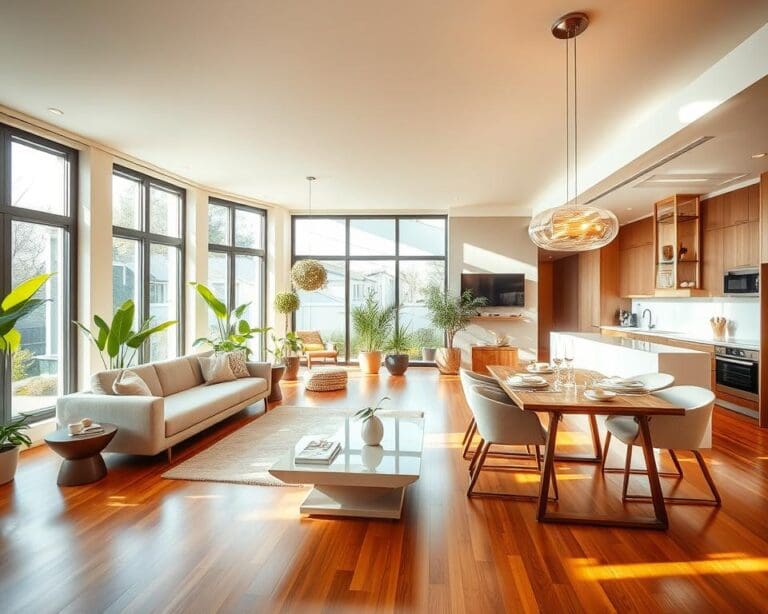
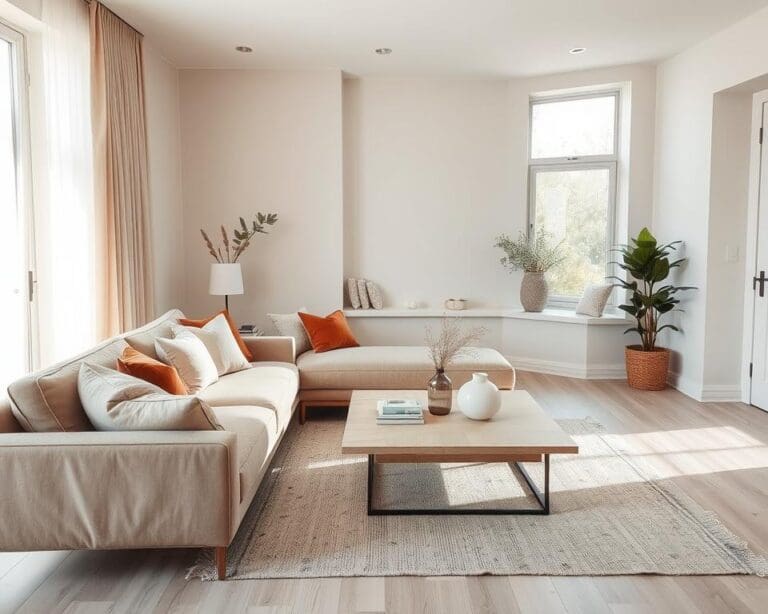
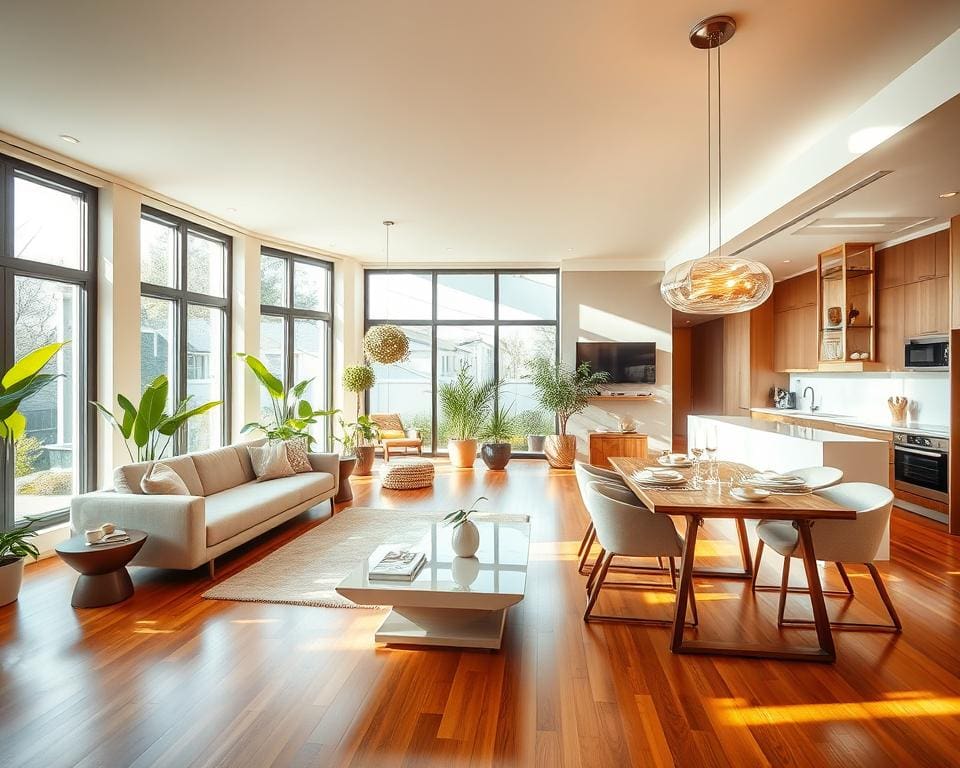
Beyond gadgets, contemporary home trends favor minimalist interiors and open-plan layouts that let rooms serve multiple purposes. Neutral palettes and natural textures create calm, while smart planning keeps everyday life efficient and clutter-free.
Sustainability now shapes choices as much as style. ENERGY STAR appliances, smart thermostats like Nest and Ecobee, rooftop solar from SunPower or Tesla Solar, and battery options such as Tesla Powerwall and LG Chem help cut bills and lower environmental impact.
At its best, modern home living pairs useful technology with thoughtful design and greener systems, so homes feel easier, healthier, and more intentional for daily life.
What defines modern home living today?
Modern homes blend thoughtful style with practical tech and green choices. A clear network, flexible layouts, and materials that age well shape spaces where people live, work, and rest. These elements form the backbone of smart home technology, home connectivity, home design principles, modern interior design, sustainable home features, and energy-efficient homes.
Smart home technology and connectivity
Smart devices now work in ecosystems that tie lights, speakers, cameras, and thermostats into one routine. Products from Amazon Echo, Google Nest Hub, and Apple HomePod can be orchestrated through hubs and assistants. Industry moves toward Matter aim to ease compatibility across brands.
Reliable home networking is essential. Mesh systems such as Netgear Orbi, Google Nest WiFi, and Amazon Eero cut dead zones and support many devices at once. Prioritize bandwidth, firmware updates, and guest network segregation for privacy and performance.
Practical automation examples make daily life smoother. Use Philips Hue or LIFX for lighting scenes, Ecobee and Nest thermostats for schedule-based comfort, and Arlo, Ring, or Nest Cam for security with geofencing and alerts. IFTTT-style routines let homeowners craft custom behaviors that match their rhythm.
Design principles shaping modern interiors
Open-plan layouts and minimalism maximize light and flexibility. Removing needless partitions and choosing multi-use furniture like foldaway desks and Murphy beds lets rooms adapt from work to leisure. This approach supports the ethos of contemporary modern interior design.
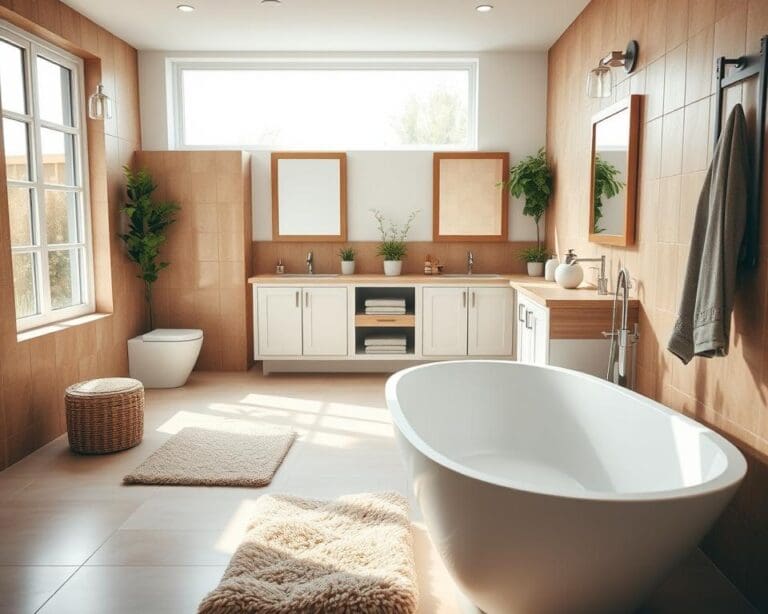
Material choices give rooms texture and longevity. Natural finishes—wood, stone, terracotta—pair well with mixed metals such as brushed brass or matte black. Low-VOC paints from Benjamin Moore and Sherwin-Williams protect indoor air while lasting longer.
Balance style with function by choosing performance textiles, easy-clean surfaces, and concealed storage. These decisions keep spaces calm and practical without sacrificing design intent or the core home design principles homeowners seek.
Sustainability and energy efficiency
Energy-saving upgrades cut bills and reduce impact. ENERGY STAR appliances, high-efficiency HVAC systems, and better insulation like spray foam or cellulose improve comfort year-round. Double- or triple-pane windows boost thermal performance.
Renewable energy fits seamlessly into modern homes. Rooftop solar from SunPower or Tesla Solar teamed with battery backups such as Tesla Powerwall shifts usage and enhances resilience during outages. Smart inverters help match generation to demand.
Water conservation and healthier materials round out sustainable choices. Low-flow fixtures, greywater options where feasible, and low- or no-VOC finishes matter. Circular design—repurposing, upcycling, and choosing brands with take-back programs—extends product life and reduces waste.
Explore how these trends come together in contemporary projects and product picks at modern interior design trends, where sustainability and adaptability guide today’s home choices.
Modern lifestyle priorities influencing home choices
The way people pick homes has shifted. Buyers now weigh flexibility, health, and community as part of their decision. These priorities shape design, amenities, and even neighborhood choice.
Work-from-home and flexible living spaces
Ergonomic setups matter for long days at home. Sit-stand desks from Uplift or Fully and task chairs by Herman Miller or Steelcase reduce strain. Proper monitor height and layered lighting cut eye fatigue.
Sound control creates focus. Sound-absorbing panels, white-noise machines, and tight door seals form quiet zones for calls. Wired Ethernet and fast upload speeds keep video conferencing stable.
Small homes need smart planning. Sliding partitions, foldable furniture, and mobile privacy screens let rooms switch from classroom to office to living room in minutes. Scheduling shared spaces helps multitasking households stay organized.
Wellness, comfort, and indoor environmental quality
Natural light and biophilic touches lift mood. Skylights, reflective surfaces, and plants from Aerogarden bring nature inside. Philips tunable lighting can mimic daylight to support daily rhythms.
Indoor air quality drives choices for many buyers. HEPA air purifiers from Coway or Dyson, ERV/HRV ventilation, and HVAC zoning keep air clean and temperatures individualized. Tunable LEDs support circadian health.
Acoustic and thermal comfort add quiet and coziness. Double-pane windows, good insulation, and area rugs reduce noise. Soft surfaces improve echo and make spaces feel calm.
Community, location, and access to amenities
Walkable neighborhoods rank high for daily convenience. Buyers check Walk Score and seek nearby grocery stores, parks, and transit to cut commute time and boost activity.
Shared amenities influence apartment choices. Co-working lounges, fitness centers, package lockers, bike storage, and rooftop gardens meet social needs. The rise of professionally managed co-living trends shows demand for community and convenience.
Proximity to services matters for all ages. Easy access to healthcare, childcare, and grocery stores shapes choices for families and older adults who value practical, local support.
Practical steps to create a modern home environment
Start with a clear vision and a realistic budget: early choices shape cost, timeline, and final quality. Rank improvements by impact and return—seal drafts and upgrade insulation first to cut recurring bills. Pair those envelope fixes with a reliable mesh Wi‑Fi system if connectivity is a bottleneck, and consider smart thermostats such as Ecobee or Nest to trim energy use.
Phase modern home upgrades to spread cost and reduce disruption. Begin with plug-and-play smart devices like smart plugs and tunable LED bulbs before committing to whole-house systems. Time larger investments—solar panels, battery storage, or a new roof—so you avoid redundant work and capture incentives such as the federal Investment Tax Credit (ITC). For planning and survey guidance, consult resources like this remodel primer at first steps in remodeling.
Vet professionals carefully: verify licenses and insurance, request references and portfolios, and check reviews on Angie’s List, Houzz, and Google. When choosing a smart home installer or designer, weigh open-source platforms (Home Assistant, openHAB) versus closed ecosystems (Amazon, Google, Apple) for long-term needs and support. Ask about firmware updates, device end-of-life policies, and warranties before purchase.
Adopt simple, high-impact home improvement tips now: declutter with concealed storage and modular shelving, swap to Philips Hue or LIFX LEDs, and add programmable thermostats to reduce waste. Introduce biophilic touches—houseplants, natural-fiber rugs, breathable bedding—and pilot devices while monitoring energy with tools like Sense. Start small, measure results, leverage local rebates and state programs, and favor neutral foundational finishes so your home can evolve with future sustainable renovations.