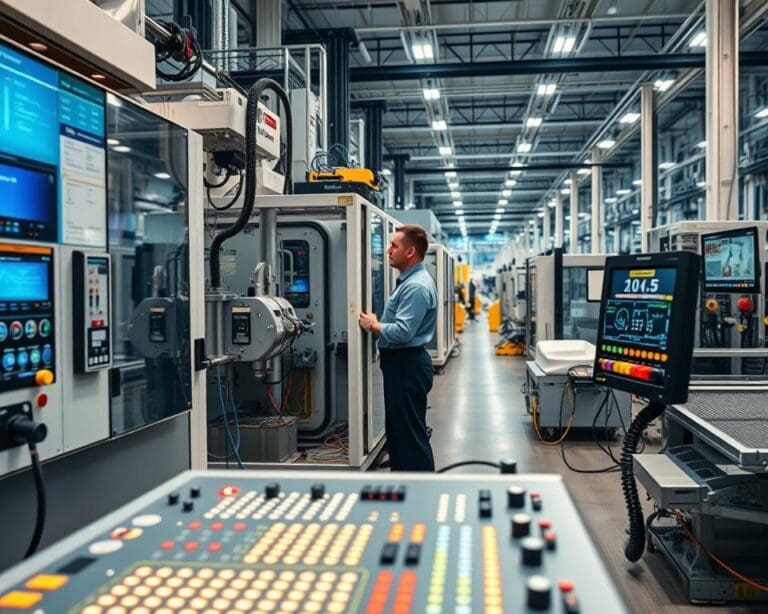
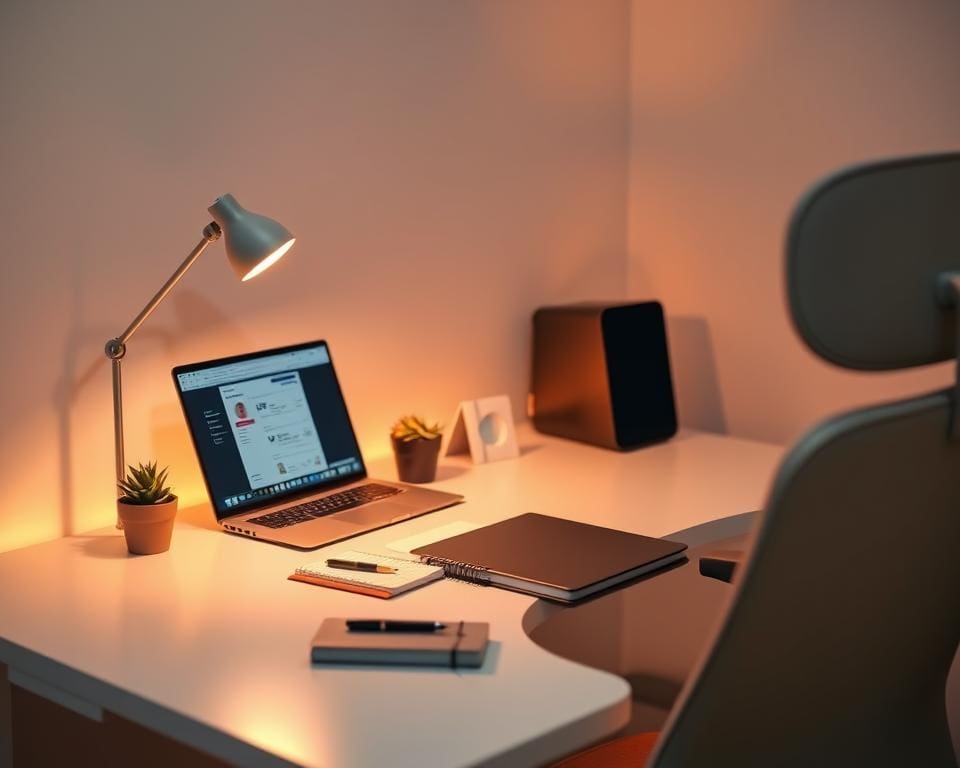
A well-considered desk setup plays a pivotal role in enhancing focus and comfort while working. In today’s fast-paced environment, especially for professionals and remote workers, creating a tailored workspace not only promotes productivity but also safeguards physical well-being. Studies have shown that an effective desk configuration can significantly alleviate strain and improve concentration. By implementing practical solutions that cater to individual needs, anyone can unlock a workspace that stimulates efficiency and encourages a balanced approach to work. The pursuit of the ideal desk setup is more than just an organisational task; it is essential for achieving lasting productivity and comfort.
Understanding the Importance of an Ergonomic Desk Setup
Creating an optimal workspace involves understanding the definition of ergonomics, which is fundamentally about designing that space to meet the user’s needs. The focus is on enhancing comfort and efficiency while minimising potential risks for injuries. An ergonomic desk setup should thoughtfully consider various aspects including furniture dimensions and the arrangement of equipment to support natural posture and movement.
The Definition of Ergonomics
At its core, ergonomics meaning refers to the science of designing workspaces that fit individuals rather than forcing individuals to adapt to their surroundings. This discipline encompasses a holistic approach, aiming for a seamless integration of the workstation layout, tool selection, and overall environment to boost productivity and well-being.
Benefits of an Ergonomic Workspace
The advantages of establishing an ergonomic desk setup extend far beyond mere comfort. A well-designed workspace can significantly reduce discomfort and enhance overall health. Key benefits include:
- Minimisation of health issues like back pain and neck strain.
- Improvement in posture, reducing the likelihood of musculoskeletal disorders, as endorsed by the National Institute for Occupational Safety and Health.
- Enhanced productivity through optimal comfort.
- Integration of tools such as monitor stands and anti-fatigue mats to further support an ergonomic environment.
Incorporating simple practices, like regular stretching and using ergonomic furniture, can greatly boost your workspace’s effectiveness. Explore more strategies to improve your posture in a professional context by visiting this resource.
Choosing the Right Desk and Chair for Ultimate Comfort
Creating a workspace that enhances comfort and productivity revolves around the choice of desk and chair. The right desk and chair can make a significant difference in posture and overall well-being. Numerous desk types, such as standing desks and sitting desks, offer unique advantages tailored to individual preferences and work habits. Understanding these options leads to improved comfort and flexibility in workflow.
Types of Desks: Standing vs. Sitting
Standing desks are gaining traction as they encourage more active work habits. By allowing users to alternate between sitting and standing, they promote better posture and can decrease the likelihood of back pain. On the other hand, traditional sitting desks are widely used for their familiarity and comfort in providing a stable work surface. Brands like Flexispot and Vari provide quality solutions that cater to both standing and sitting preferences. Which desk is ideal often comes down to personal needs and the desired flexibility in workflow.
Chair Features: Support, Adjustability, and Material
The selection of a chair is equally crucial. An ergonomic office chair should offer adequate lumbar support and adjustable armrests to accommodate different body types. Opt for materials that provide comfort over extended periods. An optimal chair allows for proper alignment so that forearms remain parallel to the ground while typing, promoting a natural wrist position. With the right combinations of desk types and chairs, achieving the ultimate comfort during work hours is very much attainable. Engaging in stretching exercises throughout the day can further improve posture and reduce discomfort. For further tips on improving posture while working, explore the available resources here.
What desk setup boosts focus and comfort?
Creating an environment that enhances productivity hinges on the right desk setup elements. A carefully arranged space can elevate focus and provide comfort in the workspace, allowing for longer, more enjoyable work periods. Proper positioning of furniture, lighting, and personal touch can drastically impact the overall atmosphere.
Key Elements for Improvement
Strategic design of a desk setup includes several essential factors. Arranging furniture to optimise the flow of movement is crucial. Positioning the computer screen at eye level alleviates strain and promotes eye health, contributing to sustained concentration. Effective lighting, particularly natural light, has shown remarkable benefits, fostering a healthier work environment.
Personalising Your Workspace
Incorporating decorative elements into your workspace can inspire creativity while maintaining focus. Elements such as plants enrich the air quality and create a more inviting atmosphere. Personal touches, like family photos or motivational quotes, infuse the space with positivity, reinforcing comfort in the workspace. Explore solutions that resonate with your style while enhancing functionality. For additional tips on improving productivity, consider visiting this resource.
Optimising Your Desk Layout for Enhanced Productivity
Creating an effective desk layout involves thoughtful zoning of your workspace to distinct areas tailored for specific tasks. This strategic organisation can significantly boost productivity by reducing distractions and enhancing focus. Furthermore, maintaining a logical flow between frequently used items allows for effortless access to tools and resources, promoting efficiency as you navigate your daily activities.
Effective Arrangements: Zoning Your Workspace
Implementing effective zoning in your workspace provides clarity in task management. By delineating areas for work, relaxation, and storage, you can optimise your desk layout and create a harmonious environment. Consider incorporating four core principles for successful zoning: clarity, efficiency, organisation, and adaptability. Each principle plays a pivotal role in streamlining your workflow and nurturing an atmosphere conducive to productivity.
Minimising Clutter and Distractions
A tidy workspace is essential for maintaining a clear mind. Implementing decluttering strategies can contribute to a serene desk layout, allowing you to concentrate on your tasks. Personal items such as family photos or plants can enhance the workplace atmosphere, fostering creativity. Incorporating elements like plants not only improves air quality but also offers calming visuals, making your zoning workspace both functional and aesthetically pleasing. Explore more about effective workspace designs at this resource.
Incorporating Technology for a Modern Workspace
Embracing technology in workspace design can transform productivity and enhance overall comfort. The introduction of efficient modern office tools has revolutionised how we approach work. Integrating smart gadgets not only fosters organisation but also encourages a balanced and focused environment.
Essential Gadgets for Efficiency
Efficiency gadgets can significantly increase workplace performance. Consider incorporating tools such as:
- Noise-cancelling headphones, which help minimise distractions while working.
- Ergonomic keyboards that promote comfort during long typing sessions.
- Organisational apps designed to streamline task management and keep projects on track.
Brands like Logitech and Anker offer well-regarded options that cater specifically to professionals aiming for efficiency. Choosing the right modern office tools can pave the path for productivity and focus.
Smart Home Solutions for a Balanced Environment
Utilising smart technology can create a more inviting workspace. Features such as adjustable lighting, climate control systems, and smart speakers contribute to a healthier atmosphere. Workplaces equipped with technology in workspace settings can promote better concentration and a higher level of comfort. It is essential to regularly incorporate movement and stretches to balance the sedentary nature of office work.
Creating a Positive Work Atmosphere
Establishing a positive work atmosphere is essential for fostering both individual and team productivity. Beyond the physical layout of desks and chairs, the emotional climate of the workplace significantly influences employee morale. By introducing elements that exemplify teamwork and open communication, organisations can cultivate an environment that encourages collaboration and personal growth.
A supportive workplace ambience can be enhanced through community-building activities that engage employees and strengthen relationships. Regular team-building exercises and social events create opportunities for staff to connect on a personal level, reducing barriers and promoting camaraderie. Research highlights that companies with a vibrant culture not only experience higher morale but also report increased employee retention rates, indicating the long-lasting benefits of a nurturing environment.
Ultimately, investing in a positive work atmosphere is not merely about creating comfort; it is about crafting a space where individuals feel valued and motivated. By prioritising emotional wellness alongside physical ergonomics, businesses can unlock new levels of performance and job satisfaction, solidifying their success in an ever-competitive landscape.