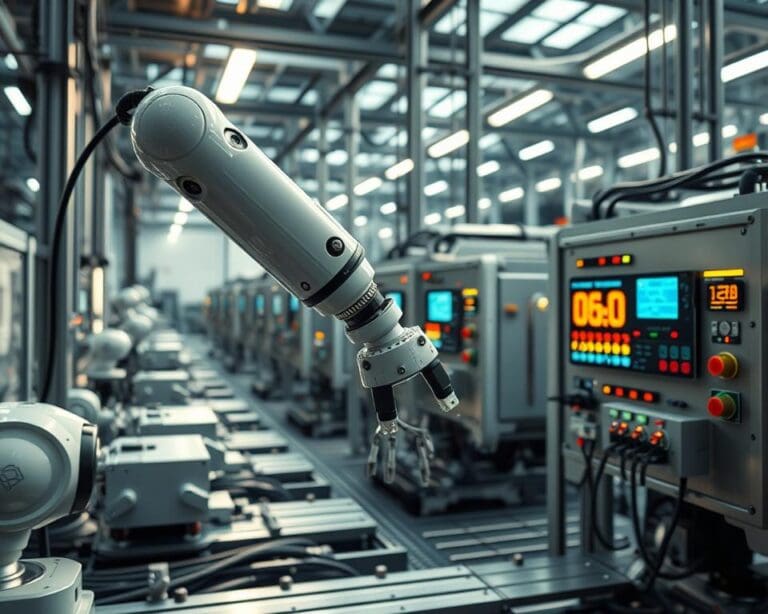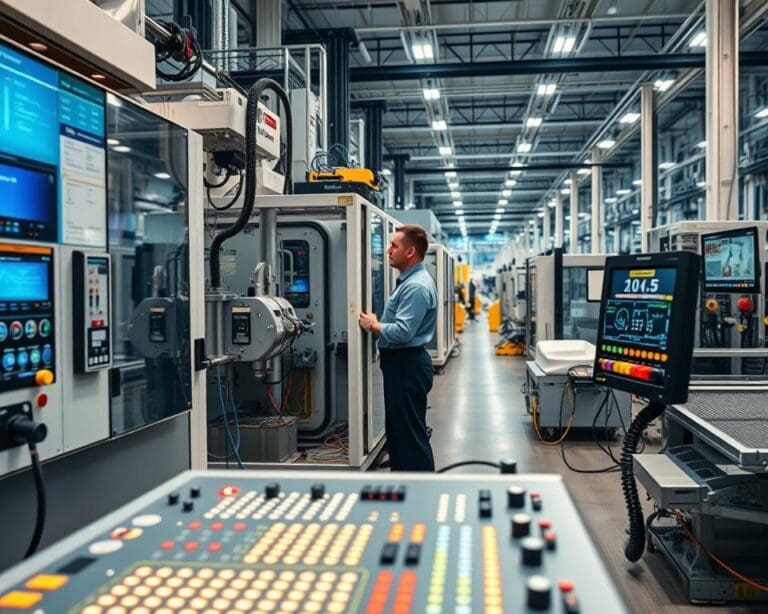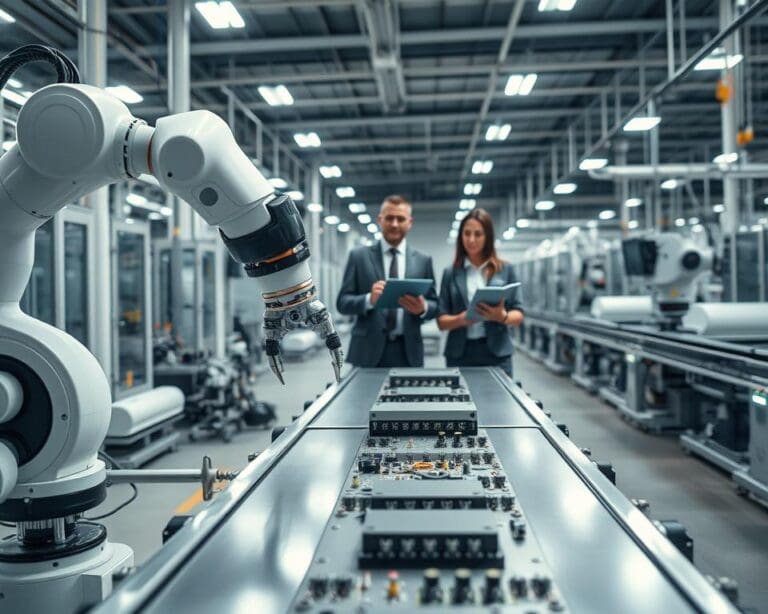
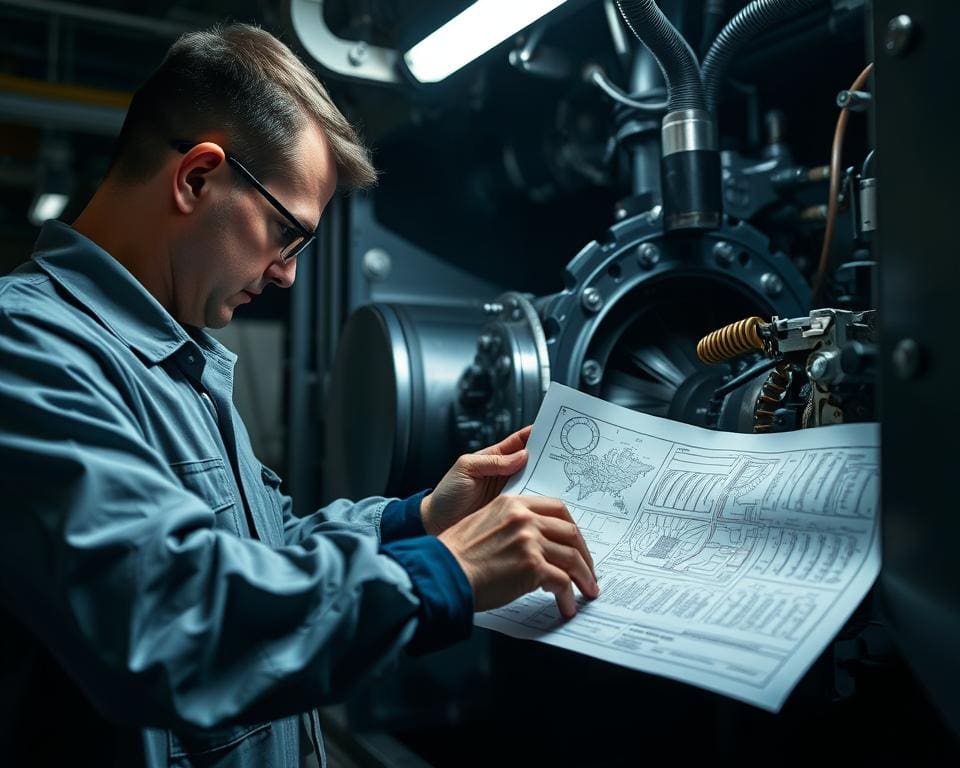
The role of a maintenance technician is vital in maintaining the functionality and safety of machinery, equipment, and facilities across various industries. Understanding what a maintenance technician does involves recognising their diverse responsibilities and essential contributions. These professionals are tasked with executing everything from routine checks to complex repairs, ensuring operational efficiency is upheld. Exploring the maintenance technician roles unveils their importance not only in smooth-running systems but also highlights the invaluable skillset they bring to the economy.
The Essential Roles of a Maintenance Technician
The roles of maintenance technician encompass a vital range of functions that contribute significantly to the smooth running of various sectors. These professionals are tasked with numerous responsibilities, such as performing installations, conducting repairs, and ensuring routine maintenance checks are up to standard.
The importance of maintenance technicians extends beyond basic repairs as they play a key role in maintaining the efficiency and longevity of essential equipment. By adhering to health and safety regulations, these technicians protect not only themselves but also their colleagues and the integrity of the workplace environment. Facilities across industries like manufacturing, healthcare, and construction rely on their expertise to maintain operational continuity.
Understanding the various maintenance technician duties equips businesses with the knowledge to appreciate the true value these professionals bring. Their skills are essential in pre-emptively addressing potential issues, ultimately safeguarding productivity and minimising downtime.
Daily Tasks and Responsibilities
Maintenance technicians carry a host of responsibilities that ensure the efficient operation of equipment and facilities. Among the daily tasks of maintenance technician, conducting thorough inspections forms a vital component in identifying potential malfunctions early, allowing for proactive interventions. This routine not only enhances safety but ensures that systems operate at peak efficiency.
Routine Inspections and Assessments
Routine inspections and assessments cover various aspects of the facility, including:
- Machinery condition
- Electrical systems functionality
- Plumbing integrity
By regularly performing these maintenance tasks, technicians can foresee and address issues prior to them escalating. This practice not only maximises operational efficiency but also minimises disruption, creating a smoother workflow for all involved.
Preventative Maintenance Procedures
In addition to inspections, preventative maintenance is essential for prolonging the lifespan of equipment. This includes a variety of scheduled activities such as:
- Servicing equipment.
- Replacing worn parts.
- Calibrating systems as needed.
Such measures significantly contribute to reducing long-term costs associated with unexpected repairs. Emphasising preventative maintenance as a core aspect of a technician’s role reflects a commitment to sustainability and operational excellence.
Skills Required for the Job
To thrive as a maintenance technician, a comprehensive array of skills is essential. A solid foundation of technical skills enables individuals to navigate various systems effectively. This expertise spans multiple areas, including HVAC systems, plumbing, electrical configurations, and mechanical operations. Mastering these skills allows technicians to address diverse maintenance challenges with confidence.
Technical Expertise in Various Systems
Possessing a high level of technical knowledge is fundamental. Technicians must be well-versed in the functioning and troubleshooting of different systems. This versatility prepares them to manage a wide range of tasks, ensuring that they remain valuable assets within their teams. Having technical skills not only enhances efficiency but also minimises downtime for clients, which is a vital aspect of maintenance work.
Problem-Solving and Critical Thinking Abilities
Another crucial element is the ability to employ problem-solving skills effectively. Maintenance technicians often encounter unexpected issues that require immediate attention. Critical thinking plays a significant role in diagnosing problems accurately. By analysing situations and evaluating possible solutions, technicians can implement the most effective strategies to resolve various issues quickly.
Communication Skills with Team and Clients
Strong communication skills are equally important in this profession. Technicians must interact not only with colleagues but also with clients, fostering an environment of transparency and cooperation. Clear communication ensures that everyone understands the nature of maintenance activities and any necessary follow-up actions, building trust and enhancing collaboration within teams and with clients.
What does a maintenance technician really do?
Maintenance technicians play a crucial role that extends far beyond routine inspections. Their expertise lies in executing hands-on maintenance, ensuring that systems function smoothly and efficiently. The complexity of modern machinery often leads to unforeseen challenges, demanding proficiency in troubleshooting techniques to address problems effectively and swiftly.
Hands-On Repairs and Troubleshooting
When equipment malfunctions, it is the technician’s responsibility to engage in hands-on repairs. This practical experience enables them to diagnose issues accurately and implement lasting solutions. Utilising various troubleshooting techniques, technicians respond to emergencies with agility, limiting downtime and safeguarding operations.
Collaboration with Other Professionals
Effective collaboration in maintenance is essential for managing multifaceted projects. Technicians often work alongside electricians, engineers, and specialised contractors, bringing together a diverse range of skills and insights. This teamwork not only enhances the quality of maintenance efforts but also fosters a culture of shared knowledge and continuous improvement across various fields.
Tools and Equipment Utilised
Maintenance technicians depend on a broad range of tools for maintenance technicians to ensure their work is completed efficiently and effectively. The variety of maintenance equipment they utilise includes everything from basic hand tools to advanced diagnostic machinery. Among the most crucial of the essential maintenance tools are wrenches, screwdrivers, and power drills, which play a fundamental role in performing repairs and installations.
In addition to these tools, maintenance technicians rely on sophisticated diagnostic equipment to evaluate mechanical and electrical systems. Mastery of these tools not only enhances the quality of their work but also strengthens compliance with essential safety standards and regulations. Continuous training ensures technicians remain adept in using both traditional and modern maintenance equipment, empowering them to tackle even the most complex challenges with confidence.
Industry-Specific Applications
The application of maintenance skills varies between residential and commercial settings, each with unique demands and challenges. Understanding these differences equips technicians to meet a broad range of client needs effectively.
Residential vs. Commercial Maintenance
Residential maintenance focuses primarily on individual homes, where technicians tackle issues in plumbing, electrical, and heating, ventilation, and air conditioning (HVAC) systems. This environment often requires exceptional customer service skills as technicians interact directly with homeowners. In contrast, commercial maintenance engages larger systems and complex operations within business environments. Here, technicians may deal with extensive HVAC systems, industrial-grade plumbing, and advanced electrical setups, necessitating specialised training and a deeper understanding of system dynamics.
Specialised Industries and Their Requirements
Specialised industry requirements add an additional layer of complexity to the maintenance landscape. Sectors such as healthcare, manufacturing, and hospitality demand technicians with not only solid technical skills but also specific certifications to comply with regulatory standards. Maintenance in these specialised industries often involves stringent safety protocols and ongoing training to keep up with evolving technologies and practices, ensuring that technicians remain competent in their roles.
The Importance of Safety Regulations
Safety regulations are fundamental in the maintenance industry, ensuring both technicians and their work environments remain secure. The necessity for adherence to stringent safety standards shapes the everyday functions of maintenance technicians. These professionals must wear personal protective equipment (PPE) while handling tools and working with potentially hazardous materials.
The compliance in maintenance work serves a dual purpose. It not only protects individuals from accidents but also safeguards companies against legal repercussions. Awareness of the importance of safety standards nurtures a culture of responsibility and care within the workplace. Employing proper safety practices is more than a rule; it is an essential aspect of a maintenance technician’s role, fostering a safe and efficient working environment.
Career Path and Advancement Opportunities
Embarking on a maintenance technician career path offers individuals a chance to engage in a field that is both dynamic and essential. Many start their journey as apprentices or junior technicians, where they can gain hands-on experience and foundational skills that will serve them well throughout their careers. As they progress, these professionals often find themselves moving into senior roles, supervisory positions, or even specialised functions that are integral to specific industries.
For those committed to developing a maintenance career, continuous professional development is crucial. Engaging in further training, obtaining relevant certifications, and embracing ongoing learning opportunities can significantly enhance one’s career prospects. Not only do these advancements equip technicians with the latest skills and knowledge, but they also open doors to valuable advancement opportunities in maintenance, potentially leading to higher salaries and increased job satisfaction.
Furthermore, seasoned maintenance technicians may find themselves drawn to related fields such as facility management or project management. Transitioning into these areas allows for greater professional scope and influence within the industry. As the demand for skilled technicians continues to grow, those who actively seek to expand their skills and knowledge will undoubtedly thrive in their careers.