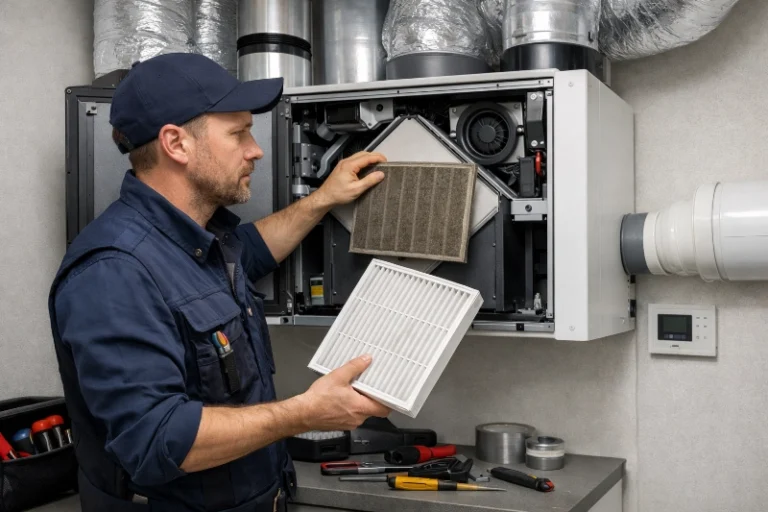
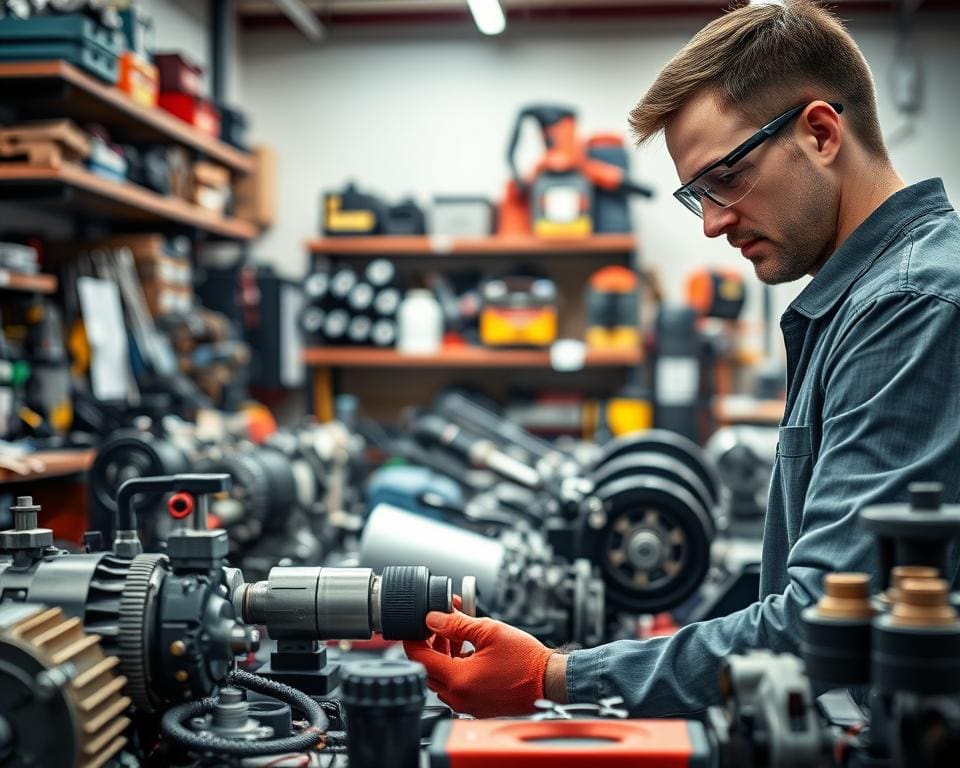
A mechanical technician specialisation centres on hands‑on work with machines and systems. In the UK, the mechanical technician role UK is often found in manufacturing, automotive, aerospace and energy sectors. These technicians install, maintain, troubleshoot and optimise mechanical equipment rather than focus on high‑level design.
Typical areas include rotating machinery — motors, gearboxes and pumps — fluid power such as pneumatics and hydraulics, thermal systems like cooling and HVAC, and mechanical assemblies including bearings, shafts and couplings. Many technicians also develop cross‑discipline competence in electrical and digital diagnostics, broadening their practical toolkit.
The practical responsibilities of a mechanical maintenance specialist are safety‑led and methodical. Tasks include preventive maintenance, condition monitoring, emergency repair, alignment and balancing, component replacement and strict compliance with statutory standards such as PUWER and LOLER where relevant.
This article takes a product‑review perspective to assess what does a mechanical technician do when evaluating hardware. We will judge technicians by the tools they use, diagnostic approaches, certifications and track record in testing, repair and validation. Subsequent sections cover hardware focus, core systems, tools, skills, industry sectors and how to choose the right expert for a review.
What does a hardware specialist focus on?
The hardware specialist focus lies with the tangible parts that make machines and systems work. This role centres on mechanical parts, electromechanical systems and the instruments that monitor and control them. In product settings such as industrial machinery or test rigs, emphasis falls on build quality, tolerances and wear. In IT contexts an IT hardware specialist may work on servers, workstations and embedded boards.
Defining the role and its scope
A hardware specialist assesses physical interfaces, material fatigue and mechanical reliability. They advise engineers, quality assurance and procurement teams to improve maintainability and testability. Their scope stretches from bench validation of prototypes to field inspections of installed systems.
Everyday tasks and responsibilities
- Inspect assemblies for wear and document faults.
- Disassemble and reassemble components, replace seals and bearings.
- Perform alignment, leak tests on hydraulic systems and routine preventive maintenance.
- Set up rigs for life-cycle testing and bench-test prototypes.
- Validate OEM parts from brands such as SKF, Bosch Rexroth, Parker Hannifin and Siemens.
- Prepare service reports, update CMMS records in systems like IBM Maximo or SAP PM and manage spare parts inventory.
How this focus differs from other technical roles
Hardware roles are execution- and maintenance-oriented rather than design- or code-centred. A hardware specialist prioritises mechanical integrity and moving parts. Electrical technicians concentrate on wiring, control circuits and power distribution, while software teams handle algorithms and interfaces. This distinction clarifies hardware versus software roles when assessing product robustness.
Mechanical hardware expertise brings unique value to product review and service. Where software reviewers may miss physical wear or ease of repair, a hardware technician focus uncovers real-world durability and maintenance demands. That practical insight guides better design choices and procurement decisions.
Core mechanical systems a technician works with
Mechanical technicians keep complex plants running by mastering three core system groups. Each group demands distinct knowledge, tools and safety routines. The following notes outline practical tasks and industry standards that shape daily work in UK workshops and on-site service calls.
Pneumatics and hydraulics: principles and maintenance
Pneumatics use compressed air for swift, clean actuation. Hydraulics rely on fluid power to deliver higher force and finer control. Technicians learn the difference in pressure ranges, force density and control response so they can choose correct components and fluids.
Common parts include cylinders, directional valves, compressors, pumps, reservoirs, filters, seals and hoses. Brands such as Festo and SMC are often found on pneumatic cabinets while Bosch Rexroth and Parker feature in hydraulic assemblies.
Routine tasks cover leak detection, filter replacement, scheduled oil changes and seal renewal. Pressure testing and reservoir flushing remove contaminants. Correct hydraulic fluid selection, using ISO viscosity grades, preserves performance and reduces wear.
Safety is essential when working with high-pressure circuits. Lock-out/tag-out procedures and properly set pressure relief devices protect teams from sudden releases and equipment damage.
Rotating equipment: bearings, shafts and alignments
Rotating plant includes electric motors, pumps, fans, gearboxes and couplings. Precision work on these items prevents unplanned downtime and extends service life.
Key maintenance actions include bearing inspection, lubrication, vibration analysis and shaft alignment. Technicians use laser alignment tools by Fluke or Fixturlaser for accurate set-up. Condition monitoring through vibration FFT, thermography and oil analysis identifies early faults.
Common failure modes are misalignment, bearing fatigue, lubricant contamination and resonance. Best practice demands root-cause analysis before parts replacement and fitting authorised OEM components such as SKF bearings to protect mean time between failures.
Thermal systems and cooling mechanisms
Thermal systems span heat exchangers, chillers, radiators, fans and refrigeration circuits that stabilise process temperatures. Technicians link thermal performance directly to product quality and throughput.
Tasks include monitoring temperatures, checking coolant quality, cleaning exchanger surfaces and verifying fan and pump operation. Refrigerant charging and leak detection use manifold gauges and dedicated leak detectors.
Material compatibility and corrosion prevention matter when selecting coolants and seals. Compliance with UK F-gas regulations is required when handling refrigerants. Regular cooling system servicing supports reliability and keeps production targets on track.
Tools, instruments and diagnostic equipment used
A skilled technician depends on a balanced mix of hand tools, workshop machinery and precision instruments to deliver reliable maintenance and inspection. This brief guide outlines the practical items found on a typical technician tools list and shows how calibration, diagnostics and modern software shape effective work in UK workshops.
Hand tools and workshop machinery
Essential hand tools include torque wrenches, spanners, pliers, pullers and cut-off tools. Hydraulic presses and lifting gear such as slings and hoists appear on heavier jobs. Personal protective equipment (safety glasses, gloves and hearing protection) is vital for safe operation.
Common workshop machinery for fabrication and repair comprises lathes, milling machines, drill presses, surface grinders and larger hydraulic presses. Small workshops often trust brands like Myford and Colchester for reliable machine tools. Suppliers such as HSS Hire and Axminster provide hire and tooling options across workshop machinery UK.
Routine maintenance and safe operation extend tool life. Simple checks, correct mounting, guarding and scheduled servicing cut downtime and improve inspection accuracy.
Precision measuring instruments and calibration
Precision measuring tools include micrometres, vernier calipers, dial indicators, bore gauges, laser alignment tools and surface roughness testers. These instruments let technicians measure tolerances on shafts, check bearing diameters, inspect valve seats and verify flatness of mating surfaces.
Calibration instruments and traceable services are essential for credible results. Many workshops use UKAS-accredited calibration to ensure measurement traceability and to produce documented calibration certificates. Regular calibration frequency, controlled environment and clear records prevent drift and support robust product reviews.
Digital diagnostic tools and software applications
Electronic test gear ranges from vibration analysers such as SKF Microlog and thermal imagers by FLIR to ultrasonic detectors, multimeters and portable oscilloscopes. These tools speed fault-finding on electromechanical systems and reveal issues invisible to visual inspection.
Diagnostic software for technicians covers everything from CMMS platforms like IBM Maximo and SAP PM to PLC and drive suites such as Siemens TIA Portal and Rockwell Studio 5000. Data-logging and analysis tools including LabVIEW and specialist vibration packages add depth to condition assessments.
IoT sensors and condition-monitoring platforms enable predictive maintenance by streaming real-time data. Linking logged performance to analytics and to practical workshop processes strengthens quality control. For practical quality routines and a view on how technicians ensure plant standards, see this quality assurance overview, which complements the technician tools list and digital approaches described here.
Skills and qualifications for a successful mechanical technician
Becoming an effective mechanical technician blends formal credentials with hands-on craft and strong people skills. Employers in the United Kingdom prize recognised mechanical technician qualifications UK alongside practical experience gained through apprenticeships and vocational training engineering. The right mix helps technicians work safely, diagnose faults swiftly and support product reviews with clear evidence.
Common UK pathways include NVQ/SVQ Level 2 and 3 in Mechanical Engineering, City & Guilds diplomas and BTEC certificates. T‑levels and advanced apprenticeship programmes give structured shop-floor exposure. Higher technical study such as HNC or HND in Mechanical Engineering supports progression to senior roles.
Professional registration matters for credibility. EngTech recognition via the Engineering Council and membership of the Institution of Mechanical Engineers give formal standing. Manufacturer courses from Siemens, Bosch Rexroth and Parker build product-specific competence. Safety certificates such as IPAF and PASMA complete a compliant training portfolio.
Practical skills: troubleshooting, repair and fabrication
Good technicians show methodical troubleshooting mechanical systems skills. They use multimeters, vibration analysers and thermal cameras to isolate root causes and verify repairs.
Repair and fabrication cover welding (MIG/TIG), machining and accurate fitting. Tasks include bearing and seal replacement, gasket fabrication and reconditioning parts to OEM tolerances. Strong parts traceability and well‑kept records protect warranties and quality audits.
Soft skills: communication, documentation and safety awareness
Technician soft skills make technical work persuasive and repeatable. Clear communication with engineers, operators and procurement speeds decision making and reduces downtime.
Meticulous documentation is central to trust. Concise service reports, maintenance logs, calibration certificates and safety data sheets create an audit trail for product reviews.
Safety awareness underpins every task. Following risk assessments, permit‑to‑work systems, COSHH guidance and basic first aid builds a safety‑first culture that clients and colleagues value.
Industry specialisations and sectors employing mechanical technicians
The demand for skilled technicians spans a wide range of industries hiring mechanical technicians across the UK. Roles vary by sector, yet the core aim stays the same: keep machinery safe, reliable and productive. Below are distinct areas where technicians build rewarding careers.
Manufacturing and assembly lines
Manufacturing technician roles in fast-moving consumer goods, electronics assembly and heavy manufacturing focus on preventive maintenance, line changeovers and throughput optimisation.
Common equipment includes conveyors, pick-and-place machines, CNC machinery and industrial robots from suppliers such as ABB, FANUC and KUKA. Employers measure success with KPIs like overall equipment effectiveness (OEE), mean time to repair (MTTR) and mean time between failures (MTBF).
Automotive and aerospace maintenance
Automotive technicians service assembly equipment, test benches and engine test rigs at OEM plants and garages for firms like Jaguar Land Rover and Nissan UK. Work often blends workshop diagnostics with production support.
An aerospace maintenance technician faces stricter regulation and documentation. Tasks include maintaining ground support equipment and component test rigs under EASA and CAA practices. Traceability and quality control are essential in both sectors.
Energy, utilities and heavy industries
Energy sector technicians UK operate in power generation, oil and gas, renewables and utilities. Work ranges from gas and steam turbine maintenance to wind turbine servicing and water treatment plant machinery upkeep.
Technicians handle large rotating equipment, high-pressure systems and planned plant shut-downs for operators such as SSE, National Grid and Siemens Energy. The roles require robust condition monitoring, strict regulatory compliance and careful hazard management.
- Key skills: mechanical fault-finding, condition monitoring and preventive maintenance.
- Common priorities: safety, traceability and minimising downtime.
- Career drivers: specialist certifications, hands-on experience and sector-specific licences.
Career progression and opportunities for advancement
Starting as a junior tradesperson, a mechanical technician career path often moves through clear stages. Early roles focus on hands-on repairs and routine maintenance. As skills deepen, responsibility shifts towards planning and oversight.
Progression typically follows an ordered route:
- Junior technician
- Qualified technician
- Senior technician
- Team leader or supervisor
At senior level, tasks change from executing repairs to coordinating shifts, scheduling preventive maintenance and mentoring apprentices. Supervisors manage small teams, monitor safety and take charge of compliance duties.
From technician to senior technician or supervisor
Moving from technician to senior technician requires consistent performance and wider technical knowledge. Employers in manufacturing and utilities look for people who can plan work, control basic costs and deliver on schedule. Pay rises reflect added duties and the responsibility for safety oversight.
Successful candidates show leadership on the shop floor, present clear job plans and improve maintenance workflows. Practical experience plus recognised qualifications speed promotion.
Specialist certifications and continuous professional development
Professional development technicians should aim for targeted accreditations to stay competitive. Technician certifications UK include NVQ Level 3 or 4, HNC/HND and vendor schemes from Siemens and SKF. Short courses in vibration analysis, thermal imaging and PLCs add immediate value.
Joining bodies such as the Institution of Mechanical Engineers and attending industry events like Advanced Engineering UK or the MACH exhibition keeps skills current. Digital know-how in IoT, data analytics and CMMS software is vital.
Transitioning to engineering, management or consultancy roles
For those aiming to move from technician to engineer, further study is often needed. Degree routes or conversion courses can lead to chartered status and roles in design or reliability engineering. Experienced technicians may become maintenance managers or independent consultants.
Consultancy options include lifecycle planning, root-cause analysis and specialist inspection services. Some technicians launch businesses offering OEM assessment or act as technical assessors for certification bodies. Such pathways reward practical expertise with broader influence and varied income streams.
How to choose the right mechanical technician for a product review
Begin by defining the objectives of the review. Are you after durability testing, maintainability assessment, failure analysis or pre‑market validation? Make sure the person you choose mechanical technician for the job has direct experience that matches those aims. A clear brief reduces wasted time and keeps technician product testing focused on what matters.
Check technical credentials and sector experience next. Look for NVQ or City & Guilds qualifications, manufacturer certifications and familiarity with UKAS‑accredited calibration procedures. If the product is automotive or aerospace, prioritise technicians with relevant industry backgrounds; for energy or utilities work, experience with like systems will be essential for credible technical reviewer selection UK.
Assess hands‑on skills and documented evidence. Ask for sample service reports, test protocols, calibration certificates and case studies that show root‑cause analysis or reliability improvements. Confirm they can use laser alignment tools, vibration analysers and thermal imagers, and that they have access to workshop machinery for repairs or modifications when needed.
Finally, weigh communication, compliance and logistics. Choose someone who writes structured reports with photos and measurement data, understands PUWER, LOLER and F‑gas where relevant, and holds appropriate insurance. Align budget and timeline up front, allowing time for repeat tests or third‑party lab work. For hiring technician for product review in the UK, favour candidates who combine certified competence, documented review experience and clear communication to deliver persuasive, reliable evaluations.