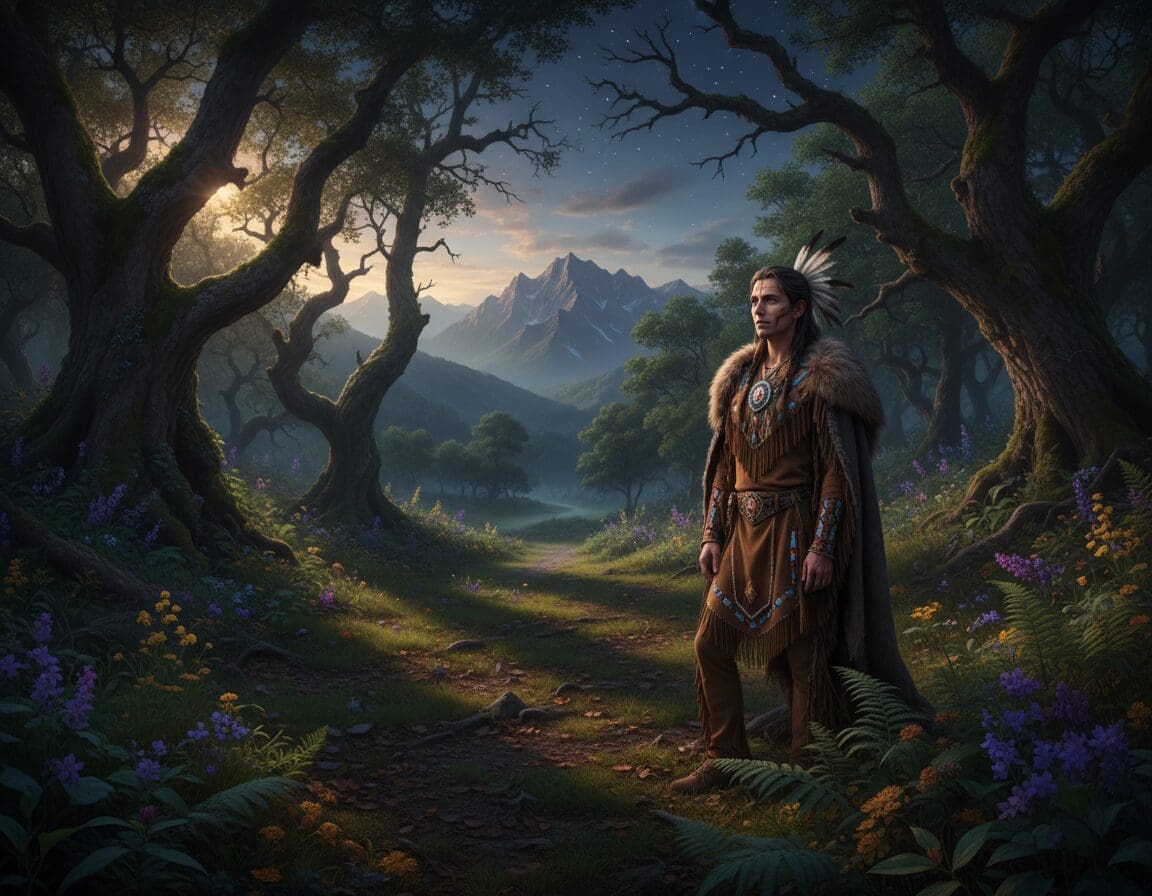
The question what skinwalker means sits at the meeting point of folklore, history and modern media. This introduction sets out a clear skinwalker definition and explains why readers in the United Kingdom and beyond should care. It invites curiosity, not fear, and frames the topic as an entry to deeper conversations about culture and belief.
In basic terms, the meaning of skinwalker in popular usage describes a person—often identified in Navajo lore as a witch or practitioner of harmful magic—who can transform into, possess, or disguise themselves as an animal. That concise definition sits alongside richer, more complex understandings held within Indigenous communities, and it matters to separate sensational portrayals from cultural resonance.
This article will set out skinwalker explained in three parts: definition and cultural context; stories, sightings and modern interpretation; and guidance on cultural sensitivity and further resources. Each section aims to be balanced and respectful, making clear that explanation is not endorsement of superstition but an invitation to learn.
Interest in the Navajo skinwalker has grown with podcasts, documentaries and streaming shows. Readers are encouraged to explore with nuance, to question sensational claims, and to listen to Indigenous voices. Approached with respect, the subject can broaden empathy and spark constructive dialogue about folklore and colonial history.
what skinwalker means: definition and cultural context
The phrase what skinwalker means prompts both curiosity and caution. In English the literal term “skinwalker” emerged as a way for outsiders to describe a Diné concept. That rendering masks layers of meaning held in the original language and practice.
The single Navajo word yee naaldlooshii is commonly translated as “he who walks on all fours” or “with it, he goes on all fours”. This literal translation shows one facet of skinwalker etymology, yet it cannot carry spiritual nuance or ritual context. Translation challenges arise because words hold cultural weight that direct English equivalents may erase.
Etymology and literal translation
Scholars note that skinwalker etymology reflects outsider attempts to render Navajo terms into English. Early anthropologists and missionaries produced many of the first written accounts. Those accounts framed the concept through foreign lenses, which shaped public ideas about yee naaldlooshii and related practices.
Careful study emphasises that a literal gloss is not the whole story. The term used by Diné people links language, ceremony and morality. Reducing it to a handy label risks losing the cultural context of skinwalker and its moral dimensions.
Navajo origins and traditional meanings
Within Diné belief systems the figure often associated with Navajo witches occupies a complex social role. Stories of malevolent practitioners serve as moral lessons, warn against taboo behaviour and explain sudden misfortune. Such tales can enforce social norms and protect communal values.
Many Navajo elders treat these topics as sensitive. Discussions about yee naaldlooshii may be discouraged with outsiders. Ethical research must respect such boundaries and seek informed consent when documenting belief and practice.
Differences between folklore, myth and contemporary usage
Academic work treats the phenomenon as part of a wider system of ritual, ethics and cosmology. Ethnographers aim to situate stories within living traditions rather than reduce them to spectacle. That approach contrasts with sensational portrayals found in horror films and internet threads.
Popular culture often collapses diverse beliefs into a single monster image. This shift blurs myth vs folklore skinwalker, turning a specific Diné concept into a broad shapeshifter trope. Such misapplication erodes Indigenous epistemologies and flattens rich meaning into entertainment.
Respectful engagement requires acknowledging historical factors that shaped records of these beliefs. Colonisation, missionary activity and early anthropological practices influenced how narratives were noted and shared. Awareness of that history helps readers approach the subject with humility and care.
Stories, sightings and modern interpretations of skinwalkers
Across news reports and oral tradition, skinwalker stories have become part of wider cultural conversation. Eyewitness accounts from the Navajo Nation and collections by journalists and researchers show a broad range of narratives. Some reports focus on eerie encounters at night, others describe unsettling changes in animals or people. Many tales are shared only within trusted circles because of cultural sensitivity, so public versions often lack context.
The record of yee naaldlooshii sightings includes dramatic descriptions that vary in detail and credibility. Some anecdotes serve social or moral roles within communities, teaching caution about transgression or misuse of power. Academic collectors such as Jill Doerfler and Matthew Martinez have noted that these narratives can perform community functions beyond the literal claims of transformation.
Notable eyewitness accounts
- Reported encounters across reservation lands that entered local news and radio discussions.
- Anecdotes recorded by ethnographers that highlight moral lessons and taboo enforcement.
- Personal testimonies gathered in interviews that stress fear, confusion and ritual responses.
How contemporary culture reframes the topic
Skinwalker media fuels much of the modern fascination. Horror films, television series and podcasts often sensationalise stories and detach them from Navajo cultural meaning. Bestselling books and documentaries have expanded interest abroad but can create misconceptions by casting skinwalkers as mere monsters or cryptids. Online forums amplify anecdote and speculation, shifting emphasis away from ritual context toward spectacle.
Some Indigenous writers and filmmakers push back with modern interpretations of skinwalkers that reclaim voice and nuance. Creative projects from Native authors, academics and producers work to correct misunderstandings while blending tradition with modern themes. Those efforts encourage readers and viewers to engage respectfully and learn from source communities rather than rely on caricatured portrayals.
Comparative perspectives on transformation myths
Shapeshifter legends appear across the globe. European werewolves, Japanese kitsune, Scottish selkies and South Asian nagas or rakshasas show shared motifs: transformation, boundary-crossing and moral ambivalence. These parallels illuminate common human concerns about identity, otherness and transgression, while cultural meanings and rituals differ markedly.
- Werewolves highlight fear of wildness and social breakdown.
- Kitsune tales explore trickery, attachment and the porous boundary between human and spirit.
- Selkie stories often focus on consent, belonging and maritime life.
Research into skinwalker sightings emphasises sociocultural analysis over claims of paranormal proof. Many scholars examine how narratives reflect community norms and historical pressures. Scientific validation for literal shapeshifting remains absent, yet the study of these accounts yields insight into belief, memory and cultural resilience.
Cultural sensitivity, research and where to learn more
Approach studying skinwalkers respectfully by putting Navajo cultural sensitivity first. Many Navajo communities consider detailed discussion of certain beliefs private or harmful to publicise. Do not appropriate sacred narratives for entertainment, and always credit Indigenous sources when referencing stories or practices.
For practical research advice, consult reputable academic work alongside contemporary Indigenous authors. Classic ethnographies such as those by Clyde Kluckhohn can offer historical context but read them critically. Prioritise primary sources, Navajo voices and publications from Native American studies journals when seeking resources on skinwalker and related lore.
Where to learn more: enrol in university courses in Indigenous studies, visit museum collections for contextual study, and seek documentaries and literary works by Indigenous writers. Connecting with Indigenous-run cultural centres or academic programmes gives guided, respectful learning pathways; for broader cultural context consider resources that explore nomadic and custodial traditions, such as this overview of nomadic perspectives on cultural approaches to mobility.
Support Indigenous voices by buying books and media from Navajo and other Native American creators, attending talks led by Indigenous curators, and following ethical journalism and scholarship standards. Thoughtful curiosity about indigenous perspectives on skinwalkers turns fascination into a commitment to living cultures rather than sensationalism.