What does tea means to someone in the United Kingdom is rarely just about a drink. The tea definition stretches from a simple infusion of Camellia sinensis leaves to a rich cultural practice. In one sense it names a beverage; in another it carries symbolism of hospitality, routine and shared time.
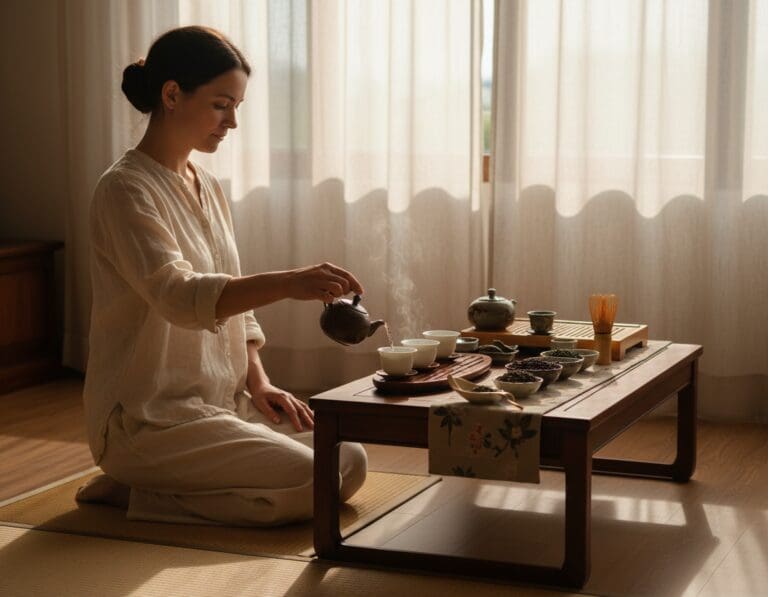
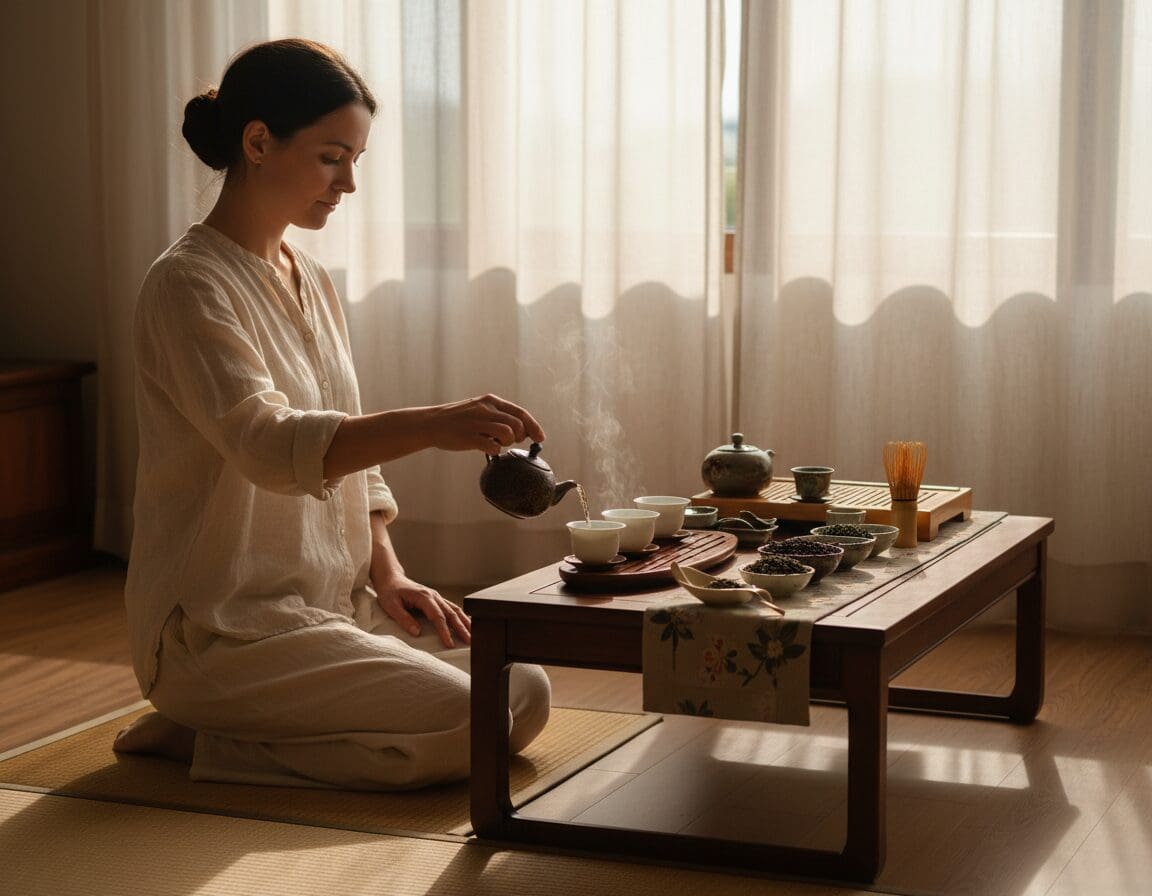
The meaning of tea holds many layers. It can be the quick comfort of builder’s tea, the ritual of afternoon tea at Fortnum & Mason, or a ceremonial pause in a hectic day. Tea culture UK also invites comparison with other traditions, such as the Japanese tea ceremony, which highlights how context shapes significance.
This article will explore those dimensions: cultural significance in the United Kingdom, the symbolism of tea, health links and the practical side of preparation and etiquette. Its aim is to guide readers in the UK and beyond through an inspirational examination of tea’s meanings, blending factual detail with evocative insight.
By defining scope and acknowledging even common search queries like what does tea means, we set the tone for a deeper look. Tea appears here as an emblem of comfort and tradition steeped in British culture, and the following sections will unpack its history, health associations and the small rituals that make a cup of tea meaningful.
what does tea means: cultural significance in the United Kingdom
Tea shapes daily life across Britain. It is a familiar pause between tasks, a welcome when friends arrive and a simple cure for a fraught day. This piece explores how tea as social ritual, rooted in the history of tea in Britain, still guides manners, gatherings and small consolations.
Tea as a social ritual
From the morning kettle in households to the classic workplace tea round, tea lubricates social contact. Office teams in London or Manchester still gather for a quick brew, while friends meet in cafés and pubs for a comforting cup. Afternoon tea, popularised by the Duchess of Bedford in the 19th century, remains a ceremonial treat featuring tea, finger sandwiches, scones and cakes.
Contemporary life keeps older rituals alive. Many workplaces protect a short tea break. Pubs and homes host informal tea gatherings. These customs reflect broader tea culture UK values of hospitality and ease.
Historical roots and evolution
Tea arrived in the 17th century through the East India Company. At first it was an exotic luxury for the wealthy. Taxation and regulation shaped access in the 18th century. Colonial trade from India and Ceylon (Sri Lanka) expanded supply and lowered cost.
Social forces changed habits over time. The temperance movement pushed tea as an alternative to alcohol. Mass production and the invention of the teabag in the early 20th century helped democratise tea. These shifts cemented tea’s place in British life and map the history of tea in Britain from rarity to staple.
Regional variations and contemporary practices
Regional tea traditions vary across the UK. Many households favour robust black blends such as English Breakfast. Scotland and Northern Ireland often prefer a stronger brew, while Wales keeps its own warm rituals around sharing a pot.
Urban centres show growing interest in specialty teas. Independent tea rooms and artisan cafés spotlight green, oolong and single-origin leaves. Multicultural Britain has introduced chai, East Asian teas and Middle Eastern infusions into everyday choices. The resurgence of loose-leaf tea sits alongside casual teabags, reflecting diverse tastes within a shared British tea etiquette.
These patterns of habit, history and local flavour reveal why tea remains central to national life. They show how tea culture UK blends tradition with new influences, keeping ritual and comfort at the heart of social exchange.
Health, symbolism and emotional meaning of tea
Tea sits at the meeting point of body, story and feeling. Its simple presence spans cups in kitchens, pages of novels and the quiet moments we carve out each day. Below I explore three facets where tea resonates: physical and mental wellbeing, artistic and literary meaning, and the emotional comfort many of us seek in ritual.
Physical and mental health associations
Research on tea health benefits often highlights caffeine and L-theanine in black and green teas. These compounds can sharpen alertness while supporting a calm focus. Studies point to polyphenols and antioxidants as contributors to cardiovascular and metabolic support when tea is consumed regularly.
Herbal infusions such as chamomile and peppermint feature in research on digestive ease and sleep support. Results vary by tea type, brewing method and individual health. Excessive caffeine may cause restlessness and can interact with medicines, so anyone with concerns should consult their GP.
Tea as a symbol in literature and art
Tea symbolism appears widely in British and global culture. In novels by Jane Austen, tea-table scenes signal hospitality and domestic order. George Orwell used tea in his essays to reflect social realities and class expectation.
Visual artists and contemporary photographers use tea settings to reveal character and context. A teacup can be an everyday prop or a metaphor for civility, ritual and social ties. These layered meanings enrich how readers and viewers interpret a scene.
Emotional and psychological comfort
Ritual and routine are central to calming rituals tea provides. The warmth, aroma and taste act as sensory cues that slow the mind and anchor attention. Research on ritual and wellbeing links such behaviours to reduced stress and increased feelings of control.
Cultural practices in the United Kingdom use tea to mark life events and offer solace. Serving a cup during bereavement or when welcoming guests creates shared space and belonging. For many, emotional comfort tea offers a small, steady balm in everyday life.
Practical meanings: preparation, etiquette and choosing the right tea
Learning how to make tea starts with simple, reliable rules. Use filtered water for the cleanest taste and roughly one teaspoon of loose leaf per cup. Boiling water suits black and herbal teas; aim for 70–80°C for green and white varieties. Follow brewing times closely: black 3–5 minutes, green 2–3 minutes, and herbal 5–7 minutes. An infuser, teapot or kettle and a proper teacup make tea preparation UK routines feel intentional and calm.
Tea etiquette in Britain blends tradition with daily life. Afternoon tea is often presented on a tiered stand with small plates and sandwiches, while workplace habits include making a tea round for colleagues. Hosts commonly offer milk and sugar, but modern households welcome plant milks and sugar alternatives. Many people adapt formal rules to dietary needs and cultural practices, so the ritual remains flexible and inclusive.
Choosing tea depends on mood, occasion and health. Reach for robust blends like English Breakfast or Assam for a strong morning cup; select delicate green or white teas for a restorative pause; try oolong for complexity; and pick herbal infusions such as peppermint for digestion or chamomile for sleep. Look to reputable British brands like Twinings, Yorkshire Tea, Taylors of Harrogate and Whittard of Chelsea, or support artisan merchants and local tea rooms for quality.
Store leaves in an airtight container away from light, heat and moisture to preserve flavour. Small changes in preparation, observance of tea etiquette and careful choosing tea transform a routine into a meaningful ritual. For guidance on beverages that support long-term wellbeing and natural ingredients, see this short guide on healthier drink choices here.