
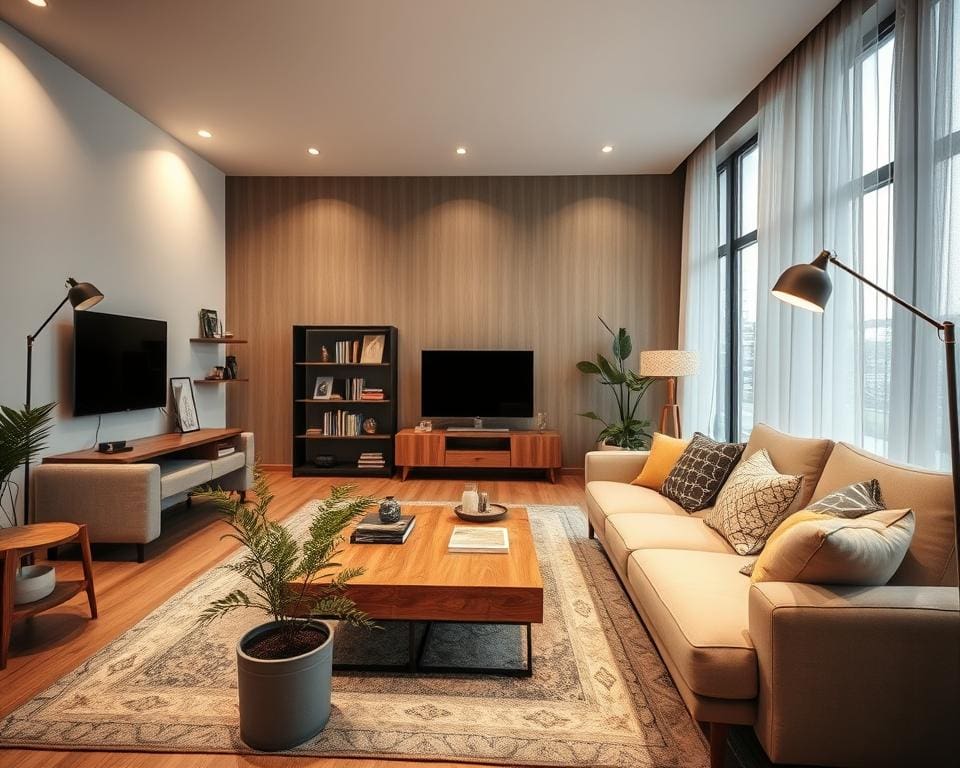
In the world of living space design, the key lies in achieving a harmonious balance between functionality and aesthetics. A thoughtfully curated space not only reflects the unique personality of its inhabitants but also caters to their everyday needs. With the right design elements, homeowners can craft environments that inspire comfort, style, and practicality, enhancing both mood and productivity.
As we delve into the fundamentals of interior design, it becomes crucial to understand how various choices can significantly impact one’s well-being. The objective is to create living spaces that feel inviting and are conducive to a fulfilling lifestyle, ensuring that every corner serves a purpose while resonating with individual taste.
Understanding the Basics of Living Space Design
Designing a living space goes beyond mere aesthetics; it encompasses a thoughtful understanding of layout design and its impact on daily life. An effective layout is vital for functionality, allowing individuals to navigate and interact seamlessly within a room. When looking into space planning, the arrangement of furniture and pathways plays a crucial role. These elements contribute to the overall experience within an interior, fostering comfort and practicality.
Why the Layout Matters
A well-structured layout design creates an inviting atmosphere while maximising the utility of each area. Consideration for flow in interiors can significantly enhance how one experiences a space. Well-defined zones help to delineate areas for relaxation, dining, or work, ensuring that movement feels natural and unimpeded. By optimising furniture placement and ensuring clear pathways, one can achieve a design that feels both organised and welcoming. It allows people to engage with their surroundings, promoting social interaction and harmony.
The Importance of Flow and Accessibility
Accessibility in home design is paramount, ensuring that all individuals, including those with mobility challenges, can enjoy the space. A thoughtfully designed layout must account for this aspect, facilitating ease of movement and usability. Incorporating features such as wider doorways and accessible pathways not only benefits those who require assistance but enhances the experience for every resident and guest. Emphasising flow in interiors creates a connectedness, encouraging a smooth transition from one area to another, thus enriching daily activities and interactions.
What elements define a well-designed living space?
Creating a well-designed living space requires a careful balance of various elements, each contributing to a harmonious environment. By integrating functional design with aesthetic appeal, homeowners can cultivate spaces that are not only beautiful but also practical for everyday living.
Harmonising Function and Aesthetics
The foundation of a successful living space lies in harmonising function and aesthetics. Functional design focuses on ensuring spaces meet the demands of daily life, while aesthetic appeal enhances the visual experience. A well-planned interior should invite comfort and usability without sacrificing style. For instance, using multi-functional furniture can maintain a sleek look while serving practical purposes.
Choosing the Right Colour Palette
Colour theory in interiors plays a pivotal role in shaping the ambience of a space. A cohesive colour palette can evoke specific emotions and influence overall mood. When selecting colours, consider the purpose of each area and the feelings you wish to promote. Opting for calming tones in a bedroom can foster tranquillity, while vibrant accents in a kitchen may energise the atmosphere.
Incorporating Natural Light
Emphasising natural lighting significantly enhances well-being and creates an inviting atmosphere. Maximising daylight not only makes a space feel larger but also elevates the aesthetic appeal. Key strategies include positioning mirrors to reflect light, utilising sheer window treatments, and selecting light-coloured furnishings that brighten the room. Harnessing natural light contributes to a warm and welcoming environment.
Furniture Selection and Arrangement
The heart of a well-designed living space lies in thoughtful furniture selection and arrangement. By carefully considering these elements, one can achieve not only aesthetic appeal but also enhance comfort in design. Choosing the right pieces influences both usability and visual harmony, encouraging a welcoming atmosphere.
Maximising Comfort and Style
To create a space that invites relaxation and conversation, focus on furniture arrangement that facilitates easy movement and sociability. Opt for sofas and chairs that encourage interaction, ensuring they are grouped in a manner that fosters communication. Aim for quality over quantity; select fewer, well-placed items that resonate with your personal style while offering practicality. A carefully arranged living area allows for ease of use, increasing overall comfort in design.
The Role of Proportion and Scale
Understanding scale and proportion in interiors is crucial for achieving a balanced and cohesive look. Each piece of furniture should complement the size of the room and fit harmoniously within the space. Large sofas in a small room can overwhelm, while small chairs may appear lost in a spacious environment. Strive to select furniture that harmonises with the room’s dimensions, ensuring every item feels purposeful and aesthetically pleasing.
Incorporating Personalisation and Style
Incorporating personalisation in interior design transforms a house into a home filled with character and warmth. Thoughtfully chosen decor can evoke memories and emotions, making spaces feel unique and inviting. Understanding how to select pieces that reflect personal tastes while complementing stylistic elements is essential for achieving a coherent design.
Choosing Meaningful Decor
Meaningful decor plays a crucial role in defining personal spaces. Homeowners should consider selecting items that resonate with their experiences or convey a narrative. These could include family heirlooms, artworks from local artists, or travel souvenirs that evoke cherished memories. Such carefully curated choices add depth to home decor and enhance the authenticity of the environment.
The Impact of Textures and Materials
The impact of texture in interiors cannot be overstated. Layering different materials creates visual intrigue and balances the aesthetic appeal of a space. Incorporating elements like soft textiles, rugged woods, and sleek metals can foster a dynamic yet cohesive look. Homeowners can create depth by combining a variety of textures, ensuring that each piece serves a purpose while contributing to the overall atmosphere.
Mixing materials thoughtfully enables a richer tactile experience. For instance, complementing a plush sofa with a chunky knit throw or pairing smooth ceramics with rough-hewn wooden accessories can produce a harmonious aesthetic. Ultimately, embracing personalisation and emphasising diverse textures allows individuals to design living spaces that resonate with their distinct styles.
Creating Balance and Harmony in Living Spaces
Achieving balance in design is essential for crafting a well-thought-out living space that feels both inviting and functional. When you distribute visual weight amongst your furniture and decor, you ensure that no single element overpowers the others, creating a tranquil atmosphere. Symmetrical arrangements, where items are mirrored on either side of a room, can evoke a sense of calm, while strategic placement of various pieces can enhance the overall flow of the area, promoting harmony in interiors.
The colour palette plays a crucial role in establishing cohesive home design. By selecting shades that complement one another, you can tie together various elements of your space, forging connections that foster a unified look. Consider incorporating accents that reflect personal style without disrupting the balance; this will allow for individuality while still maintaining an overall harmonious environment.
Real-life examples highlight how thoughtful design can elevate ordinary spaces into remarkable living environments. A well-arranged space that embodies both balance and harmony not only pleases the eye but also enhances the quality of life within. By focusing on cohesive home design, you can transform your living area into a sanctuary that celebrates comfort and aesthetic appeal, making every moment spent there a joy.