

Biotechnology, often referred to as bio tech, represents a groundbreaking interdisciplinary field that intertwines biology, technology, and engineering. At its core, biotechnology focuses on the manipulation of living organisms and biological systems, paving the way for diverse applications that address contemporary challenges. As we delve into the biotech definition, it becomes clear that this rapidly evolving sector offers innovative solutions in crucial areas such as healthcare, agriculture, and environmental management. Key figures in bioengineering, including bioengineers and geneticists, harness nature’s processes to drive advancements that significantly impact society.
Understanding Biotechnology
Biotechnology represents a confluence of biological sciences and technology, paving the way for revolutionary advancements in various fields. The biotech definition encapsulates a broad spectrum of applications, focusing on the manipulation of living organisms to create products that benefit humanity.
Definition of Biotechnology
At its core, biotechnology harnesses biological processes for practical purposes. This includes a variety of methods such as traditional biotechnological practices, like fermentation, and contemporary techniques, such as genetic engineering and bioengineering. The influence of biotechnology spans numerous areas, including agricultural innovation, medical advancements, and environmental sustainability. It plays a critical role in developing vaccines that save millions of lives and in crafting genetically modified organisms (GMOs) designed to enhance food security.
The Historical Background of Bio Tech
The history of biotechnology is rich with events that have shaped our understanding of life and its potential manipulation. Key milestones include the discovery of DNA structure in the early 20th century and the groundbreaking invention of CRISPR technology for gene editing. Each of these achievements has propelled the field forward, bridging the gap between ancient methods and modern scientific capabilities. As we reflect on the evolution of biotechnology from simple fermentation techniques to sophisticated technologies used in high-tech laboratories, it becomes evident how deeply intertwined this discipline is with human progress.
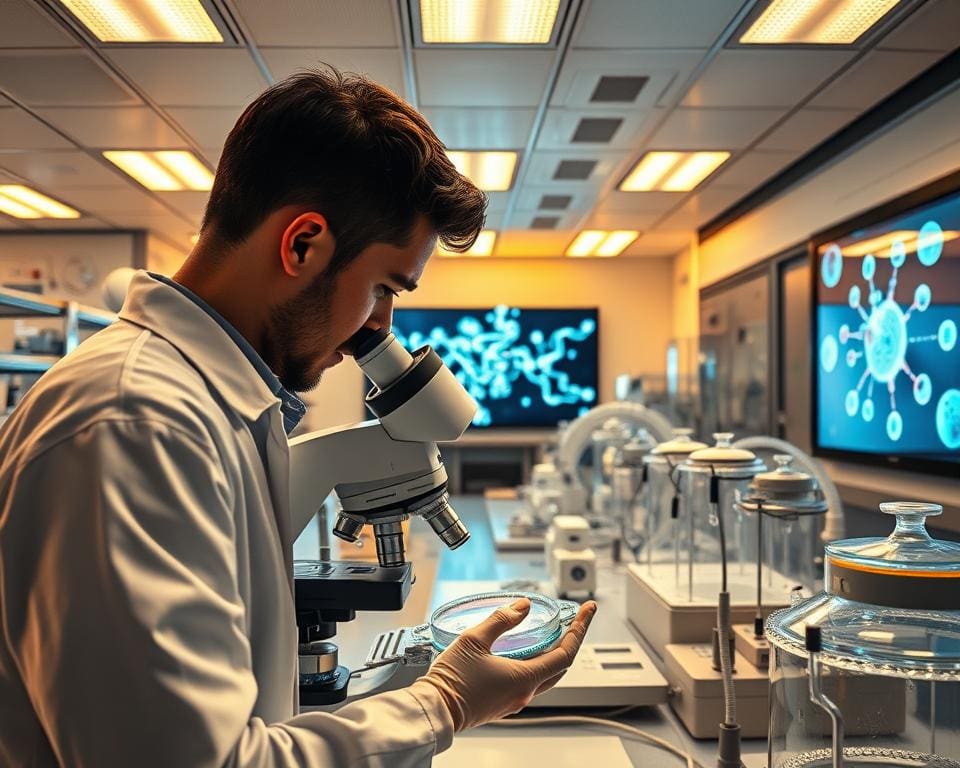
What Is Bio Tech and Its Importance
The significance of biotechnology in contemporary society cannot be overstated. This field has profoundly altered various sectors, particularly in healthcare and agriculture. Its innovative applications have not only shown potential for improving lives but have also addressed critical global challenges.
Impact on Healthcare
The impact of biotechnology on healthcare is remarkable. Advancements in this field have paved the way for targeted therapies and personalised medicine, providing tailored treatment options for patients. Vaccine developments illustrate these breakthroughs, enhancing public health and combatting catastrophic outbreaks effectively.
Revolutionising Agriculture
Biotechnology is revolutionising agriculture through various means. Enhanced crop yields, increased pest resistance, and sustainable farming practices showcase the true biotech importance. Genetically modified crops are a key example, reducing the necessity for pesticides and significantly contributing to food security. These advancements underline how biotechnology can create a sustainable future for global food production.
Key Areas of Bioengineering
Bioengineering encompasses a variety of dynamic fields that advance our understanding and capability in numerous sectors. Each area plays a crucial role in both the scientific community and practical applications that improve everyday life.
Molecular Biology
Molecular biology serves as a cornerstone of bioengineering, delving deep into the processes that govern cellular functions. By studying the intricate relationships between molecules, researchers can gain insights into how genetic information is expressed and regulated. This understanding is essential for developing novel therapies and creating genetically-engineered organisms that can address numerous challenges.
Genetic Engineering
Genetic engineering represents a groundbreaking area of bioengineering, where scientists alter the DNA of organisms to bestow desirable traits. This technology facilitates advancements in agriculture, medicine, and industry. By harnessing the principles of molecular biology, researchers can successfully modify crops for enhanced yield, resist pests, and enrich nutritional content. The potential of genetic engineering continues to inspire innovation, driving research towards more sustainable solutions.
Environmental Applications
Environmental applications showcase the ability of bioengineering to combat ecological challenges. Techniques such as bioremediation and bioenergy exemplify how biotechnology can be employed to manage pollution and create sustainable energy sources. By leveraging microbial processes, bioengineering offers viable pathways for restoring contaminated sites and generating renewable energy from waste. These applications highlight the vital role of bioengineering in fostering a more sustainable future for our planet.
Insights into the Biotech Industry
The biotech industry is rapidly evolving, marked by significant innovations and breakthroughs that have the potential to reshape various sectors. This section explores the driving trends in biotechnology that are influencing its trajectory, highlights leading biotech companies in the UK, and considers the promising future of this dynamic field.
Trends Influencing Biotech
One notable trend in biotechnology is the emergence of precision medicine, which tailors treatment to individual genetic profiles. Furthermore, the integration of artificial intelligence in research and development accelerates the discovery of novel therapies. These trends in biotechnology not only enhance efficiency but also improve patient outcomes across healthcare.
Leading Biotech Companies in the UK
The UK is home to several leading biotech companies that are at the forefront of innovation. Renowned entities like Oxford Biomedica, AstraZeneca, and GSK are pivotal in advancing research and bringing groundbreaking therapies to market. Their contributions significantly bolster the strength of the biotech industry and stimulate economic growth.
The Future of Biotechnology
The future of biotechnology appears bright, with advancements in synthetic biology and gene therapy highlighting the potential for transformative changes in medicine and agriculture. As research progresses, the potential for breakthroughs that can address global challenges grows, paving the way for a sustainable and healthy future.
Challenges in the Biotech Sector
The biotech sector faces numerous challenges that can significantly impact its growth and innovation. Among these, regulatory hurdles play a major role in shaping the landscape of biotechnology. Compliance with complex regulations often slows down the process of bringing new products to market. This can deter investors and limit the potential benefits of biotechnological advancements. As companies navigate these regulatory requirements, they must also be mindful of the associated costs and time delays.
Regulatory Hurdles
Regulatory frameworks are essential for ensuring safety and efficacy in biotechnology. Nonetheless, navigating these frameworks is fraught with challenges in biotechnology. Approval processes can vary widely by region and application, requiring extensive data and documentation. Companies often invest significant resources in meeting these demands, which can lead to frustration and delays in innovation. As a result, fostering a transparent dialogue between regulators and the biotech community is crucial for streamlining the approval process and ultimately benefiting public health.
Ethical Considerations
Ethical considerations in biotech introduce another layer of complexity. Genetic manipulation and cloning raise profound moral questions regarding the extent to which humans should intervene in natural processes. Concerns about the long-term environmental and societal impacts of these innovations cannot be overlooked. Establishing robust ethical frameworks is paramount to guide responsible research and development. Engaging the public in discussions about the implications of biotechnology will also promote a more informed understanding of its potential risks and benefits.
The Role of Biotechnology in Everyday Life
Biotechnology is an integral part of our daily existence, often operating behind the scenes to enhance quality of life. From essential medical treatments, such as advanced vaccines and personalised medicines, to the development of innovative diagnostics, the applications of biotechnology in everyday life are vast and transformative. These breakthroughs not only save lives but also improve overall health outcomes, allowing individuals to lead healthier and happier lives.
Beyond healthcare, biotechnological applications extend into our homes and communities. Everyday biotechnology can be observed in the form of biodegradable materials, which play a crucial role in reducing environmental impact. Products made from these materials help minimise waste and promote sustainability, aligning with a growing global movement towards eco-friendliness. Additionally, the use of enzymes in household detergents exemplifies how biotechnology enhances modern living, making cleaning products more efficient and environmentally benign.
The food industry also benefits immensely from biotechnology, particularly in the development of fortified and improved food products. The introduction of probiotics in dairy items, for instance, promotes gut health and well-being, showcasing how biotechnological applications enrich our diets. As we increasingly embrace the benefits of biotechnology in everyday life, it becomes evident that these innovations not only elevate our daily experiences but also pave the way for sustainable practices, driving us towards a brighter and healthier future.