
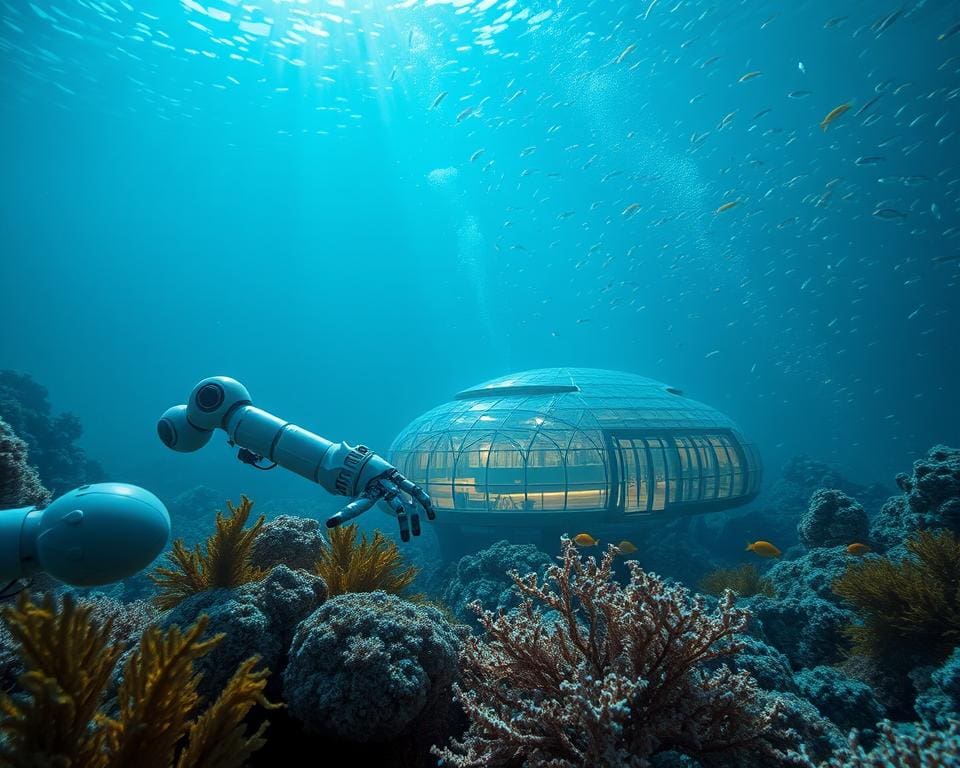
Blue Tech, or Blue Technology, represents a pioneering approach to addressing the pressing challenges faced by our oceans and water bodies. This innovative sector encompasses a diverse array of technologies and practices aimed at promoting sustainability, enhancing marine biodiversity, and fostering economic growth within marine industries. The importance of Blue Tech lies not only in its potential to preserve aquatic ecosystems but also in its role as a catalyst for change in how we interact with our marine environments. Understanding what Blue Tech entails is crucial for safeguarding the health of our planet for future generations through advanced environmental stewardship.
Understanding Blue Technology
Blue Technology encompasses a range of innovations designed to promote sustainable practices in marine environments. The definition of Blue Tech expands beyond mere technological advancements to include their applications in marine conservation, resource management, and the exploration of ocean dynamics. Examples of Blue Technology feature innovative approaches in marine biotechnology, ocean energy solutions, and advancements in sustainable aquaculture. This multidimensional framework not only aims to address pressing environmental challenges but also fosters future advancements intended to stimulate ocean-related industries.
Definition of Blue Tech
The definition of Blue Tech reflects technologies tailored to sustain and enhance ocean health. They span various sectors, utilising cutting-edge science and techniques to ensure that human activities synergise with marine ecosystems. Core principles include efficiency in resource usage and promoting biodiversity while ensuring economic viability for marine sectors.
Historical Context and Evolution
The historical context of Blue Technology reveals a progression driven by humanity’s dependency on oceanic resources. Initially, innovations included rudimentary fishing tools and nets. Over time, these developments evolved into sophisticated fishing vessels and techniques. The recent few decades have witnessed a concentrated effort to harness technology against the backdrop of environmental degradation sparked by industrialisation, severe climate change impacts, and the overexploitation of marine life. The evolution of Blue Tech has emerged as a pivotal aspect of international efforts, embodied by frameworks like the United Nations Sustainable Development Goal (SDG) 14, which advocates for sustainable management and protection of the oceans.

What Is Blue Tech
The realm of Blue Technology encompasses several core principles that foster sustainability and resilience within marine environments. These key principles not only drive innovation but also significantly enhance conservation efforts, ensuring a balance between ecological integrity and economic development.
Key Principles of Blue Technology
At the heart of Blue Tech are essential foundational ideals, which include:
- Sustainable Resource Management: This involves employing data-driven techniques to monitor and effectively manage marine resources.
- Innovation and Adaptation: The creation of new technologies enhances existing practices and allows for adaptation to fluctuating environmental conditions.
- Collaboration: Partnerships among governments, industries, and academic institutions are vital for establishing integrated ocean governance.
Significance in Environmental Conservation
Blue Technology plays an instrumental role in mitigating the challenges posed by climate change while preserving critical habitats. The advancements brought forth by Blue Tech Solutions, such as remote sensing, empower scientists to monitor oceanic conditions meticulously. Innovations in aquaculture practices alleviate the pressures of overfishing. With a focus on the circular economy, Blue Technology transforms waste into valuable resources, significantly contributing to the environmental benefits of Blue Technology and promoting healthier marine ecosystems.
Importance of Blue Tech
The transformative potential of Blue Tech extends beyond environmental preservation, influencing economic landscapes while fostering healthier marine ecosystems. The profound impact of Blue Tech on marine ecosystems underscores the necessity of integrating innovation into conservation strategies. Through targeted initiatives, Blue Technology significantly enhances ecosystem health, driving both ecological and economic resilience.
Impact on Marine Ecosystems
High levels of pollution and habitat degradation threaten marine biodiversity. Blue technologies address these challenges effectively. Initiatives such as artificial reefs provide a solution, creating new habitats that facilitate the recovery of fish populations. Habitat restoration projects rely on Blue Tech’s innovative methodologies, significantly enhancing marine environments. Tools like predictive modelling and marine spatial planning enable informed decision-making that protects sensitive habitats and fosters Blue Technology and ecosystem health.
Economic Benefits and Opportunities
Beyond ecological impacts, Blue Tech opens a wealth of economic opportunities. The blue economy encompasses sectors such as fisheries, marine tourism, and renewable energy, driving innovation and contributing trillions to the global economy. By prioritising sustainable practices, Blue Tech presents excellent economic benefits, creating jobs and enhancing food security in coastal communities. Engaging local populations fosters inclusive development, empowering communities to actively participate in conserving their marine resources. These opportunities in Blue Technology not only boost economies but also nurture a future where livelihoods and ecosystems thrive in harmony.
Blue Tech Innovations
Innovations in Blue Technology are rapidly evolving, reshaping our interaction with marine environments. Breakthrough technologies emerge as vital solutions that enhance efficiency and promote sustainable practices. From innovative autonomous drones for marine monitoring to bioengineering advancements in aquaculture, these technologies present exciting opportunities for addressing climate change’s impacts on our oceans.
Breakthrough Technologies Shaping the Future
Among the various developments, several breakthrough technologies stand out. Autonomous drones enable real-time data collection and monitoring, significantly improving marine research methods. Other innovations, such as ocean thermal energy conversion, open new pathways for energy generation that align with conservation goals. These advancements are paving the way for robust, future-focused approaches to ocean management and sustainability.
Case Studies of Successful Blue Innovations
Real-world applications demonstrate the effectiveness of Blue Tech Innovations. Successful Blue Technology Examples include smart fishing buoys designed to minimise bycatch while providing critical data for fisheries management. Another remarkable instance involves bioplastics derived from seaweed, offering an eco-friendly alternative to conventional plastics. These Case Studies of Blue Tech Innovations showcase the immense potential for environmental sustainability combined with economic benefits.
Collaboration Between Start-ups and Corporates
To accelerate progress in Blue Tech, collaboration in Blue Tech between start-ups and corporates is essential. Start-ups often bring innovative ideas and a nimbleness that can drive new solutions, while established corporations offer resources and infrastructure for scaling these initiatives. This synergy fosters an energetic ecosystem that enables the development of impactful Blue Technology, ensuring a more sustainable future for marine ecosystems and communities.
Blue Tech Applications
Innovative applications of blue technology offer promising solutions for sustainable development in various sectors. These technologies foster healthier marine ecosystems, reduce pollution, and create new avenues for renewable energy. Their impact resonates across fishing practices, energy solutions, and environmental management.
Sustainable Fishing Practices
Sustainable fishing practices stand at the forefront of blue tech applications in fisheries. By employing cutting-edge innovations such as electronic monitoring systems and eco-labels, the fishing industry can ensure that fish stocks remain abundant and healthy. These advancements enable fisheries to adhere to best practices while enhancing transparency throughout supply chains. As a result, consumers become more informed, leading to responsible consumption that supports both marine biodiversity and local fishing communities.
Marine Renewable Energy Solutions
Marine renewable energy solutions present an exceptional opportunity to harness the ocean’s power. Technologies like floating offshore wind farms and underwater turbines exemplify how blue technology in renewable energy can help meet global energy demands. Not only do these innovations diversify energy sources, but they also minimise carbon emissions. This shift promotes economic opportunities for coastal regions, driving both environmental sustainability and regional growth.
Pollution Management Technologies
Addressing maritime pollution requires robust pollution management technologies that are gaining attention in the blue tech landscape. Innovative developments, including biodegradable materials, oil spill recovery systems, and microbial treatments for wastewater, play pivotal roles in protecting marine environments. By restoring the health of our oceans, these advancements ensure cleaner aquatic ecosystems for future generations.
The Future of Blue Tech
The Future of Blue Tech is on a promising trajectory, underpinned by an increasing global consciousness surrounding environmental challenges and advancements in technological capabilities. As stakeholders across sectors become more invested in sustainability, Blue Technology Trends are emerging that signal a transformative shift in how we approach marine resource management. The integration of innovations like artificial intelligence for predictive analytics in fisheries management is setting new precedents for efficiency and ecological balance.
Moreover, the application of blockchain technology to enhance traceability in seafood supply chains is revolutionising transparency and accountability within the industry. These developments highlight the commitment of businesses and communities to align economic progress with environmental stewardship. As we navigate this evolving landscape, it is imperative that we harness these cutting-edge solutions to drive sustainable practices that will protect our oceans.
With ongoing investments and collaborative frameworks among governments, research institutions, and private sectors, the promise of Blue Tech extends beyond immediate gains. It holds the potential to create a comprehensive ecosystem of sustainable ocean governance. The commitment to leveraging Blue Tech will be critical, ensuring the health of marine environments and supporting prosperous livelihoods for communities reliant on ocean resources. Embracing these future innovations can catapult us towards a more resilient and sustainable marine economy.