
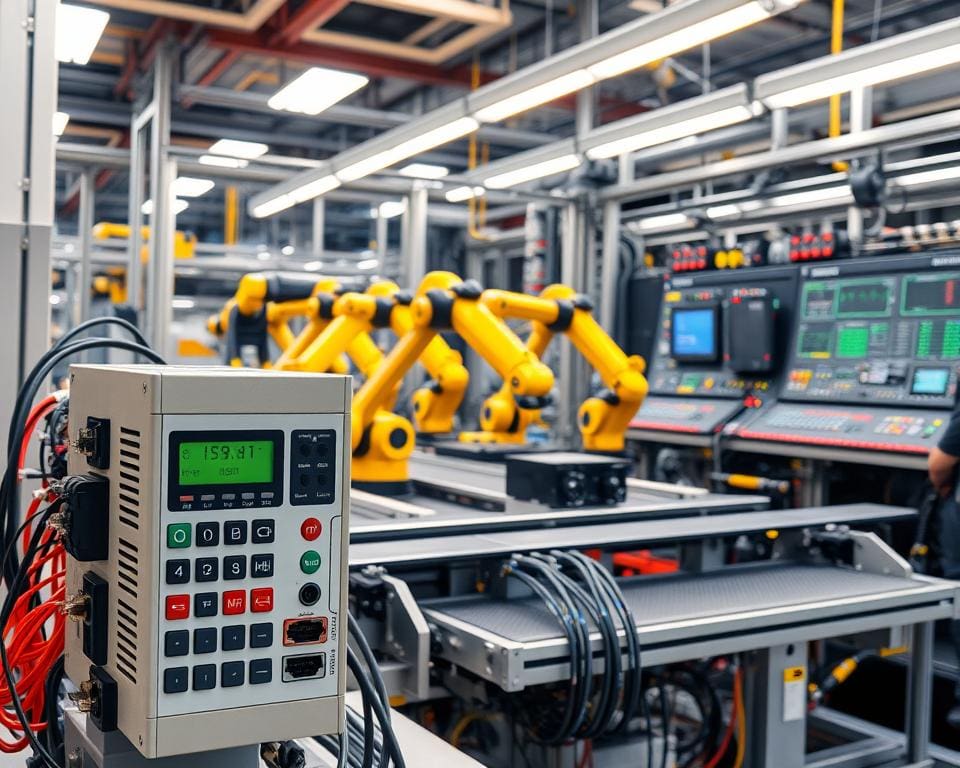
In the evolving landscape of industrial automation, Programmable Logic Controllers (PLCs) serve as the backbone of automated systems. These specialised computers play a crucial role in process control, enabling environments that adapt swiftly to changing conditions. With a profound capacity for monitoring and adjusting machinery, PLCs enhance operational efficiency and reliability. As industries embrace automation, the exponential growth in PLC usage signifies a shift towards more streamlined and precise operations, showcasing the indispensable functions these devices perform in today’s manufacturing processes.
The Evolution of PLC Technology
The journey of programmable logic controllers (PLCs) reflects an impressive advancement in automation technology. From their inception, PLCs have transformed industrial processes, moving from basic relay logic systems to advanced programmable automation. This evolution has paved the way for more efficient, reliable, and versatile manufacturing solutions.
From Relay Logic to Programmable Automation
The history of PLCs began in the late 1960s when General Motors pioneered their development as a replacement for traditional relay logic systems. These early PLCs simplified control processes by allowing users to program automation tasks without rewiring complex relay circuits. This shift significantly reduced the time needed for implementation, offering a more flexible approach to machinery control.
Key Advancements in PLC Designs
Over the decades, advancements in PLCs have been remarkable. Enhanced processing power has enabled the execution of intricate automation programs, while modular design allows for greater adaptability in various industrial applications. Modern PLCs now feature integrated networks that support real-time data exchange, a crucial element in today’s interconnected manufacturing environments. User-friendly programming environments have made it easier for technicians to develop and modify control strategies, further enhancing the effectiveness of programmable automation.
Understanding PLCs and Their Functionality
Programmable Logic Controllers (PLCs) serve as the backbone of modern control systems, orchestrating a symphony of automation interaction with remarkable precision. Understanding the core components of a PLC can illuminate how these devices empower industries to achieve enhanced efficiency and performance.
Core Components of a PLC
The fundamental architecture of a PLC comprises several crucial elements that together define its functionality. Key PLC components include:
- Central Processing Unit (CPU): This is the brain of the PLC, responsible for executing control instructions based on input data.
- Input/Output (I/O) Modules: These allow the PLC to interact with external devices by receiving inputs from sensors and sending outputs to actuators.
- Power Supply: A vital component that provides the necessary energy for the PLC to function efficiently.
- Programming Software: This enables users to write and upload control programs, defining the operational behaviour of the PLC.
How PLCs Interact with Automated Systems
The interaction between PLCs and automated systems exemplifies the synergy required for successful operation. PLCs continually collect data from various sensors embedded within the control systems. This data informs timely adjustments that optimise performance. Key aspects of this automation interaction include:
- Real-time monitoring of system conditions.
- Immediate response to variations, ensuring stability.
- Efficient management of processes to reduce downtime.
What is the role of PLCs in automated systems?
In today’s competitive landscape, the integration of Programmable Logic Controllers (PLCs) has become crucial for manufacturing and industrial processes. These devices not only facilitate automation but also streamline operations significantly. The role of PLCs extends beyond basic automation; they are pivotal in the journey towards achieving process optimisation and maximising operational efficiency.
Streamlining Processes and Reducing Downtime
The implementation of PLCs can dramatically transform how operations function. With their ability to monitor and control every aspect of manufacturing processes, PLCs play an essential role in reducing downtime. Predictive maintenance features incorporated within PLC systems allow for early detection of equipment issues, enabling timely interventions and preventing unexpected failures. This proactive approach enhances overall production flow, ensuring that systems operate seamlessly.
Enhancing Precision and Efficiency
PLCs contribute significantly to enhancing precision control in automated systems. Their capacity to process large volumes of data in real-time ensures high accuracy in manufacturing tasks. This leads to a notable reduction in waste and better quality products. By optimising workflows, PLCs facilitate operational efficiency, which is essential for meeting industry benchmarks. The combination of these elements results in enhanced productivity, allowing businesses to thrive in an increasingly demanding market.
The Impact of PLCs on Industrial Automation
PLCs have significantly altered the landscape of industrial automation. Various industries have embraced these systems, leading to remarkable transformations and efficiency improvements. Through comprehensive case studies, we can better understand the industrial automation impact of PLCs and how they have facilitated progress in sectors such as automotive, food and beverage, and pharmaceuticals.
Case Studies: Industries Transformed by PLCs
In the automotive industry, PLCs streamline assembly lines, resulting in higher productivity rates. This technology allows manufacturers to react swiftly to market changes while maintaining quality. For instance, a leading automotive manufacturer adopted PLC technology and achieved a reduction in assembly time by 30%. The food and beverage sector has also benefited, with PLCs ensuring consistent quality control during production. One notable case involved a brewery that utilised PLCs to optimise its fermentation process, increasing output by 25% while minimising waste.
The Role of PLCs in Smart Manufacturing
Recognising the importance of connectivity and data analytics, PLCs are pivotal in smart manufacturing initiatives aligned with Industry 4.0 principles. These systems integrate seamlessly with other technologies, such as IoT devices, to create a cohesive production environment. By leveraging real-time data, manufacturers can make informed decisions that enhance operational efficiency. The industrial automation impact of PLCs in these contexts cannot be understated, as they empower businesses to harness the full potential of Industry 4.0.
Choosing the Right PLC for Your Automated System
When embarking on the journey of selecting a PLC, several critical factors demand attention. Understanding your specific needs can greatly influence the success of your automated system. Key considerations include process requirements, ease of programming, scalability, and integration capabilities. Each of these elements plays a vital role in determining the most suitable PLC for your application.
Factors to Consider When Selecting a PLC
Identifying the right PLC involves assessing various factors:
- Process Requirements: Evaluate the complexity and demands of your operational processes to ensure compatibility.
- Ease of Programming: Consider user-friendliness and the programming language, as this impacts the efficiency of setup and modifications.
- Scalability: Choose a PLC that can adapt to future growth and expanding system needs.
- Integration Capabilities: Ensure the PLC seamlessly integrates with existing systems and technologies.
Top PLC Brands and Their Unique Features
Several leading brands have established their reputation in the market through innovative PLC features:
- Siemens: Known for robust performance and extensive support, Siemens PLCs offer advanced networking and high-speed processing capabilities.
- Allen-Bradley: This brand is celebrated for its user-friendly design and versatile programming options, making it a favourite for many industries.
- Mitsubishi: Renowned for compact and powerful PLCs, Mitsubishi products excel in reliability and energy efficiency.
The Future of PLCs in Automation
As we gaze into the future of PLCs, it becomes evident that they will play an increasingly pivotal role in the evolution of automation. Emerging technologies such as artificial intelligence and machine learning are transforming the landscape, redefining the capabilities of PLCs. Integrating these advanced technologies with traditional PLC development will enhance their adaptability and intelligence, preparing them to handle more complex tasks efficiently.
Moreover, the rise of the Internet of Things (IoT) is creating an interconnected web of devices that demand smart solutions. The future of PLCs will not only involve advancing their core functionality but also integrating with IoT systems to drive real-time data analysis and decision-making. This integration signifies a significant shift in the way industries perceive automation trends, moving towards more resilient and flexible manufacturing processes.
Industry experts predict that the next wave of PLC architectures will incorporate greater capabilities, enabling seamless communication between devices and fostering advanced predictive maintenance strategies. As we navigate this remarkable journey, PLCs will undoubtedly remain central to the future of industrial automation, evolving to meet new challenges and opportunities with elegance and efficiency.