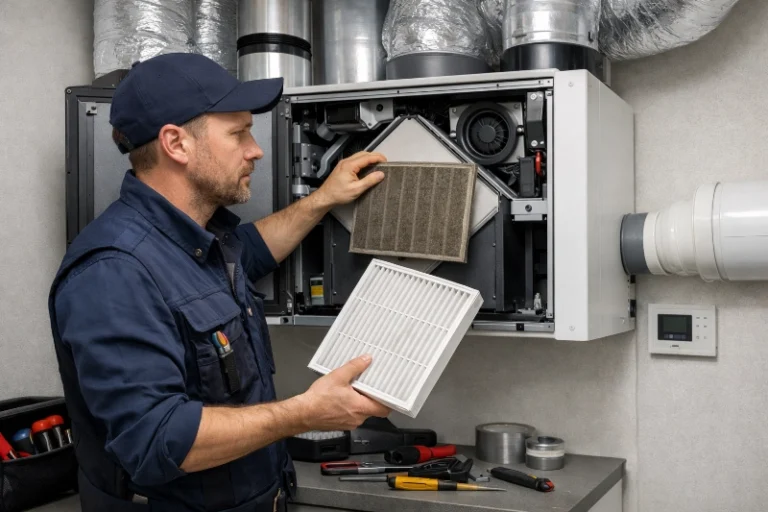
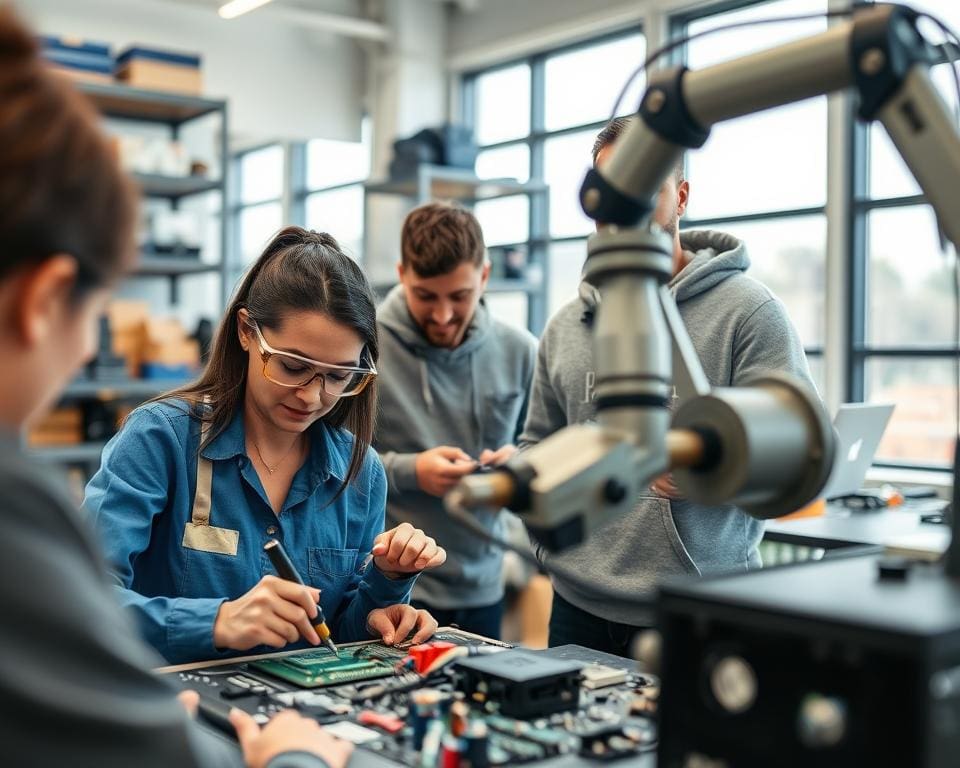
Hands-on technical jobs underpin much of the United Kingdom’s economy. From engineering and manufacturing to IT field services, healthcare technical roles, construction and transport, these positions demand physical interaction with equipment, on-site problem solving and manual dexterity that automation cannot fully replace.
For career changers, apprentices and technicians, practical technical careers UK offer clear routes to stable work and progression. Skilled trades careers such as electrician, plumber or vehicle technician remain vital, while technical roles requiring manual skills now often combine craftsmanship with digital tools like remote-support platforms and wearable diagnostics.
This article will map vocational careers UK across sectors, review the products and platforms that aid remote technical support, and outline training and certification pathways. Employers and procurement teams will find guidance on choosing tools that genuinely augment hands-on work, helping staff deliver safer, faster and more informed outcomes on site.
Read on to discover how practical technical careers UK blend tradition and technology, and how the right support can lift performance for workers and businesses alike.
Overview of hands-on technical roles and career paths
Practical technical work blends physical skill with thoughtful problem solving. This section explains what employers expect, which sectors are hiring across the UK, and how people move from entry-level posts into senior roles.
Defining hands-on technical skills
Hands-on technical skills cover mechanical aptitude, safe operation of machinery, soldering, wiring and calibration. They include use of hand and power tools, routine equipment maintenance and diagnostic reasoning.
Tech-enabled tasks matter too. Configuring hardware, using diagnostic apps and applying remote-support procedures sit alongside physical trades. That blend is central to the definition hands-on skills employers list in job adverts.
Industries with high demand in the United Kingdom
Manufacturing firms in the Midlands and North West need advanced manufacturing and aerospace operatives. Construction and the built environment remain busy around London and the South East. Automotive work centres in Coventry and the West Midlands.
Aviation hubs such as Heathrow and Birmingham hire aircraft technicians. NHS hospitals and private providers recruit clinical and biomedical technicians. Network rollout, fibre installation and renewable energy projects create steady roles too.
These patterns illustrate the UK industries demand for people who can combine practical skill with on-site problem solving.
Typical career progression and credentialing
Many routes begin with trainee or entry-level technician roles. Progression commonly moves to senior technician, team lead and then engineer or specialist. Some follow degree routes into design and management. Others rise through experience and accreditation.
- Recognised UK credentials include City & Guilds, BTEC, T Levels and NVQs.
- Apprenticeships and certifications cover intermediate, advanced and higher standards.
- Professional registration routes offer EngTech, IEng and CEng via the Engineering Council.
Trade-specific licences are essential in some fields. Gas Safe registration matters for gas engineers. Part P affects many electricians. Aircraft maintenance engineers follow CAA approvals and the post‑EASA UK arrangements.
Transferable soft skills like clear communication, client-facing professionalism, time management and health & safety awareness underpin every step on the career paths technical roles map.
What tools support remote technical support?
Remote technical support tools let technicians fix faults without unnecessary travel. They combine screen control, diagnostics, team collaboration and security to keep systems running and customers calm. Choosing the right stack changes response times, repair quality and compliance in the UK workplace.
Remote access and control software
TeamViewer offers remote desktop control and mobile device support for quick troubleshooting. AnyDesk provides lightweight remote access with low latency that suits field engineers. Microsoft Remote Desktop and Quick Assist are native to Windows and simplify support inside Microsoft environments. LogMeIn scales well for medium businesses. BeyondTrust (formerly Bomgar) is aimed at enterprise teams needing secure elevated sessions.
Use cases include remote configuration, hands-off troubleshooting, guiding customers through setup and supporting field engineers during on-site repairs. In the UK market, the choice of remote access software UK often depends on device types, licensing model and integration with existing service desks.
Diagnostic and monitoring platforms
SolarWinds and Paessler PRTG give network and device monitoring with clear dashboards and alerting. Splunk and Datadog handle log analysis and telemetry for deep root-cause work. ServiceNow and ConnectWise combine remote monitoring with ticketing to form integrated service management software for IT teams.
Specialist hardware tools such as Fluke Connect for electrical testing and Tektronix remote scopes pair handheld diagnostics to cloud dashboards. These remote diagnostic platforms drive proactive alerts and predictive maintenance that can cut site visits and speed up repairs.
Collaboration and communication tools for remote teams
Microsoft Teams, Slack, Zoom and Cisco Webex support video calls, screen sharing and file exchange. High-resolution video helps visual inspection while annotation and persistent channels keep case notes in one place. These collaboration tools for technicians preserve context and shorten handovers between shifts.
Mixed-reality options such as Microsoft HoloLens with Dynamics 365 Remote Assist and RealWear headsets let remote experts see from a technician’s viewpoint. Live overlays and schematics guide on-site staff through complex repairs and training scenarios.
Security and compliance tools for remote interventions
Secure remote intervention requires layered defences. VPNs like OpenVPN and Cisco AnyConnect protect connections. Multi-factor authentication from Duo Security prevents unauthorised access. Endpoint protection from Sophos and CrowdStrike defends devices in the field.
Privileged access management from CyberArk and BeyondTrust controls elevated sessions. Session recording, audit trails and role-based access support GDPR and NHS data security standards. Encryption, logging and clear consent procedures are essential before any remote session touches customer or patient systems.
- Compatibility with existing infrastructure matters most.
- Mobile and offline functionality is vital for fieldwork.
- Licensing models, vendor support and UK data residency requirements influence procurement.
- Integration with service management software such as Jira Service Management or ServiceNow streamlines workflows.
Engineering and manufacturing jobs that require practical expertise
Hands-on engineering and manufacturing roles drive UK industry. These positions combine technical knowledge with practical skill to keep production moving, machines calibrated and safety assured. Employers value candidates who can diagnose faults, program controls and deliver consistent output on the shop floor.
Roles in mechanical and electrical engineering
Common positions include maintenance engineer, fitter-turner, electrical technician, CNC machinist, production engineer and process technician. Daily duties cover preventive maintenance, fault-finding, machine setup and calibration.
Tasks can extend to wiring, PLC programming for automated systems and supervising line performance. Employers such as Rolls-Royce, BAE Systems and JCB often list these mechanical engineering roles UK when recruiting skilled operatives.
Tools and equipment commonly used on the shop floor
Technicians work with a mix of hand and power tools. Typical items are spanners, torque wrenches and calipers. Precision jobs call for micrometers and coordinate measuring machines.
Shop floor equipment includes CNC programming stations, PLC programmers like Siemens TIA Portal and diagnostic instruments such as multimeters and oscilloscopes. Predictive maintenance uses vibration analysers, thermal imaging cameras and industrial IoT sensors.
Safety fittings remain essential. Lockout-tagout kits and PPE sit alongside manufacturing technician tools to reduce risk and maintain uptime.
Training, apprenticeships and certification options
Routes into the trade range from City & Guilds and BTEC diplomas to degree pathways for Chartered Engineer status. Engineering apprenticeships UK cover intermediate to higher levels and often include on-the-job training with employer partners.
Vendor-specific accreditations from Siemens or Rockwell Automation strengthen CVs for PLC and automation roles. ILM leadership courses help supervisors step up.
Government-funded apprenticeship schemes and industry bodies such as Make UK and the Institution of Mechanical Engineers support workforce development and maintenance engineer training across sectors.
IT, networking and telecommunications positions
Careers in IT, networking and telecommunications blend hands-on craft with fast-moving standards. Roles span install teams at ISPs, managed service providers and in-house enterprise IT groups. Many positions ask for practical experience alongside qualifications such as networking certifications UK to prove competence and aid progression.
Field technician and network engineer responsibilities
Field staff handle installs, maintenance and fault-finding for broadband, fibre and enterprise circuits. Tasks include configuring routers and switches, structured cabling, fibre splicing and on-site troubleshooting of customer premises equipment. Network engineer duties UK often cover design, capacity planning and supporting complex LAN/WAN setups for businesses.
Teams work for ISPs, MSPs and corporate IT departments. Field engineers must isolate faults with minimal disruption and complete accurate handovers to service desks. Many progress from apprenticeship routes or vendor courses to roles with greater design responsibility.
Essential hardware and testing equipment
Technicians rely on a compact kit for reliable diagnostics. Typical gear includes network analysers, cable testers such as Fluke Networks CertiFiber and Versiv, OTDRs, fibre splicing kits and PoE testers.
- Portable servers or laptop rigs for local diagnostics and firmware flashing
- Spectrum analysers for wireless and portable routers for isolation testing
- BIOS and firmware reprogramming tools for embedded devices
Knowing how to use telecoms technician equipment and field service technician tools safely speeds restoration and reduces repeat visits.
Soft skills that complement technical know-how
Technical skill must pair with clear communication. Customer-facing tech skills are essential when explaining fixes to non-technical clients and de-escalating tense situations.
Strong documentation and ticketing discipline keep teams aligned. Time management helps meet tight field schedules. Problem-solving under pressure separates good engineers from great ones.
Ongoing learning matters as standards shift with 5G and FTTP rollouts. Apprenticeships and employer training remain practical routes into the trade; useful resources and vacancy listings can be found via apprenticeship guides.
Healthcare technical roles with hands-on demands
Healthcare technical teams keep wards and theatres functioning. Roles range from bench work to urgent bedside support. Day-to-day tasks demand steady hands, quick thinking and meticulous records. Careers in this area combine clinical awareness with mechanical skill, making them ideal for people who want visible impact on patient safety.
Biomedical engineer and clinical technician duties
A biomedical engineer UK and a clinical engineering technician share duties that centre on medical device maintenance and patient safety. They service infusion pumps, ventilators and imaging gear, perform calibration checks and run functional tests before devices re-enter clinical use. During emergencies they support clinical staff on-site, troubleshoot failures and, when needed, isolate equipment to prevent harm.
On-call rotas are common. Staff must respond to incidents at any hour and document interventions precisely. Asset tagging and integration with hospital computerised maintenance management systems keep traceability clear for audits and fast retrieval.
Specialist tools and safe working procedures
Technicians use electrical safety analysers, defibrillator analysers and oscilloscopes for imaging equipment. Phantom test kits validate ultrasound performance. Calibration standards are traceable to UKAS to maintain measurement integrity.
Safe working procedures include sterile handling in laminar flow environments and strict infection control when devices contact patients. Device tagging and CMMS entries record status, location and service history. Clear documentation supports handover and reduces risk.
Regulatory standards and continuous professional development
Work in this field follows MHRA guidance and HTM frameworks that align with NHS medical equipment standards. Device regulation under the Medicines and Healthcare products Regulatory Agency governs device lifecycle and reporting of incidents.
Data protection rules such as GDPR apply to connected devices and patient data flows. Continuous professional development keeps skills current. Many pursue biomedical training UK routes, join the Institute of Physics and Engineering in Medicine and take manufacturer courses from Philips, Siemens Healthineers or GE Healthcare. City & Guilds and NVQ pathways provide vocational routes into sustained careers.
Construction, trades and built-environment careers
Hands-on roles in the built environment shape communities and keep buildings working. Tradespeople bring design to life, M&E technicians ensure systems perform, and site managers coordinate safety and logistics. Opportunities span contractors, housing associations and self-employment, offering clear paths from apprenticeships to senior onsite roles.
Skilled trades: electrician, plumber, carpenter
Electricians install wiring, consumer units and carry out testing to BS 7671 standards. They use multifunction testers and portable PAT testers while completing certification for works. Plumbers fit and maintain pipework, boilers and drainage systems, working on both new builds and repairs. Carpenters produce joinery, install structural timber and frame interiors with precision.
Typical employers include main contractors, local authorities and housing associations. Many tradespeople choose self-employment for flexible schedules and direct client work. Entry often starts with an apprenticeship, moving towards qualifications that open more advanced electrician plumber carpenter jobs across the UK.
M&E technician roles on site
M&E technicians carry out installation and commissioning of HVAC units, building management systems and mechanical services. Common M&E technician duties include system testing, balancing airflows and configuring control software. They use duct testers, gas analysers and commissioning software to validate performance.
On larger projects technicians coordinate with main contractors, subcontractors and commissioning engineers. Access equipment and specialist tools support safe, efficient delivery of mechanical and electrical packages.
Health and safety, tools and site management
Site safety starts with CSCS and NVQ in construction credentials and a thorough site induction. Risk assessments, permit-to-work systems and correct PPE reduce hazards on busy sites. Legal duties under the Construction (Design and Management) Regulations place responsibility on clients and contractors to manage health and safety.
- Common site tools: measuring tapes, laser levels and power saws.
- Specialist kit: portable PAT testers for electricians and gas analysers for engineers.
- Site management software: Procore and Aconex help with coordination and compliance.
Good training in site safety and tools raises standards for everyone. Clear record keeping, regular toolbox talks and accredited qualifications such as CSCS cards and NVQ in construction underpin a professional workforce ready to meet modern project demands.
Automotive, aviation and transport industry roles
The transport sector brings hands-on skill and precision together. Daily work ranges from routine servicing to complex safety checks. Technicians keep vehicles and aircraft airworthy, reliable and safe for the public.
Vehicle technician and aircraft maintenance engineer tasks
A vehicle technician UK performs servicing, MOT preparation and ECU diagnostics as part of scheduled care. Tasks include oil and filter changes, brake checks, emissions testing and preparing vehicles for the MOT lane.
An aircraft maintenance engineer CAA carries out line and base maintenance, airframe and engine inspections, avionics checks and component overhaul. Work follows strict maintenance programmes and the aircraft manufacturer’s manuals.
Diagnostic tools, specialised equipment and workshops
Automotive diagnostics tools such as Autel and Bosch scanners reveal fault codes and live data. Workshops use engine analysers, wheel alignment rigs, vehicle lifts and brake testers to restore performance.
Aviation teams rely on borescopes, calibrated torque tools, specialised jigs and avionics test sets. Tooling traceability systems and parts procurement link to maintenance tracking platforms like AMOS and Ramco.
Both industries use workshop management software to schedule jobs, track parts and keep service histories accurate.
Licensing, certifications and employer expectations
For road work, technicians aim for IMI TechSafe and IMI Accreditation and many pursue MOT and service technician certification to meet employer standards. Record-keeping and adherence to manufacturer service schedules are non-negotiable.
Aviation staff must hold Part-66 or other recognised aviation licences UK credentials to certify work for release to service. Employers expect meticulous logbooks, participation in continuing competency programmes and a strong safety reporting culture.
How employers and products support hands-on technical work
Employers who invest in tools and training create environments where technicians thrive. Company-supplied toolkits, mobile devices with pre-installed remote-support apps and access to mixed-reality experts reduce travel and speed repairs. Blended work models that combine on-site visits with remote troubleshooting improve safety and boost first-time fix rates, which strengthens employer support for technicians across the workforce.
Procurement decisions in the UK hinge on total cost of ownership, interoperability and vendor support. Small firms often start with entry-level remote access tools such as AnyDesk or TeamViewer, while larger organisations adopt enterprise RMM and PAM solutions like ConnectWise or BeyondTrust. For complex fieldwork, mixed-reality setups such as Microsoft HoloLens running Dynamics 365 add specialist capability, and clear tools procurement UK policies help ensure scalability and compliance.
Operational policy is as important as kit. Clear remote-support policies, customer consent protocols, session recording rules and robust cybersecurity standards protect customers and staff. Integrating remote support products with service-desk platforms like ServiceNow or Jira Service Management and tagging assets for efficient dispatch support SLAs and smoother workflows, contributing to workforce enablement.
Retention and culture depend on more than devices. Career ladders, recognition schemes and structured CPD make roles attractive, while apprenticeships and sponsor-led training tie into training and retention technical staff strategies. Employers that run pilots and include technicians in procurement decisions find higher adoption and better outcomes, proving that practical involvement accelerates successful purchasing and long-term workforce enablement.