
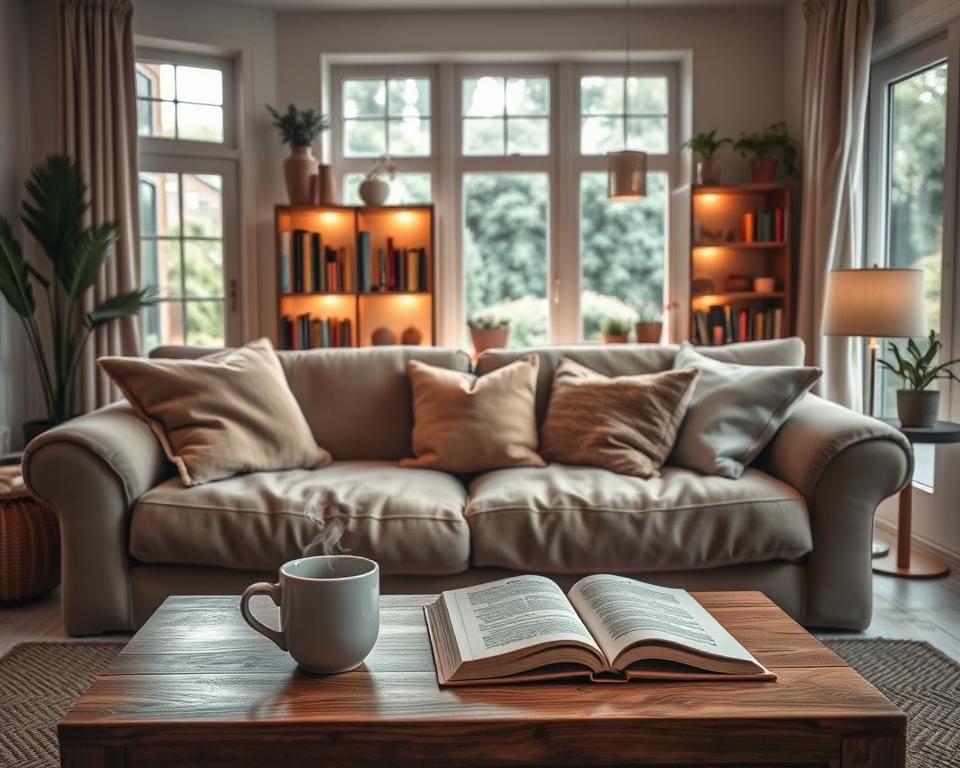
When it comes to creating an inviting and cosy home, understanding what constitutes living space comfort is essential. A comfortable design transcends mere aesthetics, weaving together emotional, physical, and sensory elements that enhance our everyday lives. According to a survey by IKEA, a remarkable 83% of individuals place a high priority on comfort within their homes, highlighting its significant impact on overall quality of life.
In this article, we will explore the myriad factors that contribute to a true oasis of relaxation, encouraging you to reflect on the comfort of your own living spaces. From the choice of ergonomically designed furniture to the soothing ambiance created by lighting and textures, each element plays a crucial role in making your home a sanctuary.
The Importance of Comfort in Home Design
Understanding the role of comfort in home design reveals its profound impact on emotional well-being. A space that fosters a sense of security and tranquillity can significantly enhance a person’s mood and overall happiness. When individuals feel relaxed in their surroundings, they experience reduced stress levels and improved mental health. This connection between home design and emotional well-being highlights the home design importance, emphasising that a nurturing environment serves as the foundation for a joyful life.
Understanding Emotional Well-being
One key aspect of the psychological effects of comfort lies in the ability of a well-designed home to cater to one’s needs. Spaces that seamlessly blend ergonomic furniture with personalised aesthetic touches can elevate one’s mood and enhance their daily experience. Comfort is not merely a luxury; it serves as a catalyst for emotional balance and positivity in life.
Physical Comfort vs Aesthetic Appeal
As important as aesthetics are, the challenge of comfort vs aesthetics often comes to light in home design. Striking a balance between beautiful décor and functional comfort is essential. Designers, such as Philippe Starck, exemplify this duality by merging visual appeal with practical comfort, ensuring that every piece serves a purpose while adding glamour to the environment. Ensuring that beauty does not compromise functionality guarantees that individuals can enjoy their spaces to the fullest.
Curating the Perfect Furniture
Creating a harmonious living space involves more than just choosing aesthetically pleasing items. The focus should encompass both ergonomic furniture and stylish home furniture, ensuring that comfort aligns with visual appeal. Thoughtful furniture curation promotes an environment conducive to relaxation and productivity.
Choosing Ergonomic Pieces
Investing in ergonomic furniture is vital for maintaining good posture and overall health. Brands like Herman Miller offer pieces designed with functionality in mind, allowing users to enjoy long hours of work or leisure without discomfort. Selecting chairs and desks that support the body can significantly enhance daily life.
Balancing Functionality and Style
In contemporary interiors, functional design often meets artistic expression. Multifunctional furniture has gained popularity, particularly in smaller spaces. Companies like Muji excel in creating minimalist and practical designs, ensuring that every piece serves a purpose. The elegant fusion of style and functionality elevates any room, making stylish home furniture both beautiful and efficient.
What makes a living space truly comfortable?
A truly comfortable living space embodies key elements that foster a sense of belonging and relaxation. It begins with the layout and furniture arrangement, allowing for smooth movement and an inviting ambience. Soft seating options, paired with warm colour palettes, create perfect comfort elements that invite you to unwind. When thoughtfully designed, these elements transform any area into a comfort zone.
Key Elements of a Comfort Zone
Creating a comfort zone involves more than just choosing the right furniture. Consider these essential aspects:
- Soft textiles such as cushions and throws add warmth and tactile appeal.
- Space planning ensures that rooms feel open yet cosy, encouraging flowing conversation.
- A well-balanced mix of lighting, including natural light, enhances mood and vitality.
Creating a Personalised Atmosphere
A personalised atmosphere reflects your unique personality and preferences, essential for truly comfort-driven spaces. Consider the following tips:
- Select decor items that resonate with your style, like artwork and family photographs.
- Incorporate colours that evoke comfort and joy, enhancing the overall feel of the space.
- Curate a collection of favourite books or items that tell a story, making the area distinctly yours.
Lighting: A Crucial Element of Comfort
Lighting plays an essential role in creating a comfortable living space. Both natural vs artificial light have distinct advantages that can enhance the atmosphere of any room. The strategic placement of windows allows for an abundance of natural light, which not only uplifts the mood but also contributes to overall well-being. In contrast, selecting the right type of artificial lighting can offer warmth and flexibility, catering to different activities and times of the day.
Natural Light Versus Artificial Lighting
Natural light is often lauded for its numerous benefits. Sunlight can improve focus and reduce feelings of fatigue. When opting for home lighting, prioritising daylight where possible can create a more vibrant setting. On the other hand, artificial lighting serves as a vital compensatory tool, especially during the evening. Choosing the correct types of light fixtures, such as ceiling lights, lamps, and wall sconces, ensures that residents can enjoy a range of options that align with their personal preferences.
Using Warm Tones for a Cosy Feel
Warm lighting significantly enhances the feeling of comfort in a home. Soft, inviting light offers an air of tranquillity, making spaces more welcoming. Implementing dimmable lights offers versatility, allowing one to adjust the brightness according to the time of day or the desired mood. Combining warm tones in lamps and overhead lights fosters a soothing environment, perfect for relaxation after a busy day. Together, the balance of natural light and thoughtfully chosen warm lighting can create a haven of comfort in any home.
Textures and Materials Matter
When it comes to creating a comfortable home, the choice of textures and materials plays a significant role. Thoughtfully selected home textiles contribute not only to aesthetic appeal but also to the tactile joy of a living space. By incorporating soft, luxurious fabrics and embracing the beauty of natural textures, one can transform a house into a haven of comfort.
Soft Fabrics for Home Comfort
Emphasising the importance of comfortable materials, opting for soft fabrics can significantly enhance relaxation. Consider using plush textiles like cashmere, velvet, and cotton blends for throws and cushions. These fabric choices offer a harmonious balance of warmth and softness, inviting you to snuggle up on a chilly evening. The right home textiles can also infuse a space with a sense of luxury and serenity.
Incorporating Natural Elements
Natural textures bring an inviting quality to any interior. Incorporating elements such as wood and stone within furnishings and décor creates a soothing ambiance. Sustainable brands like The White Company offer a range of products that exemplify the integration of natural materials, enhancing both comfort and aesthetic value. Embracing these organic materials promotes not only a connection to the earth but also a calming energy that can elevate the entire room.
Temperature Control and Air Quality
A comfortable living space relies heavily on effective temperature control and superior air quality. Homeowners should prioritise heating solutions that promote a snug environment. Ideal climates not only enhance relaxation but also contribute to health and well-being. By integrating cutting-edge heating solutions such as underfloor heating systems and smart thermostats, one can achieve unparalleled comfort throughout the home.
Heating Solutions for a Snug Environment
Underfloor heating offers an efficient way to maintain warmth while providing an even heat distribution. This approach enhances the overall experience within your home. Alongside traditional radiators, these modern heating solutions create a welcoming atmosphere. Keep in mind that optimal temperature control can transform any space into a haven.
Importance of Ventilation and Fresh Air
Proper home ventilation is essential for maintaining excellent air quality. Continuous airflow reduces the risk of dampness and prevents the build-up of harmful pollutants. Incorporating air purifiers can further enhance the indoor environment. Homeowners should consider regular ventilation strategies that allow fresh air to circulate, minimising allergens and creating a healthier atmosphere for all inhabitants.
Personal Touches that Enhance Comfort
Creating a truly comfortable living space involves embedding personal home elements that resonate with warmth and familiarity. These touches not only enhance the aesthetic but also evoke memories, making the environment feel even more inviting.
Incorporating Family Heirlooms and Art
Family heirlooms serve as tangible connections to history, inviting nostalgia and storytelling. Whether it is a cherished piece of furniture or a decorative item passed down through generations, these elements can transform any space. Art for comfort plays a critical role in personalisation; artworks that reflect your journey, interests, or creativity infuse the home with character. Consider displaying unique pieces you’ve created or collected over time, as these will undoubtedly spark joy.
The Role of Plants in Creating Calm
Incorporating calming plants can significantly enhance the atmosphere of your home. Plants like snake plants and peace lilies not only beautify a room but also improve air quality, promoting a sense of relaxation. The soft greenery of these calming plants creates an environment conducive to unwinding after a long day. When nurturing these personal home elements, you invite a breath of life into your space, reinforcing a comforting sanctuary.
Zone Planning for Relaxation
Effective zone planning is essential for transforming a home into an oasis of relaxation. By creating defined relaxation spaces, you can enhance comfort and foster a sense of tranquility in your everyday life. This involves designing specific areas for various activities such as reading, meditation, or leisurely pursuits, allowing each space to serve its unique purpose while seamlessly blending into your home design.
Expert interior designers suggest that integrating multifunctional zones not only optimises the flow of your living space but also invites a peaceful atmosphere. For instance, a corner dedicated to reading can be equipped with a plush chair, floor lamp, and an assortment of books, while a nearby area provides a soft rug and cushions for meditative practices. Such strategic arrangement promotes optimal relaxation as you allow your mind to shift focus between different activities.
Moreover, when executing zone planning, consider the layout of your furniture and décor. This ensures that each relaxation space feels inviting and accessible, creating an environment that encourages unwinding. By thoughtfully curating these zones within your home, you facilitate a lifestyle infused with calm and comfort, a crucial element for overall well-being.