In the UK, the allure of minimalist living has gained considerable popularity in 2023, as more individuals strive to simplify their lives amidst the chaos of modern consumerism. This lifestyle choice offers a refreshing contrast to the overwhelming distractions of daily life, where the focus shifts from accumulation to meaningful experiences. Many are drawn to minimalism not just for its aesthetic qualities but for the profound mental clarity it brings, creating a space free from unnecessary clutter. Influencers and authors advocating for simplicity have further encouraged this movement, helping others discover the enriching benefits of a stripped-back existence. As we delve deeper into this phenomenon, we will explore its rise, the societal shifts propelling it forward, and the transformative impact it has on those embracing it.
The Rise of Minimalist Living
The rise of minimalism has transformed the way many people perceive their lifestyle. This movement champions simplicity and intentional living, prompting individuals to re-evaluate their possessions and priorities. Embracing a minimalist lifestyle invites a focus on experiences rather than material goods, advocating for a clearer perspective in a world filled with distractions.
Understanding Minimalism as a Lifestyle
Minimalism as a lifestyle encourages intentional choices that reflect personal values. Individuals often find that adopting this approach leads to enhanced mental clarity and reduced stress. By prioritising what truly matters, life becomes less chaotic and more purposeful. The key tenets of minimalism include decluttering physical spaces, which in turn fosters a more serene environment conducive to productivity and well-being. The benefits of establishing a minimalist home go beyond aesthetics; they offer transformative experiences that resonate on a deeper level. A beautifully curated space can help nourish one’s mind and spirit, as outlined in a discussion on minimalist home decor for a calming.
Historical Context and Evolution
The historical context of minimalism provides a fascinating backdrop for its current resurgence. Originating in the early 20th century, minimalism evolved through various art movements, establishing a foundation that fosters creativity and simplicity. As societies progressed, this philosophy began to influence lifestyle choices, making its way into architecture, design, and even personal living practices. The evolution of minimalism reflects a broader cultural shift towards valuing simplicity, efficiency, and sustainability in everyday life, guiding individuals away from the excess that modern consumerism often promotes.
Benefits of Minimalist Living
Minimalist living provides an array of advantages, notably in boosting mental clarity and achieving financial freedom. By embracing a lifestyle centred around simplicity, individuals can experience a significant reduction in distractions and stressors. This shift promotes not only a calmer mindset but also fosters greater focus on what truly matters in life.
Improved Mental Clarity
One of the primary benefits of minimalism is improved mental clarity. A cluttered environment often leads to a cluttered mind, making it difficult to concentrate. By minimizing physical possessions, individuals create an atmosphere that allows for enhanced focus and creativity. A simpler space correlates with a lighter mental load, paving the way for a more tranquil mindset and a clearer vision of personal goals.
Financial Freedom and Savings
Adopting a minimalist lifestyle can greatly contribute to financial freedom. Individuals who prioritise experiences over material possessions often find they can save significant amounts of money. Less clutter means reduced spending on unnecessary items, which translates to substantial savings over time. This financial clarity enables individuals to invest in meaningful experiences and create a sustainable budget that aligns with their values.
What makes minimalist living so popular now?
The growing popularity of minimalism reflects significant shifts in societal values and the powerful influence of social media. As more people seek to disengage from consumer culture, they are embracing lifestyles that prioritise sustainability and mental well-being. This transition has redefined what it means to lead a fulfilling life.
Shifts in Societal Values
A noticeable move towards valuing experiences over possessions has emerged in today’s society. Individuals are increasingly recognising that happiness lies not in material accumulation but in meaningful interactions and a serene environment. The focus on mental health and well-being is fostering an appreciation for simplicity and intentional living. The popularity of minimalism can be attributed to a collective desire to align one’s life with these evolving societal values.
The Influence of Social Media
Platforms like Instagram and TikTok have played a pivotal role in promoting minimalist lifestyles. Users share visually appealing content that showcases uncluttered spaces and serene living. These platforms have birthed a vibrant community that draws inspiration from influencers and celebrities advocating for minimalism. The social media impact on this trend cannot be understated, as it continues to shape perceptions and encourage others to explore the beauty of a simplified life.
The Impact of Consumerism
The modern landscape of consumerism shapes individual desires and societal norms, making it crucial to examine its impact. Overconsumption has become a defining characteristic of contemporary life, leading to significant environmental and social consequences. The drive to acquire more often overshadows deeper values, pushing many to seek fulfilment through possessions rather than experiences.
Overconsumption and Its Consequences
Excessive consumption contributes to a variety of issues that extend beyond personal welfare. The relentless pursuit of material goods can result in:
- Increased waste production, resulting in strained landfills and polluted landscapes.
- Resource depletion that threatens the availability of essential materials for future generations.
- Negative psychological effects, including anxiety and stress, stemming from financial strain and the pressure to keep up with peers.
As awareness of these dire consequences grows, more individuals are turning to minimalism as a response. Rejecting consumerism allows for a more intentional approach to life, encouraging people to prioritise what truly matters. By embracing minimalism, one can foster a healthier relationship with possessions and promote a sustainable future.
Minimalism and Sustainability
Embracing minimalism dovetails beautifully with efforts towards sustainability, fostering eco-friendly living practices that resonate in today’s conscientious society. By paring down possessions and prioritising quality, individuals can significantly lessen their environmental impact while enjoying the benefits of a simpler lifestyle. The journey towards a minimalistic, sustainable lifestyle starts with intentional choices, encouraging a harmonious relationship with both the planet and one’s living space.
Eco-Friendly Living Practices
Engaging in eco-friendly living enhances the minimalist philosophy by steering clear of excess and championing sustainability. The following practices illustrate this potent combination:
- Select sustainable products crafted from renewable materials, promoting both durability and environmental stewardship.
- Source local produce to reduce transportation emissions while enjoying fresher and seasonal offerings.
- Incorporate natural elements in home décor, which could range from wooden furnishings to organic fabrics, deepening the connection with nature.
- Implement a waste reduction strategy, including upcycling and composting, to minimise landfill contributions.
- Adopt energy-efficient appliances and reduce energy consumption, leading to lower utility bills and a reduced carbon footprint.
Transitioning to these eco-friendly practices promotes a more sustainable living environment. Every small change contributes to the broader goal of a greener planet, aligning perfectly with minimalism. For deeper insights into creating serene and sustainable spaces, check out this resource on timeless styles for a serene living.
Healthier Lifestyle Choices
Adopting a minimalist lifestyle presents a unique opportunity for individuals to make healthier lifestyle choices. The act of decluttering not only simplifies one’s physical environment but also has profound implications for mental and emotional well-being. By creating space and order, individuals often experience a significant reduction in stress and anxiety, laying the groundwork for a more balanced life.
Reducing Stress and Anxiety
The link between minimalism and stress reduction is particularly noteworthy. A cluttered space can easily lead to distractions, while a minimalist environment promotes clarity and calm. Research has shown that people who embrace minimalism report reduced levels of anxiety, as it allows them to focus on what truly matters in their lives. This shift enables them to manage their emotions better and fosters a sense of peace in the chaos of modern living.
Enhanced Focus on Well-being
Minimalism encourages individuals to prioritise their well-being. In this lifestyle, there is a conscious effort to engage in self-care, nurture relationships, and attend to mental health. By shedding unnecessary possessions, individuals can devote more time and energy to activities that enrich their lives. Investing in well-being becomes a fundamental aspect of living a healthier lifestyle, further enhancing overall happiness and satisfaction.
Creating a Minimalist Home
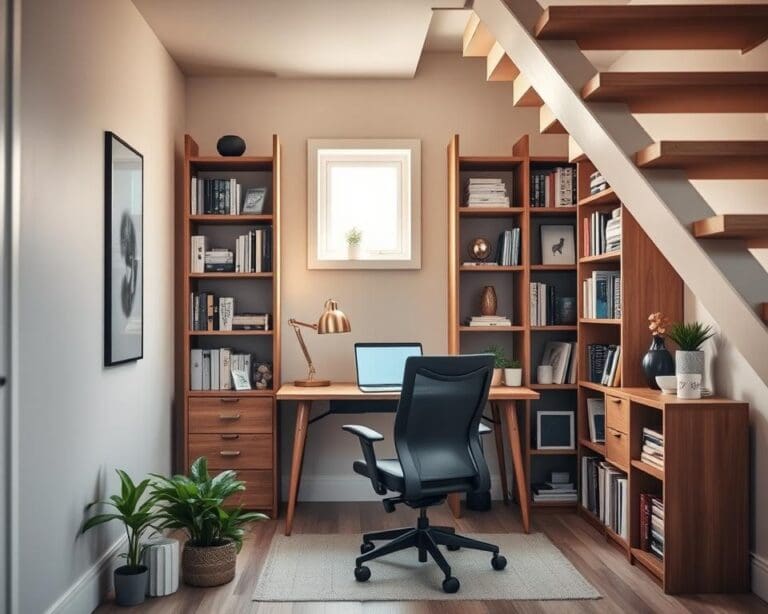
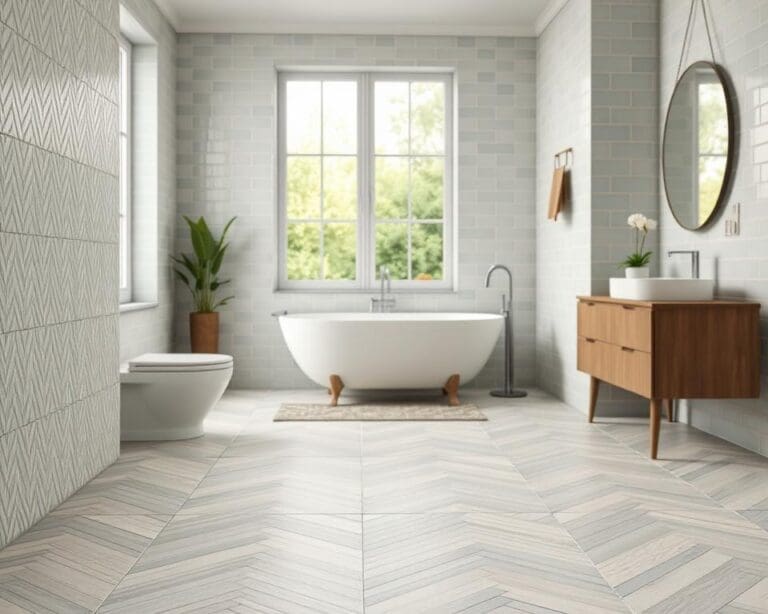
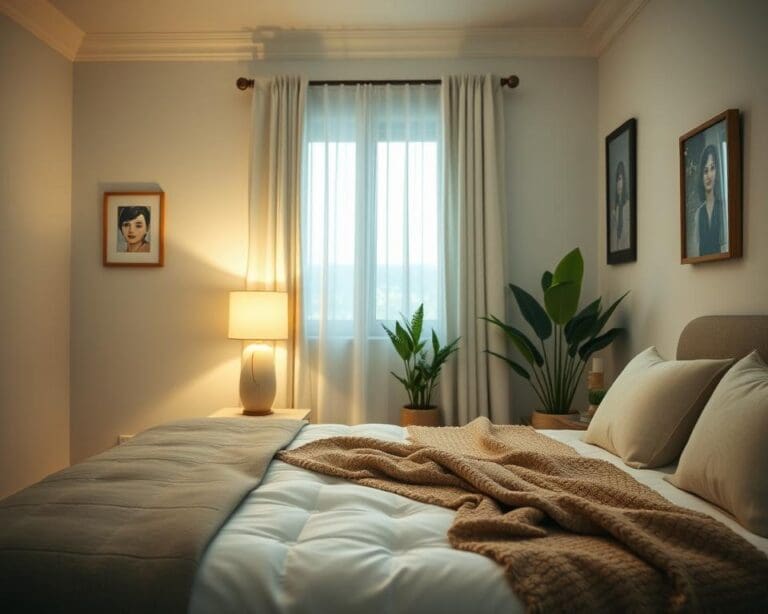
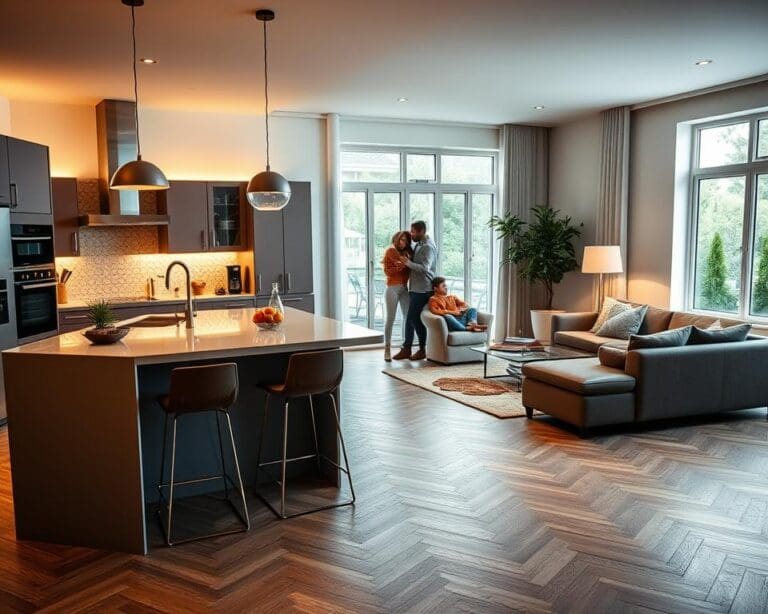
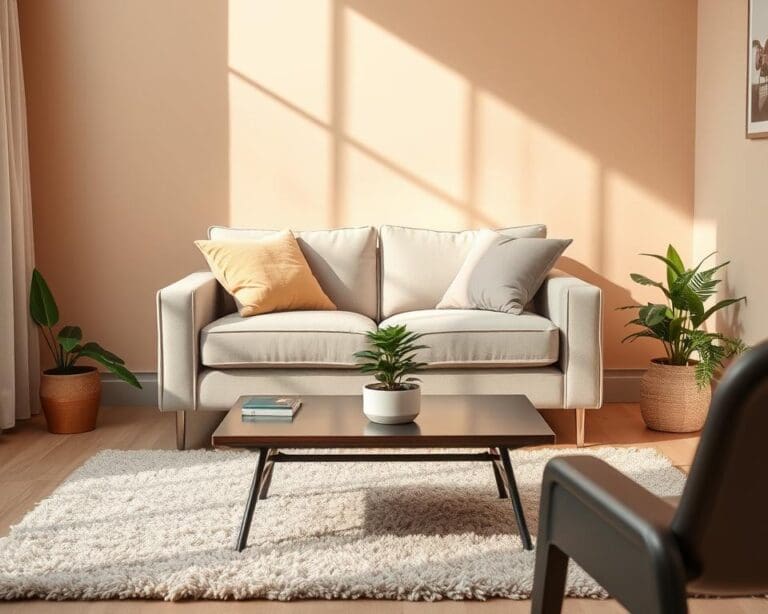
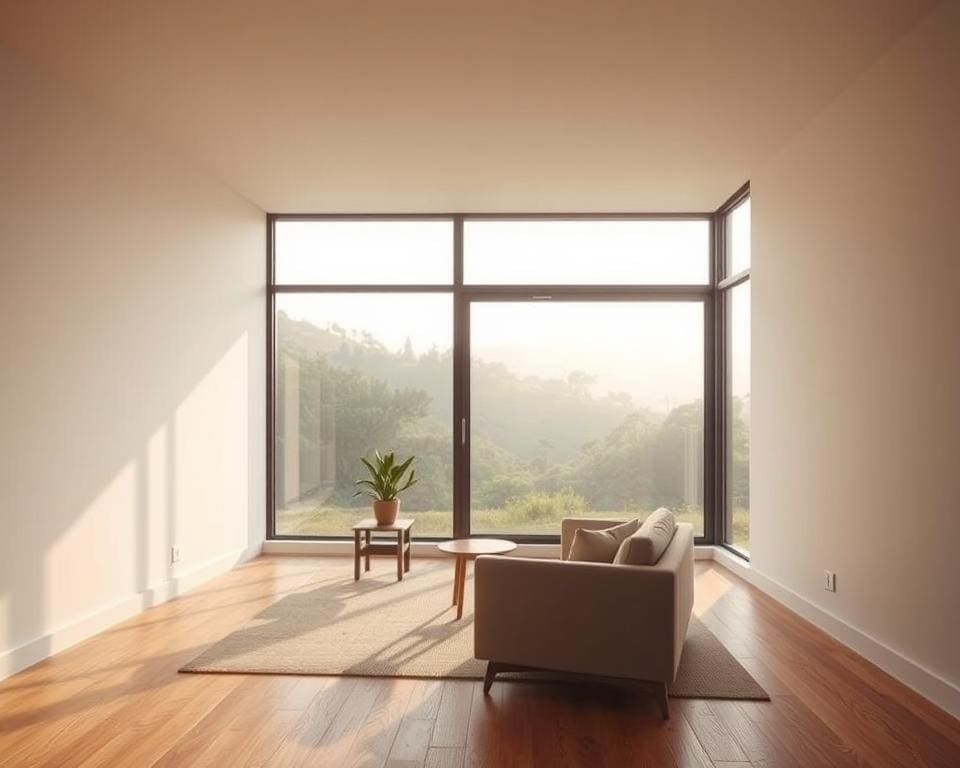
Creating a minimalist home fosters a sense of calm and clarity. Embracing decluttering practices enables individuals to develop spaces that truly reflect their essence, free from excess noise and distractions. Streamlined environments not only enhance aesthetics but also significantly impact overall well-being.
Tips for Decluttering Your Space
Effective decluttering involves several strategies to simplify your home. Consider these practical tips:
- Implement the “one in, one out” rule to maintain balance. For every new item, let go of one you no longer need.
- Assess emotional attachments to belongings. Ask yourself if the item brings joy or serves a purpose.
- Start small by focusing on one room or area at a time to prevent overwhelm.
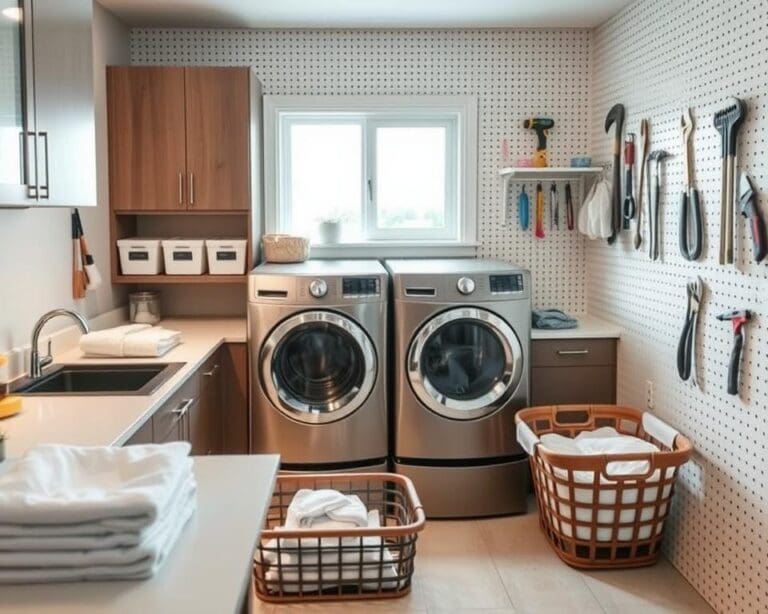
- Use storage solutions that promote visibility of essential items, ensuring everything has a designated place.
Essential Items for Minimalist Living
Understanding which essential items to keep is vital when transitioning to a minimalist home. Consider these categories:
- Functional Furniture: Choose pieces that serve multiple purposes, like a sofa bed or an extendable dining table.
- Quality Kitchenware: Keep only the essentials that cater to your cooking habits, such as a reliable knife and a sturdy cutting board.
- Versatile Decor: Limit decorative items to a few cherished pieces that resonate with you emotionally.
- Minimalist Technology: Select devices that streamline processes, eliminating unnecessary gadgets.
Inspirational Minimalist Figures
The minimalist movement has gained momentum in recent years, thanks largely to the influence of several prominent minimalist figures who advocate for simplicity and purpose in their lives. Joshua Becker, a renowned author and speaker, has dedicated his work to introducing people to the benefits of minimalism, urging them to reflect on what truly matters. His insights provide a guiding light for many seeking to simplify their surroundings and reclaim their time and focus.
Another powerful voice in the minimalist community is Marie Kondo, whose practical approach to decluttering has transformed countless lives. Through her bestselling books and popular television series, Kondo’s philosophy emphasises joy as a criterion for keeping items, encouraging individuals to make thoughtful choices about their possessions. Both Becker and Kondo, along with other lifestyle advocates, have effectively reshaped the dialogue around minimalism and its relevance in today’s fast-paced world.
Beyond authors and speakers, there exists a vast network of advocates sharing personal journeys through social media platforms, bringing relatable narratives to the forefront. Their stories serve as powerful inspiration, illustrating that minimalism is not merely a concept but a lifestyle choice that fosters well-being and fulfillment. These minimalist figures, each contributing uniquely to the movement, continue to inspire individuals to adopt a simpler, more intentional way of living, demonstrating that embracing less can indeed lead to more joy and clarity in everyday life.