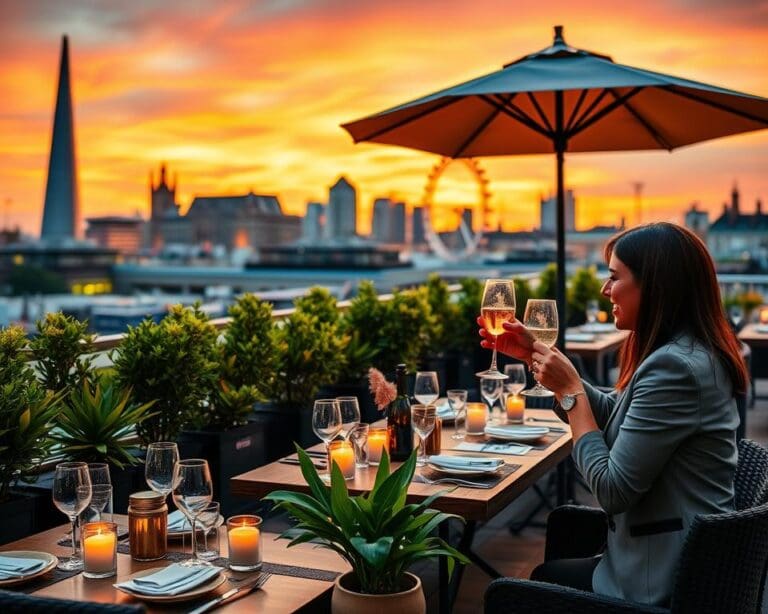
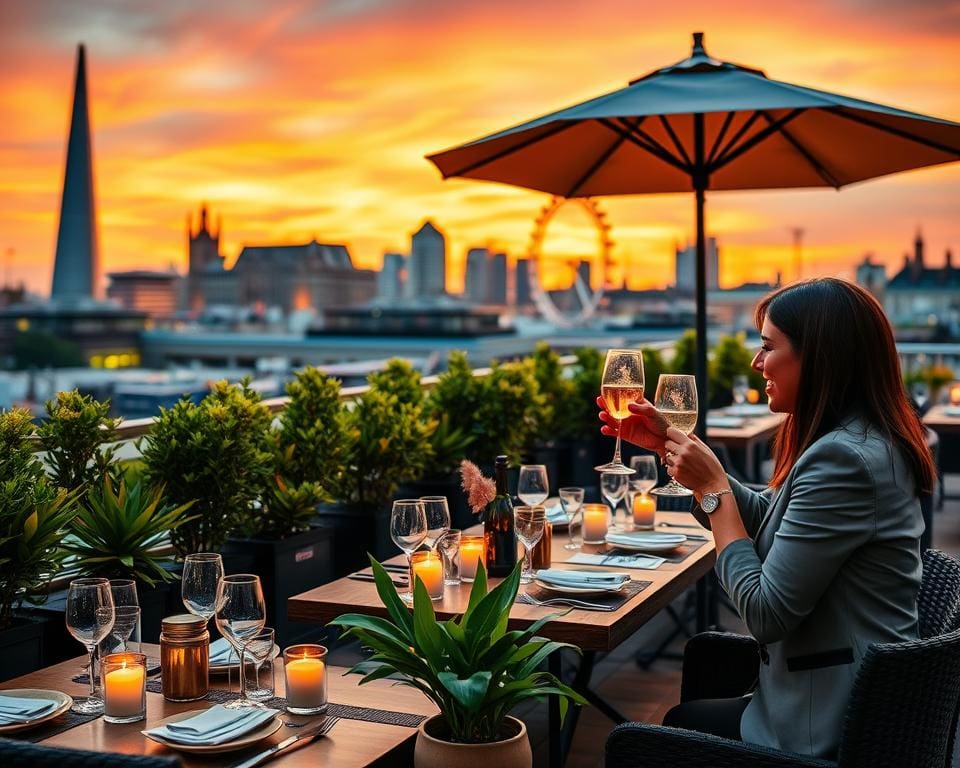
London’s rooftop dining scene captures the city’s blend of history and modern energy. From the Shard’s needle to the curve of the London Eye, rooftop views London turn landmarks into dinner companions. The result is an experience that feels both cinematic and intimate.
What sets it apart is a mix of design, food and atmosphere. London rooftop restaurants offer inventive menus by celebrated chefs and elevated cocktail lists that champion flavour and theatre. Many spaces use glass, timber and planting to create warmed al fresco pockets that work year-round.
Rooftop bars London have become part of city life, serving locals, business diners and tourists alike. Summer terraces, heated canopies and winter igloos show how outdoor dining London adapts to seasons and events. The social buzz below and lights above give every visit a sense of occasion.
Read on to discover the specific elements that make rooftops special: the skyline views, the mood and seasonal variations. Later sections will recommend the best venues, explain design and sustainability, and offer practical tips for booking and making the most of a rooftop meal.
What makes rooftop dining in London special?
Rooftop dining in London pairs sweeping views with crafted hospitality to create memorable evenings. Guests arrive for more than a meal. They come for framed panoramas, a curated mood and experiences that change with the seasons.
Iconic skyline and landmark views
Many terraces offer striking London skyline views, where the Shard’s jagged silhouette and St Paul’s dome sit beside Tower Bridge and the sweep of the River Thames. A rooftop in the City highlights financial district skyscrapers. South Bank terraces catch river vistas. West End perches look toward theatre lights and the London Eye.
Light alters perception. Sunrise lends soft pastels. Golden hour bathes facades in warm tones. Night-time city-lights turn the skyline into a glittering backdrop prized by diners and photographers.
Atmosphere and sense of occasion
Rooftop venues shape atmosphere through music programming, lighting design and furniture that balances comfort with style. Playlists range from chill jazz to DJ sets to fit the hour and the crowd.
Many guests choose rooftops for birthdays, proposals, anniversaries and corporate launches. Elevated service, tasting menus, chef’s tables and signature cocktail lists add theatre. Sommelier recommendations lift a simple meal into an event.
Seasonal and weather-led experiences
London rooftops evolve with the year. In summer, terraces open with sunbeds and al fresco dining. Autumn brings heaters, fleece blankets and heartier menus. Winter pop-ups appear as heated domes, igloos and mulled wine evenings. Spring events celebrate blossom and lighter plates.
To extend the season, venues invest in rooftop weatherproofing: covered terraces, retractable roofs, infrared heaters, windbreaks and weatherproof furniture keep guests comfortable while preserving the view. Expect contingency plans and flexible booking policies when the British weather looks changeable.
Best rooftop restaurants and bars in London for views and cuisine
Rooftop dining in London pairs skyline drama with thoughtful cooking. Here you will find quick pointers to notable venues, sample dishes and cocktail styles, and practical rooftop booking tips. Use this as a compact guide when choosing between casual terraces and refined hotel rooftops.
Top venues by neighbourhood
In the City of London and around Bank, Sky Garden offers panoramic views with modern British plates, while Duck & Waffle serves all-day dishes and late-night service for after-work crowds and business lunches. In South Bank and Waterloo, The Rooftop at Trafalgar St James and nearby terraces give sweeping river vistas perfect for pre- or post-theatre meals close to Tate Modern and the Southbank Centre.
West End and Covent Garden rooftops such as Madison attract theatre-goers who want pre-show cocktails and lively evening dining under city lights. Shoreditch and East London venues like Netil360 and The Culpeper focus on trend-led small plates, street-food influences and craft-cocktail programmes for late-night socialising.
For Kensington and Mayfair, look to hotel rooftops and private-club terraces including Aqua Shard and Hutong for discreet luxury and fine-dining menus that suit special occasions.
Signature dishes and cocktail programmes
London rooftops favour sharing plates and modern British cooking. Expect seasonal tasting menus, seafood-forward options and fusion touches that blend Mediterranean and Asian flavours. Many spots offer daytime brunch sushi or weekend bottomless brunches that switch to evening tasting menus and cocktail sessions.
Cocktail programmes often feature classic twists such as martini variations and signature negronis, plus bespoke seasonal drinks that use British botanicals. Venues commonly list premium spirits and curated wine selections with sommelier pairings to match tasting menus.
Price ranges and booking tips
Typical rooftop prices London fall into clear brackets. Casual rooftops and bars usually charge moderate prices: cocktails from the mid-£10s and mains around £12–£25. Mid-range restaurants have mains of £20–£40 with cocktails at about £12–£18. Fine-dining terraces and hotel rooftops expect tasting menus from £65 and set menus at premium rates.
For rooftop booking tips, reserve well in advance for weekend evenings, summer months and bank holidays. Ask for window or landmark-facing tables when you book. Check cancellation policies and weather contingency plans before you go. Use restaurant websites, OpenTable, DesignMyNight or direct phone bookings for best availability.
Timing matters. Arrive for sunset to capture the best light and views. Choose weekday reservations if you prefer quieter service and possibly better-value menus.
Design, sustainability and the rooftop dining experience
Rooftop spaces blend engineering with atmosphere to create memorable nights above the city. Thoughtful rooftop design London balances structure and style with practical measures that withstand wind and rain while keeping views clear and inviting.
Architecture and interior design considerations
Lightweight pavilions, glass balustrades and retractable roofs allow venues to open to the skyline without compromising comfort. Modular furniture and pergolas help operators adapt seating for weather and capacity, keeping the look cohesive across seasons.
Lighting sets mood. Soft ambient lighting, pendant features and festoon bulbs create intimacy and frame landmark vistas. Planters and specimen trees define dining zones and soften hard surfaces, resulting in a greener, calmer setting.
Acoustics matter. Careful speaker placement and directional sound systems preserve conversation and atmosphere while delivering music at appropriate levels for diners.
Green roofs and sustainable practice
Many London rooftops adopt biodiverse green roofs London to support pollinators and improve insulation. Rainwater harvesting and energy-efficient LED lighting cut resource use, while heat-recovery systems lower energy demand.
Kitchen choices reinforce purpose. Sourcing seasonal British produce and MSC-certified seafood reduces food miles. Plant-based options and composting schemes help minimise waste, aligning menus with modern ethics.
Accreditations signal commitment. Schemes such as BREEAM ratings and Green Tourism accreditation give diners confidence in a venue’s green credentials for sustainable rooftop restaurants.
Accessibility and safety features
Rooftop safety London depends on secure balustrades, non-slip decking and effective windbreaks. Clear capacity management and visible fire-safety provisions protect guests. Staff training ensures calm and organised emergency evacuation when needed.
Good rooftop accessibility includes step-free routes via lifts, level thresholds and accessible seating choices. Venues should provide clear arrival instructions and accessible toilets. Historic buildings sometimes limit access, so guests are advised to check details before visiting.
Guests with dietary, mobility or allergy needs should inform venues in advance. That allows staff to prepare and ensures the visit is safe, comfortable and enjoyable for everyone.
How to make the most of rooftop dining in London
Book early, especially for sunset slots, bank holidays and summer weekends. Use a venue’s official website or trusted booking platforms and add a note to request a corner table or one that faces landmarks such as the Shard or St Paul’s. If you want something private, ask about reserving a dedicated area; many places at The Ned or Skylight offer private options for groups.
Check the weather forecast and the venue’s policy on refunds, indoor alternatives and covered areas before you travel. Dress in layers for shifting temperatures, choose smart‑casual attire and wear sensible shoes for decking and wind‑prone rooftops. Bring sunglasses for daytime terraces and a light jacket for evening breezes.
Arrive 30–60 minutes before sunset to catch the changing light. Pre‑order a celebration cake or champagne if you are marking an occasion, or ask the staff about table decorations. Pace your courses so you can enjoy the view between dishes, share plates to sample more of the menu and try a venue’s signature cocktails or seasonal drinks to capture its character.
Make sustainable choices by ordering plant‑forward options and wine by the glass, and travel by Tube, river services or bus where possible, as on‑site parking is often limited. Follow rooftop etiquette London: be mindful of other diners when taking photos, avoid close‑range flash and respect venue photography policies for professional shoots. With a little planning and respect for the space, rooftop dining becomes one of the best time rooftop London experiences, blending panoramic views, design‑led settings and memorable cuisine. rooftop dining tips London and rooftop photography tips will help you plan each outing and find your favourite vantage points across neighbourhoods.