
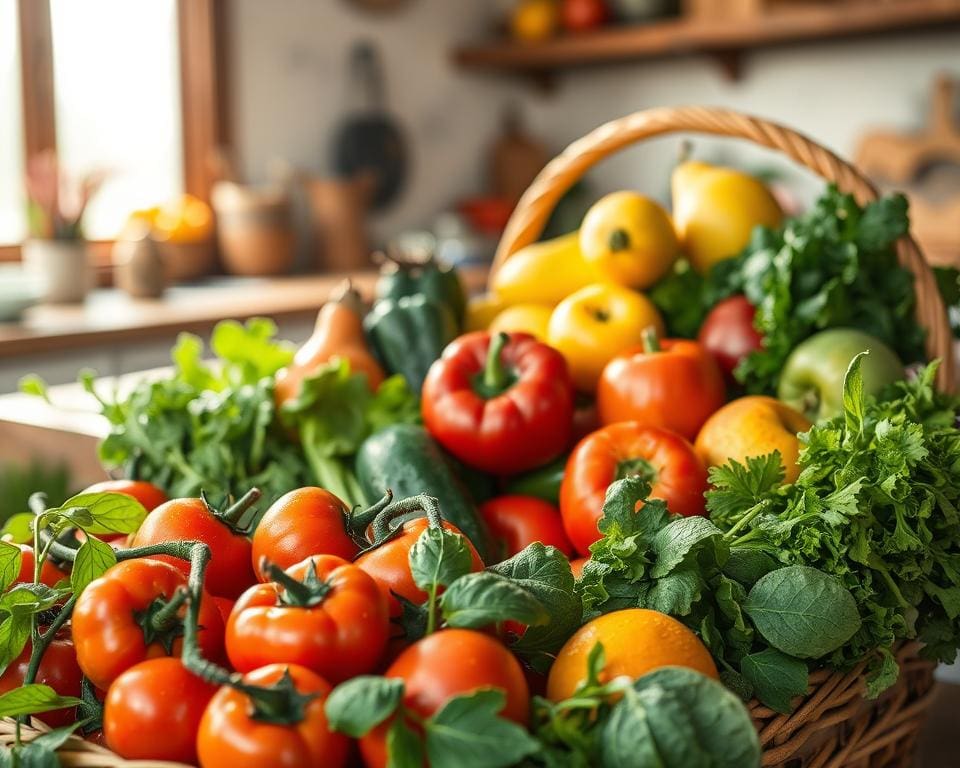
Seasonal produce, with its vibrant and delicious flavours, stands out as a cornerstone of culinary excellence. Harvested at its peak, seasonal fruits and vegetables develop an unparalleled taste and texture, showcasing the rich goodness of farm-fresh food. When allowed to ripen naturally, these ingredients boast essential nutrients and sugars that enhance their flavour profile. Understanding the significance of seasonal eating not only elevates our dining experiences but also strengthens our connection to local ecosystems and sustainable farming practices.
The Science Behind Seasonal Flavours
The delightful experience of enjoying seasonal flavours is deeply rooted in the intricate relationship between climate and soil. This connection not only affects the taste of produce but also its overall quality. When climate influence on produce aligns with optimal soil health, the results are nothing short of remarkable.
The Role of Climate and Soil
Different climatic conditions significantly affect the development of fruits and vegetables. For instance, warmer weather tends to enhance the sugar content in many crops, resulting in a sweeter flavour profile, particularly in strawberries and tomatoes. The richness of soil plays a critical role as well; fertile soil abundant in organic matter nurtures crops to develop deeper and more intense flavours, ultimately enhancing the overall eating experience.
Nutrient Density Over Time
Seasonal produce is also distinguished by its nutrient density. Plants draw upon the natural nutrients present in the soil throughout their growing season. Research shows that vegetables such as spinach and kale harvested at their peak often boast higher vitamin content than their out-of-season counterparts. This relationship underscores the importance of soil health in delivering nutrient-dense food options to our tables.
Seasonal Variety and Freshness
One of the standout characteristics of seasonal produce lies in its unmatched freshness. When fruits and vegetables are picked at the peak of their ripeness, they offer unparalleled flavour and vitality. Local markets play a crucial role in this experience, allowing consumers access to the freshest produce available. This direct connection to local farmers enhances the enjoyment of cooking with seasonal variety.
Unmatched Freshness
Fresh produce harvested at the right time retains optimal texture in food. The crispness of a freshly picked carrot or the juiciness of a ripe tomato showcases why embracing seasonal options leads to superior culinary creations. Such ingredients incorporate a palette of flavours that reflect the natural cycles of growth, capturing a sense of place and time in every bite.
Diverse Textures and Tastes
The beauty of eating seasonally is in the unrivalled taste diversity it provides. Each season introduces unique offerings; for instance, summer delights with juicy berries and crunchy cucumbers, while winter reveals hearty root vegetables and citrus. This seasonal variety invites creativity in the kitchen, encouraging cooks to explore combinations that highlight the different textures in food and flavours. Embracing what the season has to offer enriches meals and enhances the overall dining experience.
What makes seasonal produce so delicious?
Seasonal produce offers a unique combination of taste and nutrition that enhances any meal. The timing of harvest plays a significant role in achieving such remarkable flavours. When fruits and vegetables are harvested at their peak ripeness, they provide succulent sweetness and vibrant flavours that supermarket varieties simply cannot match.
Peak Ripeness and Flavour
Fruits and vegetables like summer strawberries and autumn squash reach their full potential when harvested during their prime. This peak ripeness results in flavourful produce that can transform any dish into something extraordinary. Consumers often notice how a freshly picked tomato burst with flavour carries an entirely different experience compared to one that has endured a long supply chain.
Supporting Local Farmers
Choosing seasonal produce often aligns with the support of local farmers. Purchasing from these growers contributes to their livelihoods while promoting sustainable agricultural practices. The relationship built between consumers and local farmers nurtures an appreciation for the fresh ingredients on our plates. This dynamic not only enhances the taste of our meals but fosters community resilience and reduces the environmental impact associated with long-distance food transportation.
Health Benefits of Eating Seasonal Produce
Embracing seasonal produce not only delights the palate but also provides remarkable health benefits. Consuming fruits and vegetables at their optimal harvest times enhances their nutritional value, delivering a bounty of vitamins, minerals, and antioxidants crucial for maintaining overall well-being.
Higher Nutritional Value
Seasonal foods are often harvested at their peak ripeness, which significantly boosts their nutritional content. This emphasis on local sourcing helps ensure that produce retains its flavour and nutrient density. Incorporating these foods into meals can address health needs and contribute positively to a balanced diet.
Lower Environmental Impact
Seasonal eating promotes sustainable eating habits by limiting the distance food travels. This approach aligns with eco-friendly practices, reducing carbon emissions linked to transportation. Supporting local farmers not only nurtures the environment but also encourages agricultural techniques that foster ecological balance.
Cooking with Seasonal Ingredients
Cooking with seasonal ingredients transforms the kitchen into a vibrant space for culinary creativity. Each season brings its unique bounty, inspiring cooks to explore and innovate through seasonal recipes that celebrate fresh produce. From the refreshing salads of summer to the hearty dishes of winter, the variety available allows for delightful taste experiences year-round.
Creative Recipes for Every Season
Seasonal recipes provide a canvas for imagination in the kitchen. Spring invites the use of tender asparagus and sweet peas, perfect for a light risotto. Summer is the time for vibrant tomato gazpacho, while autumn’s embrace of root vegetables leads to rich, comforting soups. Winter challenges cooks to engage with seasonal citrus and hardy greens, unlocking endless possibilities for zestful dishes.
Enhancing Flavours with Seasonal Pairings
Flavour pairings during different seasons create harmony on the plate. Autumn’s earthy squash complements the warmth of spices like cinnamon and nutmeg, creating inviting meals. In contrast, winter’s tart cranberries and nutty greens provide refreshing bursts when combined. By focusing on cooking with seasonal ingredients, one’s culinary repertoire expands while enjoying nature’s freshest offerings.
The Psychological Effect of Seasonal Eating
Seasonal eating offers more than just nutritional advantages. It provides significant psychological benefits that resonate deeply within individuals. Engaging in seasonal produce creates an emotional connection to food that links people to nature and the fluctuating climate. This connection fosters an appreciation of the world around us, encouraging mindfulness and enhancing overall wellbeing.
Connection to Nature and Climate
The act of consuming foods that are in harmony with the seasons creates a profound connection to the natural world. Individuals often develop a sense of grounding and harmony as they savour the flavours that each season has to offer. This mindful approach to food allows for a deeper awareness of nature’s rhythms, enriching everyday experiences through a conscious engagement with the environment.
Emotional Satisfaction and Culinary Nostalgia
Food often serves as a vessel for cherished memories. Seasonal ingredients typically evoke culinary nostalgia, reminding individuals of family gatherings, special occasions, or beloved recipes passed down through generations. Such memories contribute to the emotional satisfaction derived from seasonal dishes, nurturing a deeper appreciation for the moments and experiences associated with food.
Tips for Finding the Best Seasonal Produce
When it comes to finding seasonal produce, one of the best avenues is to explore local farmers’ markets. These vibrant community hubs offer an exceptional selection of fresh fruits and vegetables that are often picked at their peak ripeness. By engaging with the vendors, shoppers gain insight into sustainable growing practices, which enhances the experience of local sourcing.
In addition to farmers’ markets, joining community-supported agriculture (CSA) programmes can be an excellent strategy. These initiatives connect consumers directly with local farms, ensuring a steady supply of seasonal produce while fostering a deeper relationship between the community and agriculture. This way, shoppers can enjoy innovative flavours right from their backyards.
Understanding the seasonal calendar is key to making informed shopping decisions. Familiarising yourself with when certain fruits and vegetables are at their best enables you to seek out the freshest options year-round. By following these shopping tips, not only will you support your health through nutritious choices, but you’ll also contribute positively to the local economy, enriching your culinary experiences with every seasonal harvest.