
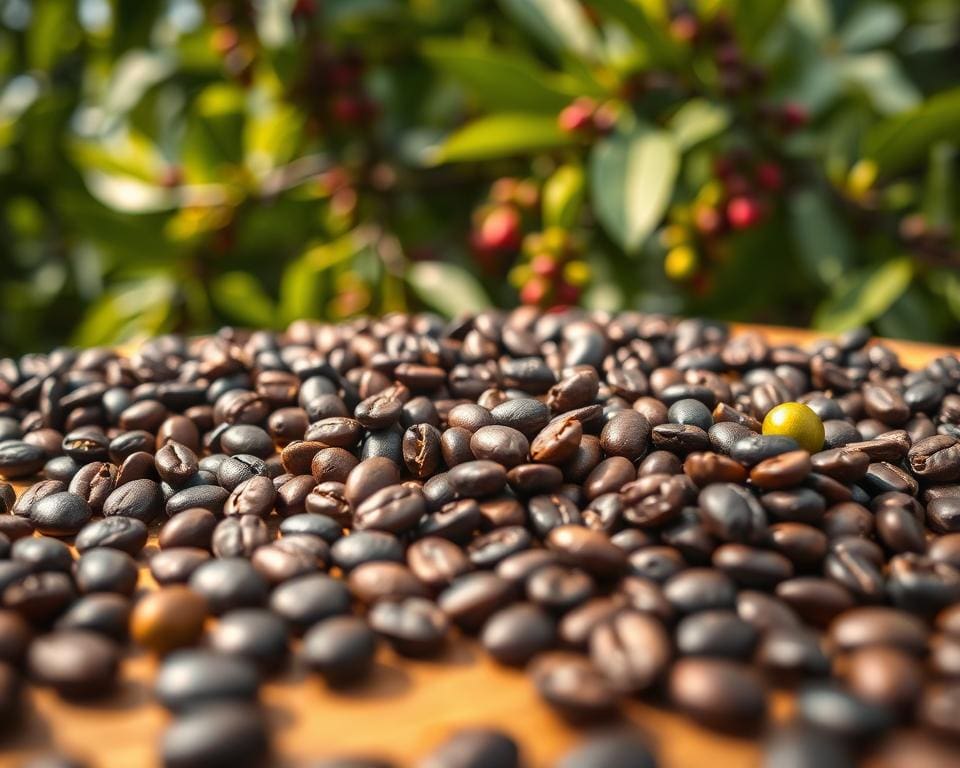
The increasing popularity of specialty coffee can be attributed to its unique characteristics and the passion that surrounds coffee culture. As consumers become more discerning, they seek beans that not only promise exceptional flavour but also tell a story of meticulous production processes.
Specialty coffee is defined by its quality and identity, often cultivated and processed with unparalleled care. This growing interest doesn’t just enhance the drinking experience; it deepens the connection between consumers and the source of their coffee beans, enriching the diverse tapestry of global coffee culture.
The Rise of Specialty Coffee Culture in the UK
The appreciation for coffee in the UK has undergone a significant transformation, reflecting broader cultural shifts and trends. Following the establishment of coffee houses in the 17th century, these venues became vibrant centres for discussion, creativity, and connection. This historical backdrop laid the foundation for what would emerge as a rich specialty coffee culture, evolving to meet the growing demand for high-quality brews.
The History of Coffee Appreciation
Coffee has captivated the UK since its early days. The specialty coffee movement, which began gaining traction in the early 21st century, marked a pivotal moment. Coffee enthusiasts began to prioritise quality over quantity, leading to an increased focus on sourcing, roasting, and brewing techniques. Through this lens, coffee appreciation transformed from simply enjoying a cup to understanding the intricate flavours and complexities behind each brew.
Major Influencers in the Coffee Scene
A variety of coffee influencers have significantly shaped the landscape of specialty coffee. Brands like Square Mile Coffee Roasters and Monmouth Coffee Company have not only pioneered exceptional roasting methods but have also played an educational role in the community. Their passion for coffee quality inspires consumers to delve deeper into the nuances of flavour, fostering a culture of respect and enthusiasm for artisan coffee. Events like the UK Barista Championships celebrate this craft, showcasing the skill and artistry involved in creating the perfect cup.
What makes specialty coffee beans so popular?
Specialty coffee beans have carved out a niche for themselves, primarily due to their unique flavour profiles and unwavering quality standards. These beans offer a spectrum of taste experiences, appealing to both newbies and connoisseurs alike. Their distinctiveness often stems from the meticulous criteria set by industry bodies, which ensure that the beans meet high benchmarks for quality, complexity, and character.
Unique Flavour Profiles and Quality Standards
The cultivation and processing methods of specialty coffee contribute significantly to their flavour profiles. Each bean variety boasts distinctive notes that can range from fruity and floral to rich and chocolatey. Rigorous quality standards established by organisations like the Specialty Coffee Association dictate how these beans are graded, ensuring that only the best make it to consumers. This commitment leads to a consistent quality that elevates the coffee experience, engaging consumers in a world of flavour.
The Role of Origin and Terroir in Flavour
Understanding coffee origin plays a crucial role in appreciating specialty coffees. The concept of terroir encompasses how the climate, soil, and local environment influence the flavours of the beans. Regions such as Ethiopia and Colombia, renowned for their coffee production, highlight the significance of terroir. The unique characteristics of these landscapes impart special qualities to the beans, making their flavour profiles distinctive and highly coveted by enthusiasts.
The Impact of Sustainability on Coffee Choices
As the dialogue surrounding sustainability continues to evolve, coffee drinkers are becoming more conscious of their purchasing decisions. A growing interest in sustainability in coffee has encouraged consumers to seek out options that align with their values, particularly in terms of ethical sourcing. By choosing coffees that reflect these principles, individuals contribute not only to their enjoyment but also to the broader impact on local communities and economies.
Ethical Sourcing and Its Appeal
Ethical sourcing provides an attractive option for those wishing to make meaningful choices. This commitment ensures that every cup of coffee supports sustainability initiatives and helps offset the environmental impact typical within the industry. Brands that prioritise ethical sourcing foster trust, leading consumers to appreciate the transparency in their supply chains while being assured that their coffee is cultivated under fair practices.
Support for Local Farmers and Communities
When consumers choose responsibly sourced coffee, they actively support local farmers and community growth. Such engagement strengthens local economies and fosters community support, allowing farmers to thrive and invest in sustainable practices. The bond formed between consumers and producers ultimately enhances the coffee experience, as drinkers savour the unique flavours that tell the story of their origins.
The Experience of Drinking Specialty Coffee
The journey of enjoying specialty coffee transcends mere consumption. Each cup invites exploration through various coffee brewing methods, enhancing the overall specialty coffee experience. Enthusiasts can discover delightful nuances as they engage with different techniques, each contributing distinct flavours and textures. From pour-over to cold brew, every method offers a unique expression of the beans used, encouraging experimentation and personal preference.
Varieties of Brewing Methods
In the realm of specialty coffee, numerous brewing methods allow for individual expression. Here are some popular choices:
- Pour-Over: A meticulous method that highlights delicate flavours.
- Espresso: A concentrated brew, perfect for rich, bold tastes.
- Cold Brew: A smooth, refreshing option that boasts low acidity.
- Aeropress: A versatile device that offers control over brewing variables.
These diverse coffee brewing methods not only cater to various palates but also foster creativity in crafting the perfect cup.
Connecting through Coffee Tasting Events
Coffee tasting events serve as a vibrant platform for enthusiasts to gather and share their passion. Attendees engage in:
- Sampling a variety of brews: Cultivating an understanding of flavour profiles.
- Learning from experts: Gaining insights on sourcing and brewing techniques.
- Networking with fellow coffee lovers: Building a community rooted in shared interests.
These events not only elevate the specialty coffee experience but also empower participants with knowledge, igniting a deeper appreciation for the art of coffee tasting.
Innovations and Trends in Specialty Coffee
The specialty coffee industry is undergoing a transformative phase, marked by significant coffee innovations that elevate both quality and accessibility. Advanced coffee processing technology, such as precision fermentation and cutting-edge roasting methods, are at the forefront of developing innovative flavour profiles that entice a new generation of coffee enthusiasts. This evolution in specialty coffee technology not only enhances the taste but also caters to the growing consumer demand for distinctive and high-quality brews.
In addition to improvements in processing, the rise of coffee subscription services reflects a notable shift in consumption patterns. These platforms offer convenience while allowing consumers to explore diverse flavours from around the world right from their homes. The trend towards mobile brewing devices further complements this movement, making high-quality coffee accessible anytime, anywhere.
Moreover, the commitment to sustainability is increasingly becoming a staple in the coffee scene. Trends such as the incorporation of plant-based milk alternatives and the use of eco-friendly packaging highlight the industry’s dedication to environmental stewardship. As consumers become more conscious of their choices, these developments signify a collective effort to enhance the specialty coffee experience while embracing a future that prioritises both quality and the planet.