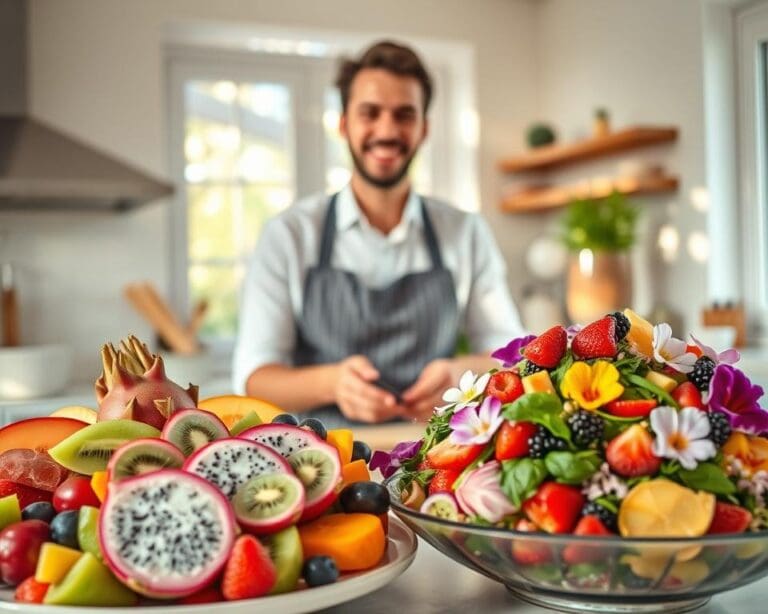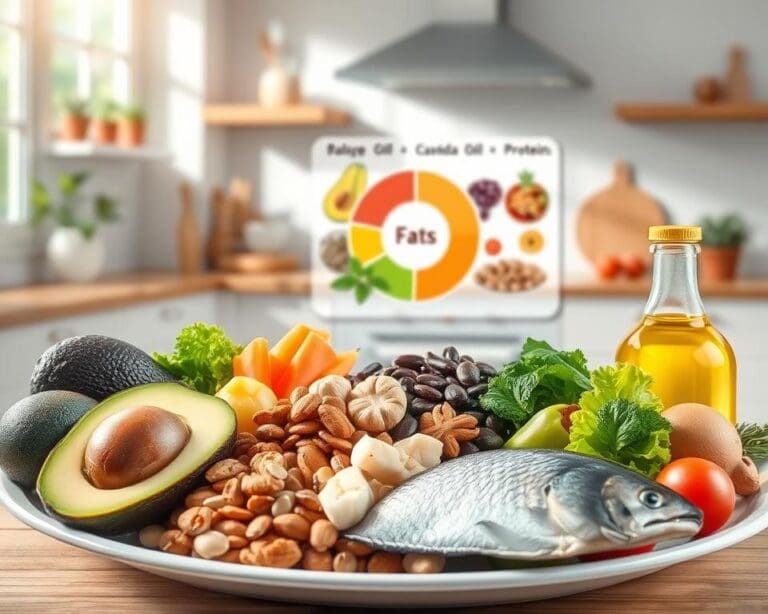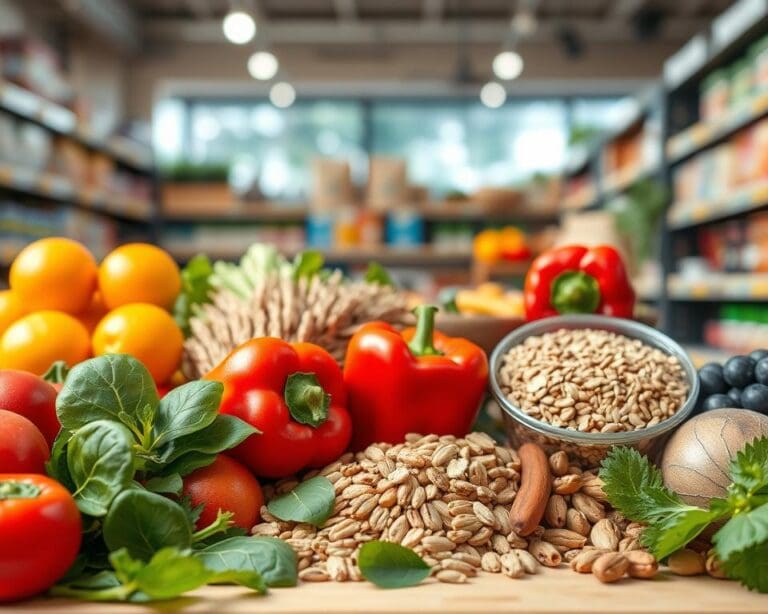
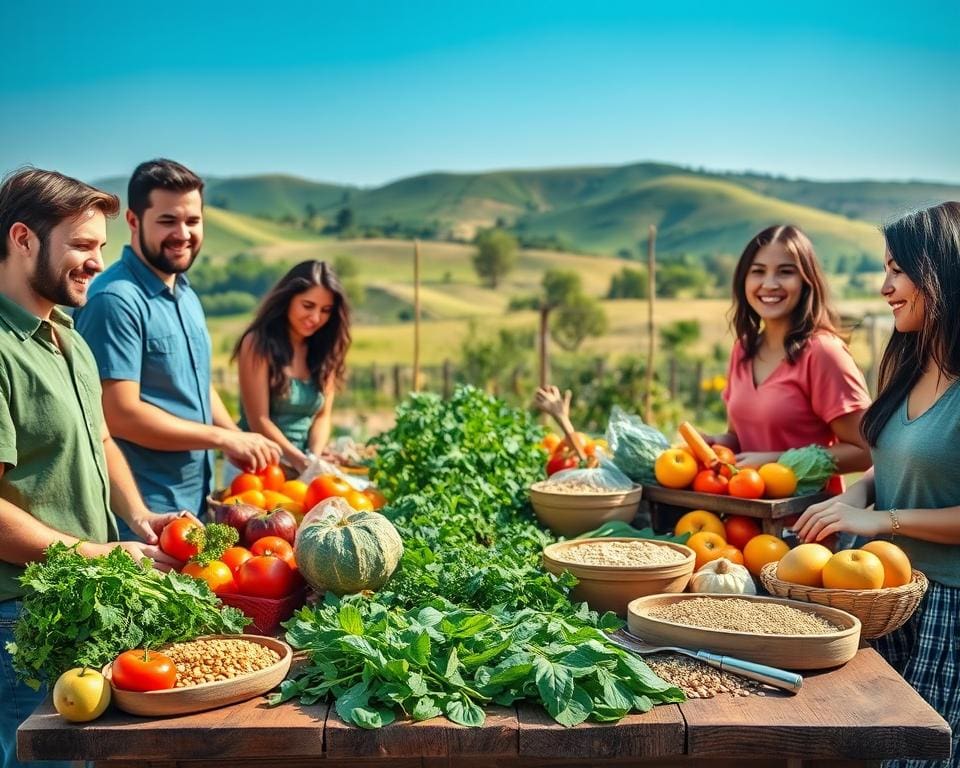
Sustainable food choices mean choosing meals that balance good nutrition, protect the environment and support fair social practices. This approach covers reduced processed foods, higher fibre and more plant-based options that align with NHS guidance on healthy eating while lowering dietary risks.
The case for sustainable eating benefits rests on three pillars. Nutrition and health improve when people eat more whole grains, vegetables and legumes. Environmental stewardship follows when diets reduce greenhouse gas emissions and water use, as documented by the Committee on Climate Change.
Social responsibility is the third pillar. Fair wages, shorter local supply chains and better animal welfare tie directly to the sustainable diet advantages consumers can support at UK supermarkets, farmers’ markets and online grocers. Organisations such as the Marine Stewardship Council help shoppers identify responsible fish choices.
This article will act as an inspirational product-review style guide for eco-conscious eating UK shoppers. It will compare products, decode labels and offer practical tips so readers can make gradual changes that benefit health, wallets and the planet.
What makes sustainable food choices better?
Choosing food with care brings benefits for health, the environment and communities across the UK. Small shifts in shopping and cooking can add up to lower household impacts and stronger local ties. The points below show how better choices support wellbeing, reduce the food carbon footprint UK and protect biodiversity and food systems while boosting the local food economy UK.
Health advantages of sustainable diets
Dietary patterns rich in whole grains, legumes, vegetables and seasonal fruit match NHS and Public Health England guidance. Such meals tend to lower risks of heart disease, type 2 diabetes and some cancers.
Plant-based proteins like lentils, chickpeas and tofu provide fibre, vitamins and minerals with less saturated fat than many meats. Fortified plant milks offer calcium and vitamin D for those reducing dairy intake in the UK context.
Some sustainably produced foods, for example certain oily fish, supply valuable omega‑3s. Balance matters. Eating a variety of foods helps combine nutritional benefit with sustainability goals.
Environmental benefits: carbon, water and biodiversity
Food and drink make up a sizeable share of household emissions. Meats such as beef and lamb and many dairy products often create higher greenhouse gas emissions per kilogram than most plant-based alternatives, according to Committee on Climate Change reports and peer-reviewed research.
Water use varies between crops. Almonds and some fruits can be water-intensive. Pulses and oats usually need less water. Where food is grown and local climate determine water impact as much as the crop itself.
Intensive monoculture and clearance of habitat harm wildlife. Regenerative and agroecological practices help pollinators, build soil health and strengthen resilience. Protecting biodiversity and food systems supports long-term productivity and nature.
Social and economic impacts for local communities
Buying local and seasonal produce keeps money in the community and often means fresher food. Supporting British farmers through markets and box schemes can cut transport distances and reduce the food carbon footprint UK.
Fairtrade and ethical sourcing for imports such as coffee, cocoa and bananas help secure fair wages and safer working conditions for producers overseas. Fairtrade labelling gives UK shoppers a clear standard to look for.
Community initiatives like farmers’ markets, Riverford and Abel & Cole box schemes, and community-supported agriculture strengthen producer–consumer links. These models boost the local food economy UK and improve food security at neighbourhood level.
Comparing sustainable food products: what to look for
Choosing sustainable groceries means weighing labels, seasonality and the product footprint. Start by knowing what to trust, spot seasonal produce and think beyond the shop shelf to transport and packaging. Small choices add up for climate, wildlife and rural livelihoods.
Understanding labels and certifications in the UK
Look for established marks such as Soil Association organic, Red Tractor farm assurance, RSPCA Assured for animal welfare, MSC and ASC for fish, Fairtrade for commodities and Rainforest Alliance on specific crops. These food certifications UK provide third-party verification and clearer evidence than vague claims like “natural” or “eco”.
Remember that organic reduces synthetic pesticides, but it does not automatically mean a low carbon product. Private or retailer-only logos can vary in stringency. Watch government pilots such as the Sustainable Farming Incentive and retailer initiatives that aim to improve clarity in UK labelling.
Seasonality and provenance as quality indicators
Use a UK seasonal calendar to time purchases. Asparagus and British strawberries peak in late spring and early summer. Root vegetables tend to be best in autumn and winter. Buying seasonally often avoids heated greenhouses and long-haul imports.
Provenance matters. Labels that state British or a specific region point to shorter supply chains and fresher items. Strong provenance can be a proxy for lower transport emissions and better oversight of producers, so weigh seasonality provenance when selecting fresh fruit and vegetables.
Packaging, transport and overall product footprint
Assess the food packaging footprint alongside shelf life. Minimal packaging lowers waste but may raise household food waste if produce spoils sooner. Recyclable or certified compostable packs can be preferable when they support reuse and proper disposal.
Check how goods travel. Air-freighted berries or asparagus have much higher emissions than sea-freighted imports or UK-grown equivalents. Apply lifecycle thinking: production method, processing, refrigeration or freezing, distribution and end-of-life disposal all shape a product’s footprint.
When comparing items, balance verified sustainable food labels UK and recognised food certifications UK with seasonality provenance and a clear view of the food packaging footprint. That approach helps you buy with confidence and act for people and planet.
Practical tips for switching to sustainable food habits
Small changes at home make a big difference. Use sustainable meal planning to cut waste, save money and eat well. The steps below are simple to follow and fit into a busy UK week.
Meal planning and reducing food waste at home
- Plan a week of meals around seasonal produce and supermarket offers. Check labels on offers and match recipes to what’s in season.
- Create an accurate shopping list and stick to it. This helps reduce impulse buys and makes it easier to reduce food waste UK.
- Batch cook and freeze portions. Label each pack with date and contents using FIFO so older items are used first.
- Turn leftovers into soups, stews or frittatas. Compost unavoidable scraps and follow WRAP guidance for local tips on cutting household waste.
- Use apps that track expiry dates and suggest recipes from what you have. Store salad leaves chilled and keep root vegetables in a cool, dark place.
Budget-friendly strategies for buying sustainably
- Decide which sustainable attributes matter most to you. Pay more for organic where pesticide risk is high and choose Fairtrade for imported goods you value.
- Swap in pulses, oats and whole grains for some meat to reduce cost and boost nutrition. Frozen fruit and veg offer value and reduce waste.
- Shop late at farmers’ markets for bargains or join a veg box scheme for seasonal value. Buy staples like rice, beans and flour in bulk using reusable containers.
- Adopt budget sustainable shopping habits to stretch household funds and support greener food systems without overspending.
How to read ingredient lists and choose better alternatives
- Scan labels for long ingredient lists and items you cannot recognise. Short lists with familiar words usually mean less processing.
- Avoid hydrogenated or partially hydrogenated oils, maltodextrin, high fructose syrup and many added E-numbers. These flags point to ultra-processed foods.
- Look at sugar, salt and saturated fat levels per portion. Choose plain yoghurt and add fresh or frozen fruit rather than flavoured varieties high in added sugar.
- Make simple swaps: replace ready meals with homemade versions using tinned beans, lentils and pulses. Learning how to read ingredient lists helps you pick whole-food alternatives.
Follow these practical pointers to make sustainable choices manageable. With clear lists, better storage and informed shopping you can reduce food waste UK, enjoy budget sustainable shopping and build lasting, sustainable meal planning habits.
Real-world product reviews: sustainable staples worth buying
This roundup looks at everyday pantry choices that make a real difference. Short reviews focus on taste, nutrition, availability and ethical claims so you can shop with confidence. Read on for practical notes on plant proteins, organic dairy and sustainably caught fish, plus ways to find standout independent labels.
Plant-based proteins can match texture and flavour while cutting emissions and animal use. Brands such as Quorn, Beyond Meat and Linda McCartney perform well across UK supermarkets on taste and cooking ease. Own-brand ranges at Tesco and Sainsbury’s often offer budget-friendly options with comparable protein per portion.
When comparing products check protein content, fibre and salt levels. Fortified options with B12, iron or calcium are useful for those reducing animal products. Look for simple ingredient lists and try frozen formats from Ocado or Waitrose for long shelf life and consistent results.
Organic dairy in the UK is usually certified by the Soil Association or retailer schemes. Organic milk, yoghurt and cheese advertise pasture access and lower pesticide residues. Expect higher price points, but many shoppers find the animal welfare claims worth the premium.
For dairy buyers, check labelling for organic credentials and compare fat and protein levels rather than assuming nutritional differences. Supermarket chilled counters and farm shops supply a range of options for those seeking certified organic dairy UK products.
Ethically produced fish choices matter for ocean health and flavour. MSC-certified white fish and ASC-certified farmed salmon offer traceability. Line-caught fish from Cornwall and Scotland provides a low-bycatch alternative for coastal consumers.
Consult the Marine Conservation Society’s Good Fish Guide when choosing species and season. Frozen aisles, chilled counters and local fishmongers often carry responsibly sourced lines; don’t hesitate to ask for catch details when buying ethically sourced fish UK.
Independent British brands are leading on transparency and small-batch quality. Riverford’s veg boxes show how local supply chains reduce mileage. Duchy Originals and craft dairies illustrate how partnerships and regenerative practices can scale while keeping provenance clear.
Find sustainable British brands at farmers’ markets, Ethical Consumer listings and specialised shops. Social media can reveal supply-chain stories and production methods. Supporting these producers keeps money in local economies and helps sustain low-impact food systems.
- Compare nutrition labels for protein, fibre and additives.
- Ask suppliers about certification and catch details.
- Use local markets to discover sustainable British brands.
Long-term benefits of embracing sustainable food choices
Choosing lower‑impact foods brings clear long-term benefits sustainable food can deliver. A varied, less‑processed diet cuts risks of heart disease, type 2 diabetes and some cancers. Over time this reduces pressure on the NHS and helps communities stay healthier with fewer chronic illnesses.
Environmental gains accumulate when consumers favour low‑emission options. Widespread shifts toward seasonal, plant‑forward meals and regenerative farming mean reduced greenhouse gases, conserved freshwater and richer biodiversity. These outcomes are central to the future of sustainable food and to protecting habitats across the UK.
There are strong social returns too. Sustained demand for ethically sourced produce supports fairer supply chains, better animal welfare and more resilient local economies. When shoppers back British farmers and certified fishers, retailers respond with clearer sourcing policies and investment in sustainable practices, boosting food system resilience.
Start small and measurable: try one meat‑free day a week, buy seasonal vegetables, or pick certified labels. Track progress with a shopping diary or carbon‑footprint app and share tips with neighbours. These tiny acts add up—sustainable eating benefits UK communities now and help shape a healthier, fairer and greener future of sustainable food.