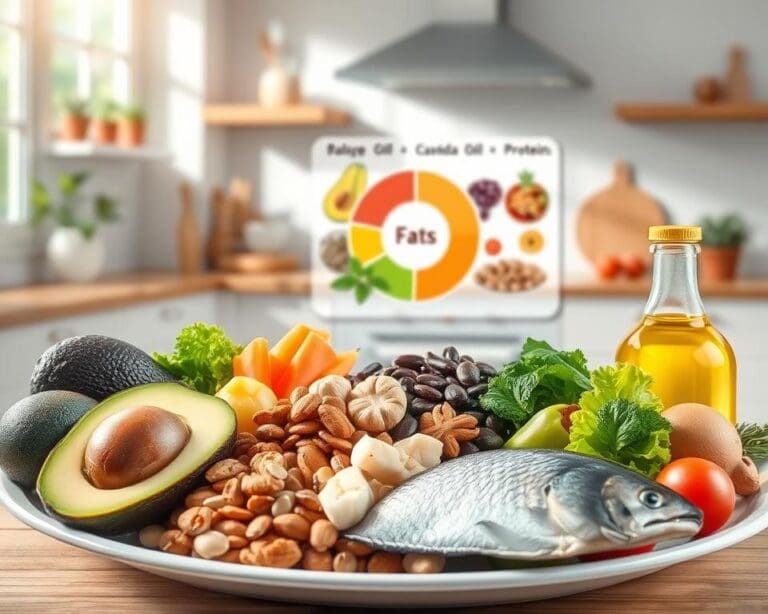
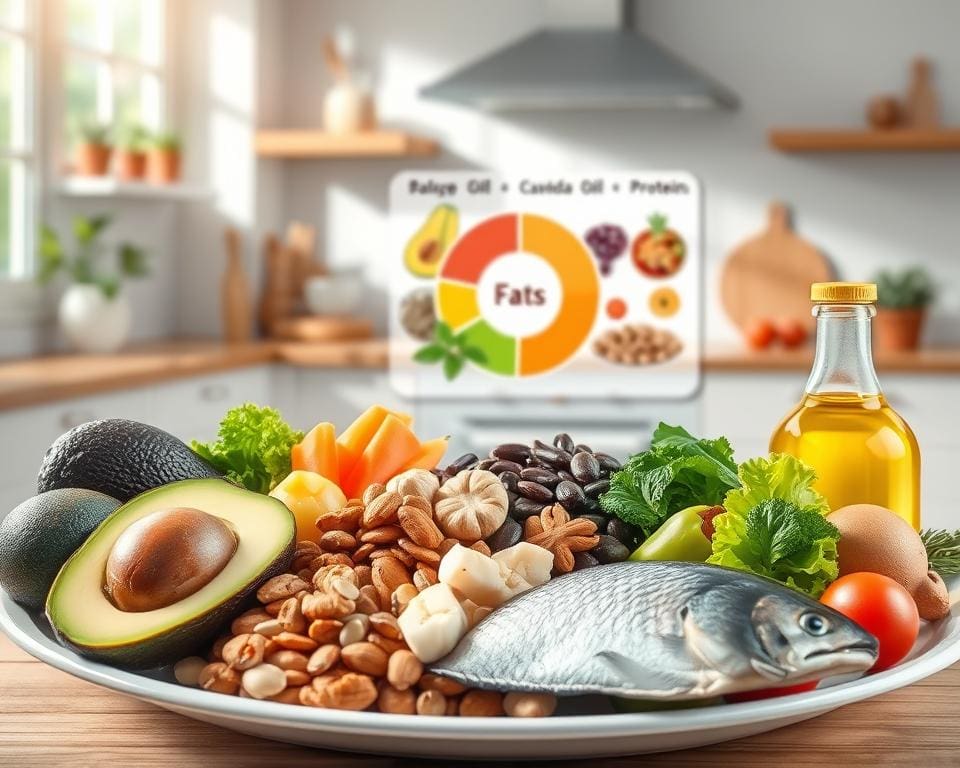
Fats are one of the three macronutrients alongside protein and carbohydrate. At a chemical level they are made of fatty acids attached to glycerol, and they deliver about 9 kcal per gram. Understanding what role do fats play in nutrition helps you see that fats are not just “empty” calories but vital fuel for the body.
Physiologically, dietary fats have several clear roles. They act as a dense energy store, form structural components of cell membranes such as phospholipids and cholesterol, help insulate the body and regulate temperature, and cushion internal organs against impact.
In the UK, public health advice has shifted from blanket fat avoidance to smarter choices. Organisations including NHS England and Public Health England now stress the role of fats in diet should focus on quality — replacing saturated fats with unsaturated alternatives to reduce cardiovascular risk.
This article will unpack the dietary fats importance in everyday life. Next, we’ll cover types of fats, shopping and cooking tips, links to heart health and weight management, the role of fats for brain function, and a product review of top healthy fat sources and supplements available across the UK market.
What role do fats play in nutrition?
Fats shape how our bodies build, protect and power every cell. Understanding the functions of dietary fats helps us choose foods that support growth, immunity and long-term health. Below are the key ways fats matter for daily nutrition.
Essential functions of fats in the body
Phospholipids and cholesterol form the backbone of cell membranes, keeping them flexible and enabling cell signalling. This structural role preserves tissue integrity from neurons to skin cells.
Essential fatty acids such as alpha-linolenic acid (ALA, omega-3) and linoleic acid (LA, omega-6) cannot be made by the body and must come from food. These essential fatty acids are precursors for bioactive compounds that shape health.
Eicosanoids derived from these fats regulate inflammation, clotting and immune responses. That modulation influences recovery after injury and the body’s reaction to infection.
Cholesterol serves as a substrate for steroid hormones, including cortisol, oestrogens and testosterone. These hormones control stress responses, reproduction and metabolism.
How fats support energy balance and metabolism
Dietary fat yields about 9 kcal per gram, more than twice the energy of protein or carbohydrate. This high energy density makes fat the body’s preferred long-term fuel reserve.
Adipose tissue stores triglycerides for use during fasting or low-intensity exercise. When needed, fatty acids enter mitochondria and undergo beta-oxidation to generate ATP.
In prolonged fasting or when carbohydrate is scarce, the liver produces ketone bodies to supply brain and muscle. Those shifts illustrate how fats and metabolism adapt to fuel demands.
Fats slow gastric emptying and help moderate post-meal blood glucose. This effect supports appetite control and better nutrient partitioning when fats are combined with carbohydrates.
Fats as carriers for fat-soluble vitamins
Vitamins A, D, E and K require dietary fat for digestion and absorption. Fat helps form micelles in the small intestine so these fat-soluble vitamins can be taken up efficiently.
Eating a small amount of dietary fat with vegetables or dairy improves absorption of provitamin A carotenoids and vitamin D. This point matters in the UK, where low vitamin D status is common in winter months.
Very low-fat diets or conditions that impair fat absorption, such as coeliac disease or pancreatic insufficiency, raise the risk of deficiencies in fat-soluble vitamins and essential fatty acids.
Types of dietary fats and their health impacts
Fats are not all the same. Some help your heart and brain, while others raise risk. This short guide clarifies sources, effects and practical steps so you can choose wisely from a healthy fats list when you shop and cook.
Saturated fats are single‑bond fats found in fatty cuts of meat, butter, lard, full‑fat dairy, coconut oil and many processed foods. UK advice from the NHS and Public Health England recommends limiting saturated fats to no more than around 10% of total energy to help lower LDL cholesterol and reduce cardiovascular risk. Some foods that contain saturated fat, such as certain dairy items, carry other nutrients that complicate their health profile. Aim for moderation and focus on overall dietary pattern rather than single foods.
Monounsaturated and polyunsaturated fats offer clear health advantages. Monounsaturated fatty acids like oleic acid appear in olive oil, rapeseed oil and avocados. Polyunsaturated fatty acids include omega‑6 linoleic acid and omega‑3 fats such as ALA, EPA and DHA found in flaxseed, chia and oily fish. Replacing saturated fats with these oils improves blood lipid profiles, tends to reduce LDL cholesterol and supports endothelial function and inflammation control. Clinical trials and observational studies support cardiovascular and metabolic benefits from these fats.
Practical sources in a UK diet include olive and rapeseed oil, salmon, mackerel and sardines, walnuts and almonds, plus seeds such as flaxseed. Fortified foods can help fill gaps. Embrace variety when building a shopping basket that reflects unsaturated fats benefits.
Trans fats come in two forms. Industrial trans fats are created by partial hydrogenation and are present in some processed snacks, fast food and bakery products. These raise LDL, lower HDL and increase cardiovascular risk. Natural trans fats occur in small amounts in dairy and meat and seem to act differently, but sensible intake remains sensible.
The UK and EU have taken steps that sharply reduced industrial trans fats in the food supply, yet vigilance helps protect health. To avoid trans fats, check ingredient lists for “partially hydrogenated” oils, limit ultra‑processed snacks and choose whole‑food fat sources such as nuts, seeds, oily fish and vegetable oils.
Use this summary to build a healthy fats list that emphasises unsaturated fats benefits, follows saturated fats UK guidance and minimises trans fats risks while keeping meals enjoyable and nutrient rich.
How to choose healthier fats when shopping
Choosing healthier fats can feel simple when you know what to look for. Start with a clear plan for meals, keep portion sizes in mind and use labels to guide smarter buys. Small swaps make daily habits healthier without losing flavour.
Reading nutrition labels UK helps you compare products quickly. Check the nutrition information panel for total fat and saturated fat per 100g and per portion. Look for trans fat where listed and for monounsaturated or polyunsaturated values when provided. Use front-of-pack traffic-light colours as a guide; amber or red for saturated fat means limit intake. Read the ingredient list for words like hydrogenated or partially hydrogenated oils, which signal industrial trans fats.
When comparing similar items, always use the per-100g column. Watch out for “low-fat” claims that can hide added sugar or thickeners. Keep portion sizes in mind so a seemingly low-fat snack does not become a high-fat portion in practice.
Best cooking oils depend on use. Rapeseed oil is an affordable, widely available choice in the UK with high monounsaturated fat and some omega-3 ALA; it performs well for most cooking. Extra-virgin olive oil suits low-to-medium heat cooking and finishing salads. For higher-heat methods, choose high-oleic sunflower or safflower oils where possible. Coconut oil is best used sparingly because of its high saturated fat content.
Store oils in cool, dark places to prevent rancidity. Limit frequent use of butter, ghee and lard for everyday frying; pick them for occasional flavouring instead. Public Health England recommends rapeseed oil as a healthier, budget-friendly option for many families.
Fat swaps for health can transform meals without much effort. Try mashed avocado or olive oil in place of mayonnaise, and spread hummus instead of butter on toast. Choose grilled or baked fish rather than fried. For meat, pick lean cuts and remove visible fat from pork or lamb before cooking.
Swap snacks to boost quality: replace crisps with a handful of unsalted mixed nuts or a seed mix. Pick oat-based snacks rather than pastries when you want something sweet. Dress salads with rapeseed or olive oil vinaigrette to help absorb fat‑soluble vitamins.
- Add ground flaxseed to porridge for an omega-3 boost.
- Use rapeseed oil for everyday cooking and extra-virgin olive oil for finishing and dressings.
- Choose mixed nuts and seeds as snacks to improve fat profile in your diet.
Adopting these practical tips when shopping and cooking helps you choose healthy fats with confidence. Small, consistent changes create lasting benefits for taste and wellbeing.
Fats and heart health: evidence and guidelines
Understanding how dietary fats affect heart health helps you make practical choices. Research shows that the type of fat matters more than total fat alone. This section summarises evidence, suggests heart-friendly patterns and gives clear portion guidance for everyday meals.
Impact of different fats on cholesterol and cardiovascular risk
Large reviews link saturated fat and cholesterol with higher LDL cholesterol and raised cardiovascular disease risk. Trans fats have a similar or worse effect and should be avoided where possible. Replacing saturated and trans fats with unsaturated fats, such as monounsaturated and polyunsaturated fats, is associated with lower LDL and fewer cardiovascular events in meta-analyses.
Public health bodies including the British Heart Foundation and NHS advise replacement strategies rather than cutting out all fats. Long-chain omega-3s, EPA and DHA, show clear benefits for lowering triglycerides and may offer secondary prevention in some clinical guideline contexts.
Dietary patterns that support heart health
Mediterranean-style and plant-forward eating patterns feature olive oil, nuts, legumes, whole grains, oily fish, fruits and vegetables. These diets have extensive evidence for reducing cardiovascular risk and promoting wellbeing.
The DASH approach focuses on lowering saturated fat, boosting fruit and veg, and cutting salt to help control blood pressure. Both patterns stress whole foods over ultra-processed choices and favour a whole-diet approach rather than single nutrient targets.
Recommended daily intakes and portion guidance
- Aim to limit saturated fat to around or below 10% of total energy in line with UK guidance to support healthy cholesterol levels. This target helps manage saturated fat and cholesterol concerns.
- Include oily fish twice a week, with portions of about 100–140g cooked, to supply EPA and DHA for cardiovascular support.
- Use everyday portions such as one tablespoon (15ml) of olive or rapeseed oil and a handful (30g) of nuts to add MUFAs and PUFAs to meals while controlling calories.
For personalised advice about recommended fat intake, especially if you have high cholesterol or existing cardiovascular disease, consult NHS services, your GP or a registered dietitian. Tailored care ensures your plan fits your health goals and lifestyle.
Nutritional role of fats in weight management
Fats play a practical role in appetite and satisfaction. They trigger hormones such as cholecystokinin and slow gastric emptying. This physiological response can reduce short-term hunger and help people feel fuller after meals.
Responses vary between individuals. Some studies show that moderate fat in a meal lowers overall intake, while other research finds no change. Mindful portion control remains essential when testing what works for you.
How dietary fat affects satiety and appetite control
Including healthy fats in meals can lift meal satisfaction. Pairing fats with protein and fibre enhances that effect and helps steady blood glucose. This mix often reduces cravings and snacking between meals.
Keep in mind that dietary context matters. Fats from whole foods such as oily fish, nuts and seeds tend to support satiety better than fats from highly processed, calorie-dense foods.
Balancing caloric density with nutrient quality
Fat supplies about 9 kcal per gram, making it energy dense. Balancing calorie goals with nutrient quality means prioritising nutrient-rich sources over empty, calorie-packed options.
- Choose nuts, seeds and rapeseed or olive oil rather than crisps and biscuits.
- Portion examples: one tablespoon of oil ≈ 120 kcal; 30g nuts ≈ 170–200 kcal.
Combining modest amounts of fat with vegetables and lean protein helps keep meals satisfying without excess calories.
Incorporating healthy fats into a weight-loss or maintenance plan
Practical strategies make healthy fat portions manageable. Measure oil instead of pouring; use spray oils for cooking; choose avocado or nut butter in controlled portions. Aim to include oily fish, such as salmon or mackerel, twice weekly for EPA and DHA.
- Build meals around vegetables and lean proteins, adding a small portion of healthy fat for flavour.
- Replace high-calorie processed snacks with a 30g serving of mixed nuts to control intake.
- Use fat to enhance taste so smaller servings feel more satisfying.
If you want personalised calorie or macronutrient targets, consult a registered dietitian through the NHS or private practice. They can advise on healthy fat portions UK guidelines and tailor a plan that blends fats and weight loss goals without sacrificing satisfaction.
Fats for brain function and mood regulation
Fats shape the brain’s architecture and colour our moods. Long-chain omega-3s such as DHA and EPA sit inside neuronal membranes, support synaptic signalling and help modulate neuroinflammation. This structural role makes omega-3 brain health a key topic for anyone interested in ageing well or supporting early development.
Omega-3 fatty acids and cognitive health
DHA is richly concentrated in brain tissue and helps keep membranes flexible so neurotransmitters move efficiently. EPA supports inflammatory balance that can affect cognition and recovery after injury. Studies link adequate omega-3 intake to improved cognitive development in infancy and to preserved cognitive performance in later life, though evidence for preventing dementia remains mixed and under review.
Pregnant and breastfeeding women should prioritise oily fish or supplements when diet falls short. The NHS recommends up to two portions of oily fish per week while avoiding high-mercury species. Supplements such as fish oil or algal DHA can fill gaps safely when used as directed.
Dietary sources of brain-supporting fats
- Oily fish available in the UK: salmon, mackerel, sardines, trout and herring.
- Plant sources rich in ALA: flaxseed, chia and walnuts, which convert partially to EPA and DHA.
- Fortified foods and supplements: some eggs, milk alternatives, fish oil and algae-based DHA for vegetarians and vegans.
Choose sustainably sourced fish carrying Marine Stewardship Council certification where possible. Whole-food options deliver companion nutrients such as vitamin D, B12 and selenium, which support overall brain function.
Evidence linking fats to mood and mental wellbeing
Observational studies associate low omega-3 status with higher rates of depression and mood disorders. Randomised trials show mixed results; stronger benefits appear in some studies using EPA-rich formulas for depressive symptoms. Biological mechanisms include reduced inflammation, improved membrane fluidity affecting neurotransmission, and effects on HPA-axis regulation.
Omega-3s are not a standalone treatment for mood disorders. They may serve as a useful adjunct to clinical care and dietary improvement. Anyone experiencing mood problems should seek advice from a GP or mental-health professional rather than self-treating with supplements.
Product review: top healthy fat sources and supplements in the UK market
This healthy fat products review highlights whole foods and supplements available across Tesco, Sainsbury’s, Waitrose, Boots and Holland & Barrett. For oily fish, look for MSC-certified mackerel, sardines and responsibly sourced salmon; a 100–140g portion typically supplies 500–1,000mg EPA+DHA. For nuts and seeds, shelled walnuts, mixed unsalted nuts and bags of flaxseed or chia are widely stocked — aim for a 30g portion and store seeds in the fridge to preserve oils.
When choosing cooking oils, British rapeseed oil performs well for everyday frying and dressings due to its favourable fatty-acid profile and high smoke point. Extra-virgin olive oil, preferably cold-pressed and PDO/PGI where available, suits low‑heat cooking and salads. High-oleic sunflower oil is useful for higher-heat cooking. These options often appear in lists of the best cooking oils UK for taste and stability.
For those considering supplements, compare EPA/DHA content and certifications. Fish oil capsules sold in major UK retailers commonly offer 300–1,000mg combined EPA+DHA per daily dose; look for third-party testing such as IFOS or USP and sustainability labels like MSC or Friend of the Sea. Algal omega-3 supplements UK provide a vegan source of DHA (and sometimes EPA) and are a practical alternative for vegetarians and vegans. Flaxseed and mixed-seed supplements supply ALA but have limited conversion to EPA/DHA, so use them to complement rather than replace marine sources.
Safety and value matter: check labels for dosage, purity and possible contaminants, and compare price per mg EPA+DHA to judge cost-effectiveness. People on anticoagulants, or those who are pregnant or breastfeeding, should consult NHS guidance or a GP before taking high-dose oils. Finally, treat healthy fats as everyday ingredients — choose sustainable brands, try Mediterranean-style meals and use the best healthy fats UK and omega-3 supplements UK where diet alone falls short to support long-term wellbeing.