Begin with a clear purpose. Decide if your patio will serve dining, lounging, cooking, or quiet retreat needs. That vision steers patio design considerations like layout, furniture scale, and where an outdoor kitchen or fire pit should sit.
Think about how the patio will connect to the house and garden. A patio off the kitchen supports easy entertaining, while one beside a living room can extend indoor style outdoors. Matching materials and proportions to your home’s architecture improves curb appeal and value.
Set a realistic budget and timeline early. Include costs for materials, labor, grading, permits, lighting, and furniture. Consider phased backyard patio planning if you want to build a basic slab now and add features later.
Check local codes and HOA rules before you start. Permits may be required for large hardscapes, electrical or gas hookups, and impermeable surface limits. Early research avoids costly delays and redesigns.
Prioritize safety and accessibility. Aim for smooth transitions, 36-inch clear paths where possible, slip-resistant surfaces, and proper lighting. Plan non-combustible clearances around grills and guardrails for raised patios to protect family and guests.
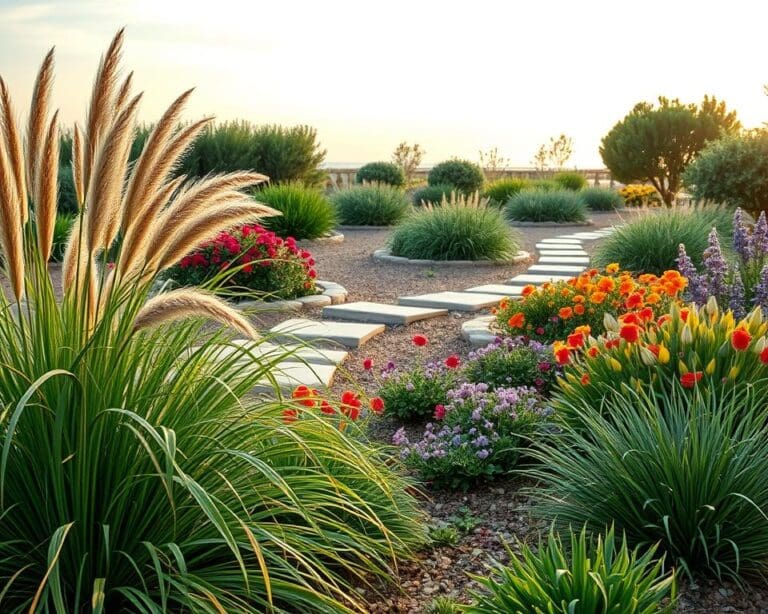
Make sustainable choices. Permeable paving, native plants, rain gardens, and locally sourced materials cut runoff and embodied carbon. Thoughtful shade and efficient irrigation lower long-term energy and water use, aligning outdoor living design with environmental goals.
Finally, design for flexibility and longevity. Choose colors, textures, and furnishings that age well and allow for changing needs. Gather patio ideas from Trex and Belgard galleries, then consult a landscape architect or licensed contractor for complex grading or structural issues.
What should you consider when designing a patio?
Start by taking an honest inventory of the yard. Measure the outdoor area carefully when measuring patio space and note trees, utility lines, existing hardscape, and view corridors. A simple scaled sketch or a phone app speeds up patio layout planning and makes outdoor zoning clearer.
Assessing your available space and layout
Plan with a furniture-first approach. Pick seating and dining pieces, then test full-size mockups with tape or cardboard to confirm patio dimensions and circulation. Use the patio size guide rules of thumb: a bistro area can be 6–8 feet across, a six-person dining space often needs about 12 x 12 feet, and a lounge with sofa and chairs usually fits in 12 x 16 feet or larger.
Define clear outdoor zoning for cooking, dining, and lounging. Keep primary walkways at 36–48 inches and allow 24–30 inches behind chairs. These simple checks preserve patio flow and make outdoor living space sizing feel natural and comfortable.
Understanding property lines, slopes, and drainage
Verify property line setbacks with a survey before adding permanent elements. Respect setback rules for built-in grills, pergolas, and walls to avoid disputes. Check local codes when planning structures near the boundary.
Address slope grading early. Aim for 1/8 to 1/4 inch of slope per foot away from the house for hard surfaces. For larger lots, design gentle terraces and retaining walls to maintain stable grades and prevent erosion.
Design drainage that protects your yard and neighbors. Combine solutions such as channel drains, French drains, permeable pavers, or rain gardens for effective stormwater management. Good patio drainage prevents water pooling and foundation problems.
Choosing the right size for function and flow
Match patio dimensions to how you plan to use the space. Measure furniture footprints and circulation zones before committing to materials. If the patio connects to a pool, garden, or garage, plan paths that link these features without creating tight bottlenecks.
Scale the patio to the home. A balanced proportion keeps the yard from feeling overwhelmed or underused. Use benches with storage or foldable tables to gain flexibility in smaller footprints.
Local climate and seasonal use considerations
Factor in patio climate planning for your region. In northern states, choose materials and installation methods rated for freeze-thaw cycles and plan sheltered storage for cushions and heaters. In the Southeast, select breathable materials, shaded zones, and durable fabrics like Sunbrella to withstand heat and humidity.
Design for seasonal patio design by adding options that extend use. Retractable awnings, pergolas, gas heaters, and screened pavilions can turn a warm-season patio into a multi-season living area. Map sun exposure considerations through the day so seating, dining, and plant placement take full advantage of light and shade.
For small-space furniture ideas and tips on durable pieces that fit limited areas, consult practical guides on compact outdoor setups available from trusted retailers and design resources like space-saving balcony furniture. These resources help refine choices that support long-term use and comfort.
Materials, durability, and maintenance for a lasting patio
Choosing the right surface shapes how your outdoor space looks, feels, and performs. A clear patio materials comparison helps weigh initial cost, upkeep, and lifespan. Think about function, local climate, and long-term patio upkeep before you pick a material.
Comparing common patio materials: pavers, concrete, stone, and wood
Concrete gives you versatility and a low initial price. Options include broom-finished, stamped, or stained slabs. Use control joints and quality concrete sealers from Quikrete or Sakrete to lower cracking risk and to support sealing patio routines.
Pavers from Unilock, Belgard, and Techo-Bloc offer easy repairs because you can lift individual units. Interlocking pavers support good drainage and pair well with permeable pavers to reduce runoff. Expect higher material and labor cost compared with poured concrete.
Natural stone such as flagstone or bluestone adds character and durability. Skilled installation and a stable subbase matter to avoid settling. Matching slabs can be costly, but longevity often offsets the premium.
Wood decks and composite decking change the conversation between wood deck vs patio. Cedar, redwood, and treated lumber feel warm underfoot and suit raised designs. Trex and TimberTech composites cut routine sealing and resist rot, making them strong contenders for a low maintenance patio.
Gravel or decomposed granite offers a budget-friendly, permeable choice. These materials are easy on drainage but need edging and periodic top-up to stay neat for dining and furniture.
Durability and weather resistance in different U.S. regions
Climate shifts which materials perform best. For patio durability by region, cold northern climates favor pavers and properly sealed concrete that resist freeze-thaw cycles. Choose proven freeze-thaw patio materials and solid subbases to avoid heaving.
In the hot, dry Southwest pick lighter stones, sealed concrete, or heat-resistant composites to reduce heat retention and UV fade. Use Sahara-grade pavers or UV-resistant sealers for long-term color stability.
Humid Southeast and coastal zones demand coastal patio materials that resist salt and moisture. Engineered pavers, stainless fasteners, and composite decking minimize corrosion and rot. Avoid softwoods unless treated for marine exposure.
Maintenance needs and long-term costs
Estimate patio maintenance cost across the lifespan. Routine care includes sweeping, pressure washing, and resealing patio surfaces every 2–5 years for concrete and pavers. Replenish joint sand or gravel as needed.
Paver repairs stay localized and often cost less to fix than full concrete patches. Concrete may last 20–30 years with upkeep, while well-installed pavers and stone can endure for decades. Wood typically needs annual cleaning and periodic staining, which affects total long-term patio upkeep.
Composite decking tends to lower recurring expenses but has higher upfront cost. Plan budgets for seasonal treatments, furniture replacement, and possible regrading to keep surfaces even and safe.
Sustainable and low-maintenance material options
Sustainable patio materials include permeable pavers and permeable concrete systems that reduce runoff and support groundwater recharge. Brands like Belgard Permea and Eco-Priora illustrate eco-friendly patio design in practice.
Recycled options such as reclaimed brick, salvaged flagstone, and composite decking made from recycled plastics cut embodied energy. Pair patios with native, low-water landscaping and smart irrigation controllers from Rachio or Rain Bird to shrink water use.
Choose sealed stones, factory-finished composites, and Sunbrella fabrics for a low maintenance patio that stays fresh longer. Stainless steel or powder-coated fixtures resist corrosion and reduce replacement cycles, supporting an eco-friendly patio design with lasting appeal.
Design elements that enhance comfort and style
Layered outdoor lighting ideas set the mood and extend evenings. Combine ambient string lights or pendant fixtures with task lighting over an outdoor kitchen and accent uplights for trees or sculptures. Choose LED fixtures and compatible smart controls like Philips Hue or Lutron-friendly outdoor options to simplify dimming and schedules.
Shade structures and heating choices define seasonal usability. Add a pergola, a Somfy-motor retractable awning, or large umbrellas to create cool, shaded zones, and include infrared heaters, gas patio heaters, or a code-compliant fireplace to push use into cooler months. Ceiling fans or misting systems help in hot climates.
Flooring texture, durable materials, and smart outdoor furniture planning balance safety and style. Select slip-resistant pavers or textured stone to contrast smooth steps, and pick frames such as aluminum, teak, or wrought iron with Sunbrella fabrics for cushions. Provide storage with deck boxes from Keter or Suncast to protect cushions and maintain a tidy layout.
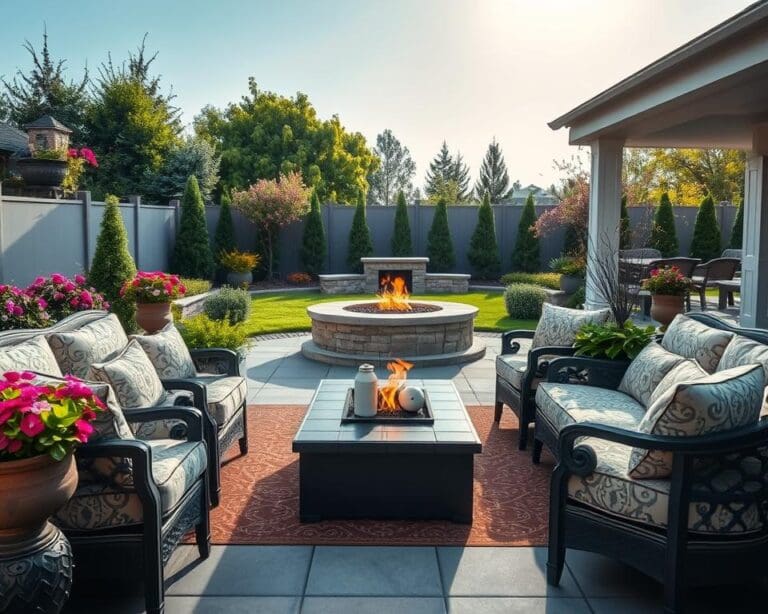
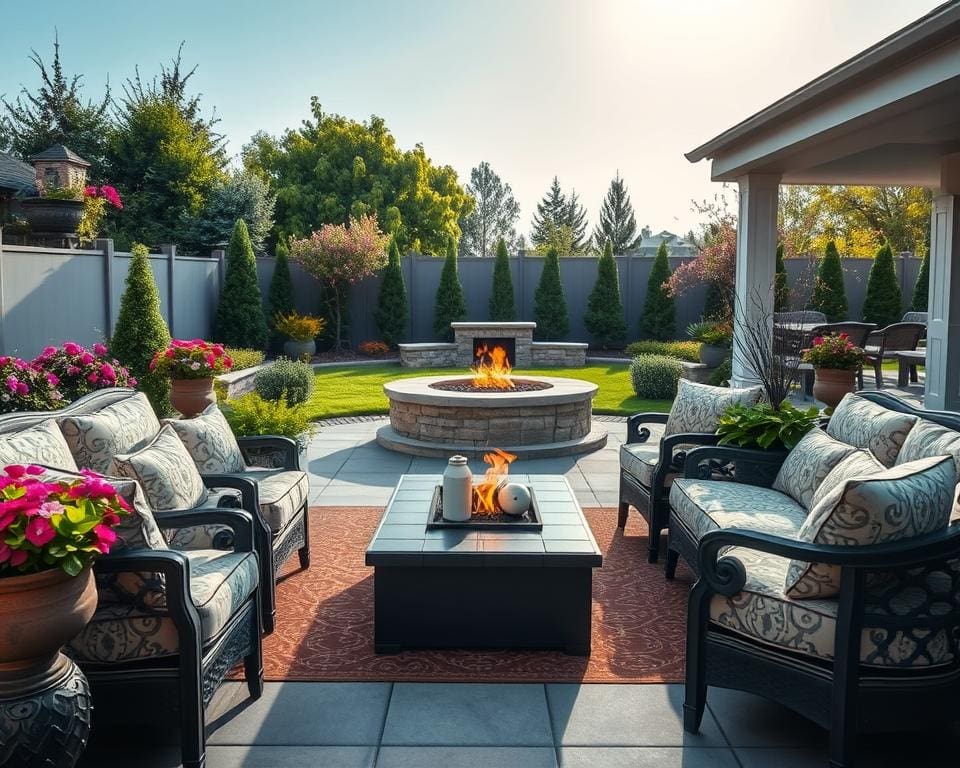
Think of focal points, privacy, and electrification for a complete design. A fire table, water feature, or bold rug anchors seating, while hedges, trellises, or screens add intimacy and sound buffering. Pre-wire for outdoor speakers like Sonos, dedicated lighting circuits, and outlets to support appliances from Weber, Lynx, or Napoleon, ensuring patio comfort features are both beautiful and future-ready.