Deciding on a home plumbing upgrade begins with clear priorities. Start by listing visible problems like leaks, corrosion, or low water pressure. That list becomes the foundation of your plumbing planning guide and the first item on any plumbing installation checklist.
Next, think about materials and fixtures. Choices such as copper, PEX, CPVC, and PVC affect durability, cost, and compatibility with sinks, toilets, and water heaters. New plumbing considerations should include water efficiency and long-term maintenance, not just the initial price tag.
Budgeting matters both up front and over the life of the system. Factor in permit fees, possible rerouting inside walls, and the difference between a DIY repair and hiring a licensed plumber. For owners of older homes, prioritize inspecting for galvanized or lead piping and plan accordingly.
This section sets the tone for a practical, actionable approach. By framing these core questions—what should you consider when installing new plumbing—you’ll prepare for a successful installation that boosts reliability, efficiency, and resale value.
What should you consider when installing new plumbing?
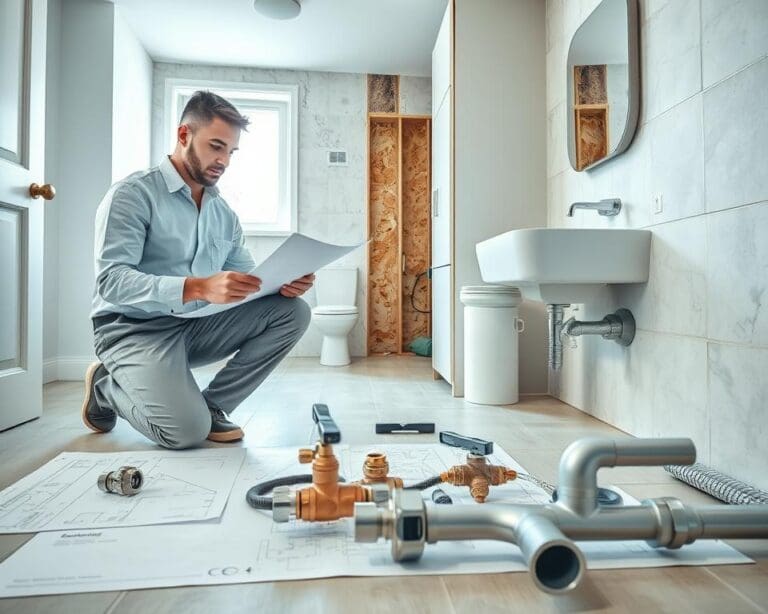
Start with a clear plumbing assessment to guide choices and avoid surprises. A quick walk-through that notes visible stains, drips, corrosion, and low flow helps form a practical plumbing condition checklist. Mapping supply and drain lines lets you find the main shutoff and plan isolation points for future work or expansion.
Assessing your current plumbing layout and condition
Inspect accessible areas under sinks, around the water heater, and in basements. Use simple pressure checks and watch the water meter with fixtures off for basic leak detection. For hidden leaks, consider thermal imaging or an electronic detector that a licensed plumber can run.
Identify pipe materials and age. Galvanized steel and lead need replacement in many homes. Look for corrosion on copper, brittle joints in CPVC, and check PEX fittings for signs of stress. Keep a plumbing condition checklist with photos to document defects before work begins.
Map the network of branch lines, shutoffs, and heater connections. A clear diagram speeds repairs, scopes permits, and informs a realistic plumbing budget estimate for any remodel.
Budgeting and long-term cost considerations
Weigh upfront costs against lifecycle savings. Durable pipes and water-efficient fixtures raise initial spend, but they cut maintenance and utility bills over years. Build a plumbing budget estimate that lists materials, fittings, fixtures, labor rates for a licensed plumber, permit fees, inspections, and a contingency of 10–20%.
Factor in pipe lifespan when estimating replacement cycles: copper often lasts 50+ years, PEX 30–50 years, and PVC/CPVC varies with exposure. Check for rebates on WaterSense or ENERGY STAR products to lower net cost.
Compliance and permits
Local codes govern venting, traps, backflow prevention, and drain sizing. Most major work needs plumbing permits and staged inspections to protect safety and resale value. Permit rules differ by city and state, so verify requirements early.
Complex tasks such as main-line alterations, sewer work, water heater replacement, or in-wall plumbing typically require a licensed plumber to secure approvals and pass inspections. Keep all permits, inspection reports, and contractor warranties in one file for future reference and for potential buyers.
For a broader planning checklist and first steps for whole-home remodeling, consult a practical guide like what to do when remodeling a to align plumbing work with design, permits, and scheduling.
Choosing the right materials and fixtures for durability and efficiency
Choosing the best plumbing materials shapes performance, longevity, and home value. Thoughtful choices cut repair bills and lower utility costs while supporting energy-efficient plumbing goals. This guide compares common pipes, highlights water-saving fixtures, and outlines steps for plumbing future-proofing.
Comparing common pipe materials
Copper remains a trusted option for longevity and heat resistance. Its lifespan often exceeds 50 years and it resists UV and fire. Higher material and labor costs come with copper, and acidic water can speed corrosion.
PEX offers flexibility that reduces fittings and speeds installation. PEX benefits include lower material cost, quieter flow, and good freeze resistance in many forms. Protect PEX from sunlight and check local water chemistry for chlorine exposure. Weigh copper vs PEX by balancing upfront cost, access needs, and expected lifespan.
CPVC fits hot and cold lines at a lower cost than copper but can become brittle in very cold conditions. PVC stays useful for drain, waste, and vent work, not hot potable water. Legacy galvanized and lead pipes usually require replacement for health and corrosion reasons.
Selecting water-efficient fixtures and appliances
Low-flow toilets, faucets, and showerheads save water while keeping comfort. Choose WaterSense fixtures certified by the U.S. Environmental Protection Agency to ensure performance and savings.
ENERGY STAR-rated dishwashers and washing machines reduce both water and energy use. These appliances work well when matched to household demand and plumbing capacity.
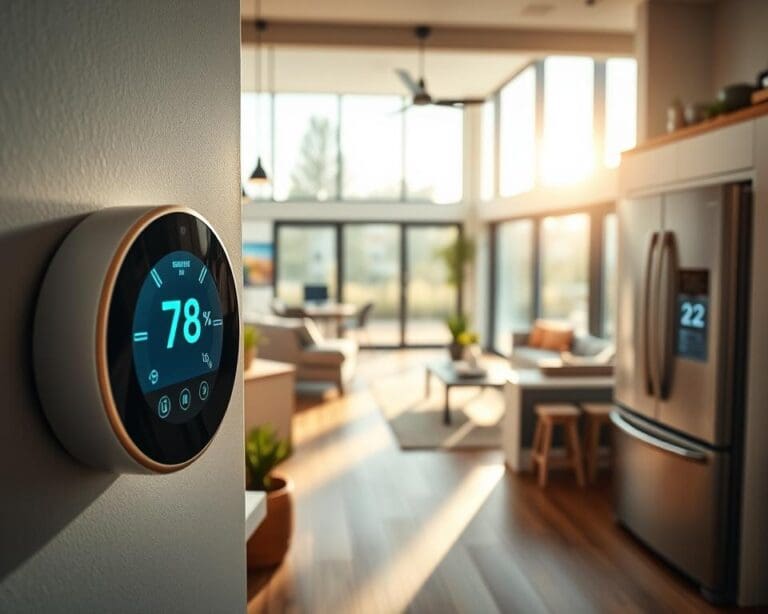
Smart devices such as thermostatic mixing valves, smart leak detectors, and automatic shutoff systems add protection and control. Brands like Moen and Kohler offer integrated tech that monitors flow and can shut down supply during major leaks.
Keep performance in mind. Look for pressure-compensating aerators and advanced spray designs to avoid the weak-feel typical of some low-flow models.
Durability and future-proofing choices
Choose corrosion-resistant materials and reputable brands like Delta, Toto, or Moen to reduce maintenance. Check warranties and parts availability before committing.
Plan for future needs by sizing main supply lines for potential additions and leaving space for a tankless water heater or extra branch runs for an added bath or laundry. Add isolation valves and access panels to simplify repairs.
Address water quality with whole-house filtration or water softeners when mineral content or chlorine levels threaten pipes. Point-of-use reverse osmosis can improve drinking water without stressing the main system.
Combine thoughtful material choices, WaterSense fixtures, energy-efficient plumbing strategies, and smart leak detectors to create a durable system that stands ready for tomorrow. This approach supports plumbing future-proofing while delivering reliable daily performance.
Installation planning, timeline, and working with professionals
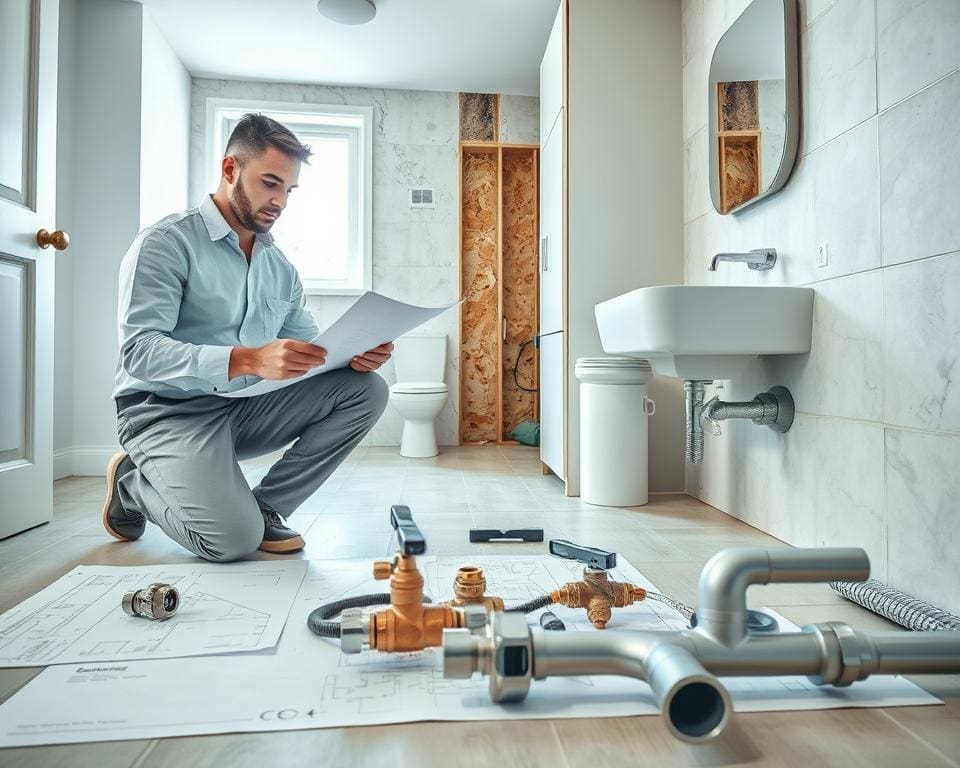
Start by defining clear objectives: is this a repair, a full repipe, or an upgrade with new fixtures and appliances? A written scope of work that lists tasks — demolition, rough-in plumbing, fixture installation, water heater work, sewer or septic connections, and final testing — sets expectations and shapes the plumbing installation timeline.
Map plumbing project milestones like permit application and approval, demolition, rough-in layout, inspections, fixture installation, pressure testing, and final hook-ups. Small bathroom or kitchen jobs often take days to a week. Full-house repiping can take several days to a few weeks. Allow cushion for permit delays, material lead times, and hidden issues discovered during demolition.
When hiring a plumber, vet licenses and insurance through state boards and resources such as the Better Business Bureau. Obtain multiple plumbing quotes — typically three — to compare scope, materials, timeline, and warranties. Ask for references, recent photos, and clarity on subcontractors and who will manage permits and inspections.
Protect your home and prevent water damage by keeping the main shutoff accessible, labeling temporary shutoffs, and using containment for dust and runoff. Insist on pressure testing and trap seal checks before closing walls. Finalize warranties and post-install maintenance plans in writing, document valve locations, and schedule routine inspections to preserve performance and value.