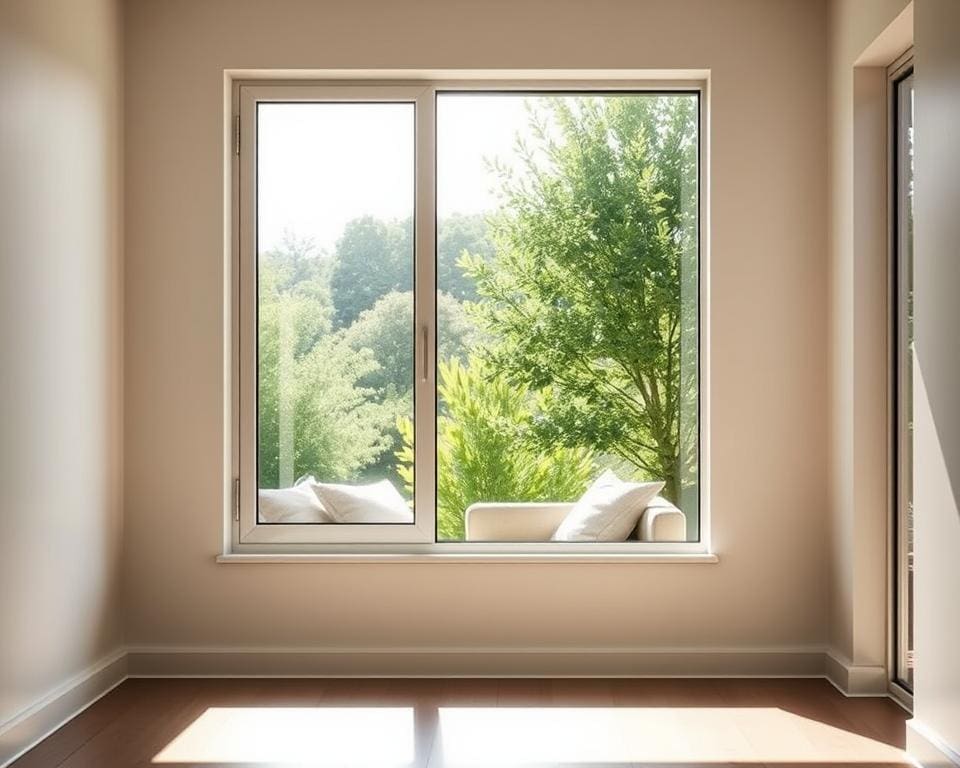
Double glazing refers to a window system with two panes of glass separated by a gap filled with air or an inert gas. This insulated glazing reduces heat transfer, helping to cut heat loss in winter and limit heat gain in summer. The core purpose is simple: improve thermal performance, boost comfort, and lower energy bills.
For U.S. homeowners, double glazed windows matter in every climate. In northern states, energy-efficient windows retain warmth and reduce heating costs. In southern states, insulated glazing limits solar heat gain and eases air-conditioning loads. Upgrading to double glazing often helps meet modern building codes and aligns with programs like ENERGY STAR.
This article offers practical guidance on what should you know about double glazing?, from how it works to double glazing benefits, material choices, and installation tips. You’ll find clear comparisons of frames, glass coatings, and performance ratings so you can choose windows that improve comfort and home value.
Continue to the next sections for a closer look at the technology behind insulated glazing, how to compare materials and energy ratings, style and installation considerations, and advice on cost and long-term care.
What should you know about double glazing?
Double glazing transforms comfort and efficiency in a home. This section explains basic components, homeowner benefits, and common pitfalls to watch for. Read on to make choices that last and perform.
How double glazing works: basic components and technology
An insulated glass unit is the heart of modern glazing. It pairs two glass panes sealed at the edge with a spacer, a desiccant to absorb moisture, and a hermetic seal to keep inert gas from escaping.
Gap fills vary from plain air to argon or krypton. Inert gas slows convection and conduction between panes. Typical gap widths run from about 6mm to 20mm, which affects R-value and overall insulation.
Spacers and thermal break details matter for performance. Traditional aluminum spacers can create a cold edge. Warm-edge spacers—stainless steel, silicone, or laminate—reduce thermal bridging and lower the risk of edge condensation.
Advanced options include low-emissivity coatings, triple glazing, and dynamic or thermochromic glass for specialized needs. These technologies change how heat and light pass through a window.
Key benefits for homeowners: energy savings, noise reduction, and comfort
Energy savings can be substantial. Replacing single-pane windows often cuts heating and cooling bills by roughly 10–25%, depending on climate and existing glazing. Lower U-factors mean less heat loss in winter and lower cooling loads in summer.
Comfort improves through fewer cold spots and more even indoor temperatures. A proper thermal break in frames reduces radiant heat loss, easing strain on HVAC systems.
Noise reduction windows matter for busy streets and flight paths. The gas gap and mixed pane thicknesses reduce transmitted sound. Homeowners near highways or airports notice a measurable drop in perceived noise.
Low-E coatings block ultraviolet rays, protecting fabrics, flooring, and artwork from fading. Security rises with options like laminated or tempered glass. Proper seals and installation help prevent condensation between panes and the mold problems that follow.
Common misconceptions and what to watch out for
Not all double glazing is the same. Performance varies by glass type, spacer quality, gas fill, and installation skill. Buyers should compare specs rather than rely on labels alone.
Seal failure and fogging have clear causes. Poor edge seals, thermal stress, and cheap spacers shorten an IGU’s life. A well-made insulated glass unit typically lasts between 10 and 20 years, depending on climate and care.
Don’t expect guaranteed payback times from every installer. Actual energy savings hinge on climate, the condition of existing windows, HVAC efficiency, and workmanship.
DIY window retrofits carry risks like thermal bridges and water infiltration. For regulatory and quality reasons, consult certified installers and check local rules. If your property sits in a conservation area or is listed, early outreach to local conservation officers helps. For planning and renovation guidance, see this helpful resource on what to consider before renovating your home: planning and consent basics.
Finally, be aware of persistent double glazing myths. Good research, quality materials, and careful installation beat marketing claims. Choose systems with proven warm-edge spacers and verified gas fills to ensure long-term performance.
Choosing the right double glazing for your home: materials, styles, and performance
Picking the right windows shapes comfort, curb appeal, and long-term cost. Start by weighing how window frame materials suit your climate and style. Match performance goals with aesthetic choices so each decision adds lasting value.
Window frame materials: vinyl, wood, aluminum, and composite options
Vinyl (uPVC) offers low upkeep and strong thermal performance when multi-chambered. It works well for budget-conscious projects and common replacement jobs.
Wood brings natural insulation and warmth. It needs painting or staining and careful care in humid climates. Many homeowners choose wood with aluminum cladding to get the best of both worlds.
Aluminum gives slim profiles and structural strength for big openings. Pick thermally broken aluminum with polyamide to cut conductive loss and boost efficiency.
Composite and fiberglass blend durability with thermal efficiency. Brands like Marvin and Andersen supply composite options that mimic wood while requiring less maintenance.
Think of lifecycle and ROI. Higher initial cost may pay off through decades of lower maintenance and steady resale value.
Glass options and coatings: low-E, gas fills, and spacer types
Low-E coatings reduce radiant heat transfer and block UV. Soft-coat variants perform best when placed on interior surfaces of an insulated glass unit, while hard-coat types suit exposed panes.
Fill options include argon for solid cost-performance and krypton for narrow gaps in high-performance or triple glazing. Choice depends on gap width and target U-value.
Spacer bars matter at the edge. Warm-edge spacers cut condensation risk and edge heat loss compared to basic aluminum spacers.
Consider safety and specialty glass like tempered, laminated, or acoustic laminated units for impact resistance and sound control.
Energy performance ratings to compare: U-factor, SHGC, and visible transmittance
U-factor measures heat flow; lower values mean better insulation. Cold climates generally aim for lower U-factors to reduce heat loss.
SHGC gauges solar heat gain. Lower SHGC helps in hot regions, while higher SHGC supports passive solar heating in colder sites. Understanding U-factor vs SHGC helps balance heating and cooling needs.
Visible transmittance affects daylighting and glare. Pick glazing that balances natural light with thermal control for each exposure.
Look for NFRC labels and ENERGY STAR windows ratings that match your climate zone. Use those numbers to compare products objectively and avoid vague claims.
Style and installation considerations for curb appeal and function
Window styles—double-hung, casement, awning, sliding, picture—each perform differently. Casements tend to seal tighter than double-hung models, while picture windows maximize views and need thoughtful solar control.
Frame color, grille patterns, and hardware influence resale appeal. Factory finishes last longer than field painting and preserve warranties.
Installation quality decides real-world performance. Proper flashing, air and water barriers, and insulated gaps prevent thermal bridging and water ingress. Accredited installers follow AAMA and local codes to protect your investment.
Ask installers about accessibility, egress, screens, and ease of cleaning. A well-chosen combination of window styles, materials, and precise installation delivers comfort, savings, and curb appeal.
For guidance on site assessment and installer roles, see this installer-focused resource: installer best practices.
Cost, installation, and long-term care of double glazing
Estimating double glazing cost starts with the window type and materials. Basic vinyl replacement units with standard double-pane glass often run between $300 and $700 per window, while high-end wood-clad or thermally broken aluminum units with premium glass packages can exceed $1,200 to $2,000 each. Glass options like low-E coatings and argon fills, larger or custom shapes, plus regional labor differences push the window installation cost higher. Get itemized bids so you can compare frame, glass, labor, and shipping line items.
Payback depends on local heating and cooling rates and how drafty your current windows are. Realistic payback periods often range from 7 to 15 years. Use your utility bills to estimate savings, factor in federal tax credits when available, and check state or utility rebates. Financing can ease upfront burden: manufacturers and contractors often offer financing, and homeowners can consider HELOCs or energy-efficiency loan programs. Always request multiple quotes and clear, written estimates before committing.
A professional installation follows clear steps: precise site measure, ordering the correct product, careful removal of the old window, preparation of the opening with flashing, proper shimming and insulation, and interior and exterior sealing with a final inspection. Choose certified installers—look for AAMA recognition or manufacturer certification from Andersen, Pella, or Marvin—and confirm contractor licensing, references, and labor warranties. Common problems to avoid include improper flashing, inadequate sealant, and poor insulation around frames; address any structural rot before installation.
Long-term care keeps windows performing and extends window service life. Routine cleaning of glass and frames, lubrication of hardware, and inspecting seals and weatherstripping help prevent issues. Watch for condensation between panes as a sign of seal failure; IGU maintenance focuses on detecting fogging early. When seal failure or IGU fogging appears, a full unit replacement is often better than reglazing. Review manufacturer warranties for glass, seals, and labor, keep documentation, and consider recycling options for old frames and glass. Treat double glazing as an investment in comfort, energy savings, and home value—assess current windows, request NFRC data and multiple quotes, and prioritize reputable installers to realize lasting benefits.