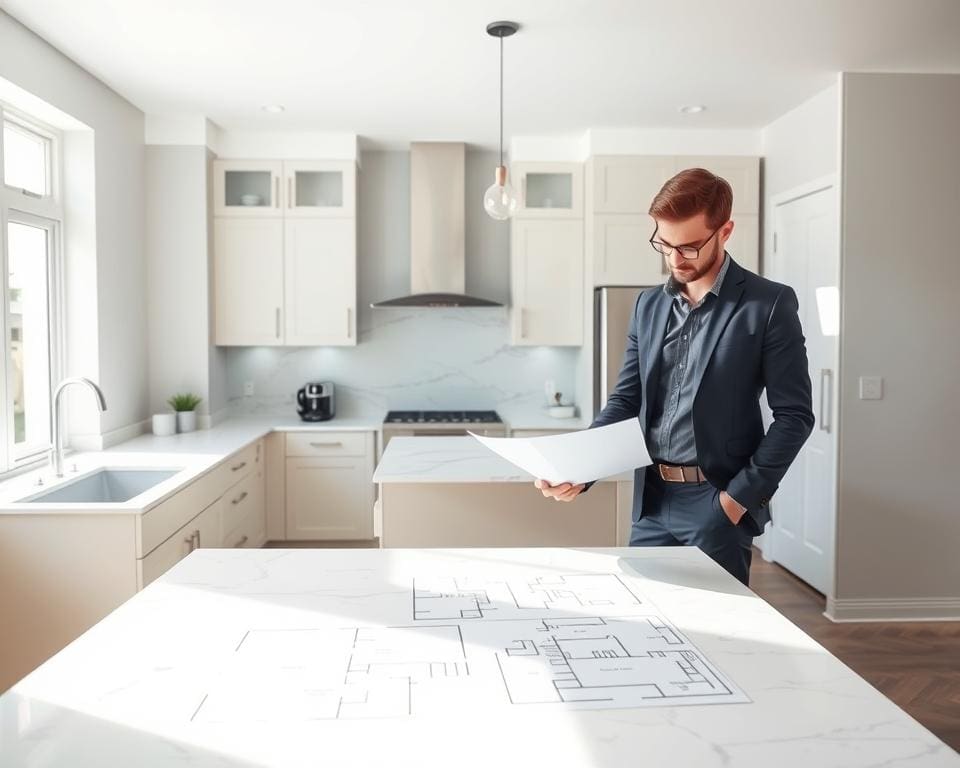
Remodeling a kitchen is both a major investment and a chance to transform how your household lives. Before you tear out cabinets or pick finishes, step back and imagine how you want to use the space five to ten years from now: who cooks, how often you entertain, and whether accessibility or energy savings matter. These practical and emotional prompts help shape early decisions.
Start by defining the scope, timeline, and budget. Clarifying these top-level choices reduces stress and cuts unexpected costs later. Consider resale implications alongside daily livability, and think about whether you need cosmetic updates or a full gut renovation.
Use a simple kitchen remodel checklist and a kitchen planning guide to capture priorities. List must-haves, nice-to-haves, and realistic contingencies. Note lead times for bespoke cabinetry and appliances, and build a 10–20% buffer into your budget.
Bring inspiration and information together: collect images from Pinterest and Houzz, visit model kitchens at local Home Depot or IKEA showrooms, measure the room, and answer basic remodeling questions about services, structure, and permissions.
This article will walk you through five core areas: clarifying goals and budget; layout and ergonomics; materials, appliances, and finishes; hiring professionals and permitting; and project management. If you want a practical primer now, follow this kitchen renovation tips link to a detailed first-steps guide from industry sources that complements this kitchen planning guide: first steps in remodeling a house.
Before you move on, gather inspiration, measure your space, and compile an initial priority list. Those small actions will make the rest of the remodel clearer and more confident.
What should you know before remodeling your kitchen?
Start with a clear plan that ties design, cost, and timing together. A thoughtful approach helps you set realistic kitchen remodel goals and keeps decisions steady when choices get overwhelming. Picture your long-term needs, neighborhood trends, and resale potential before committing to big changes.
Clarifying your remodeling goals and priorities
Begin by listing must-haves vs nice-to-haves. Rank features like new cabinets, an island, or expanded footprint so trade-offs are clear when bids arrive.
Pick a style that endures. Look at mid-century modern, transitional, farmhouse, and contemporary kitchens for ideas that pair well with durable materials.
Check local MLS listings and consult a real estate agent to see what buyers in your area value most. Simple updates such as refacing cabinets, updated appliances, and improved lighting often deliver strong ROI without over-improving a house.
Understanding the scope and timeline
Define your remodel scope early. A gut renovation that moves plumbing or electrical differs greatly from a cosmetic refresh in cost and disruption.
Use realistic timeframes: cosmetic refresh 1–3 weeks, partial remodel 4–8 weeks, full gut 8–16+ weeks. Allow extra for permits, custom cabinets, and appliance backorders.
Plan how you will live through the work. Set up a temporary kitchen with a microwave and mini-fridge, and schedule noisy plumbing or electrical phases to limit daily impact.
Budget foundations and financing options
Create a detailed kitchen remodel budget with line items for demolition, cabinetry, countertops, appliances, plumbing, electrical, permits, and design fees. Add a 10–20% contingency for hidden issues like water damage or structural surprises.
Compare financing a kitchen remodel through savings, personal loans, credit cards, home equity loans, HELOCs, or contractor financing. Review interest rates and possible tax implications with a tax professional before deciding.
Decide where to save and where to splurge. Save on paint and layout-preserving cabinet refacing. Spend on durable quartz or granite countertops, quality cabinet construction, efficient appliances, and strong ventilation that improves comfort and resale value.
- Use budgeting templates and project apps to track costs.
- Obtain at least three competitive bids from contractors.
- Ask suppliers about lead times for custom cabinetry and appliances.
Planning layout, workflow, and kitchen ergonomics
Good kitchen layout planning turns busy mornings into smooth routines. Focus on clear pathways, smart landing spaces, and efficient placement of major appliances to support daily tasks. Thoughtful kitchen ergonomics reduces fatigue and improves safety while making the space welcoming for family and guests.
Optimizing the kitchen work triangle and zones
The classic work triangle links the sink, stove, and refrigerator to minimize walk time. Aim for direct routes between these points while avoiding islands that block access. Modern homes sometimes use multiple hubs for baking, beverage prep, and cleanup; plan multi-zone layouts when space allows.
Set prep space next to the sink and refrigerator. Provide landing zones of 12–18 inches beside cooktops and ovens. Keep a clear aisle of at least 36 inches, with 42–48 inches for households where two or more people cook together.
Traffic flow and multi-user functionality
Open plans encourage interaction, yet they can reduce dedicated work surfaces. Use peninsulas, partial walls, or islands with seating to balance social needs and workspace. Position circulation routes so people can pass without crossing primary prep areas.
Design for accessibility and aging-in-place. Include adjustable-height counters, lever handles, pull-down shelves, and zero-threshold flooring. Wider doorways and toe-kick drawers help mobility and long-term comfort.
For multi-cook households, consider double ovens, a second sink, or a prep sink. Add warming drawers or a separate beverage station to keep tasks distinct and reduce congestion.
Storage solutions and organization systems
Maximize storage with full-extension pull-outs, blind-corner pull-outs, and vertical dividers. Walk-in or pull-out pantries make pantry ideas actionable for busy families. Floor-to-ceiling cabinets use vertical space and cut clutter.
- Use deep drawers for pots and pans and vertical slots for baking sheets.
- Install appliance garages and designated charging stations to hide small appliances.
- Add modular inserts and labeled bins to keep systems tidy and repeatable.
Brands like Rev-A-Shelf offer familiar hardware options that cabinetmakers and big-box suppliers carry. Include dedicated recycling and compost pull-outs to streamline maintenance and keep counters clear.
Materials, appliances, and finishes that fit your lifestyle
Choosing the right kitchen materials shapes how your space looks, feels, and performs. Think about daily habits, family size, and the time you want to spend on upkeep. This helps narrow countertop options, cabinet materials, and kitchen flooring choices that match both taste and routine.
Choosing durable countertops, cabinetry, and flooring
Quartz offers low maintenance and consistent color; brands like Caesarstone and Silestone deliver reliable slabs. Granite resists heat and gives a unique pattern, yet it needs periodic sealing. Laminate has improved looks from makers such as Wilsonart and Formica and stays budget friendly. Butcher block from John Boos brings warmth and can be renewed with oil, though it dents and scratches more easily.
For long-term value, choose cabinet materials and construction wisely. Plywood boxes outperform particleboard for moisture resistance and strength. Framed cabinets offer classic support, while frameless gives cleaner lines for modern layouts. Look for dovetail drawer construction and soft-close hardware from respected makers like KraftMaid and semi-custom brands for durability.
Flooring must balance durability with comfort. Porcelain tile and luxury vinyl plank (LVP) handle heavy traffic and spills with low maintenance. Engineered hardwood delivers a true-wood look with added stability. Natural stone looks elegant but can be porous and cooler underfoot. Pick slip-resistant finishes and underfoot comfort that suit your daily routine.
Selecting appliances for performance and energy efficiency
Match appliance sizes and features to how you cook. A 30–36 inch cooktop fits most homes. Choose double ovens if you host often. Decide between a range and separate cooktop plus wall oven based on layout and workflow. Size the refrigerator to household needs to avoid wasted space or repeated grocery runs.
Energy Star appliances lower long-term operating costs. Dishwashers and refrigerators with Energy Star ratings use less water and electricity. Brands like GE, Whirlpool, Bosch, and Samsung offer efficient models; Bosch dishwashers are noted for quiet cycles. Induction ranges heat faster and give precise control for serious cooks.
Good ventilation protects cabinets and walls. Pick a range hood that matches the cooktop width and delivers appropriate CFM. For gas or heavy cooking, aim for 300–600+ CFM to clear smoke and odors effectively.
Lighting, fixtures, and hardware to elevate the space
Plan layered lighting to support tasks and set mood. Use under-cabinet LEDs for prep work, recessed cans for ambient light, and pendant fixtures to accent islands. Install dimmers and choose color temperatures that fit function: 2700–3000K for warm cabinet washes, 3000–3500K for bright task zones.
Pick faucets and sinks that match daily use. Single-handle pull-down faucets from Moen, Delta, and Kohler combine convenience with strong performance. Stainless steel undermount sinks and composite options from Blanco balance looks and durability. Choose faucet finishes like matte black, brushed nickel, or polished chrome to complement countertops and cabinet tones.
Scale hardware for comfort and proportion. Select pulls sized for the hand and cabinet face. Coordinate finishes across faucet finishes, lighting, and cabinet hardware to create a cohesive visual flow that feels intentional and inviting.
Hiring professionals, permits, and managing the remodel
Choose the right team by comparing design-build vs general contractor approaches. Design-build firms handle concept through completion, which simplifies communication and reduces finger-pointing. Hiring a separate designer and general contractor can yield competitive bids and specialized design input, but it requires you to coordinate timelines and decisions. When you hire a contractor, know who will act as the lead and which subcontractors will handle plumbing, electrical, cabinetry, and flooring.
Vet contractors thoroughly before signing. Review portfolios, ask for recent references with similar scope projects, and check state contractor license boards. Verify insurance, bonding, and look for NKBA or National Association of Home Builders affiliations. Use Better Business Bureau records and client testimonials to confirm reliability. A solid vetting process protects your budget and the quality of work.
Understand kitchen remodel permits early to avoid delays. Typical permits cover structural changes, electrical upgrades, plumbing relocations, HVAC or hood penetrations, and gas-line work. Cosmetic-only updates often need fewer permits, but rules vary by municipality—contact your local building department and make permit pulls part of the construction schedule. Inspections at rough framing, electrical, plumbing, and final stages ensure code compliance and reduce rework.
Manage the project with clear milestones and a plan for change orders. Lay out a realistic timeline that includes discovery, permitting, demolition, rough-in, cabinet install, countertop templating, appliance hookup, and final inspection. Build buffers for lead times and permit reviews. Document every change order in writing with cost and schedule impacts, keep a contingency fund, and hold regular check-ins so decisions are timely. Maintain safety and cleanliness with dust-control measures, designated material storage, PPE rules, and a final walkthrough that checks warranties, lien waivers, and punch-list items.