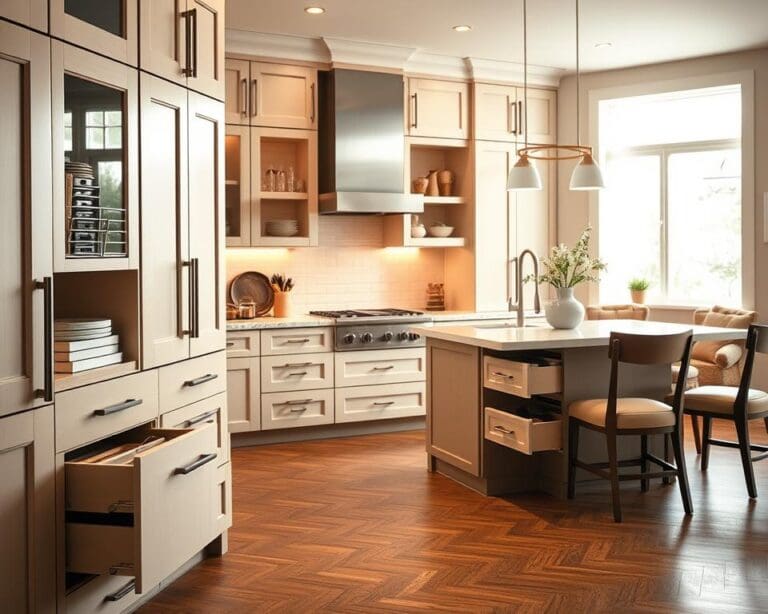
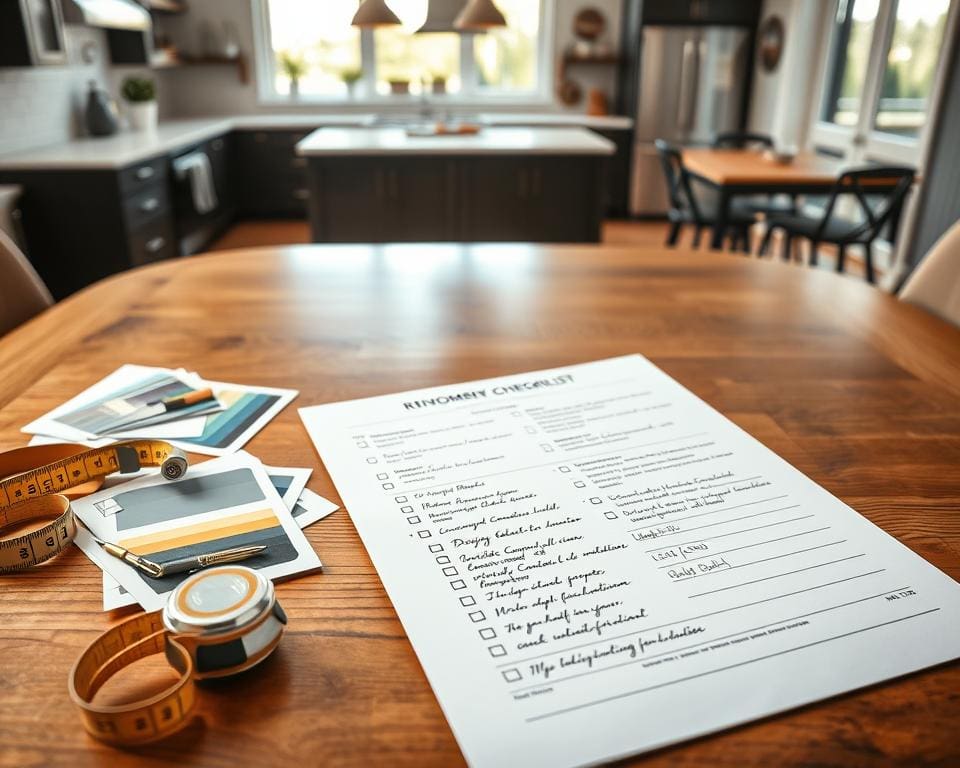
Embarking on a kitchen renovation is exciting, but it pays to start with clear thinking. This kitchen renovation checklist lays out the essentials UK homeowners need before work begins. Good kitchen renovation planning helps you avoid cost overruns, limits disruption and delivers a space that fits daily life and future resale value.
In this article we cover the practical questions every renovator faces: clarifying goals and priorities, setting a realistic budget with a 10–20% contingency, and choosing layouts that respect building constraints. We also look at material and appliance choices, including energy ratings and warranties, and the regulations that matter in the UK such as Building Regulations Part P, gas safety duties and Planning Portal guidance for structural changes.
Whether you are renovating a kitchen UK for family life, rental income or to add value, these kitchen remodel tips will guide your decisions. Each following section expands on the themes here and offers actionable steps you can add to your own kitchen renovation checklist.
With sensible planning and the right professional advice, a kitchen renovation becomes an opportunity to transform everyday routines and boost long-term value. What should you know before renovating a kitchen? Start here, make a plan, and build with confidence.
What should you know before renovating a kitchen?
A successful kitchen renovation begins with clear intent. Before any layout sketches or supplier calls, take time to define kitchen use and set realistic aims. That clarity keeps choices focused and helps tradespeople propose solutions that match your everyday needs.
Clarify your goals and priorities
Start by listing how the space will be used: daily cooking, entertaining, a homework zone or a multigenerational hub. Use that list to shape kitchen priorities such as storage, seating and durable finishes.
Create a must-have versus nice-to-have list. Must-haves might include safe gas work and reliable ovens; nice-to-haves could be a wine fridge or bespoke pantry. Decide on an overall style and a simple palette to keep choices consistent for designers and suppliers.
Think about accessibility. Lower worktops, pull-out drawers and lever taps make a kitchen more future-proof for all ages.
Establish a realistic budget
Work through costs for design fees, materials, appliances and labour. Include a renovation contingency of around 10–20% to cover hidden surprises such as rot or asbestos removal.
Be aware of cost drivers: bespoke cabinetry, premium worktops and structural changes raise the price. Research local price ranges and obtain several quotes to benchmark spending against the renovation budget UK.
Plan for running costs. Energy-efficient appliances may cost more up front but lower bills later. Consider how financing or grants might help spread the cost.
Timeline and disruption planning
Estimate how long the work will take. Simple refits can be a few days or weeks; full gut-outs often run several weeks to months. Build a realistic renovation timeline into your plans.
Decide on temporary kitchen arrangements early. A hotplate, microwave or portable hob and a clear food plan keep household routines stable while work proceeds.
Co-ordinate deliveries, inspections and lead times for bespoke items. Communicate the schedule with contractors and household members and appoint a single contact for updates and any changes.
Practical planning: layouts, workflows and building constraints
Good planning turns an idea into a kitchen that works day after day. Start by matching layout options to your space and routine. Think about circulation, storage and how the room will feel when family and friends gather.
Choose the right kitchen layout for your space
Compare common designs: a galley kitchen suits narrow homes, an L‑shape opens into living space, a U‑shape gives maximum storage and an island kitchen planning approach creates a social hub. Open‑plan schemes blend cooking with dining and relaxation.
Prioritise the work triangle—sink, hob and fridge—to keep steps low during meal prep. Adapt the triangle for modern life: add space for multiple cooks, a dishwasher or a wine cooler. Remember clearances; aim for at least 1m walkways and around 1.2m where an island sits.
Assess structural and planning considerations
Check if walls are load‑bearing before altering them. Removing structural elements needs a structural engineer’s calculations and Building Regulations approval. Ask your local council when in doubt.
Internal changes rarely need planning permission UK, but external alterations, new windows or work on listed buildings often do. Use your local planning authority for guidance from borough or county councils.
Follow building regulations kitchen standards for electrical, gas and ventilation work. Part P covers domestic electrical safety. Gas work must be done by Gas Safe registered engineers. Ensure adequate ventilation for gas hobs and extractors.
Older properties can hide hazards such as asbestos. If the house dates from before the 1990s, arrange a survey before you strip out walls or ceilings.
Utility and service planning
Map plumbing, drainage, electrical circuits and gas lines early. Moving pipes or gas lines increases cost and timescales. Decide if you will relocate sinks, waste and heating elements at the planning stage.
Plan sockets and lighting with use in mind. Place outlets for kettles, microwaves and under‑cupboard lighting. Provide dedicated circuits for ovens and hobs and check consumer unit capacity.
Specify extractor performance to match your hob and building regulations kitchen ventilation needs. Ducted extraction to the outside is preferable when possible. Coordinate service routing with trades so plumbing and electrics are in place before units are fixed.
Design choices, materials and appliance selection
Deciding on materials and appliances shapes how a kitchen feels and performs. Think about long‑term use, cleaning, and the mood you want to create. This brief guide helps you match style with substance while keeping practical needs front of mind.
Select durable and appropriate materials
Worktops deserve careful thought. A worktop comparison granite quartz laminate will show clear trade‑offs: granite is hardwearing and natural but needs sealing; quartz is engineered and low‑maintenance with many colours; laminate is budget‑friendly and getting tougher. Solid wood brings warmth but asks for more upkeep.
Cabinet finishes should suit daily use. Painted and veneered doors look smart. Vinyl‑wrapped or thermofoil can resist knocks. Fit soft‑close hinges and reliable runners from brands such as Blum or Häfele to improve longevity and feel.
Splashback materials must be easy to clean. Glass, stainless steel, ceramic tiles or large porcelain slabs cut down grout lines and smear. Choose groutless options where possible to reduce cleaning time.
Flooring choices affect safety and comfort. In the UK, practical, water‑resistant options include porcelain tile, luxury vinyl tile (LVT) and engineered timber sealed for kitchens. Check compatibility with underfloor heating if you plan to add it.
Appliances and energy efficiency
Choose between integrated and freestanding models based on appearance and future flexibility. Integrated appliances give a seamless look while freestanding units are easier to replace and upgrade.
Prioritise kitchen appliances energy efficiency when selecting fridges, freezers, washers and dishwashers. Look for high UK/UE ratings to cut running costs. Induction hobs often cost less to run than gas and improve indoor air quality.
Match appliance sizes to unit spaces and leave manufacturer‑specified ventilation gaps for built‑in ovens and fridges. Consider extractor performance above hobs for proper ventilation. Smart features add convenience, but check serviceability and privacy before committing.
Lighting, colour and finishing touches
Good kitchen lighting design uses layers: ambient ceiling lights, task lighting under cupboards, and accent lighting in plinths or cabinets. Aim for warm to neutral colour temperatures around 2700–3000K for a welcoming feel unless task clarity demands cooler tones.
Colour affects perception of space. Light colours boost brightness and make a room feel larger. Dark cabinetry adds drama but may show dust and wear more quickly. Coordinate tones across worktops, splashbacks and floors to create harmony.
Choose taps and sinks to match use: stainless steel, composite or ceramic each have strengths. Finishing touches such as solid handles, handleless systems, pull‑out pantries and integrated bins improve daily workflow. Request warranties from trusted brands like Bosch, Miele or Neff for appliances and from Caesarstone or Silestone for quartz surfaces.
Working with professionals, contracts and project management
Planning a kitchen overhaul starts with securing the right team and clear agreements. Spend time to hire kitchen designer UK firms and trades that hold recognised credentials. Use TrustMark, Which? Trusted Traders and the Federation of Master Builders to shortlist builders, joiners, electricians and a Gas Safe engineer. Check portfolios, visit showrooms and confirm public liability and professional indemnity insurance before you commit.
Contracts should be detailed and fair. Draft renovation contracts UK that set out scope, materials, timelines, payment schedules and a variations process. Include retention clauses or milestone payments linked to measured progress. Ensure appliance warranties and contractor workmanship guarantees are recorded, and tell your buildings insurer about the works; for larger jobs consider contract works insurance.
Good project management renovation relies on clear communication and written records. Keep a decision log, authorise changes in writing, and request regular progress updates from your project lead. At completion, carry out inspections, compile a snagging list and agree a timetable for remedial work before final payment. Obtain any required certificates for Building Regulations, gas safety and electrical safety.
Protect the project by keeping payments, correspondence and contracts on file and use mediation or Small Claims Court routes only if disputes cannot be solved amicably. Working with reputable professionals, robust renovation contracts UK and proactive project management renovation will transform your kitchen into a practical, stylish space that adds lasting value to your home.