

The upcoming GCSE Food Tech exam presents an exciting opportunity for aspiring chefs to showcase their culinary skills. Understanding what to cook for GCSE Food Tech Exam involves selecting recipes that are not only creative but also demonstrate a strong grasp of cooking techniques and presentation. Students are encouraged to explore GCSE Food Technology cooking inspiration suggestions, focusing on balanced nutrition while appealing to their audience’s tastes. This section will lay the groundwork for effectively planning your cooking strategies and provide essential cooking tips for GCSE Food Tech assessment, setting you on the path to success in this practical examination.
Understanding the GCSE Food Tech Curriculum
The GCSE Food Technology curriculum provides a comprehensive overview that helps students develop both theoretical knowledge and practical skills in food preparation. At its core, the curriculum emphasises key themes such as nutrition, food science, and the importance of safe cooking practices. Understanding these elements is crucial for students engaging in GCSE Food Technology cooking projects.
Central to the curriculum is a focus on nutritional values of ingredients. Students learn to evaluate which components are essential for a balanced diet, fostering an appreciation for health-conscious cooking. Additionally, safety and hygiene practices are paramount, as they ensure that food is prepared in a safe environment, preventing foodborne illnesses.
By delving into these subject areas, students are encouraged to tailor their recipe ideas for GCSE Food Tech projects. This knowledge extends to dietary requirements, facilitating the creation of meals that cater to specific needs, such as vegetarian or gluten-free options. Familiarity with the curriculum not only enhances creativity but also prepares students to meet the expectations set forth in their examinations.
Ultimately, engaging with the key themes of the GCSE Food Tech curriculum serves to inspire students in their culinary journey. Embracing these concepts permits the development of innovative and adaptable dishes that reflect their understanding of food technology.
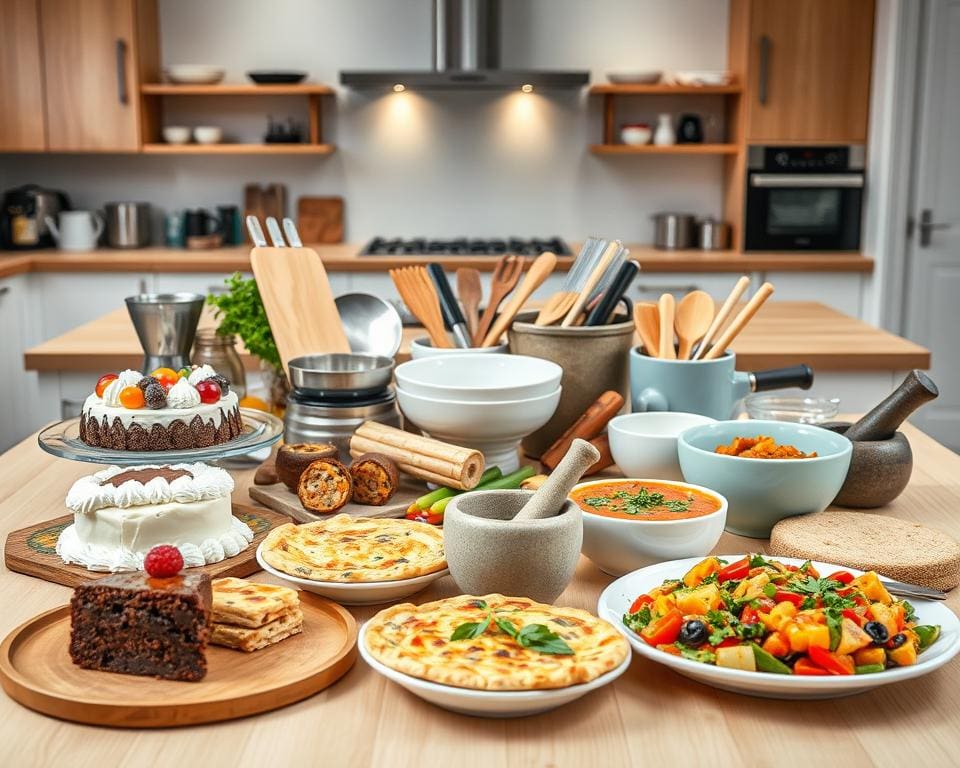
What To Cook For GCSE Food Tech Exam
Choosing the right recipes is vital for success in the GCSE Food Tech exam. Students need to demonstrate their culinary skills while adhering to nutritional guidelines and showcasing creativity. The selection of dishes can greatly influence performance, making it essential to focus on varieties that impress examiners.
Importance of Recipe Selection
Identifying appropriate mock practical exam recipes for GCSE Food Tech can set the stage for exceptional results. Opt for recipes that highlight diverse cooking techniques. This approach not only nurtures skill development but also allows students to exhibit a range of talents. Consider the following when selecting recipes:
- Recipes that align with dietary needs.
- Dishes that integrate different cooking methods, like grilling or baking.
- Creative interpretations of traditional recipes.
Balancing Flavours and Techniques
A well-balanced dish can make all the difference in the GCSE Food Tech examination. It’s important to balance flavours, textures, and visual appeal in order to tantalise the taste buds. Experimenting with various seasonings and plating techniques will enhance the overall presentation. Key aspects to consider include:
- Utilising fresh ingredients for maximum flavour.
- Incorporating contrasting textures for a dynamic dish.
- Ensuring dishes are visually appealing to captivate the examiner’s attention.
Recipe Ideas for GCSE Food Tech
When preparing for the GCSE Food Tech examination, selecting the right recipes can greatly influence performance. Creative and practical recipe ideas for GCSE Food Tech rise to the occasion, showcasing both skill and culinary knowledge. Incorporating a variety of dishes can demonstrate abilities across different cooking techniques, impressing examiners with flavour, presentation, and efficiency.
Starters and Appetisers
Starting with appetisers, consider dishes that balance simplicity with sophistication. Thoughtfully crafted bruschetta topped with seasonal vegetables and herbs not only delights the palate but also offers a vibrant presentation. Mini quiches allow for versatility and creativity, as they can be filled with a variety of ingredients, enabling candidates to cater to dietary preferences. These starter ideas set the stage for a successful exam by highlighting the importance of flavour and texture in every bite.
Main Courses Suitable for Exams
Turning to main courses, options such as herb-crusted salmon with seasonal vegetables present a hearty yet refined choice. This dish showcases both cooking techniques and attention to seasonal produce. Alternatively, a vibrant vegetarian risotto made with fresh greens provides a comforting and colour-rich option. Each of these recipes aligns perfectly with the exam’s criteria, making them standout examples among the best dishes for GCSE Food Tech examination. Students can practice these dishes confidently, ensuring they are well-prepared to impress the examiners.
Easy Meals for GCSE Food Tech Practical
Preparing for the GCSE Food Tech practical can be a stressful experience for students. Finding easy meals that not only taste delicious but also allow for effective technique demonstration becomes paramount. Simple recipes can alleviate pressure while ensuring students remain confident in their cooking abilities.
One-Pot Dishes for Simplicity
One-pot meals provide an excellent solution for those looking for easy meals for GCSE Food Tech practical. These dishes require minimal clean-up and can be prepared within a single cooking vessel. Consider the following options:
- A hearty chicken and vegetable stew, simmering with seasonal produce and aromatic herbs.
- A flavour-packed Moroccan chickpea tagine, rich in spices and served over fluffy couscous.
- A comforting vegetable risotto, creamy and fully flavoured with a hint of parmesan cheese.
Meal Prep Ideas for Efficiency
Incorporating meal prep into the GCSE Food Tech cooking challenge recipes can drastically improve efficiency. Preparing certain components in advance allows for more focused cooking during the exam. Here are some practical strategies:
- Marinate proteins like chicken or tofu a day before to enhance flavour.
- Pre-chop vegetables for quicker assembly during the cooking session.
- Prepare sauces or dressings in advance to reduce last-minute stress.
Best Dishes for GCSE Food Tech Examination
Choosing the best dishes for GCSE Food Tech examination can significantly influence your performance. Successful candidates often opt for recipes that demonstrate a range of cooking techniques and creativity. Classic meals such as coq au vin impress with their rich flavours and complexity, while wild mushroom risotto showcases a luxurious creamy texture and depth, enticing the palate.
Incorporating seasonal ingredients into these dishes not only enhances flavour but also nurtures a connection to local produce. Emphasising the use of what’s fresh and available can elevate your cooking, making your dishes memorable and delicious. This practice aligns with GCSE Food Tech cooking inspiration suggestions, encouraging a thoughtful approach to ingredient selection.
Dishes that allow for artistic presentation and coherence in theme further amplify your chances of standing out in assessments. Consider plating your meals with an eye for detail; creative garnishes and careful arrangement can leave a lasting impression. Whether preparing elaborate entrees or simple, elegant starters, selecting the right dishes is crucial to your success.
Cooking Tips for GCSE Food Tech Assessment
To excel in the GCSE Food Tech cooking assessment, preparation is key. Emphasising mise en place—having all your ingredients prepped, measured, and ready to go—can significantly streamline your cooking process and minimise stress. This foundational step allows you to stay organised, ensuring that you can focus on the techniques and flavours that will elevate your dishes. With this strategy in place, it becomes easier to work efficiently and effectively during the exam.
Practising techniques ahead of time is another valuable tip. Understanding the specific timing required for each dish is critical; mastering this can mean the difference between a perfectly cooked meal and one that falls flat. Make it a habit to taste your food at every stage of cooking, adjusting flavours and textures along the way. Refining these aspects not only enhances your dish but also demonstrates your ability to adapt and improve, a skill that examiners will certainly appreciate.
Finally, never underestimate the power of presentation. Visual appeal holds significant weight in assessments, as it showcases your attention to detail and care in the cooking process. Invest time in GCSE Food Tech cooking inspiration suggestions, from garnishing techniques to plating styles, to ensure that your final dish is nothing short of outstanding. By adopting these cooking tips for GCSE Food Tech assessment, you’ll not only enhance your culinary skills but also instil a sense of confidence that will leave a lasting impression on examiners.