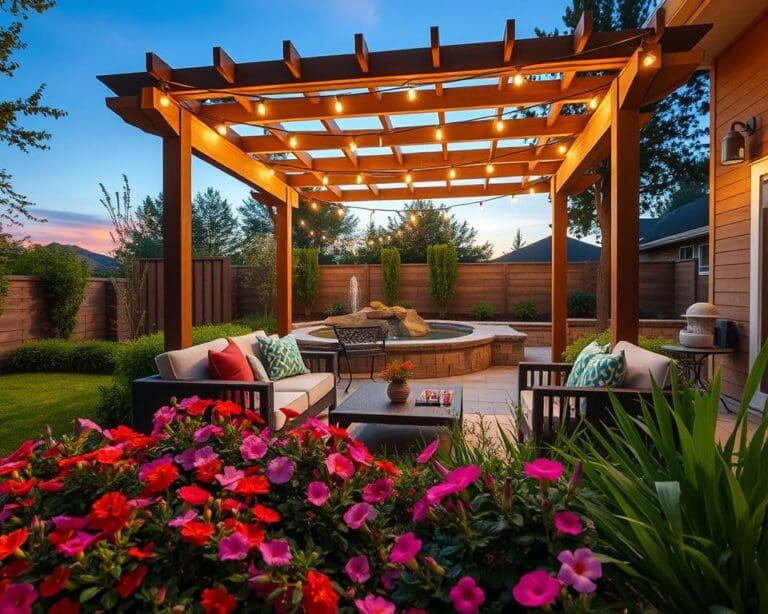

Understanding what trends are shaping modern home remodelling helps homeowners make smarter decisions. It guides investment choices, boosts long‑term comfort and can increase property value. In the UK, rising energy costs and the Government’s net zero ambition mean renovators must weigh climate goals alongside style.
This article looks at modern home remodelling trends UK owners are acting on now. We check how sustainable home renovations, smart home upgrades UK, flexible living spaces and wellness‑focused design work together. For example, energy efficiency supports sustainability while smart tech helps rooms serve many purposes.
UK policy and guidance shape many of these shifts. Stricter building rules such as Part L, advice from the Building Research Establishment (BRE) and retrofit initiatives are changing priorities. Those forces are a big reason home renovation trends 2026 will emphasise low‑carbon measures and practical upgrades.
The following sections will explore practical measures — insulation and glazing, solar and heat pumps, design aesthetics and material choices, technology integration and funding routes. Each topic is grounded in UK policy, recognised suppliers and real‑world examples to help you plan sustainable home renovations and smart home upgrades UK that last.
What trends are shaping modern home remodeling?
Contemporary UK homeowners are rethinking how they live, work and relax. Trends now blend environmental responsibility, technology and wellbeing to create homes that feel future‑ready and lived‑in. Below we outline the key movements driving renovation choices and practical steps to adopt them.
Sustainability and eco‑friendly materials
More renovators choose low‑embodied carbon and recyclable options. Reclaimed timber, FSC‑certified wood, Farrow & Ball low‑VOC paints, sheep’s wool and hempcrete are common choices. These materials cut lifecycle carbon, boost indoor air quality and can increase resale value.
For UK projects it helps to source local supplies to lower transport emissions. Follow PAS 2035 for retrofit work and consult BREEAM plus the Green Guide to Specification when comparing performance. Trusted manufacturers such as British Gypsum or Kingspan may be appropriate, provided embodied carbon is considered and waste regulations are met.
Integration of smart home technology
Smart home integration places convenience and efficiency at the centre of design. Systems control heating, lighting, security and appliances to save energy and enhance daily life. Popular devices include Hive, Google Nest and Tado thermostats, Philips Hue lighting and networked air‑quality sensors.
Decide between simple standalone gadgets and whole‑home solutions that use standards like Matter, Zigbee or Z‑Wave for interoperability. In the UK make sure systems work with smart meters and solar export controls. Professional installation ensures correct wiring and stronger cybersecurity protections.
Flexible, multi‑purpose spaces for modern living
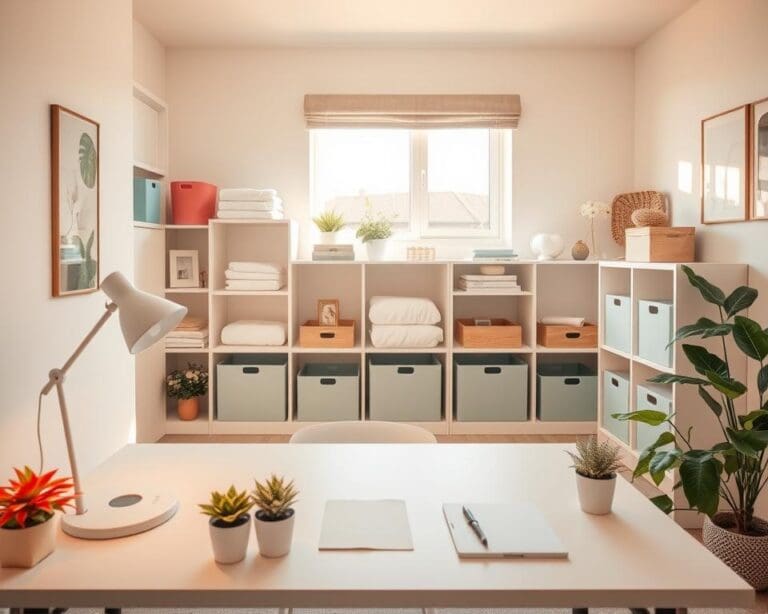
Homes now need to adapt for hybrid working, multigenerational living and changing leisure habits. Design moves toward open plan multi‑use rooms with sliding partitions, built‑in storage and adaptable furniture that shift function in moments.
Examples include office areas that convert to guest bedrooms, kitchen islands used as workstations and soundproofed study nooks. Pay attention to acoustics, adaptable lighting and durable finishes. Check party wall and planning rules before removing structural elements.
Wellness‑focused design and biophilic elements
Wellness home trends UK favour daylight, fresh air and natural textures to support mental and physical health. Biophilic interior design uses plants, natural materials and views of nature to reduce stress and improve concentration.
Key measures include larger windows or skylights, MVHR ventilation, circadian lighting and spaces for exercise. Balance increased glazing with high‑performance double or triple glazing for thermal comfort. Choose indoor plants suited to UK conditions and observe conservation area rules when relevant.
Energy efficiency and low‑carbon retrofitting for UK homes
Retrofit gives homeowners a clear path to lower bills and cut carbon. A practical low‑carbon retrofit starts with fabric improvements, moves on to efficient heating and then adds renewables where they make sense. Planning the whole house saves money and boosts comfort.
Insulation upgrades and glazing improvements
Start with loft insulation, cavity wall insulation where appropriate, and floor insulation to stop heat loss at source. Solid‑walled properties benefit from internal or external wall insulation; internal works need vapour control and careful detailing to avoid moisture problems. Draught‑proofing is inexpensive and often the quickest way to feel a difference.
Follow Part L guidance on target U‑values for walls, roofs and windows when specifying work. High‑performance double glazing or triple glazing and thermally broken frames reduce heat transfer and improve noise control. Where external insulation is restricted by conservation rules, internal insulation with an appropriate vapour check is a viable alternative.
Use PAS 2035 for whole‑house retrofit planning and hire TrustMark‑registered tradespeople or National Insulation Association members. Warranties and installer certification matter when applying for grants and for long‑term assurance.
Renewable energy systems: solar, heat pumps and battery storage
Solar PV and battery storage pair well with home insulation improvements. Typical UK domestic PV systems range from 2kW to 6kW; yields depend on roof orientation and shading. Inverters and export control settings influence how much power is used on site and exported to the grid.
Air‑source heat pumps suit many UK homes with good insulation and can replace gas boilers. Ground‑source heat pumps need more land but deliver very efficient heat. Both types work best with lower flow temperatures, so consider upsized radiators or underfloor heating to get full benefit.
Battery systems increase self‑consumption of Solar PV and provide resilience during outages. Leading brands such as Tesla, Sonnen and LG produce domestic batteries; compliant, MCS‑certified installation ensures system safety and warranty validity. Smart controls help shift demand, schedule heat pump cycles and enable vehicle‑to‑home strategies with electric cars.
Government schemes and grants that support retrofits
Homeowners should check current schemes before planning works. The Boiler Upgrade Scheme offers support for heat pump installations. Local programmes in Scotland and Wales provide tailored advice and grant routes, while past schemes such as the Green Homes Grant offer lessons on eligibility and delivery.
Other options include ECO funding for eligible households and low‑interest retrofit loans. VAT reductions may apply to certain energy‑saving materials. Exact grant values and eligibility rules change, so consult official pages and Energy Saving Trust guidance when applying.
Get multiple quotes and use certified installers to meet grant conditions. A fabric‑first approach that combines home insulation improvements with efficient heating and Solar PV and battery storage maximises carbon savings and value for money under available UK retrofit funding.
Design aesthetics, materials and practical considerations
Modern interior design trends UK lean towards calm, timeless palettes and tactile natural materials. Oak joinery, honed stone worktops and textured lime plaster create a warm base. Designers often introduce bold accents through brass or matte-black fittings to add character without overwhelming a neutral scheme.
Choose durable building materials that suit daily life. Engineered oak and porcelain tiles are hardwearing underfoot, while anti‑microbial surfaces and stain‑resistant upholstery help busy family homes. For kitchen and bathroom remodelling UK, specify fittings from trusted British manufacturers and consider spares and maintenance schedules when selecting brands.
Local sourcing reduces lead times and embodied carbon. Working with UK suppliers and craftspeople can cut transport miles and support timely delivery. Balance lifecycle costs and recyclability in your specification, plan for responsible waste disposal, and explore upcycling existing fixtures to preserve character and value.
Practical matters are as important as style. Check whether planning permission or listed‑building consent is needed for extensions or external changes, and make sure building regulations compliance covers structure, fire safety and thermal standards. Budget with a 10–20% contingency, stage works if you need to remain at home, and prioritise high‑impact measures such as insulation and heating controls.
Select contractors with care: use TrustMark-registered trades, request references, confirm insurance and sign a written contract such as a JCT small works agreement. Record warranties and document installations for future owners to support resale value and aftercare.
Future‑proofing increases longevity and market appeal. Adopt lifetime homes principles — step‑free thresholds, wider doorways and adaptable layouts — to broaden buyer interest. Energy upgrades, smart integrations and sustainable choices often boost property value and attract eco‑conscious buyers in the UK market.
Before work begins, use a simple checklist: define objectives and budget, commission an energy or fabric survey, consult local planning and building control, obtain multiple written quotes, confirm installer certifications and plan for disruption and waste management. Aim for a balance between inspirational design and pragmatic choices that deliver comfort, lower running costs and long‑term value.