The journey of Nike Tech apparel begins far beyond the retail shelves, delving into a complex network of Nike production sites across the globe. Understanding where Nike Tech is made is vital for consumers who appreciate quality and sustainability. As one explores Nike factory locations, it becomes evident that each site plays a pivotal role in shaping the brand’s commitment to ethical sourcing and innovative practices. Through its partnerships with diverse factories worldwide, Nike not only enhances its product offerings but also demonstrates a dedication to transparency in its manufacturing processes. Gaining insight into Nike product sourcing details enriches the overall consumer experience and supports a movement towards responsible fashion.
Nike Manufacturing Locations Across the Globe
Nike has constructed an impressive global network of manufacturing locations that plays a crucial role in its supply chain. The company strategically selects regions to optimise production, considering factors such as workforce skill, production costs, and government incentives. This extensive reach enables Nike to deliver high-quality products efficiently while keeping pace with global demands.
Key Regions of Production
Several key regions stand out in the landscape of Nike manufacturing locations. Notably, Vietnam, China, and Indonesia contribute significantly to Nike’s overall production. Vietnam has emerged as a central hub, recognised for its skilled workforce and favourable government policies that encourage investment in Nike production facilities. This evolution highlights the nation’s importance in the brand’s supply chain origins.
- Vietnam: A primary hub for Nike, offering competitive production capabilities.
- China: Historically significant in Nike’s manufacturing journey, China continues to hold a large share of production.
- Indonesia: A vital component in ensuring a diverse mix of manufacturing sites.
Emerging Markets in Nike’s Supply Chain
In recent years, Nike has begun exploring emerging markets as part of its strategy to diversify its supply chain. Countries such as India and Bangladesh present new opportunities, with lower labour costs and the potential for incorporating advanced manufacturing technologies. This trend reflects a proactive approach to adapting to changing global economic conditions and enhancing the resilience of Nike’s operations.
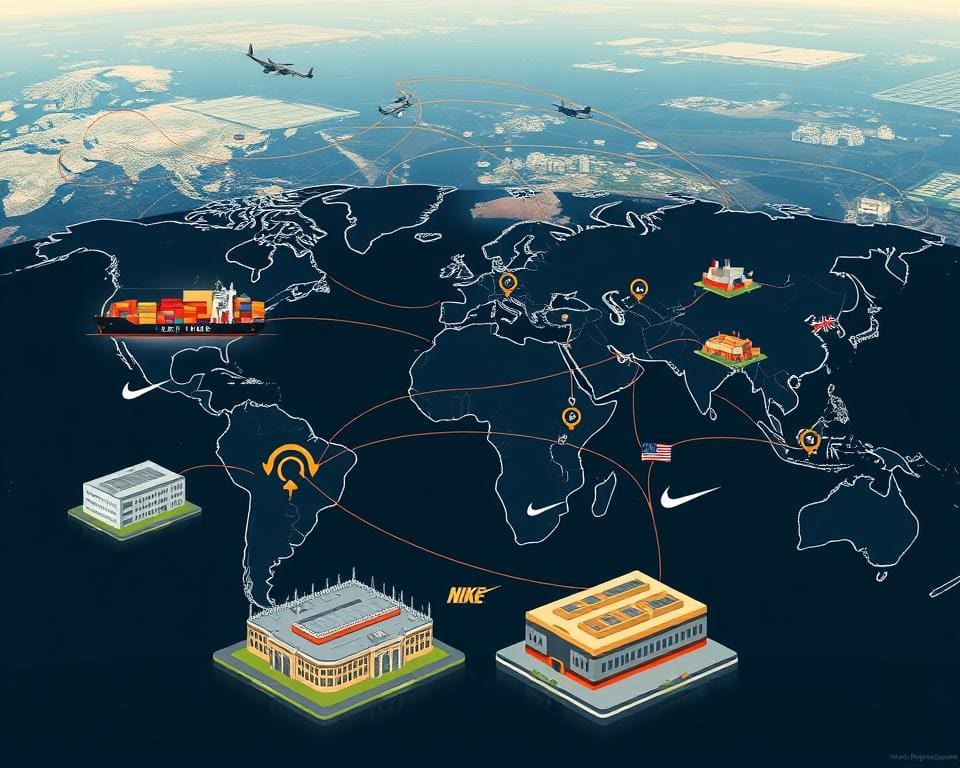
Where Is Nike Tech Made: A Closer Look at Production Facilities
Nike’s commitment to quality and performance is reflected in its diverse range of production sites worldwide. Understanding the specific roles of Nike production sites offers insight into how the brand remains at the forefront of the athletic apparel industry. Recognised as a leader in innovation, Nike manufacturing countries contribute significantly to this endeavour.
Main Manufacturing Countries
Several countries play crucial roles in Nike’s production landscape. These Nike manufacturing countries include:
- Vietnam
- China
- Indonesia
- Thailand
- The Philippines
Each of these nations has established Nike factory locations that specialise in various aspects of apparel manufacturing, ensuring that the company’s high standards are consistently met.
Roles of Specific Factories in the Production Process
Within these Nike factory locations, specific facilities focus on particular stages of production. For instance:
- Cutting and stitching: Factories in Vietnam excel in precision cutting and efficient stitching practices for footwear.
- Advanced materials: Sites in Thailand and the Philippines are known for their production lines dedicated to incorporating advanced technologies into fabrics.
- Finishing touches: Chinese production sites often handle the final detailing and quality checks, ensuring that each item meets Nike’s stringent quality assurance protocols.
These tailored roles enable Nike to leverage its global production network effectively. By aligning each factory’s strengths with Nike’s overarching goals, the brand maintains its reputation for excellence while continually innovating in the realm of tech apparel.
Nike’s Approach to Supply Chain Transparency
Nike embraces a commitment to supply chain transparency that sets a precedent in the industry. With a focus on accountability, the brand strives to uphold fair labour practices and sustainable sourcing. Understanding Nike product sourcing details reveals the extensive measures the company takes to ensure ethical manufacturing across its global network.
Understanding Nike’s Sourcing Practices
Nike has implemented robust policies that guide its sourcing practices. These guidelines emphasise responsible engagement with suppliers while championing sustainability. The company’s thorough vetting and selection processes are designed to foster partnerships that align with its ethical standards. Regular inspections and third-party audits reinforce Nike’s dedication to maintaining transparency, ensuring compliance with its Code of Conduct.
Initiatives for Ethical Manufacturing
Through various initiatives, Nike addresses the challenges associated with ethical manufacturing. The brand actively promotes a culture of fairness and respect within its production facilities. By prioritising workers’ rights and welfare, Nike demonstrates its commitment to ethical practices. Engagement with stakeholders is crucial in this journey, as collaborative efforts can lead to improvements in supply chain transparency, bolstering the brand’s reputation as a leader in responsible manufacturing.
The Innovation Behind Nike Tech Apparel
The realm of Nike Tech apparel is not just about style but centres on cutting-edge technology that transforms the way products are made. With a focus on marrying design and functionality, Nike integrates technological advancements in production to enhance overall performance. This commitment to innovation shapes every aspect of Nike manufacturing, creating a seamless flow from concept to final product.
Technological Advancements in Production
Recent strides in technology have revolutionised Nike production facilities. Automated stitching and advanced cutting techniques improve both efficiency and precision, allowing for more intricate designs and improved quality. These enhancements contribute to faster turnaround times and reduce waste, aligning with Nike’s commitment to sustainability.
How Innovation Affects Sourcing and Manufacturing
As Nike embraces these new technologies, they redefine their sourcing strategies and global manufacturing partnerships. Innovations enable the brand to select materials that not only meet performance expectations but also adhere to environmental regulations. This integration of technological advancements facilitates stronger connections with suppliers and partner factories, ensuring a more robust supply chain tailored to meet constantly evolving consumer demands.
Exploring Nike’s Environmental Commitments
Nike is steadfast in its dedication to environmental stewardship, embracing sustainable manufacturing practices to significantly reduce its carbon footprint. Through initiatives like the “Move to Zero” campaign, Nike aims for zero carbon emissions and zero waste across its entire supply chain. This ambitious vision not only demonstrates the brand’s commitment to eco-friendly initiatives but also sets a standard that resonates throughout the industry.
The company actively collaborates with various organisations that focus on promoting equality and supporting environmental sustainability. By forging these partnerships, Nike amplifies its efforts to lead responsible manufacturing, demonstrating that innovative strategies can foster both economic and ecological benefits. It is a testament to their belief that a brighter, cleaner future is achievable through collective action.
Engaging consumers in sustainable practices remains a vital part of Nike’s strategy. The brand encourages its community to join in on this journey towards a more sustainable world, inspiring individuals to make environmentally conscious choices. As Nike continues to evolve, its unwavering commitment to environmental responsibility reflects a broader shift in the industry, paving the way for future generations to enjoy a healthier planet.