Staying well hydrated is a simple habit that boosts energy, sharpens concentration and supports digestion and skin health. This daily hydration guide draws on advice from the NHS and Public Health England, and echoes World Health Organization guidance on fluid replacement during illness or exercise.
The aim here is practical and inspirational: to review which drinks are best for daily hydration and to recommend easy swaps that fit UK routines. We assess beverage categories — still and sparkling water, low‑calorie options, teas, coffee, plant milks, sports drinks and oral rehydration solutions — using evidence on electrolyte content, calories and convenience.
You will find an evidence‑based product review style approach that balances taste and practicality. The article will explain hydration fundamentals, present core beverage choices, show low‑sugar flavourful options, explore drinks with added health benefits, and clarify when to use sports or rehydration solutions.
Read on for a compact, usable plan to stay hydrated everyday, with clear choices that suit different ages, activity levels and the British climate. Small, achievable changes can make it much easier to drink regularly and feel better each day.
Which drinks are best for daily hydration?
Good hydration keeps the body working well every day. Balance comes from fluids taken in and losses through urine, sweat, breathing and stools. Thirst is a useful short-term cue, though older adults often have a blunted signal. Clear, pale urine is a simple check most people can use.
Understanding hydration needs for everyday life
Guidance from the NHS and the European Food Safety Authority gives a starting point for fluid intake recommendations. Typical adult total water intake often sits around 2–2.5 litres for women and 2.5–3 litres for men, counting fluids from drinks and food. Individual needs change with body size, health and lifestyle. Children, pregnant or breastfeeding women and people with conditions such as kidney disease or heart failure should seek personalised clinical advice.
How beverage choice affects hydration compared with plain water
Most non-alcoholic drinks add to daily fluid totals. Differences in water content, electrolytes and osmolarity influence how quickly a drink is absorbed. Drinks with moderate caffeine, such as tea or coffee, still contribute positively to hydration. High-alcohol drinks and very strong diuretic doses can reduce net fluid gain.
Sugary beverages supply fluids but add calories and may affect appetite and metabolic health over time. Artificially sweetened drinks hydrate without calories, though long-term metabolic effects are debated. Weigh the benefits of flavour and electrolytes against added sugars when choosing regular options.
Practical daily intake targets and factors that change needs (age, activity, climate)
Aim for steady intake through the day rather than large boluses at once. Carry a refillable bottle and sip regularly during work or travel. Use urine colour and routine checks to judge adequacy.
- Increase intake for hot weather, high humidity and prolonged exercise.
- Raise fluids during fever, vomiting or diarrhoea, at high altitude, and in pregnancy or breastfeeding.
- In the UK, cool seasons reduce sweating but indoor heating can increase insensible losses. Urban commuters and office workers should build hydration into daily habits.
Understanding hydration requirements helps you match fluid intake recommendations to real life. Thoughtful beverage choice, awareness of beverage hydration vs water, and attention to hydration factors UK can make steady hydration simple and sustainable.
Plain water and sparkling water: the foundational choices for staying hydrated
Choosing between still and fizzy drinks shapes daily hydration habits. Both plain and sparkling water supply the fluids the body needs without the sugar and calories found in many soft drinks. A simple approach keeps routines sustainable and enjoyable.
Benefits of still water for daily hydration
Still water, whether from the tap or a bottle, offers rapid absorption and zero calories. That supports weight management, reduces sugar intake and helps protect dental health when compared with sweetened beverages.
UK consumers can be reassured by Drinking Water Inspectorate standards that monitor tap water safety across England and Wales. For better taste, many people use reusable stainless steel bottles or BPA-free plastics and fit simple filters such as Brita or ZeroWater to improve flavour.
Sparkling water: hydration plus sensory variety
Carbonated water hydrates just as effectively as still water. For anyone who finds plain water boring, sparkling water hydration adds fizz and enjoyment without calories when unsweetened.
Popular brands in the UK include Perrier, San Pellegrino, Highland Spring and Buxton. Flavoured options from Fever-Tree and Radnor Hills give variety; check labels to avoid added sugars. Be aware that carbonic acid can trigger mild bloating or belching, and people with reflux may prefer still water.
Mineral content and taste considerations for regular consumption
Tap, spring and mineral waters differ in dissolved minerals. Mineral waters can supply modest amounts of calcium and magnesium that contribute to daily intake and may appeal to those who dislike electrolyte drinks.
Some mineral water UK varieties have higher sodium levels, so people on strict low-sodium diets should read labels. Rotating between sources helps avoid taste fatigue. Look at total dissolved solids (TDS) on labels to judge taste and mineral profile.
Low-calorie and zero-sugar drinks that support hydration
Choosing low-calorie hydration options helps you enjoy flavour without piling on calories. Small swaps and simple methods make it easy to drink more through the day while keeping sugar low. Below are practical ideas and gentle cautions to guide your choices.
Benefits and cautions with diet drinks and artificially sweetened beverages
Diet sodas and zero-sugar drinks such as Diet Coke, Pepsi Max and flavoured zero-sugar waters deliver fluid with almost no calories. For many people, they make diet drinks hydration an attractive alternative to sugary soft drinks when cravings strike.
Research shows these beverages do contribute to daily fluid intake. Long-term effects of artificial sweeteners like aspartame, sucralose and acesulfame K remain debated. Some observational studies link them with weight and metabolic changes, but cause and effect are unclear.
Use diet drinks in moderation. Reserve them as occasional substitutes for sugary drinks and prioritise plain or naturally flavoured water for regular low-calorie hydration.
Infused waters and herbal iced teas as flavourful low-calorie options
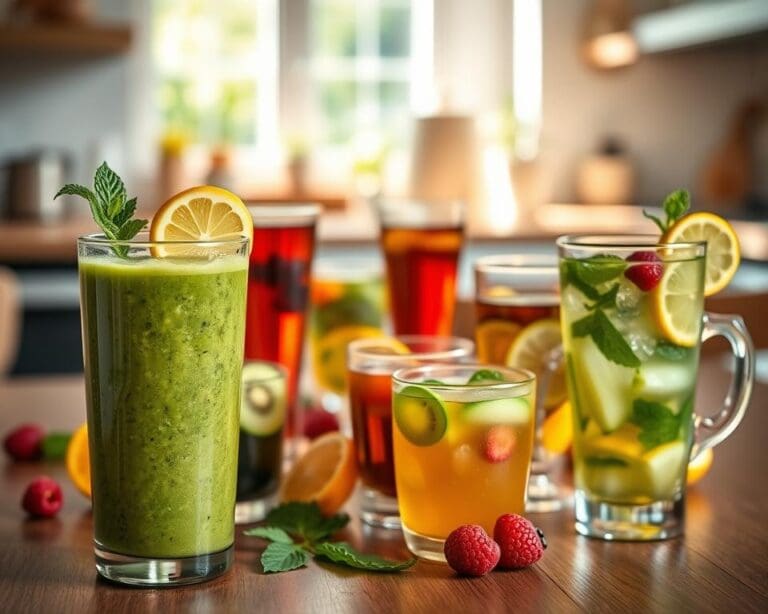
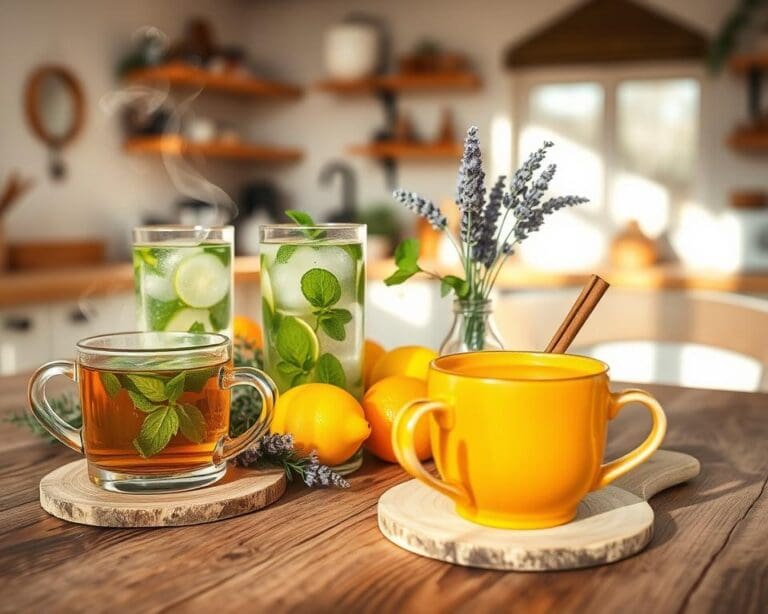
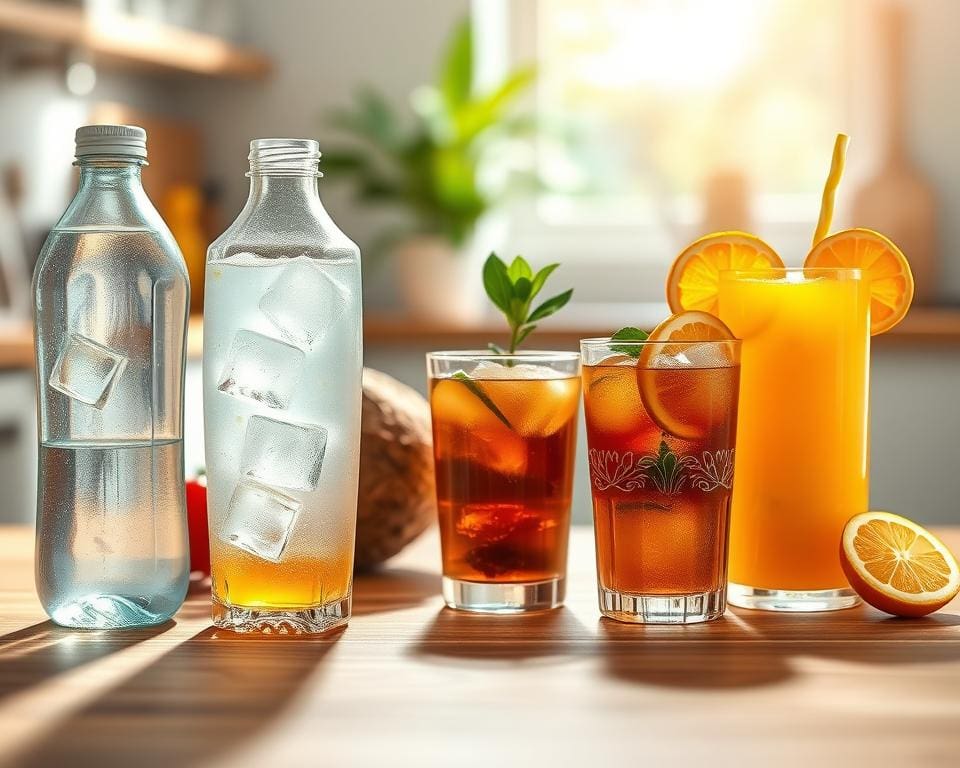
Infused water recipes let you add taste without adding sugar. Try cucumber and mint, lemon and lime, berries with rosemary, or orange slices with cinnamon. Both still and sparkling water work well.
Herbal iced tea UK choices are plentiful and naturally caffeine-free. Brands like Pukka, Twinings and Clipper offer peppermint, rooibos, hibiscus and chamomile blends. Iced hibiscus suits hot days; warm rooibos comforts on cool evenings.
How to make refreshing, low-sugar drinks at home
Make batches for busy routines. Cold-brew herbal tea in a large glass pitcher overnight. Steep fruit and herbs in water for a few hours for an easy infusion.
- Overnight fruit infusion: slice citrus or berries and chill in water for sweet, subtle flavour.
- Cold-brew herbal tea: steep rooibos or peppermint in cold water for 6–8 hours, then serve with ice.
- Muddled fruit method: lightly crush mint and berries, add water and let sit 20–30 minutes.
- Splash of juice: add 10–20ml 100% fruit juice to a glass for taste with minimal sugar.
Simple tools speed the process. Use a large glass pitcher, mesh infuser, stainless-steel bottle and ice moulds for attractive, chilled drinks. Batch-prep a litre or two to keep in the fridge and make low-calorie hydration part of your daily routine.
Natural drinks with added benefits: teas, coffee and plant-based options
Natural drinks can do more than quench thirst. They add flavour, nutrients and small health benefits when chosen wisely. Use them to complement plain water rather than to replace it.
Black, green and herbal teas: hydration and antioxidant support
Traditional teas count towards daily fluid needs and bring flavonoids that act as antioxidants. Green tea supplies catechins while black tea offers theaflavins, both linked with modest cardiovascular and metabolic effects in population studies.
English Breakfast and Earl Grey remain popular choices in the UK, and lighter green infusions suit those wanting a milder taste. Herbal infusions are usually caffeine-free, which makes them a good evening option.
Drinking a variety of antioxidant teas helps keep hydration interesting and adds nutritional value without many calories.
Coffee and moderation: caffeine’s mild diuretic effect and net hydration
Evidence shows typical coffee intake — around three to four cups a day — contributes to net hydration despite caffeine’s mild diuretic action. The British Nutrition Foundation and several studies note no meaningful fluid loss at moderate consumption.
Pairing coffee with a glass of water reduces the chance of jitteriness and supports overall fluid balance. Choose black coffee or drinks with a small splash of milk to limit added calories and sugar.
Instant, filter and espresso-based drinks all count, though chain café beverages with syrups and large milk portions raise calorie content significantly.
Plant-based milks and coconut water: when they help meet fluid and electrolyte needs
Plant milk hydration from oat, almond and soy varieties contributes to daily fluids and suits those avoiding dairy. Brands like Oatly, Alpro and Rude Health offer popular options across the UK.
Cow’s milk still provides fluid, electrolytes and protein, and semi-skimmed milk can be a satiating choice after exercise for some people.
Coconut water contains potassium and moderate sodium, making coconut water electrolytes useful after light to moderate activity. Look for products from Harmless Harvest and Innocent and check labels for sugar content.
These drinks supplement plain water and can help meet specific needs, but plain water should remain the mainstay of daily hydration.
Sports drinks, oral rehydration solutions and when to use them
Choosing the right fluid can matter for performance, recovery and recovery from illness. Plain water meets most daily needs. Certain situations call for products that replace sodium, potassium and chloride lost in sweat or illness.
Electrolyte balance: what sports drinks provide that plain water does not
Sweating removes electrolytes that help nerves and muscles work and that keep fluid in the right places. Sports drinks such as Lucozade Sport and Gatorade contain sodium, potassium and carbohydrates. That mix supports fluid absorption and supplies energy during long or intense sessions.
Formulations target moderate-to-high intensity activity or events longer than 60–90 minutes. For short, low-intensity exercise, these products are usually unnecessary and add extra sugar and calories.
When to choose an oral rehydration solution over water
Oral rehydration solutions follow WHO or NHS guidance and have precise glucose-to-sodium ratios. Brands available in the UK include Dioralyte and Rehidrat. These products restore fluid balance rapidly when diarrhoea, vomiting or severe heat stress causes clinical dehydration.
Use ORS for marked dehydration, especially in children and older adults. Contact a GP or NHS 111 for urgent advice if symptoms are severe. Avoid routine daily use of ORS unless a clinician recommends it because of the higher sodium content.
Choosing the right product for exercise, heat or illness
- Everyday activity: plain water or lighter options such as coconut water or milk usually suffice.
- Intense or long exercise (>60–90 minutes): consider electrolyte drinks for exercise that provide carbohydrates and salts to sustain performance.
- Vomiting, diarrhoea or clear dehydration signs: use oral rehydration solutions UK products and seek medical guidance if needed.
Read labels for sugar and sodium. For light activity, dilute sports drinks to reduce calories. Trusted UK athletic lines include SIS isotonic products for athletes, while Dioralyte remains a standard for rehydration for illness.
Drinks to limit for optimal daily hydration and wellbeing
Some beverages are best treated as occasional treats rather than daily staples. Sugary soft drinks and many commercial fruit juices contain high levels of free sugars that add calories, raise the risk of dental erosion and undermine weight goals. The NHS recommends limiting free sugars and choosing whole fruit over juice to protect health and hydration.
Alcohol has clear alcohol hydration effects: it can act as a mild diuretic and disturb fluid balance, sleep and cognition. Follow the UK Chief Medical Officers’ low‑risk drinking guidance and drink water alongside alcoholic drinks to reduce net fluid loss and next‑day tiredness. For illness or recovery, opt for an oral rehydration solution rather than alcohol.
High‑caffeine drinks in excess may cause jitteriness, disrupt sleep and, for some people, increase urine output. Aim to limit caffeine and avoid late‑day cups if sleep is affected. Also be cautious with highly sweetened coffee‑shop drinks and milkshakes; their calories and sugar content can counteract hydration and wellbeing goals when consumed often.
Build a personalised daily hydration plan that centres on still or sparkling water, with occasional tea, coffee and low‑calorie alternatives. Keep a reusable bottle, try fruit or herb infusions for flavour, and use simple checks like urine colour, thirst and energy levels. Make small swaps—replace one sugary drink a day with infused water—and choose situation‑appropriate options such as ORS for illness or sports drinks for prolonged, intense exercise to sustain energy and wellbeing.