Feeling frazzled after a long day is common across towns and cities in the United Kingdom. This short guide explores which drinks help you relax naturally and offers evidence-informed options for calm. Expect practical recipes, sensory notes and product suggestions to suit an evening wind-down, a sleep routine or a low-alcohol swap.
Interest in natural relaxing drinks has grown as people look beyond pills and alcohol. Public-health advice now stresses cutting back on booze and improving sleep hygiene, while shelves fill with herbal blends, decaffeinated teas and adaptogen mixes. I’ll cover calming beverages that combine research with flavour and ritual.
This article is aimed at adults in the UK who want sensible, approachable stress relief drinks. It includes herbal teas like chamomile, decaffeinated green and black teas, warm milky recipes such as golden milk, adaptogen blends, non-alcoholic mocktails and cold hydrating options. Each section gives practical brewing tips and recommends relaxing drinks UK shoppers can buy.
Read on for an inspirational, product-review style tour of stress relief drinks and tips to choose what suits your needs. You’ll find safe-use notes and pointers on when to consult a clinician, so you can enjoy calming beverages with confidence.
Which drinks help you relax naturally?
Explore a calming beverages overview that maps the main categories people reach for when stress needs to ease. The list includes herbal infusions, decaffeinated teas, warm milky concoctions like turmeric lattes, adaptogen blends, non‑alcoholic mocktails and cold hydrating options such as coconut water. Each type offers distinct relaxing drink benefits through ritual, aroma, warmth and mild biochemical effects.
Overview of calming beverages and their appeal
Herbal infusions such as chamomile, lavender and lemon balm work by scent and gentle phytochemicals that many find soothing. Decaffeinated green and black teas supply L‑theanine without caffeine’s edge. Warm milky drinks create a comforting ritual that primes the body for rest. Adaptogen blends containing ashwagandha or rhodiola aim to modulate stress response. Artisan mocktails and low‑alcohol ferments like kombucha offer social alternatives to alcohol while cold beverages restore electrolytes after exertion.
Appeal comes from more than ingredients. Making and sipping a drink signals safety to the nervous system. Sensory cues—heat, texture and aroma—trigger relaxation. Some drinks supply magnesium or compounds that influence GABA and other neurotransmitters. Expect a mix of measurable effects and placebo or conditioning benefits when selecting a soothing beverage.
How to choose a relaxing drink based on your needs
Match the drink to your goal. For a quick unwind pick an aromatic herbal tea. For sleep favour chamomile or cautious valerian blends. For daytime calm try decaffeinated green tea for steady focus without stimulation. After exercise choose coconut water or an electrolyte‑rich smoothie to aid recovery.
Think about sensory preference: warm versus cold, sweet versus bitter, creamy versus clear. Check lifestyle factors such as vegan choices, caffeine sensitivity and potential medication interactions. Practicalities matter: ease of preparation, cost per serving and availability in UK supermarkets or health‑food shops will affect whether a drink becomes part of your routine.
Safety considerations and who should consult a clinician
Observe drink safety for stress by reviewing interactions and labels. Some herbs and adaptogens interact with prescription medicines. For example, St John’s wort alters many drug levels, and ashwagandha can affect thyroid medication or blood pressure treatments. High doses of turmeric may influence anticoagulant therapies.
Certain people should consult a GP or pharmacist before regular use. Pregnant or breastfeeding people, those on immunosuppressants, people with autoimmune conditions, anyone taking anticoagulants, and individuals with severe anxiety or depression need professional advice. Those with allergies should check allergen statements and origin details.
Use simple safety steps: start low and slow with new ingredients, avoid mixing several sedative herbs or adding alcohol, and stop if adverse effects appear such as allergic signs, palpitations or digestive upset. Prefer products with clear standardised extract strengths and third‑party testing to reduce risk and support long‑term benefit.
Herbal teas known for relaxation and stress relief
Gentle herbal infusions can soothe the mind and invite calm after a busy day. This section explores three approachable choices, explains how they taste, and gives practical tips for brewing the best cup to support sleep and stress relief.
Chamomile: calming compounds and best brewing practices
Chamomile blends a soft, apple-like sweetness with floral notes and a gentle mouthfeel. Studies point to apigenin, a flavone, as one active compound that may bind to benzodiazepine receptors in animal research and offer mild sedative and anxiolytic effects in people.
To enjoy chamomile tea benefits, use 1–2 teaspoons of dried flowers or one tea bag per 200–250ml. Pour water just off the boil and steep for 5–10 minutes. Keep the cup covered while steeping to trap volatile oils. Avoid steeping past 10–12 minutes to reduce tannic bitterness.
Ready-made options from Pukka, Clipper and Twinings are easy to find in UK supermarkets. Choose organic if you prefer to limit pesticide exposure.
Lavender and lemon balm: flavour profiles and evidence
Lavender offers floral and slightly herbaceous notes, with compounds such as linalool and linalyl acetate linked to anxiolytic effects in aromatherapy and some ingestion studies. Lemon balm brings bright, lemony-herb character and has a tradition of use for anxiety and mild insomnia.
Small clinical trials suggest lemon balm can help with mild to moderate anxiety and sleep. For balanced lavender lemon balm relaxation, look for single-herb infusions or blends like Pukka Calm and Twinings Sleep, or pick loose-leaf mixes from independent herbalists.
How to prepare an optimal herbal tea infusion for sleep
For a sleep-friendly brew, try a simple blend: equal parts chamomile and lemon balm with a quarter part lavender. This proportion keeps flavour and effect in harmony. Add a pinch of valerian only if sleep problems persist and after speaking with a clinician.
Drink one cup 30–60 minutes before bed as part of a dim, consistent bedtime ritual. Limit to 1–2 cups nightly and avoid large volumes if you are prone to nocturia. Store whole dried flowers or loose leaf in airtight, opaque tins away from heat and light for best aroma.
- Best herbal infusion methods: use water just off the boil, cover while steeping, and measure by weight or spoons for consistency.
- Timing: allow the tea time to take effect and pair with a calming routine for improved sleep conditioning.
- Quality: choose reputable UK brands or trusted herbalists for organic, whole-flower options.
Decaffeinated teas and their relaxation benefits
Decaffeinated teas give people the comfort of a warm cuppa without the buzz. They keep many of the calming compounds found in traditional tea, making them a good choice for evening rituals or for anyone sensitive to stimulants. Read on to learn practical points about flavour, processes and what to shop for in the UK market.
Benefits of decaffeinated green and black teas
Decaf green and black teas retain polyphenols and the amino acid L-theanine, which supports a relaxed, focused state. L-theanine encourages alpha brain waves and can reduce stress without caffeine’s jittery effect.
Decaf green keeps catechins and a delicate vegetal taste that pairs well with quiet moments. Decaf black still carries tannins and the warm, full-bodied notes familiar to many tea drinkers.
Methods for decaffeination and what to look for on labels
There are three common methods to remove caffeine. The Swiss Water Process uses only water and filtration. Supercritical CO2 uses high-pressure carbon dioxide and preserves aroma. Ethyl acetate may be advertised as “natural” when sourced from fruit but can leave tiny residues.
When shopping, check packaging for phrases like Swiss Water Process or CO2 decaffeinated. The single word “decaffeinated” does not reveal the method or remaining caffeine percentage, which is often around 1–2%.
- Look for organic certification if you prefer fewer agrochemicals.
- Check if the brand states the percentage of caffeine remaining.
- Consider recyclable packaging and ethical sourcing claims if sustainability matters to you.
Recommended brands available in the UK
Twinings offers a dependable decaffeinated range found in most supermarkets, making it easy to switch without losing familiar flavours. Pukka provides organic, herbal and caffeine-free blends for those who favour botanical options.
Clipper markets organic decaf teas with clear labelling and ethical credentials. Taylors of Harrogate and Yorkshire Tea each list decaffeinated black options; seek lines that specify Swiss Water or CO2 processing for cleaner taste.
For more specialist choices, Teapigs supplies a decaf green that aims to preserve delicate notes. Independent tea merchants often stock CO2‑processed leaves for purer flavour, which is helpful if decaf green tea relaxation is a priority.
Warm milky drinks and traditional soothing recipes
Warm milky drinks have a long history as bedtime comforts across many cultures. A gentle cup can anchor an evening ritual, signalling the body to unwind and the mind to slow. Below are approachable recipes and choices that blend flavour with soothing intent.
Golden milk blends turmeric with warming spices to create a nourishing, aromatic drink. For a simple golden milk recipe, heat 200–250ml dairy or plant milk, whisk in ½–1 tsp turmeric powder, a pinch of black pepper, ¼–½ tsp cinnamon and an optional ¼ tsp ground ginger. Simmer gently for 5–10 minutes and sweeten with honey or maple syrup to taste. Barista oat milks from Oatly or ready-made powders from Pukka and artisan brands work well for a café-style finish.
A cup of turmeric latte calming spice can feel deeply reassuring at the end of a busy day. Curcumin in turmeric offers anti-inflammatory benefits, while black pepper helps absorption. Scientific evidence for immediate anxiety relief is limited, yet the ritual and comforting warmth add clear value to nightly routines.
Warm milk for sleep remains a classic for good reasons. Milk contains tryptophan, a precursor to serotonin and melatonin, which supports sleep chemistry in subtle ways. Combine 200–250ml gently warmed milk with 1 tsp honey and let it cool to sipping temperature. A dash of cinnamon or vanilla enhances flavour and the sense of ritual.
Plant-based milky drinks relaxation options provide variety for different diets and textures. Oat milk gives a creamy mouthfeel and extra carbs that may aid tryptophan uptake. Almond milk feels light and low-calorie, while soy milk offers more protein and a profile closer to dairy.
- Choose barista-style oat milk for creaminess and comfort.
- Pick unsweetened almond milk to reduce added sugars.
- Use fortified soy milk if you want higher protein and added nutrients.
When selecting a base, check labels for added sugars and fortification. For those with nut allergies or specific nutrient needs, read packaging for vegan certification and calcium or vitamin D content. Small choices like milk type and spice balance shape a calming nightcap that suits your body and tastes.
Functional drinks and adaptogen blends for reducing anxiety
Functional drinks that include adaptogens offer a gentle, daily way to support stress resilience. These blends aim to calm the nervous system and help the body adapt to short-term pressures without replacing clinical care for anxiety disorders.
Adaptogens are herbs thought to steady the body’s response to physical and emotional stress. Research points to modulation of the HPA axis and a dampening of overactive stress signals, plus antioxidant effects. Human trials vary in quality, so realistic expectations matter.
Popular adaptogenic ingredients: ashwagandha, rhodiola, holy basil
Ashwagandha has growing evidence for lowering cortisol and improving sleep and perceived stress. Many clinical studies use standardised extracts such as KSM‑66 or Sensoril at 300–600 mg daily. Rhodiola rosea is noted for reduced fatigue and improved mental performance under pressure, with typical doses of 200–400 mg/day of standardised extract for rhodiola stress relief. Holy basil, known as tulsi, carries traditional use for mood support and appears in modern blends at varied doses.
Other components in blends include reishi and schisandra. Be cautious with liquorice due to glycyrrhizin, which can affect blood pressure.
Evidence, dosing guidance and reputable UK suppliers
Systematic reviews show modest benefits for some agents, particularly ashwagandha and rhodiola. Trials differ in extract type and dose, which makes direct comparison difficult. Start with the lowest effective dose and try a product for 4–8 weeks to judge benefits.
- Typical dosing: ashwagandha 300 mg twice daily for standardised KSM‑66; rhodiola 200–400 mg/day of a rosavin/ salidroside standardised extract.
- Safety: consult a GP or pharmacist if taking antidepressants, thyroid medication, antihypertensives, anticoagulants, or if pregnant or breastfeeding.
- Quality markers: look for third‑party testing and named extracts on the label.
Reputable adaptogen suppliers UK include well-known retailers such as Holland & Barrett, Planet Organic and NutriCentre, plus specialist natural brands like Pukka and independent herbalists who provide traceable sourcing. Check for standardised extracts and clear labelling when weighing benefits such as ashwagandha benefits or rhodiola stress relief.
When choosing blends, balance ingredient synergy with simplicity. A short, mindful trial combined with sleep hygiene and light exercise often gives the most honest sense of whether adaptogens for anxiety work for you.
Non-alcoholic options for relaxation that replace booze
Choosing alcohol-free drinks can reshape an evening ritual and ease the body without ethanol. A calm, tasty beverage offers social comfort and a clear head the next day. Below are practical ideas to help swap a nightcap for gentler choices that promote relaxation and recovery.
Herbal mocktails bring botanical flavours and soothing effects to social occasions. Use chamomile, lemon balm and lavender as the base for low-ABV alternatives. Bitters add depth. Sweeten sparingly with honey or maple syrup and finish with soda water for fizz.
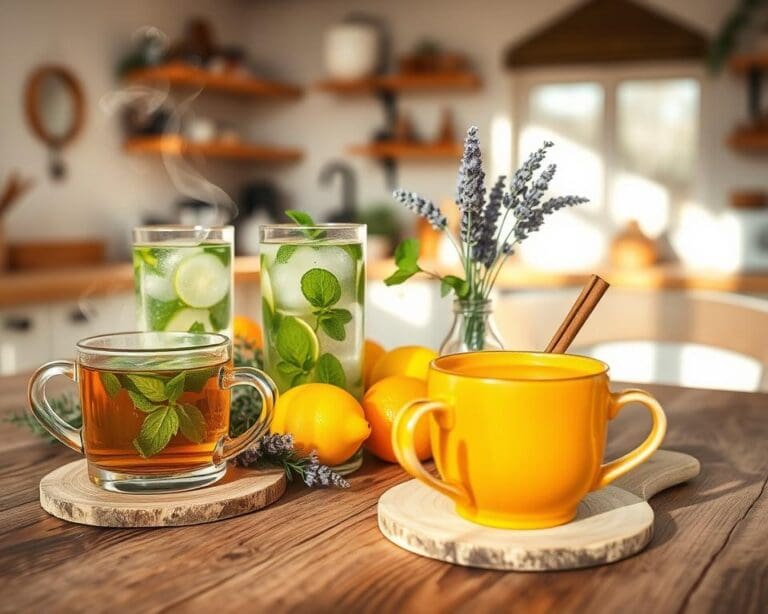
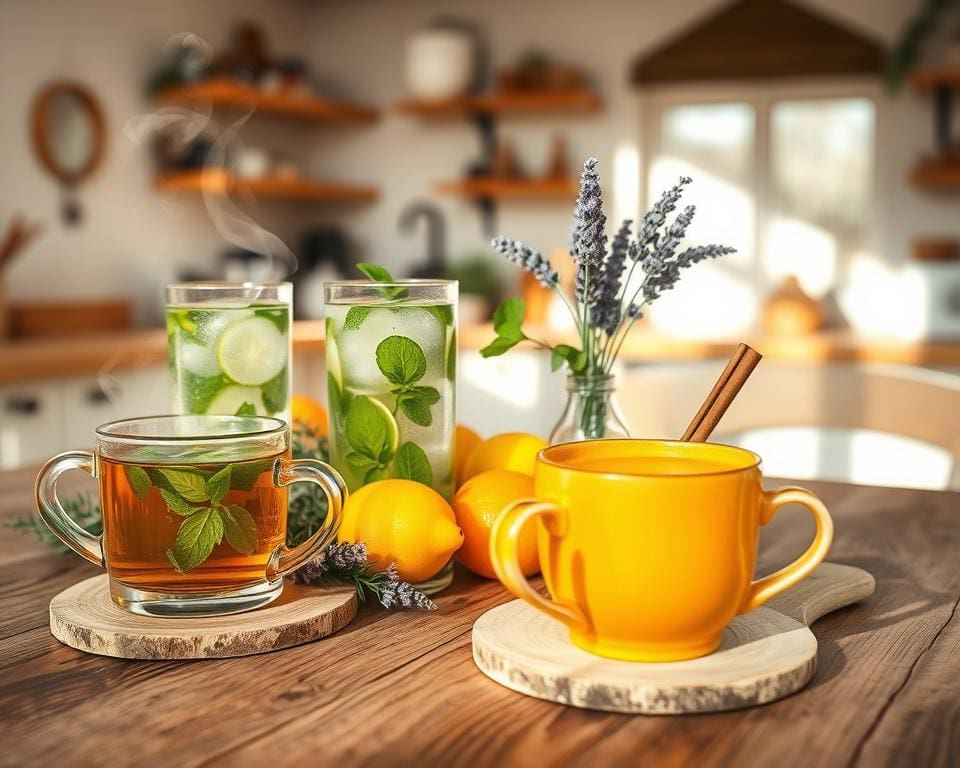
Try a Chamomile and Lavender Spritz: steep chilled chamomile, add a splash of lemon, stir in lavender syrup and top with soda water. Garnish with rosemary. For a bright option, muddle lemon balm with lime, a touch of honey and crushed ice to create a Lemon Balm Mojito that calms and refreshes.
- Serve herbal mocktail recipes in nice glassware to preserve ritual.
- Pair drinks with mindful breathing or light conversation for added benefit.
Kombucha and low-alcohol fermented drinks can mimic the mouthfeel of alcoholic drinks thanks to effervescence. Kombucha contains acids and, in some bottles, live probiotics. Low-alcohol kombucha (under 0.5% ABV) is treated as non-alcoholic under UK rules.
Weigh the kombucha benefits and risks before making it a staple. Some brands have high sugar or trace alcohol from fermentation. Home brews and certain craft bottles can reach higher ABV. The acidity may upset sensitive stomachs. People with weakened immune systems or strict diets should be cautious.
- Explore low-ABV beers and alcohol-removed wines for ritual without ethanol.
- Try spirit alternatives such as Seedlip or Lyre’s to create complex mocktails; check labels for residual alcohol.
Replacing alcohol for better sleep is a strong motivator. Alcohol shortens the time it takes to fall asleep but fragments the night and lowers REM sleep, leaving you unrested. Swapping booze for calming, alcohol-free relaxation drinks helps protect sleep architecture and reduces next-day anxiety.
Form new cues to break old habits: pick filling, tasty substitutes like warm milky drinks, herbal spritzes or kombucha. Use attractive glassware, a short wind-down routine and a sleep diary to track improvements in mood and energy.
Cold beverages that promote relaxation and hydration
Cold calming drinks can be simple, restorative and mood-lifting. They soothe sensory overload and support hydration without the buzz of caffeine or alcohol. Below are practical, evidence-based options to add to a relaxation routine.
Coconut water offers a natural blend of potassium, sodium and magnesium that helps rehydrate after exercise or a long, stressful day. Choose 100% coconut water such as Harmless Harvest or Vita Coco found in many UK supermarkets. A 200–400ml glass after exertion supports electrolyte balance and may reduce lightheadedness that mimics anxiety. People with kidney disease or those on potassium-sparing diuretics should consult a clinician before regular use.
Coconut water and electrolyte balance for stress recovery
Drink coconut water for quick rehydration and to restore electrolytes lost through sweat. It aids cognitive clarity when dehydration heightens tension.
Cucumber and mint infusions: cooling effects and preparation
A cucumber mint infusion recipe elevates plain water into a cooling, parasympathetic-triggering beverage. Thinly slice cucumber and lightly muddle with fresh mint leaves. Add cold filtered water and chill for 30–60 minutes. Serve over ice with a lemon slice. For more body, use chilled green tea, or opt for decaffeinated green tea if you prefer.
Chill-out smoothies with magnesium-rich ingredients
Magnesium smoothies for relaxation combine leafy greens, banana and pumpkin seeds to support the nervous system. Try 200ml fortified oat milk, one banana, a handful of spinach, one tablespoon pumpkin seeds and a teaspoon cacao powder with ice. Blend until smooth. Add a measured magnesium powder only after checking interactions with medications such as antibiotics or bisphosphonates.
- Keep portions moderate to manage calories.
- Use fortified plant milks for extra calcium and B vitamins.
- Store infusions in a jug for easy access during busy workdays.
How to evaluate and choose the best relaxing drink for you
Start by naming your main goal: immediate stress relief, better sleep, daytime calm, post‑exercise recovery or swapping out alcohol. This helps you choose best relaxing drink for that purpose. Match choices to your body—note caffeine sensitivity, pregnancy, medications or allergies—so you can evaluate calming beverages safely.
Think about sensory preference and ritual. Do you prefer something warm and creamy like golden milk, or a cold cucumber‑mint infusion? The making ritual often adds calm, so weigh warmth versus chill, sweet versus savoury, and simple recipes versus branded options available in the UK when you evaluate calming beverages.
Use a product checklist. Look for clear ingredient lists and standardised extracts (for example Matricaria chamomilla for chamomile), gentle decaffeination methods such as Swiss Water or CO2, and third‑party testing or organic certifications. Consider cost per serving, packaging recyclability and supplier provenance to choose best relaxing drink UK shoppers can trust.
Test one change at a time for 2–4 weeks. Track sleep latency, sleep quality and daytime mood in a simple diary or app like Sleep Cycle. Take sleep drinks 30–60 minutes before bed and time daytime options to avoid unwanted sleepiness. If symptoms persist or worsen, consult your GP or a mental‑health professional. For a personalised drink selection, combine evidence‑backed choices (chamomile or lemon balm for night, decaf green tea with L‑theanine for day, herbal mocktails for alcohol replacement) with sleep hygiene, breathing exercises and reduced screen time to maximise relaxation.