Good gut health means a balanced microbiome, efficient digestion, regular bowel movements, less bloating and benefits for immunity and mood. Trusted sources such as NHS guidance on digestion and reviews in Nature Reviews Gastroenterology & Hepatology link the microbiome to overall health. This article explains which foods improve gut health in a clear, practical way for readers across the UK.
Diet matters because food supplies the substrates and microbes that shape bacterial communities. Fibre, prebiotics and polyphenols feed microbes that produce short‑chain fatty acids and help gut barrier integrity. Fermented foods add live cultures, while a wide variety of plant foods supports microbial diversity to improve microbiome resilience.
This is a product‑review style guide to gut health foods, aimed at helping you build a gut‑friendly diet UK readers can use. Expect a mix of food categories, brand and product recommendations available in UK supermarkets, simple preparation and serving tips, and clear advice on what to limit.
Personal needs vary, so people with conditions such as IBS or coeliac disease should consult a clinician or registered dietitian before making major dietary changes. The rest of the article covers fermented foods and probiotics, high‑fibre whole foods, prebiotic ingredients, supportive proteins and fats, top probiotic products and supplements, high‑fibre uses, foods to avoid, and practical meal plans and recipes to help you choose the best foods for digestion.
Which foods improve gut health?
Good gut health starts with a varied plate. This short guide groups the key foods that help the microbiome, explains how they work and gives practical tips for adding them into daily meals.
Fermented foods that feed beneficial bacteria
Fermented products supply live cultures that can enrich the gut ecosystem. Look for kefir, live yoghurt, kombucha, sauerkraut, kimchi, miso and tempeh.
In the UK, options such as The Collective kefir, Yeo Valley Bio Live yoghurt and Biona organic sauerkraut often contain unpasteurised or live strains. Supermarket pasteurised varieties may lack live microbes, so check labels.
People who are pregnant or immunocompromised should seek medical advice before trying unpasteurised ferments.
High-fibre whole foods to support regularity
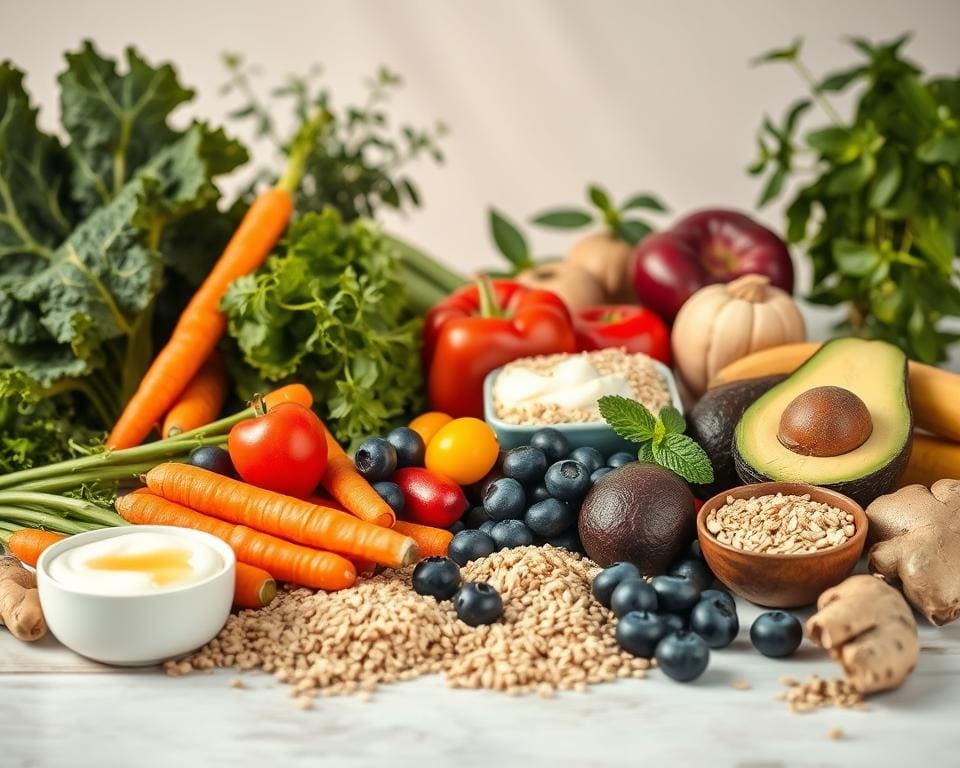
A high fibre diet helps feed microbes and keeps stools regular. Wholegrains like oats, barley and brown rice sit alongside wholemeal bread, wholegrain pasta and root vegetables as easy staples.
Legumes and broccoli add bulk and variety. Soluble fibre slows digestion and nourishes microbes, while insoluble fibre supports stool bulk and transit.
The NHS recommends aiming for about 30g of fibre a day. Increase intake gradually to reduce bloating and give the gut time to adapt.
Prebiotic-rich ingredients to nourish the microbiome
Prebiotic foods contain fibres such as inulin, fructo-oligosaccharides and resistant starch that selectively feed beneficial bacteria.
Good sources include onions, garlic, leeks, asparagus, Jerusalem artichoke, chicory root, unripe bananas and cooled cooked potatoes and oats. These ingredients tend to promote Bifidobacteria and Faecalibacterium species, linked with positive health effects.
Lean proteins and healthy fats that support digestion
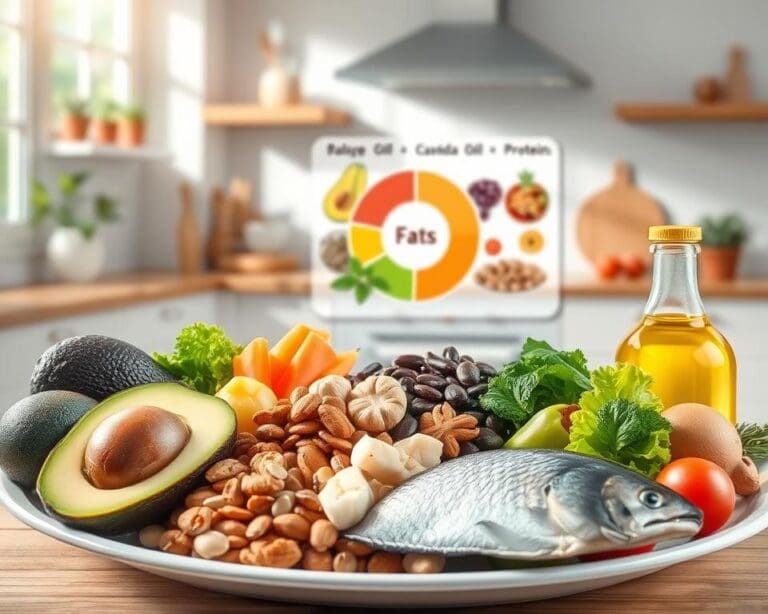
Choose lean proteins and healthy fats to support mucosal health and reduce inflammation. Oily fish such as salmon and mackerel supply omega-3s.
Skinless poultry, eggs, tofu, tempeh and legumes provide digestible protein without excess saturated fat. Frying and processed meats can slow transit or disturb balance.
Mono- and polyunsaturated fats—olive oil, rapeseed oil, avocados and nuts—support healthy fats digestion and help maintain a resilient gut lining. Simple portion control and gentle cooking methods aid tolerance.
Top probiotic foods and product recommendations
Choose probiotic foods UK shoppers can find easily in supermarkets and specialist shops to make daily gut support simple. Look for clear labelling that lists live cultures, low added sugar and serving suggestions. Small changes, such as swapping a regular snack for a fermented option, add beneficial diversity to your microbiome.
Yoghurt: what to look for in a probiotic yoghurt
Pick yoghurts that state “contains live cultures” and show strain information. Many quality options list Lactobacillus bulgaricus and Streptococcus thermophilus, with added strains such as Bifidobacterium. For the best probiotic yoghurt in UK shops consider Yeo Valley Bio Live, Alpro Plain for a plant‑based choice with added cultures, or imported Fage Total where available.
Check sugar content and choose full‑fat or reduced‑fat to match calorie targets. Those seeking targeted benefits should scan the label for research‑backed strains and storage guidance to ensure potency.
Kefir and drinkable cultures: benefits and flavour tips
Kefir offers a diverse microbial mix and higher probiotic counts compared with many standard yoghurts. Note kefir benefits include aiding digestion and adding variety to a gut‑friendly diet.
Try The Collective, MOMA or Lykke kefir in smoothies or stirred into overnight oats. Expect a tangier taste than yoghurt and be aware that lightly fermented bottles can contain trace alcohol from fermentation.
Kimchi, sauerkraut and pickles: choosing shelf-stable options
Raw, refrigerated sauerkraut and kimchi typically preserve more live cultures than pasteurised jars. Brands such as Biona and Tesco Taste the Difference fermented kimchi may be found in chilled sections or at local markets from independent producers.
For a sauerkraut shelf stable choice, check labels for “refrigerate after opening” and whether the product is unpasteurised. Shelf‑stable jars can be convenient but may lack the live cultures found in refrigerated versions.
Probiotic supplements: strains, CFU counts and how to choose
A good supplement lists probiotic supplement strains CFU clearly, states guaranteed potency at end of shelf life and gives storage instructions. Look for clinically studied strains such as Lactobacillus rhamnosus GG, Bifidobacterium animalis subsp. lactis BB‑12 and Saccharomyces boulardii for specific uses.
Common general‑use doses range from 1–10 billion CFU per dose; higher counts appear in clinical trials for targeted conditions. Trusted UK brands include Optibac, Bio‑Kult and Symprove, the last being a water‑based formulation with trial data. Speak with a clinician before starting supplements if you have medical concerns or take medication.
Best high-fibre foods for gut health and how to use them
Boosting gut health feels achievable when you know which pantry staples to choose and how to use them. This short guide offers practical swaps, simple cooking tips and portion guidance that match NHS-style recommendations for everyday life in the UK.
Wholegrains to add to breakfasts and baking
Choose oats, wholemeal flour, spelt, rye and barley to enliven breakfasts and bakes. Swap refined cereals for porridge or bran cereals and try overnight oats for a quick start. Use wholemeal flour in muffins and loaf recipes to raise fibre without changing flavour.
Cooled cooked rice and potatoes form resistant starch, a prebiotic that supports wholegrains gut health. Stir cooked barley into soups and salads for texture and fibre.
Legumes and pulses: cooking methods to improve tolerance
Chickpeas, lentils, black beans, butter beans and split peas are versatile and budget friendly. To reduce digestive discomfort, soak dried pulses overnight, discard the soaking water and cook until very soft. Introduce them gradually into meals.
Canned pulses are a quick option; rinse them well to lower sodium and reduce oligosaccharides. Try lentil dahl, a chickpea salad or low‑sugar baked beans on wholemeal toast for tasty, simple dishes that show how to cook legumes for best results.
Fruits and vegetables with the highest soluble and insoluble fibre
For soluble fibre, reach for apples, pears, berries and citrus. These fruits high fibre choices soothe digestion and feed friendly microbes. Eat whole fruit rather than juice and keep edible skins on to boost intake.
Vegetables such as broccoli, carrots and leafy greens supply insoluble fibre that helps regularity. Use vegetables in stews, roasts and raw salads. Cooked veg can be gentler on sensitive tummies while preserving fibre benefits.
Seeds and nuts: portion guidance and recipe ideas
Include chia, flaxseed, pumpkin seeds, almonds and walnuts for crunch and nutrients. Aim for a small handful of nuts (about 20–30g) a day and 1–2 tablespoons of seeds. That balance prevents excess calories while adding seeds and nuts fibre to meals.
Sprinkle chia or flax into porridge, blend ground flax into smoothies or baking and use crushed nuts as a topping for yoghurt or salads. Add seeds to homemade granola for a simple fibre boost.
Foods to avoid or limit for a healthier gut
Small changes in what you cut back on can lift your gut health. The list below highlights common culprits and offers practical swaps that fit a busy UK lifestyle.
The first group to watch is ultra‑processed products. Ready meals, reconstituted meats and many snack foods often contain emulsifiers and additives. Animal research and emerging human data link these ingredients with altered microbiota and increased gut permeability.
Choose simple, whole ingredients where you can. Frozen vegetables, homemade stews and plain chicken or salmon are quick alternatives that lower exposure to processed foods microbiome harms.
Excess sugar is another major factor. High intakes of free sugars feed opportunistic microbes, reduce diversity and tie into metabolic strain.
Try to cut back on sweets and sugary drinks. Swap desserts for fresh fruit, or sweeten with a little stevia if you need non‑nutritive options while avoiding overuse that may affect sugar gut bacteria.
Alcohol can disrupt the gut barrier and promote dysbiosis when consumed beyond moderate levels. Follow UK government guidance and keep drinking occasions occasional rather than daily.
For people sensitive to stimulants, too much caffeine or frequent energy drinks speed up gut transit and can worsen reflux or IBS symptoms. Herbal teas and decaffeinated coffee give the ritual without the extra stimulation.
- Limit ready meals and processed snacks; cook simple meals with wholegrains and vegetables.
- Reduce sugary sodas, confectionery and sweet baked goods to protect sugar gut bacteria balance.
- Keep alcohol within UK guidelines to minimise alcohol digestion effects UK and gut barrier stress.
- Avoid frequent energy drinks; choose water, herbal infusions or decaffeinated options instead.
Small swaps add up. Emphasise home‑prepared food, cut free sugars and be mindful of alcohol and caffeine. These steps support a resilient microbiome and steadier digestion.
Practical meal plans and recipes to improve gut health
Transforming guidance into action is straightforward with a clear gut health meal plan. Start with a sample one‑day menu: overnight oats made with The Collective kefir or a live yoghurt, mixed berries and a tablespoon of ground flaxseed for breakfast; a pear and a handful of almonds mid‑morning; a mixed‑grain salad with barley, chickpeas, roasted vegetables and extra virgin olive oil for lunch; carrot sticks and hummus as an afternoon snack; baked salmon, steamed broccoli and cooled new potatoes (to boost resistant starch) served with a small side of refrigerated sauerkraut for dinner; finish with stewed apples and cinnamon. These choices balance fermented foods, fibre and healthy fats while keeping portions sensible.
Use the three‑day highlights to rotate nutrients and flavours. Day 1 focuses on legumes and wholegrains with lentil soup and wholemeal bread. Day 2 leans on fermented ingredients and prebiotics — a kefir smoothie for breakfast and kimchi added to a vegetable stir‑fry at dinner. Day 3 increases plant diversity and seeds: chia pudding, mixed bean salad and roast mackerel. This short plan offers variety, makes it easier to follow a high fibre meal plan and introduces probiotic recipes without overwhelming the palate.
Recipe concepts are simple to scale and store. Try overnight oats with kefir or live yoghurt, miso‑glazed aubergine to introduce fermented soy, lentil and vegetable dahl spiced for digestion, tempeh stir‑fry with leeks and garlic, and tray‑baked root vegetables with rosemary and olive oil. Prepare larger batches of soups and stews, cool portions quickly and refrigerate. Include fermented condiments in 1–2 tablespoon servings per meal rather than large amounts to keep meals balanced.
Practical shopping and preparation tips suit UK cooks: buy wholegrains, legumes and fermented ranges at Sainsbury’s, Tesco, Waitrose, Lidl or local markets and check labels for “live cultures” and low sugar. Introduce changes gradually over 2–4 weeks so the microbiome can adapt, keep a food and symptom diary to note benefits, and consult an NHS GP or a registered dietitian for persistent issues or before starting supplements. These small steps help make gut friendly recipes UK readers will enjoy and sustain long term.